
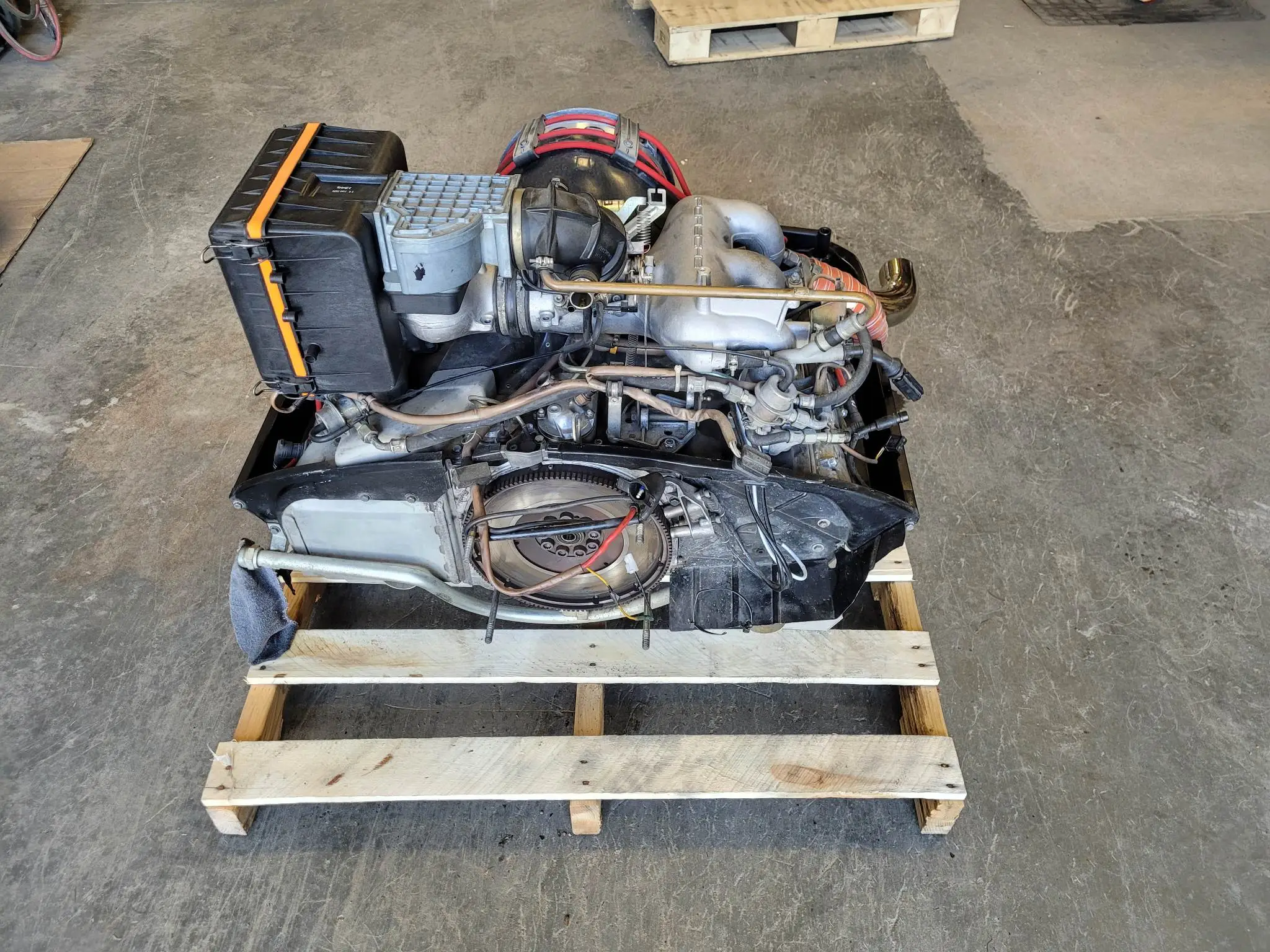
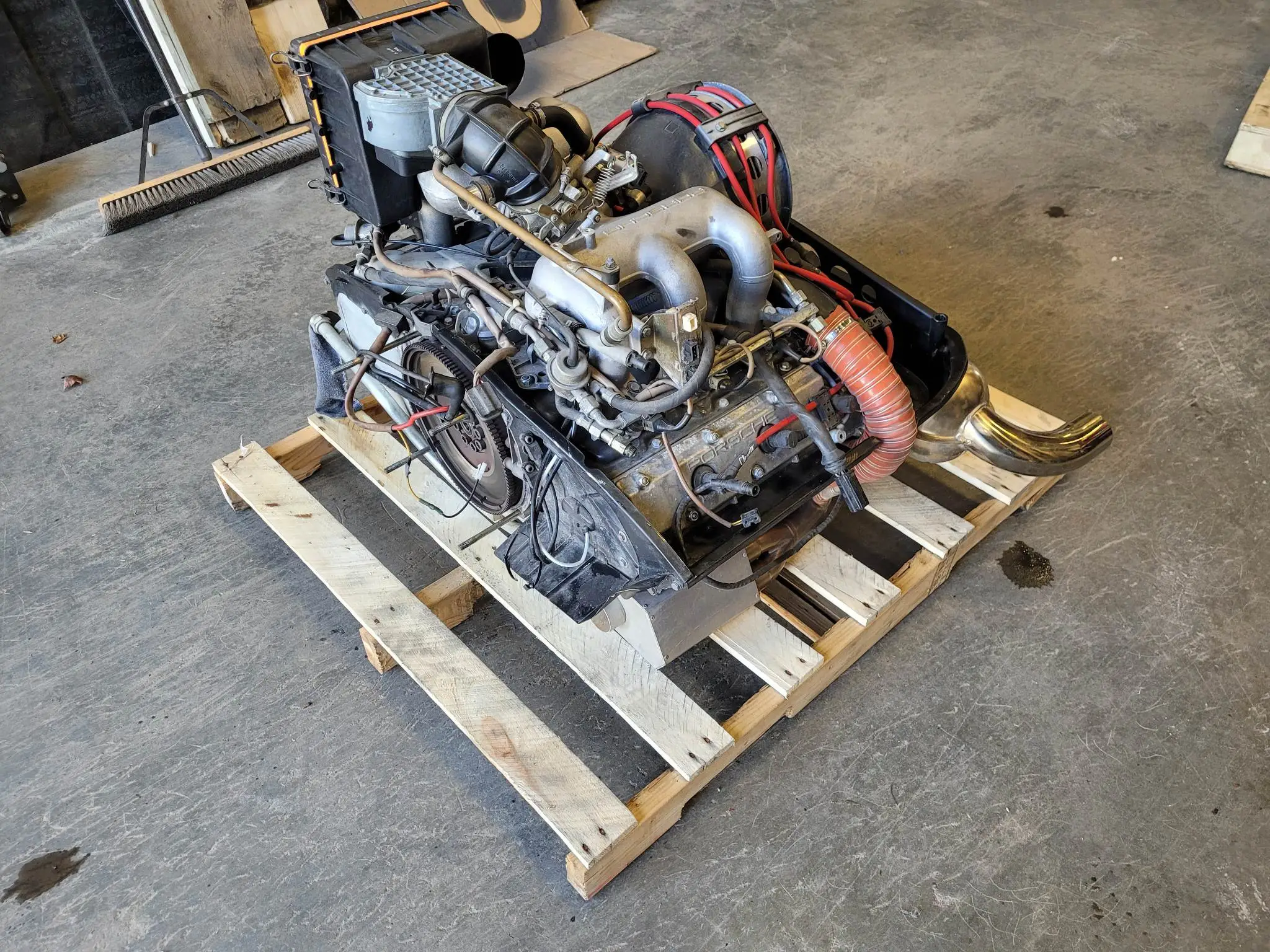
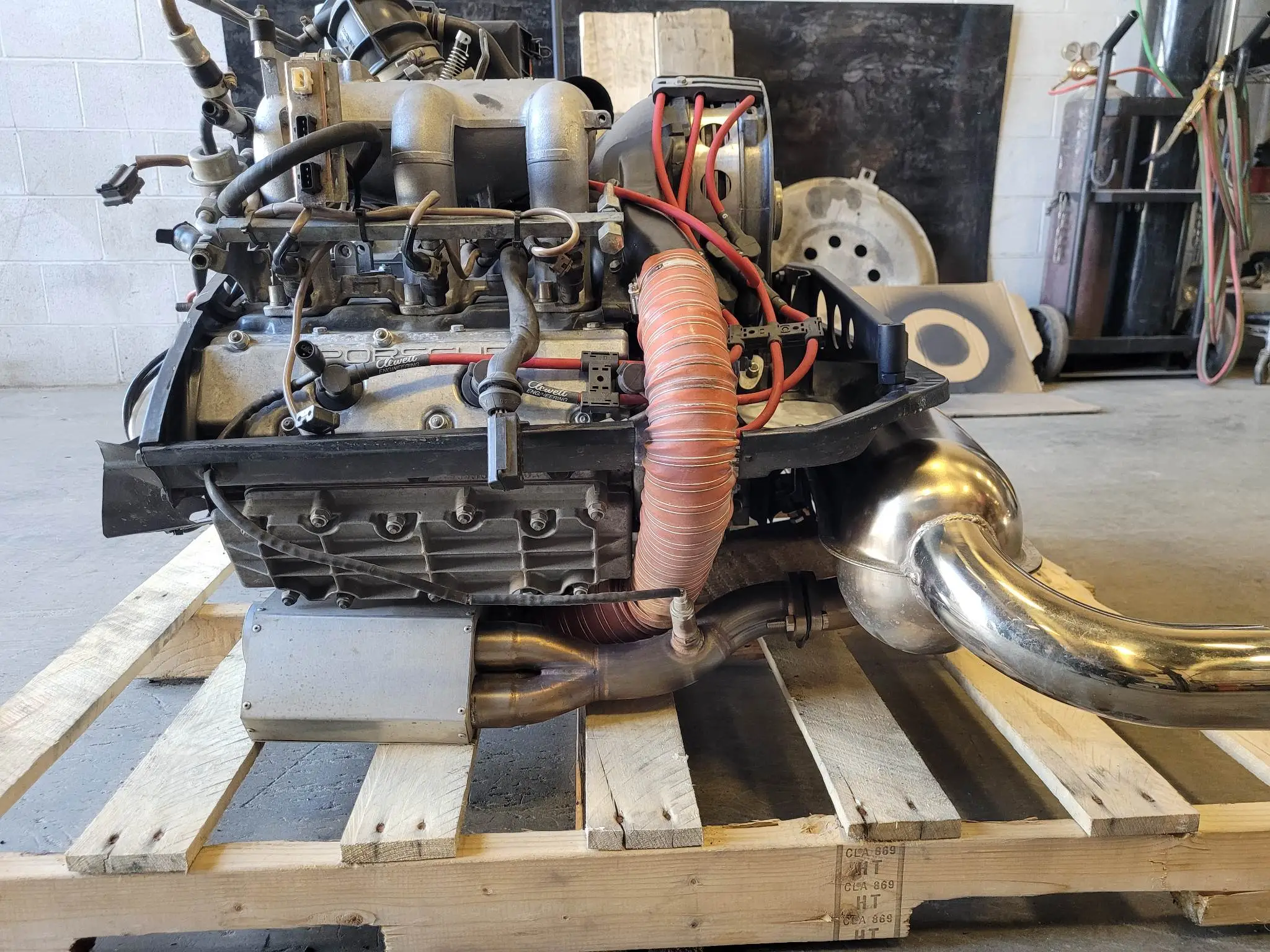
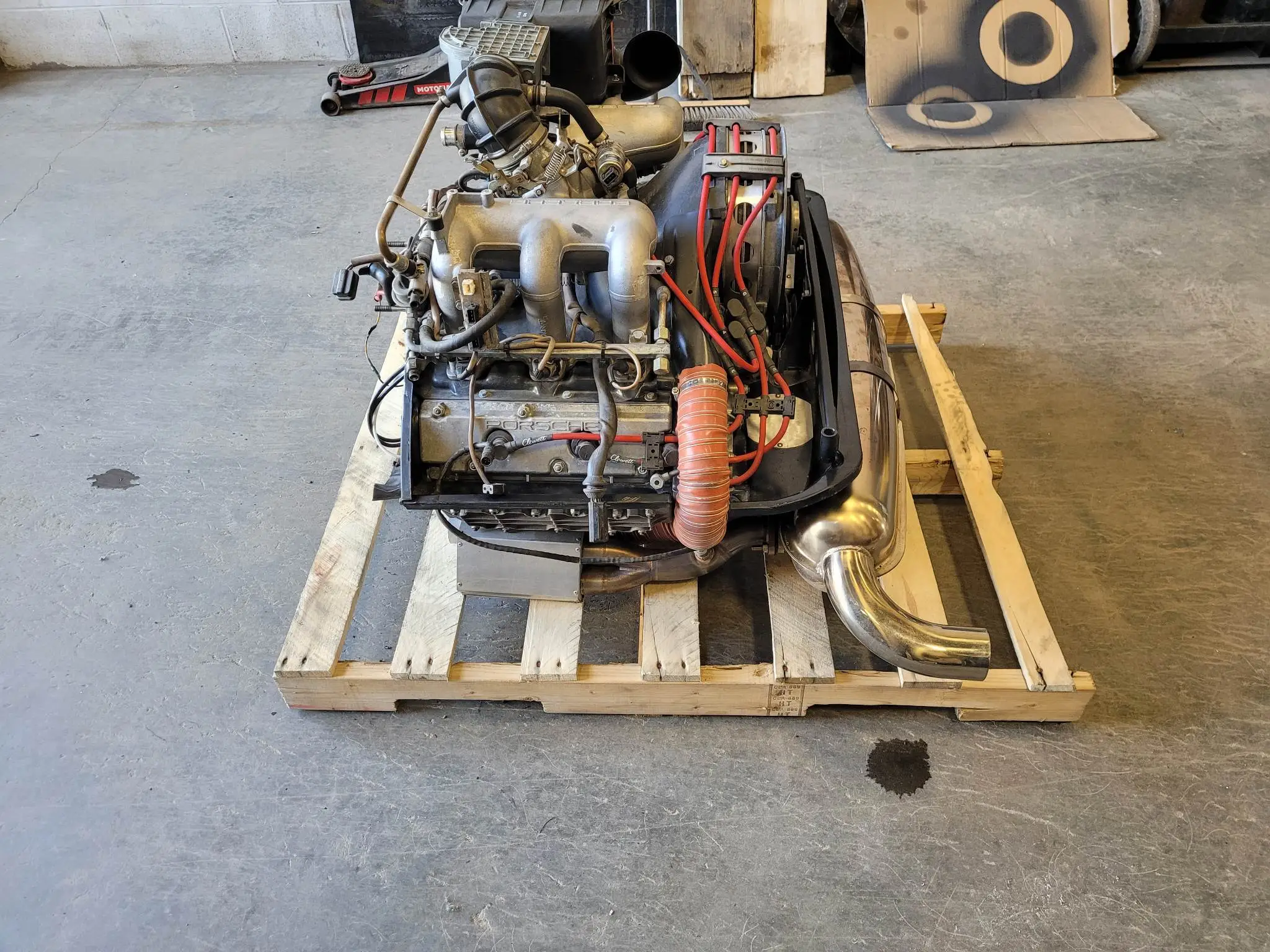
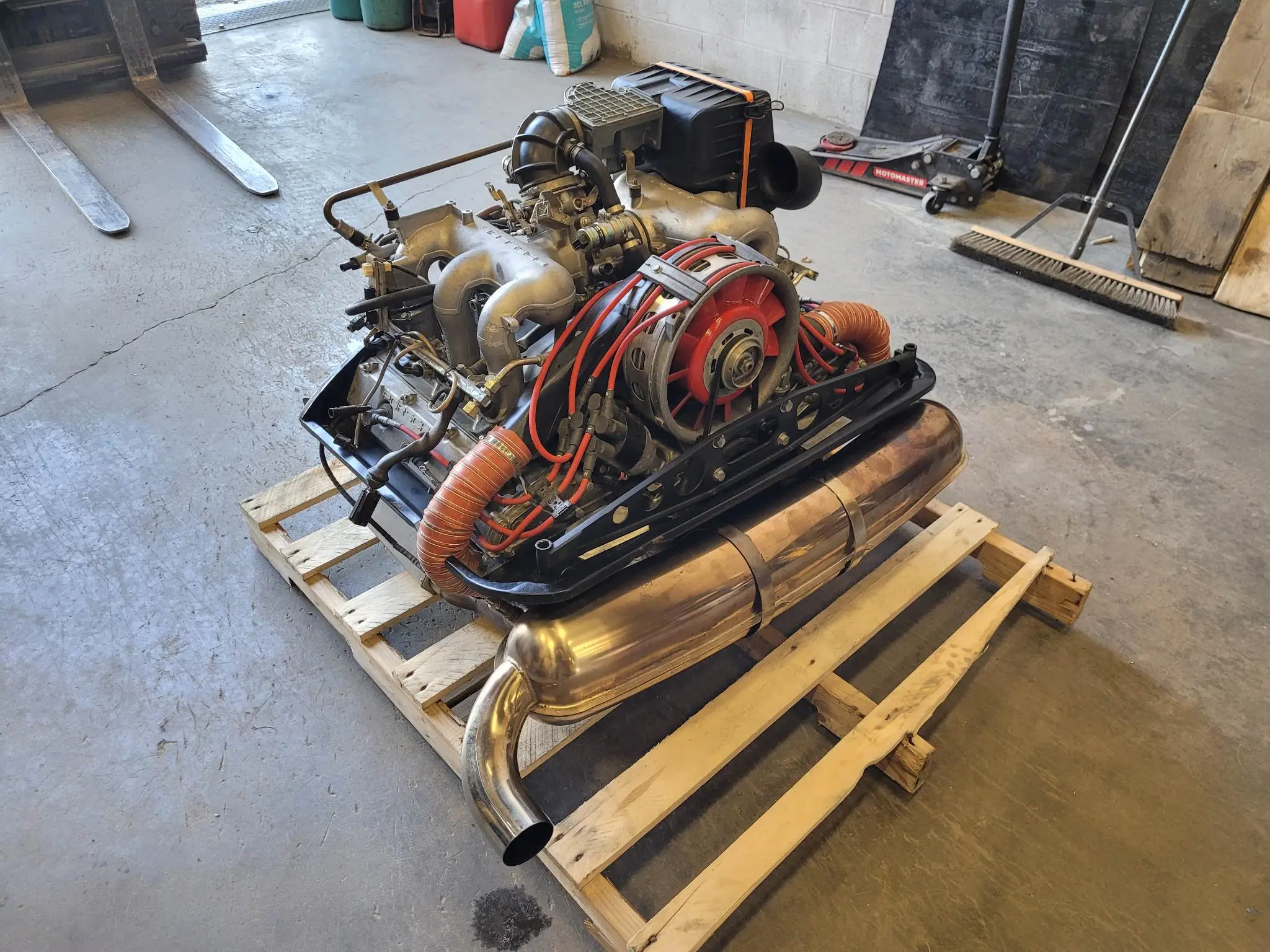
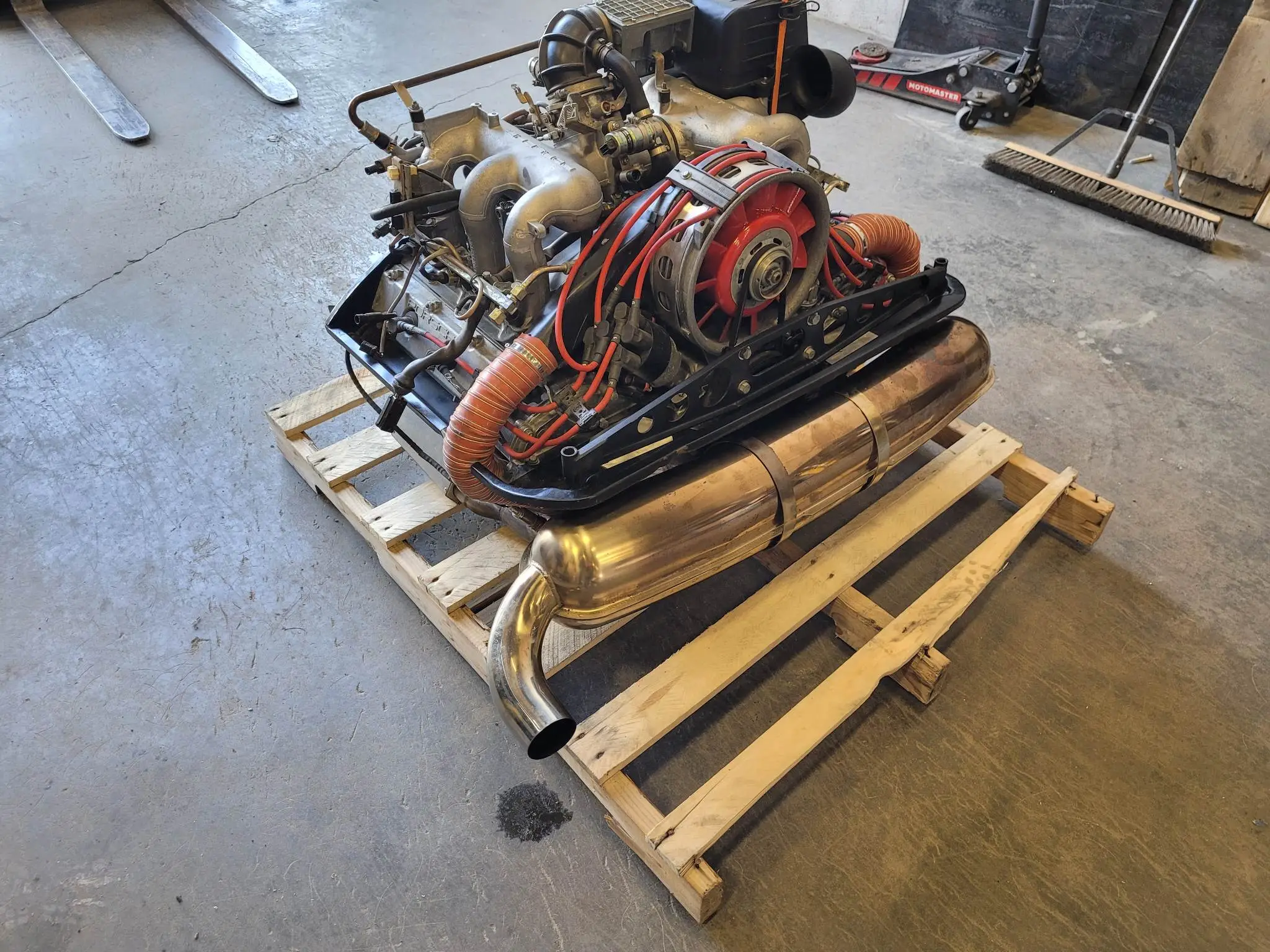
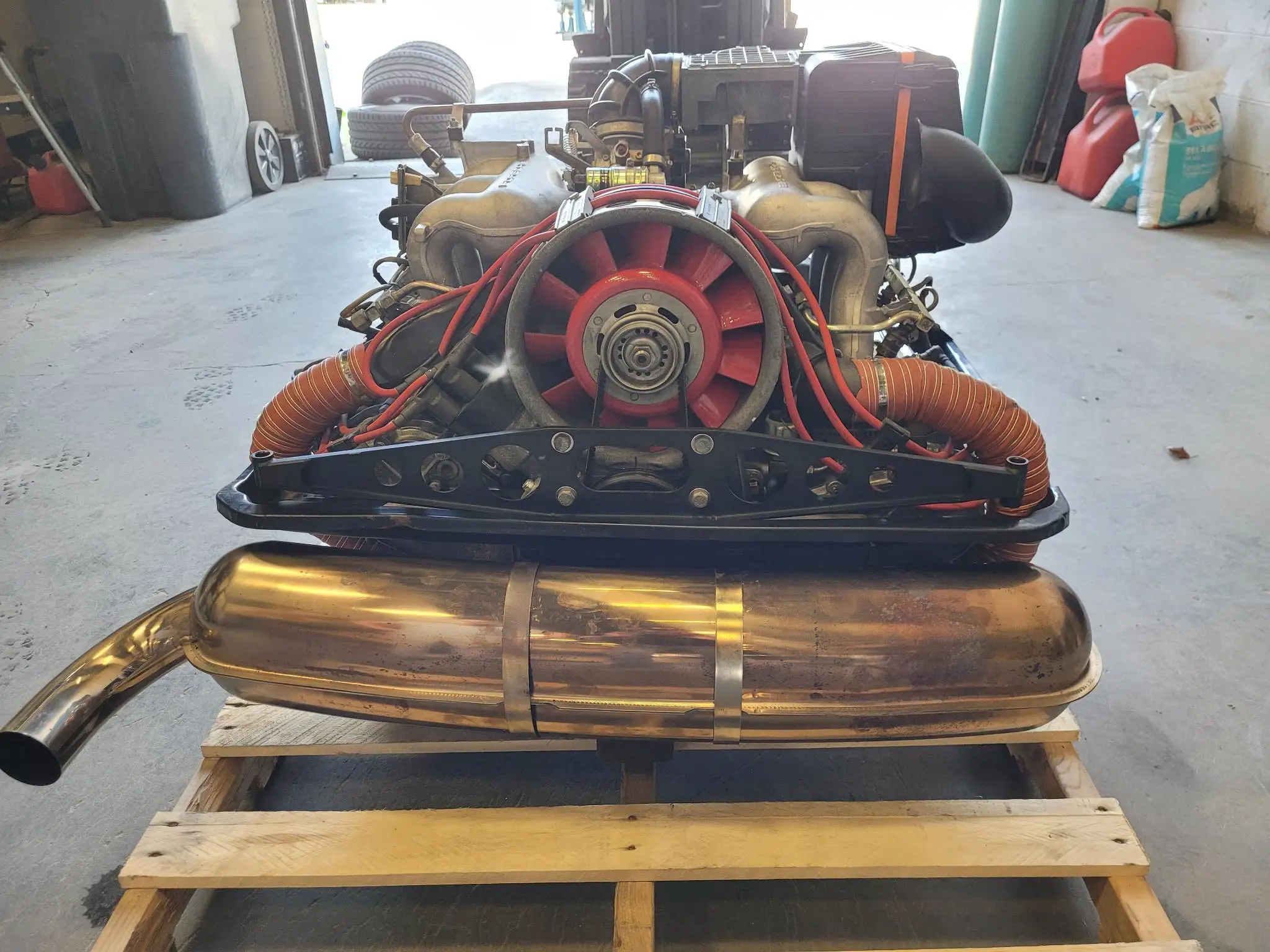
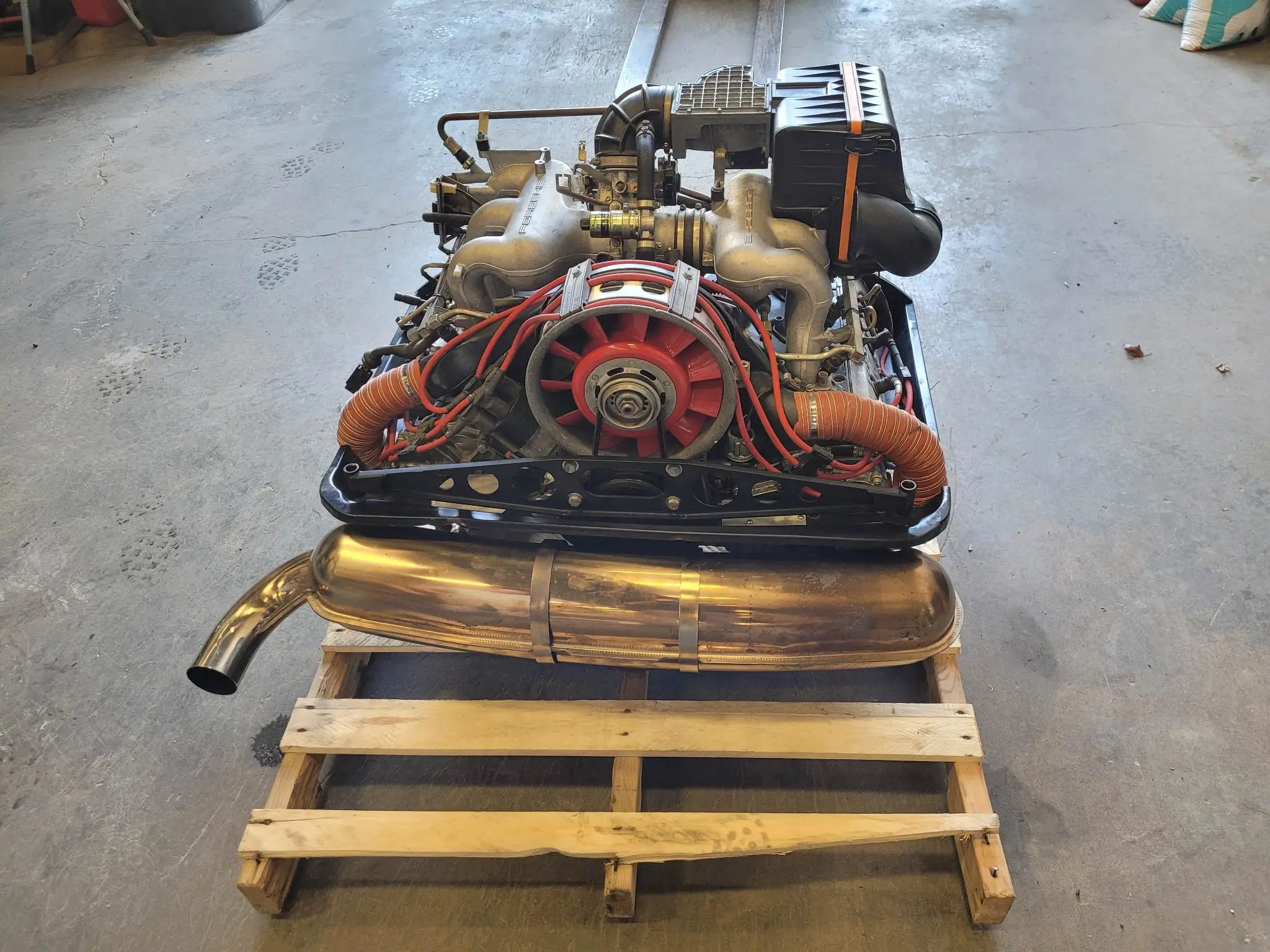
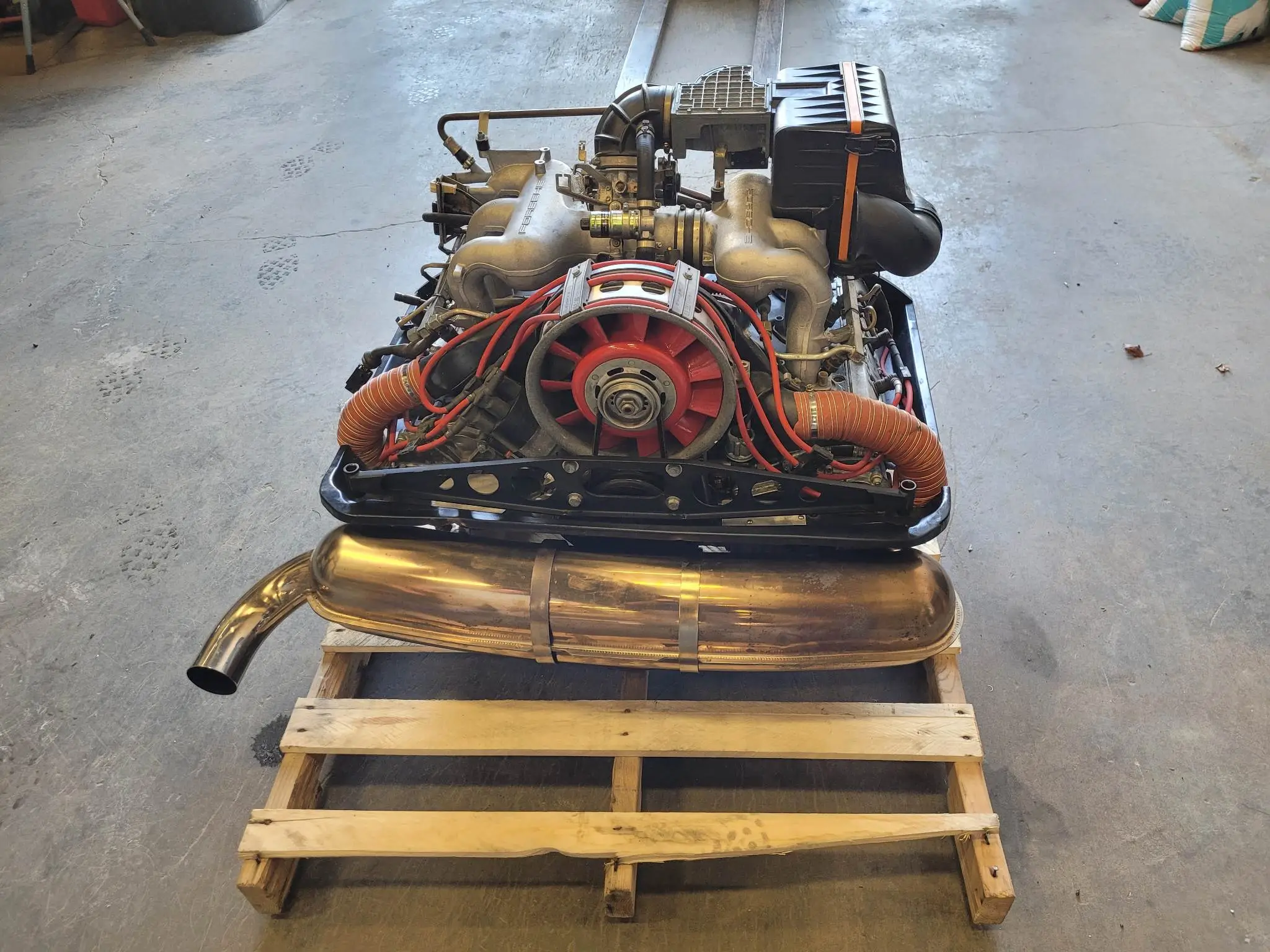
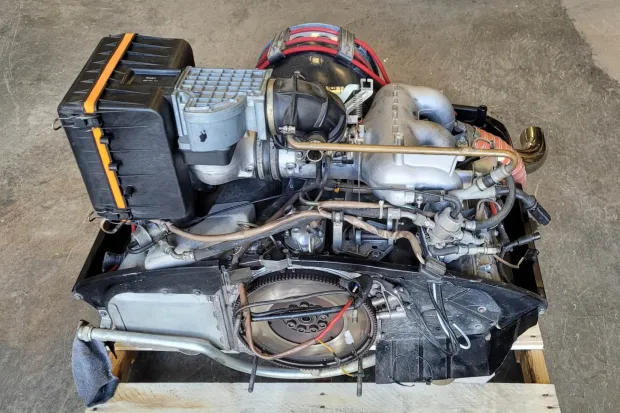
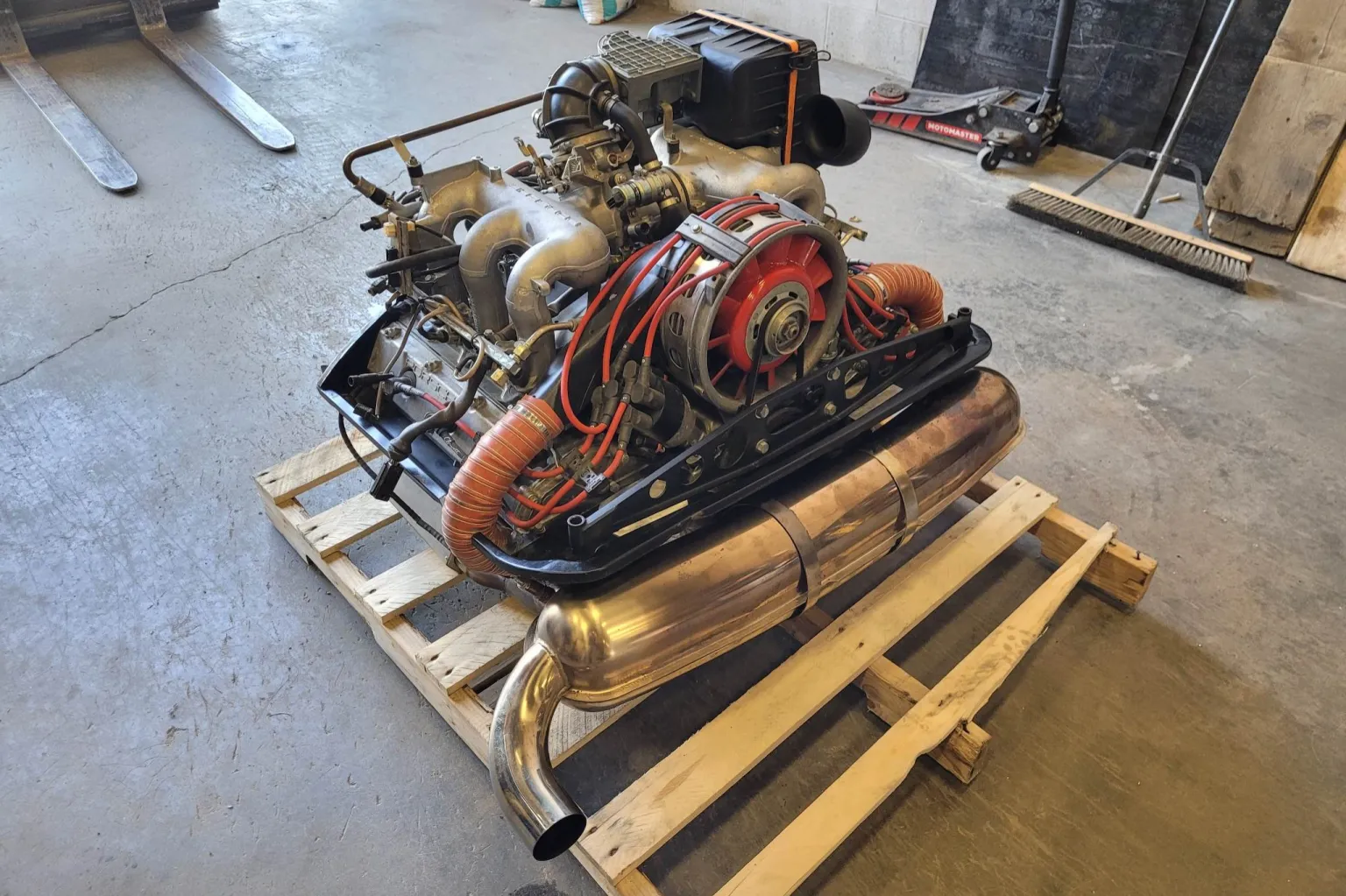
Porsche 911 Type 930/25 Engine Listing Analysis
The Type 930/25 engine is the quintessential “bulletproof” heart of the late-era G-Body Porsche 911 Carrera (1987–1989). In 2026, these engines are highly prized for their reliability and the classic air-cooled soundtrack, often serving as the primary choice for “backdate” projects or high-end restorations.
1. Technical Profile: Type 930/25
The 930/25 was specifically the US/Canada/Japan variant of the 3.2L Carrera engine, optimized for lower emissions.
-
Displacement: 3.2 Liters ($3164\text{cc}$)
-
Compression Ratio: $9.5:1$ (Lower than the European 930/20 to accommodate lower octane fuel and catalytic converters).
-
Power Output: Originally rated at 217 hp and 195 lb-ft of torque.
-
Fuel Management: Bosch Motronic (DME). This was a revolutionary “digital” step for Porsche, integrating both fuel injection and ignition control into a single ECU.
Listing Details
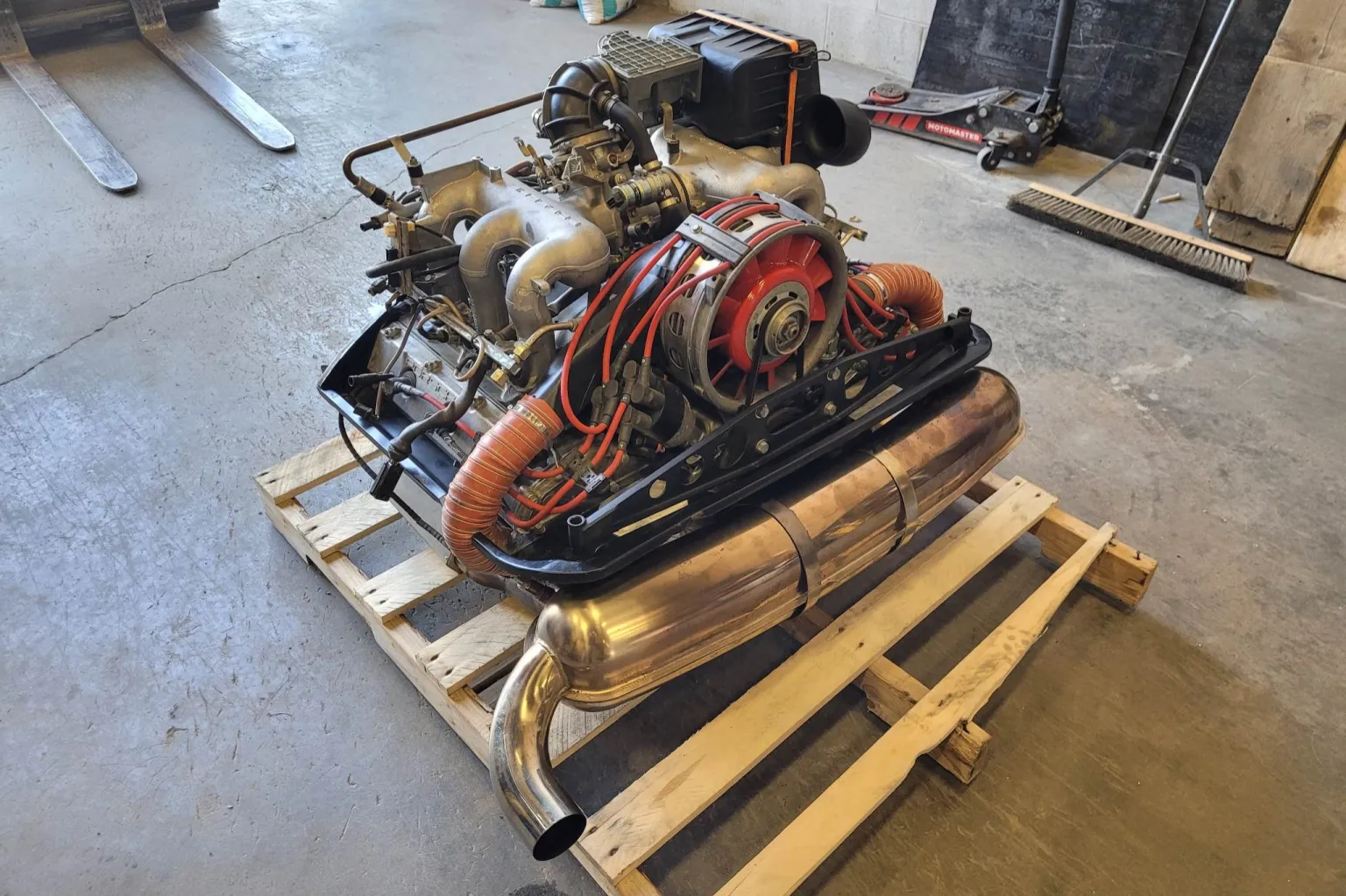
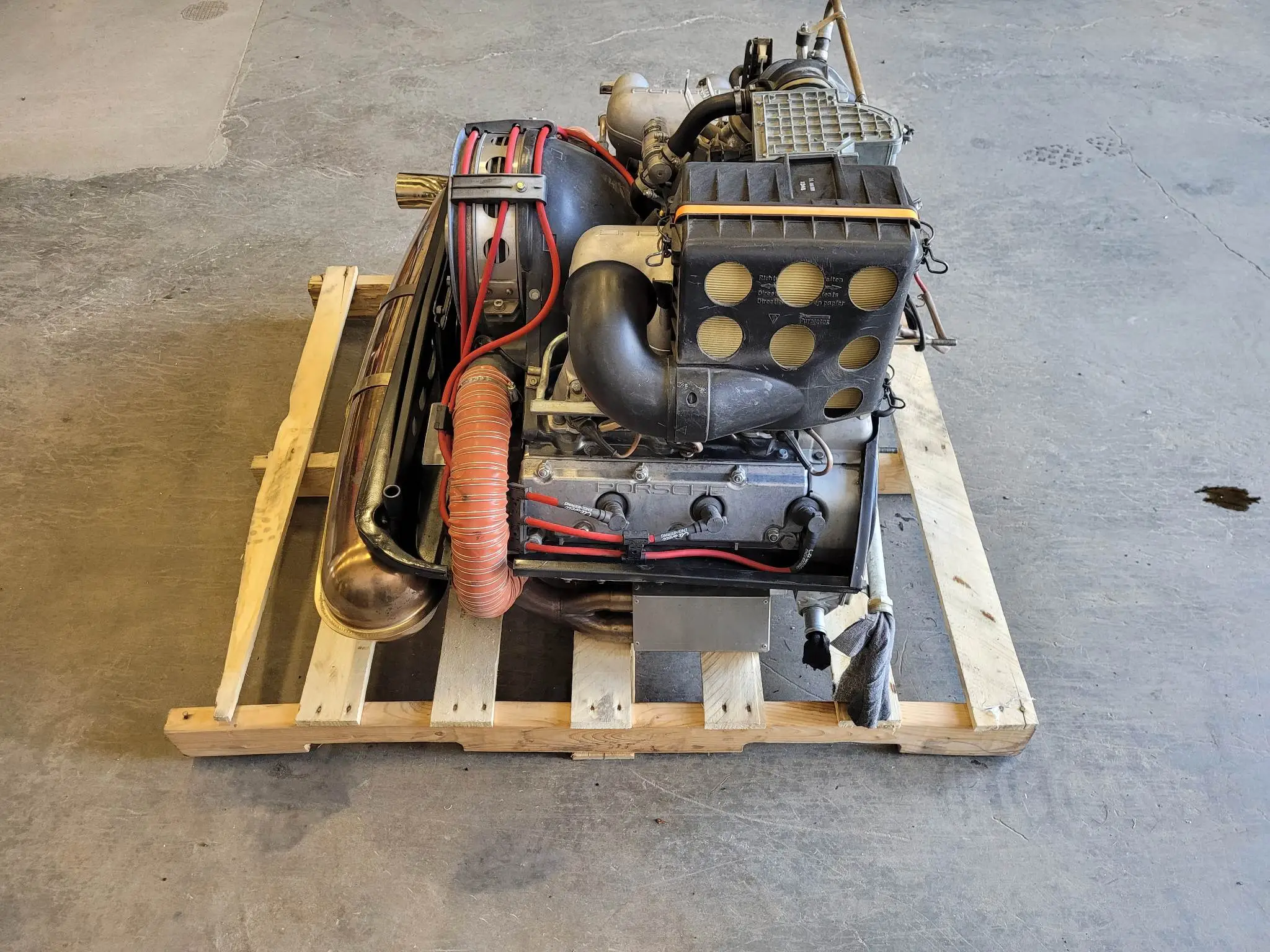
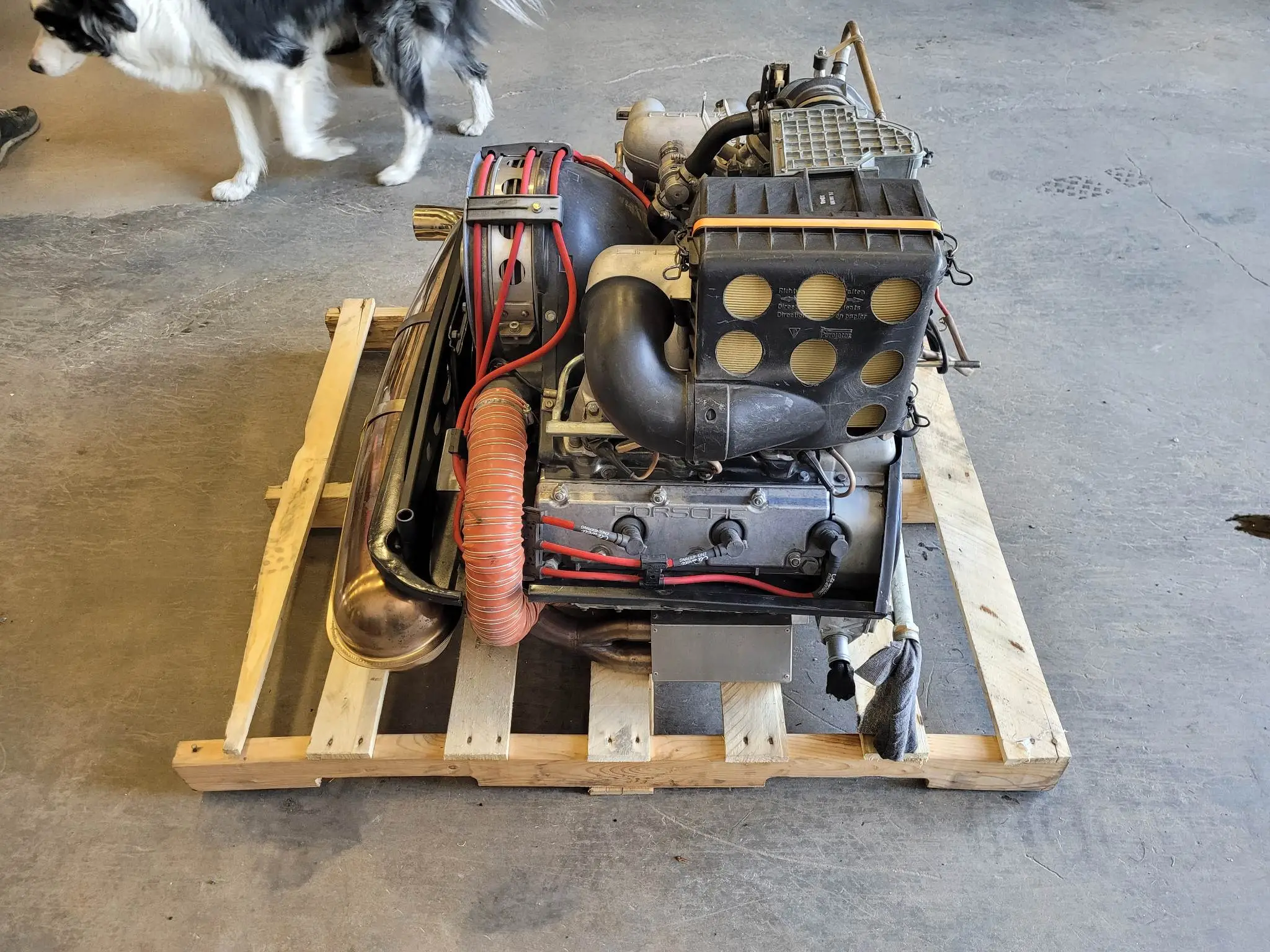
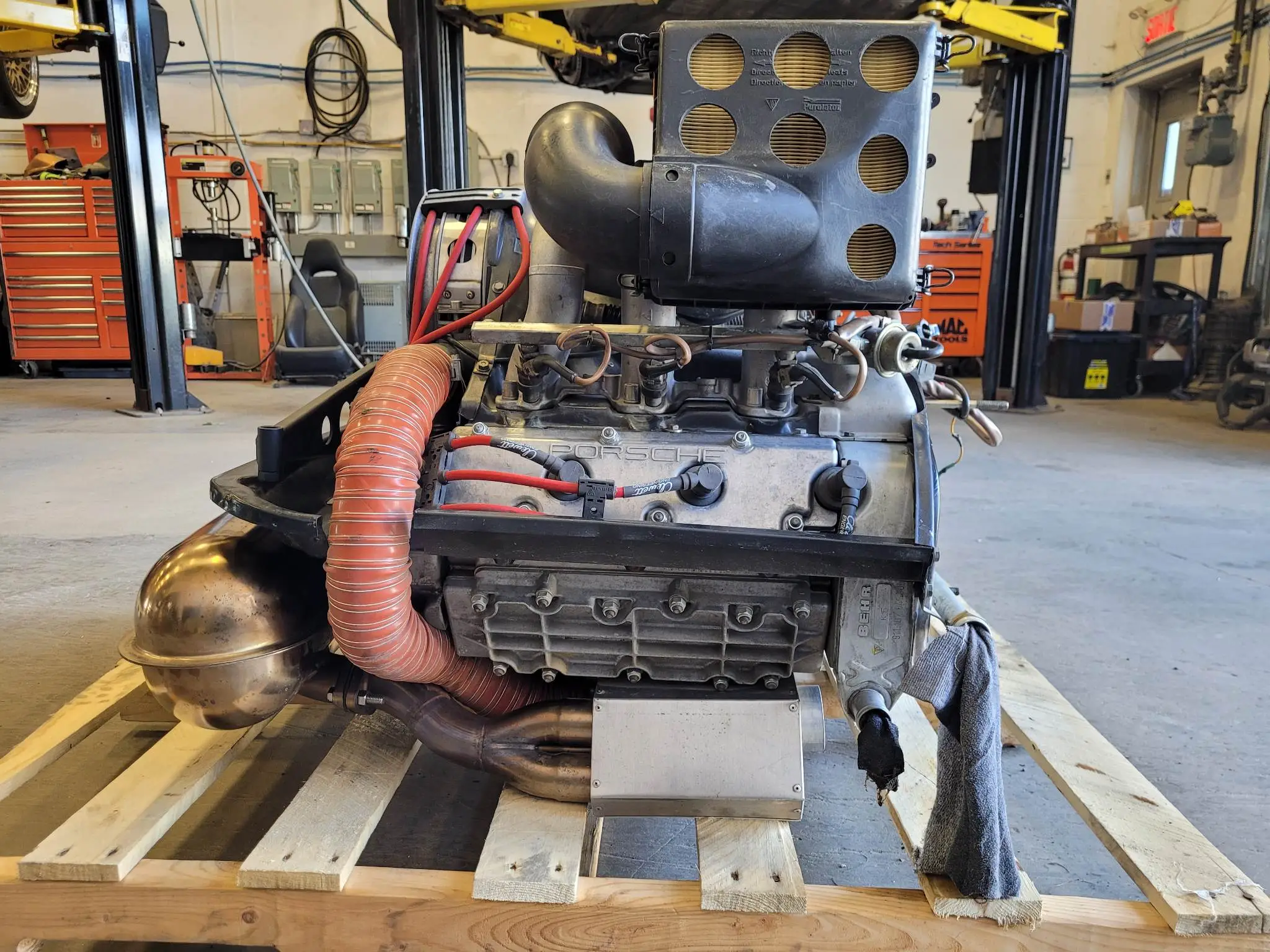
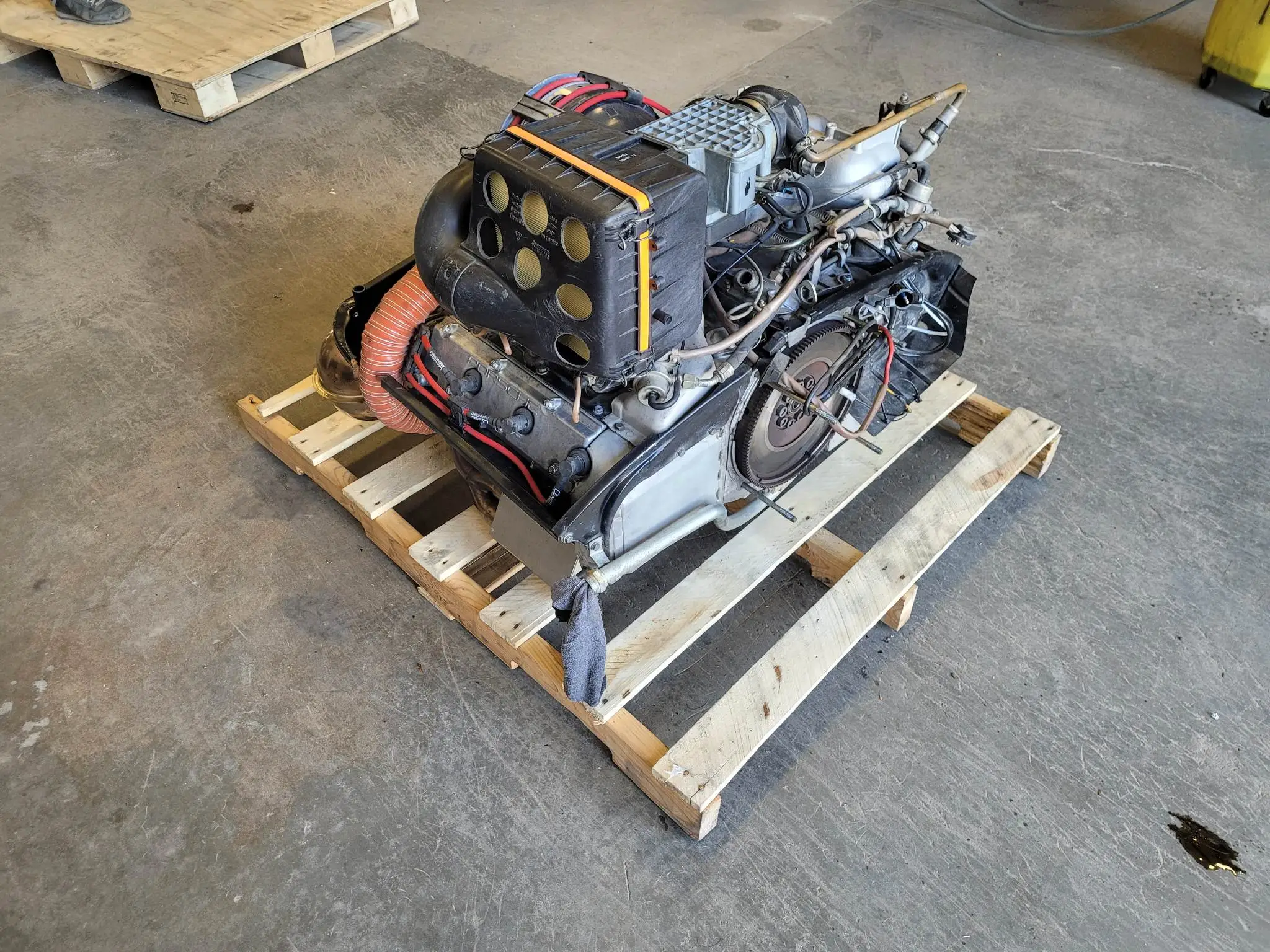
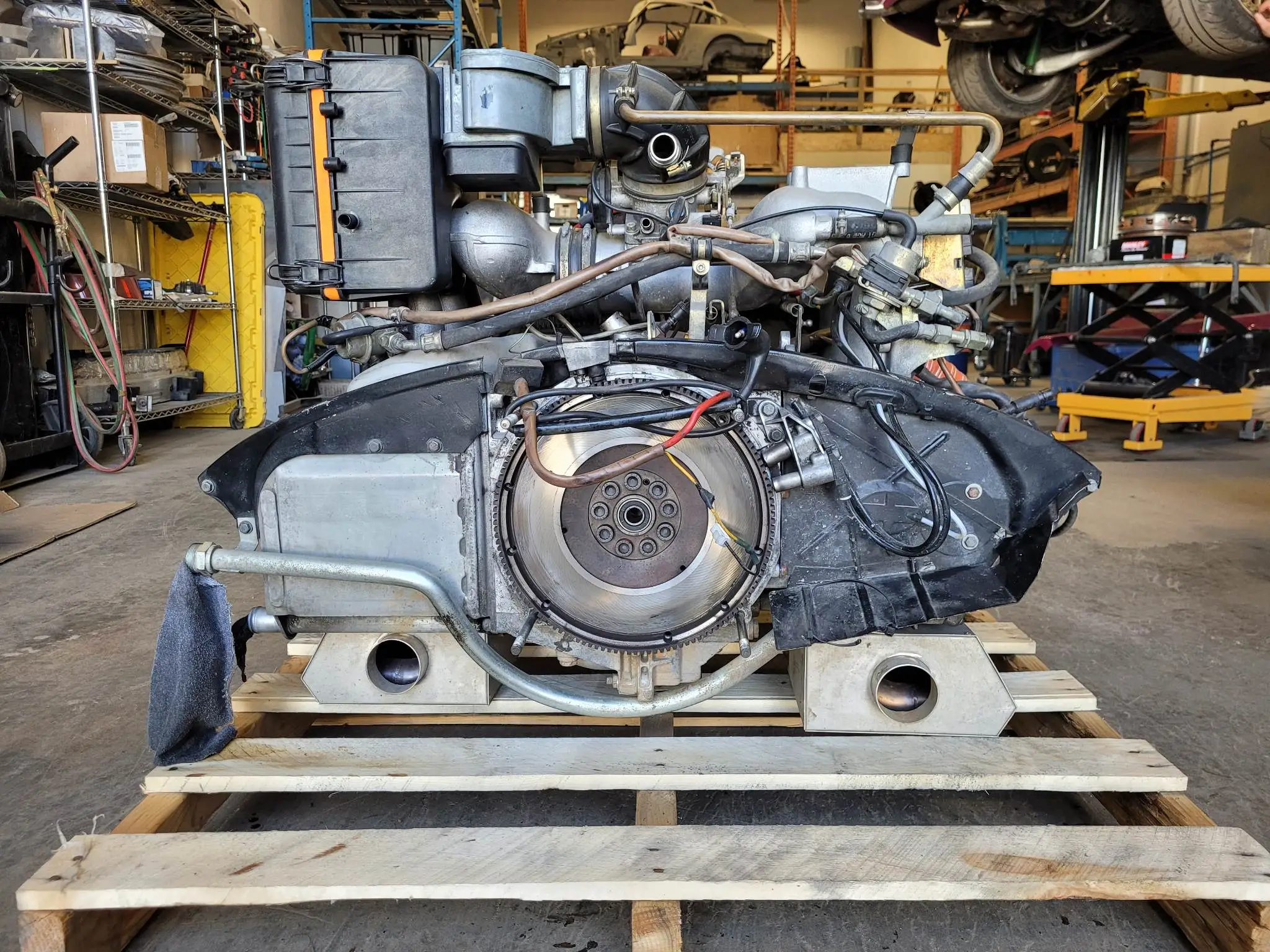
- Porsche 911 Type 930/25 Engine
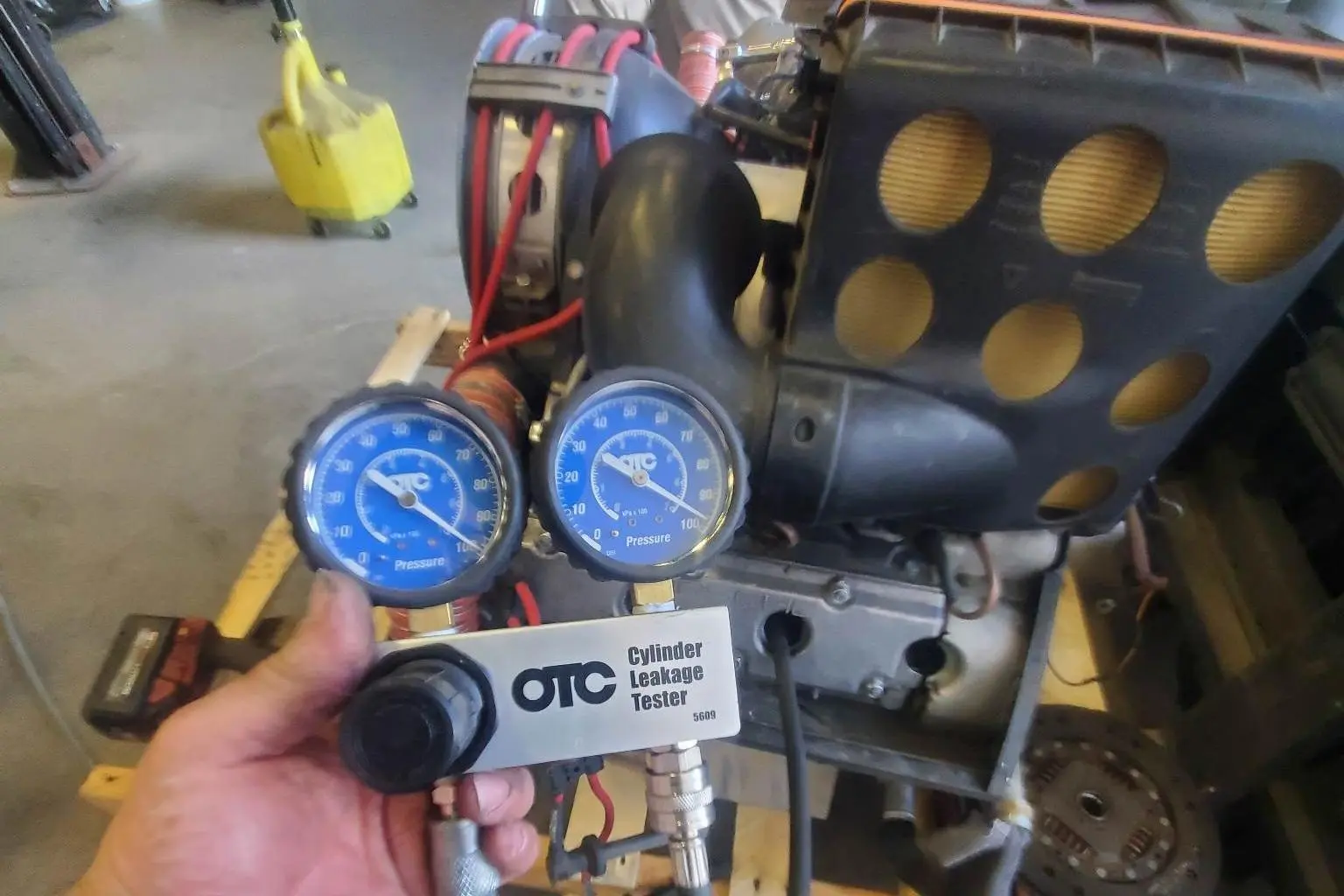
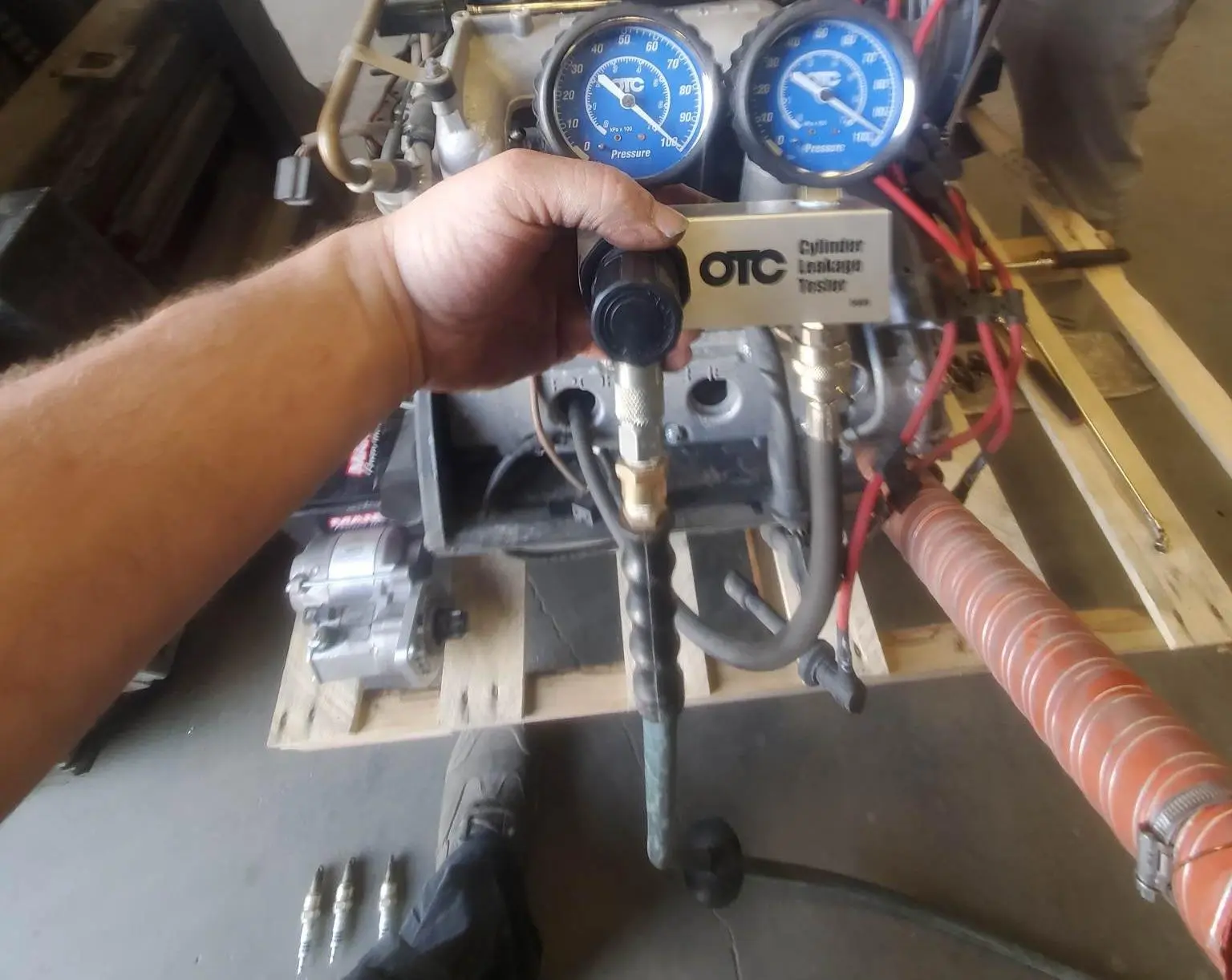
- Refurbished 3.2L Flat-Six
- Electronic Ignition Components
- Bosch Fuel Injection Components
- Cooling Fan & Shroud
- Alternator
- Airbox
- Heat Exchangers
- Muffler
- Engine Tin
2. 2026 Market Valuation (Estimated USD)
By 2026, “refurbished” status carries a heavy premium, as most unrestored 3.2L engines have reached the point of requiring top-end rebuilds (valve guides/seats).
3. Listing Breakdown & Component Details
To maximize value in a 2026 listing, these specific included items should be highlighted:
-
Bosch Motronic Components: Includes the critical Air Flow Meter (AFM) and the fuel rail. In 2026, a “refurbished” listing should specify if the AFM has been calibrated or if the fuel injectors were ultrasonic cleaned.
-
Cooling Fan & Shroud: The 11-blade fan should be checked for “wobble” or cracks. For a 930/25, the shroud is typically black.
-
Engine Tin: Essential for proper cooling. If the tin is missing or bent, the engine will overheat. In a refurbished sale, these are usually freshly powder-coated.
-
Heat Exchangers & Muffler: These are often the first things to rust. Stainless steel upgrades (like SSI) significantly boost the resale value of the package.
-
Electronic Ignition: This refers to the distributor and the DME sensors (Speed and Reference sensors). A refurbished engine should have brand-new sensors, as they are a common 3.2L failure point.
4. 2026 “Refurbished” Standards
In the current market, a “refurbished” 3.2L engine should ideally have had the following addressed:
-
Valve Guides: The original 3.2L guides were notoriously soft. A 2026 refurbishment should utilize bronze or upgraded alloy guides.
-
Head Studs: While not as problematic as the 2.7L, the Dilavar studs can still snap. Most top-tier refurbishments replace these with steel or ARP studs.
-
DME Relay: This is the “soul” of the 3.2L. Including a solid-state DME relay in the sale is a common 2026 value-add.
Reviews
There are no reviews yet.