
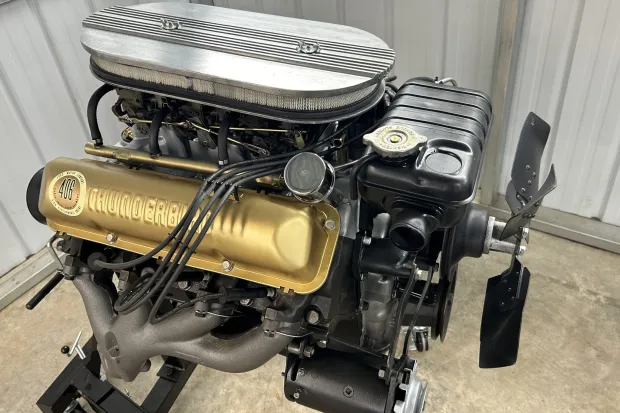
Ford 406 FE V8 Engine
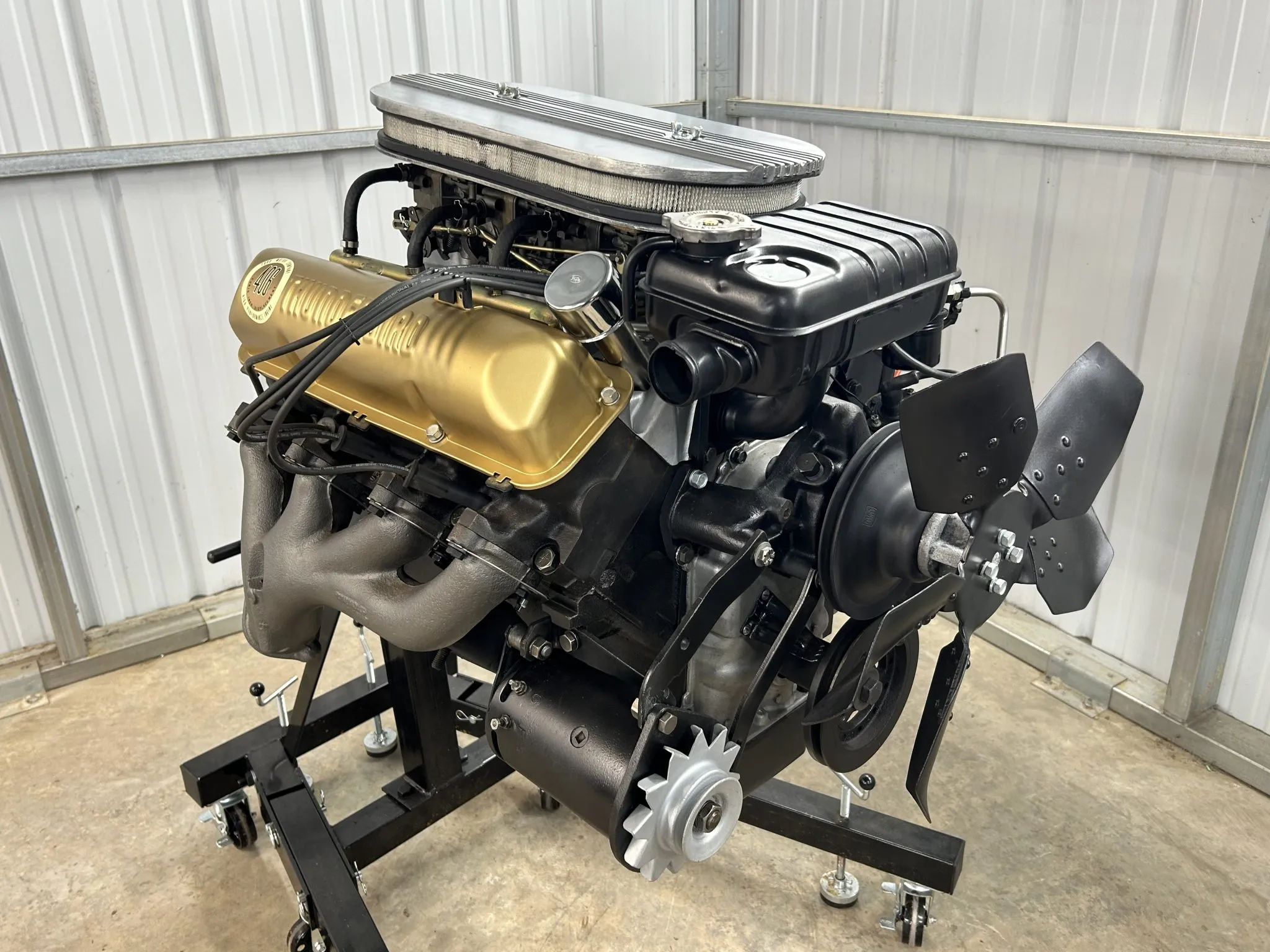
The Ford 406 FE (Ford-Edsel) V8 is a legendary “bridge” engine. Produced only between 1962 and early 1963, it was Ford’s primary weapon in the horsepower wars before the iconic 427 arrived.
In 2026, the 406 is a rare prize for Galaxie and Monterey collectors, often preferred by purists who want a “Super High-Performance” period-correct engine without the astronomical price tag of a Side-Oiler 427.
1. Technical Specifications
2. 2026 Power Levels & Configurations
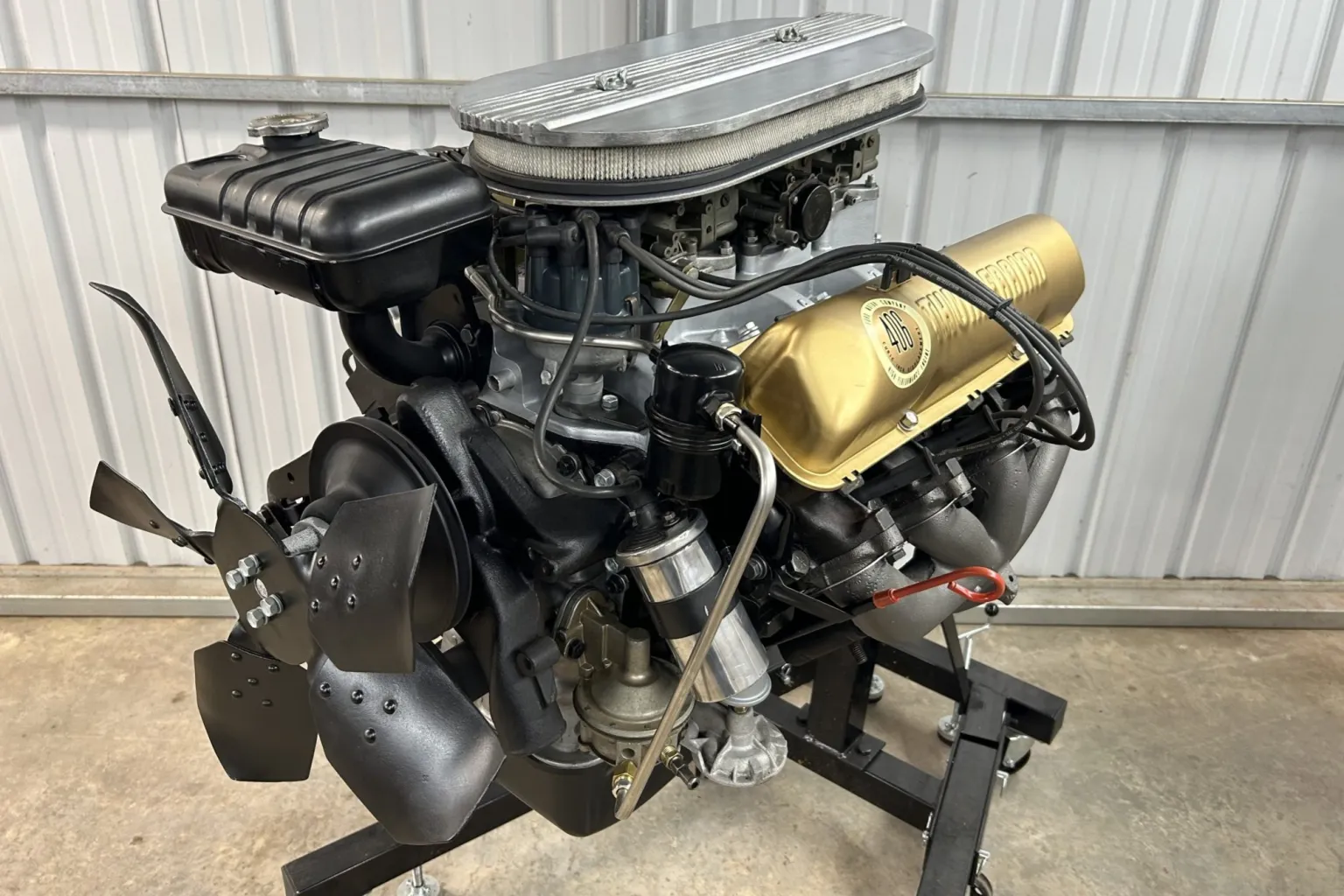
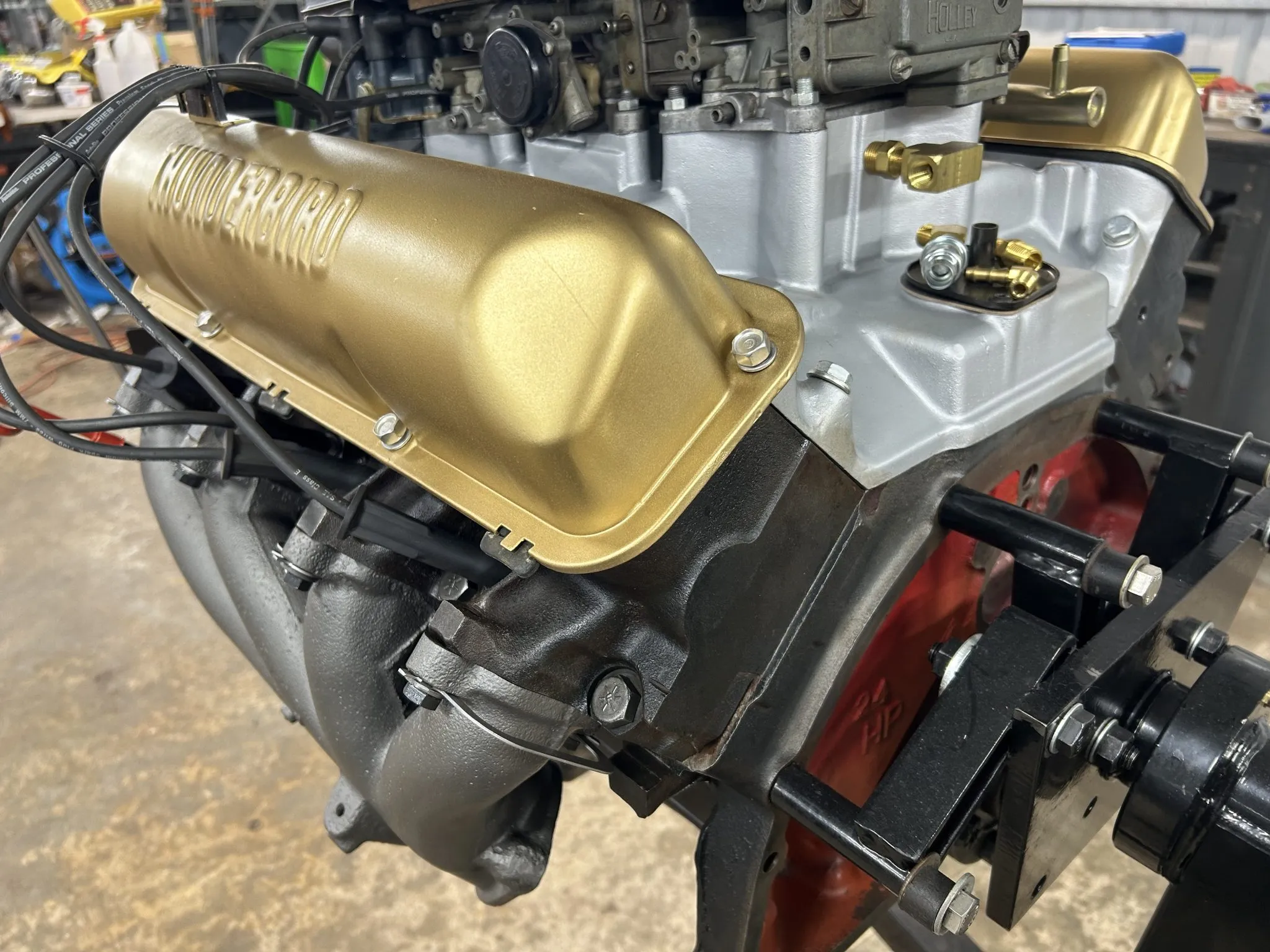
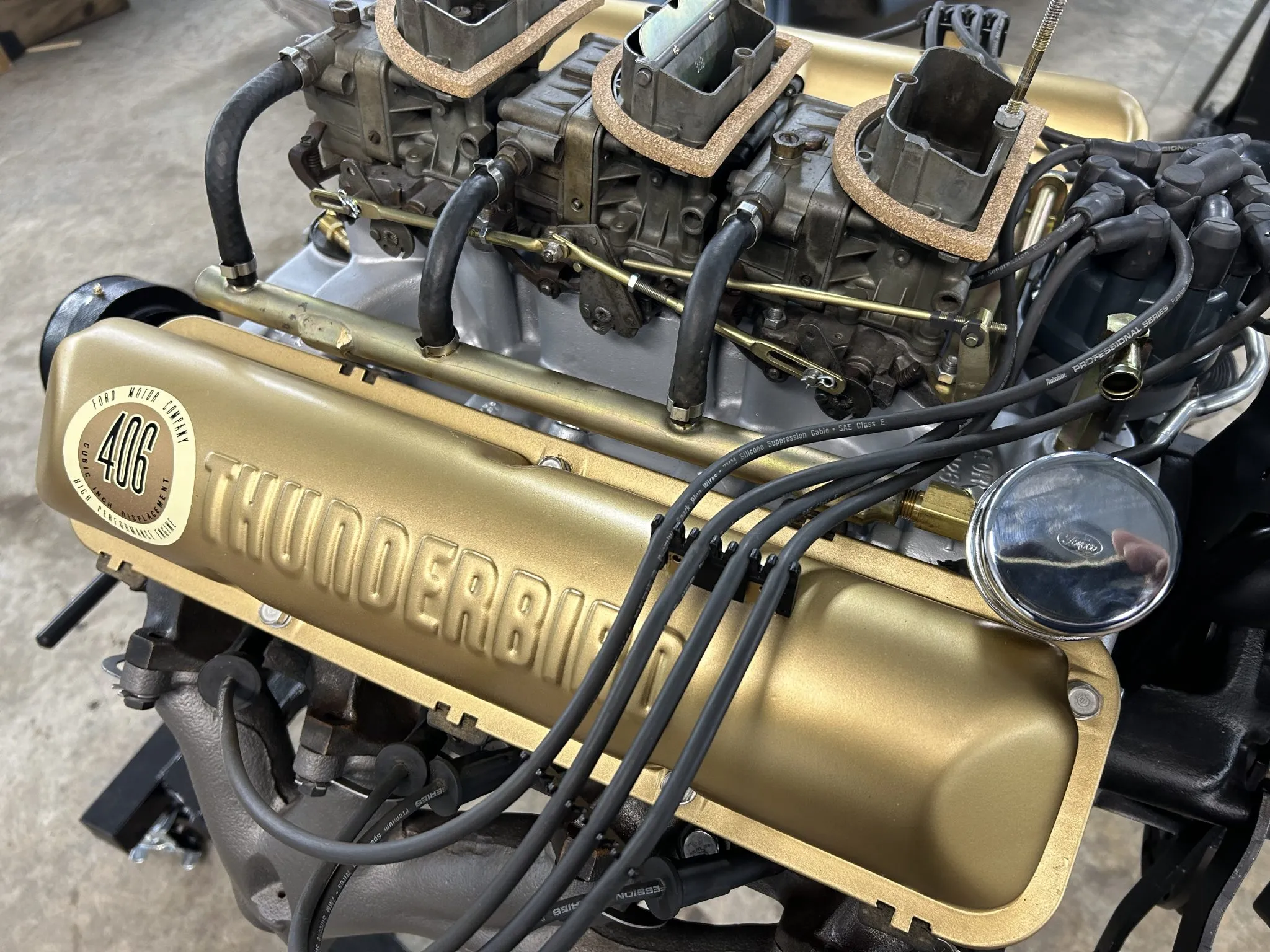
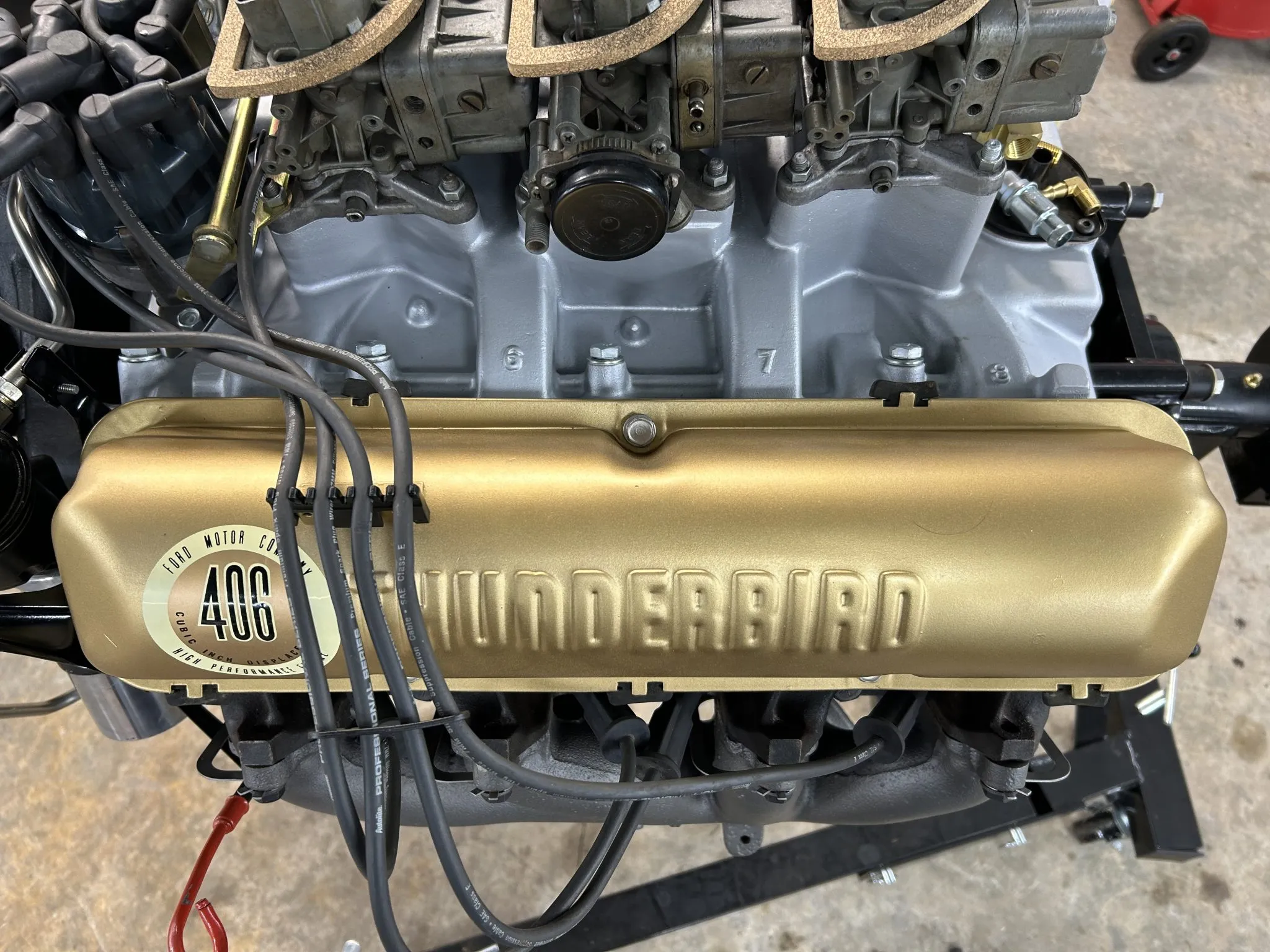
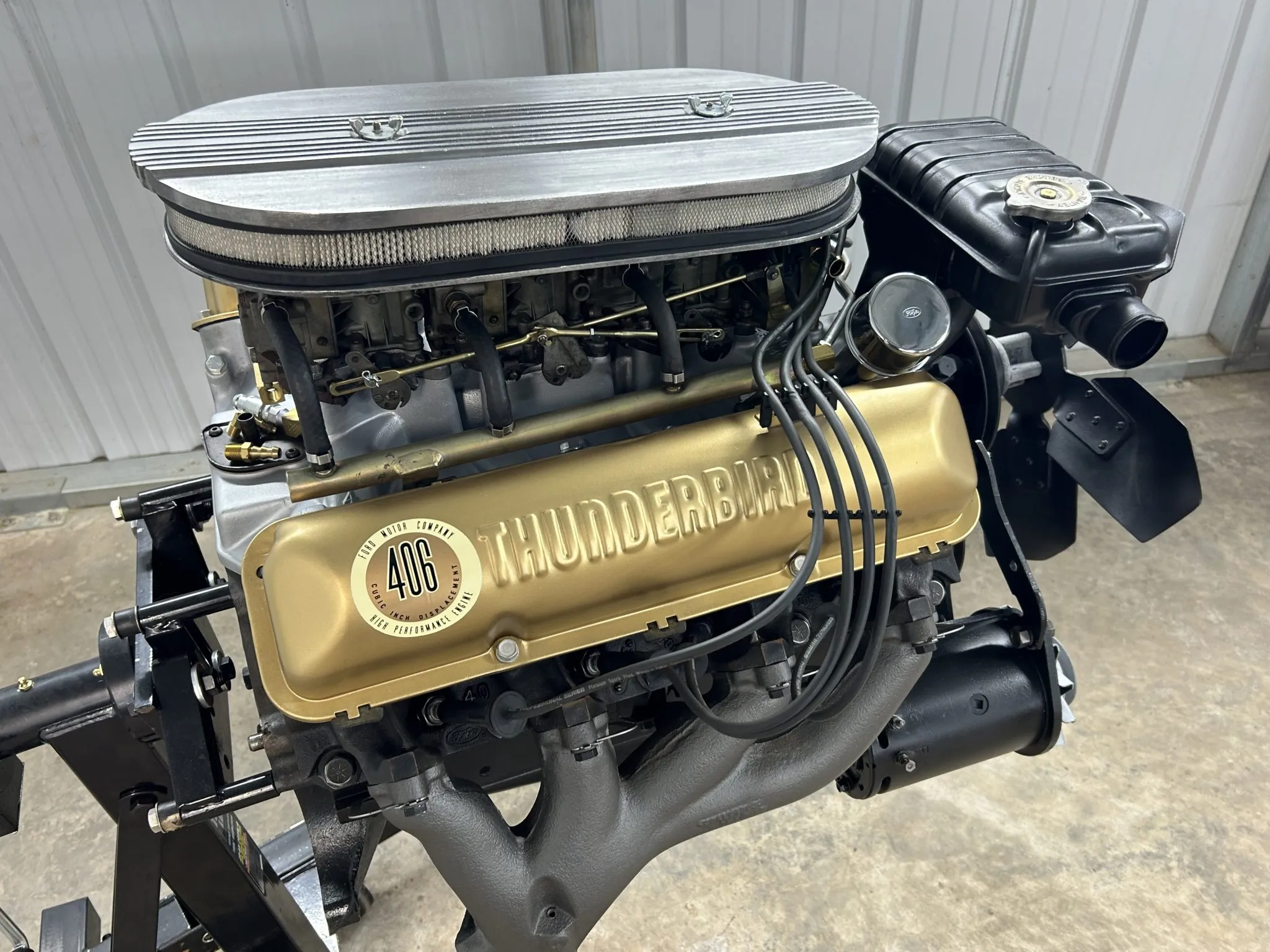
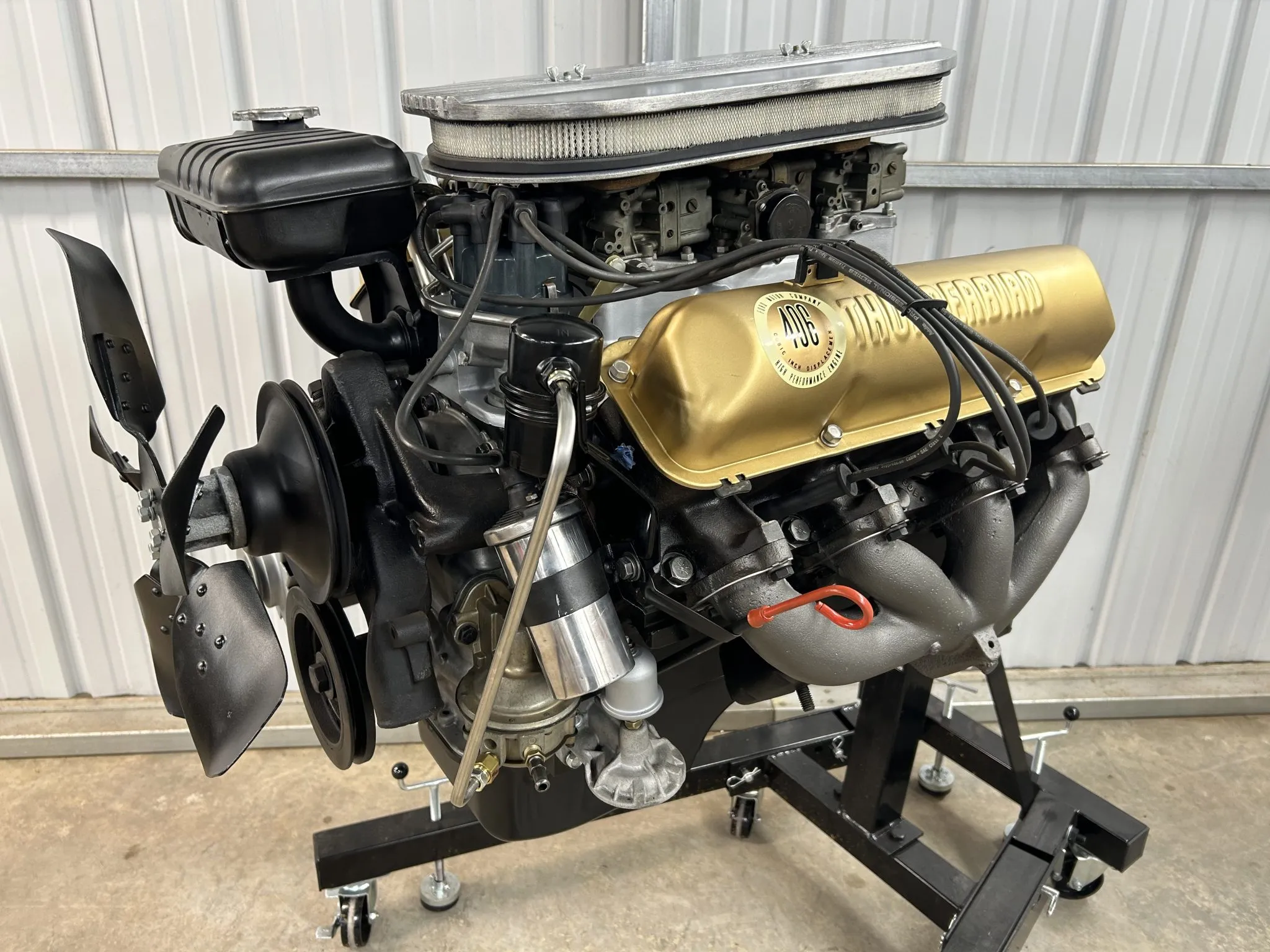
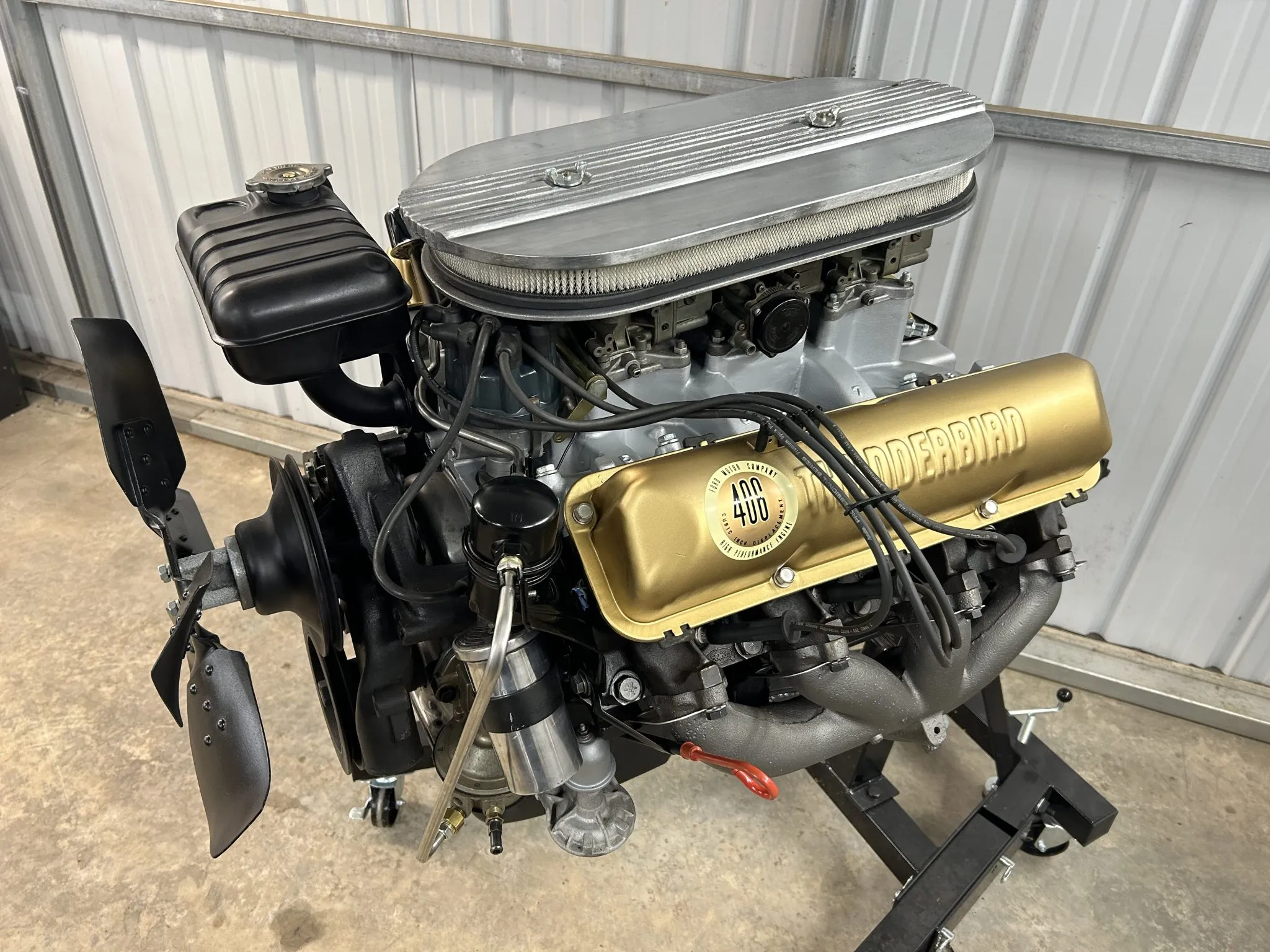
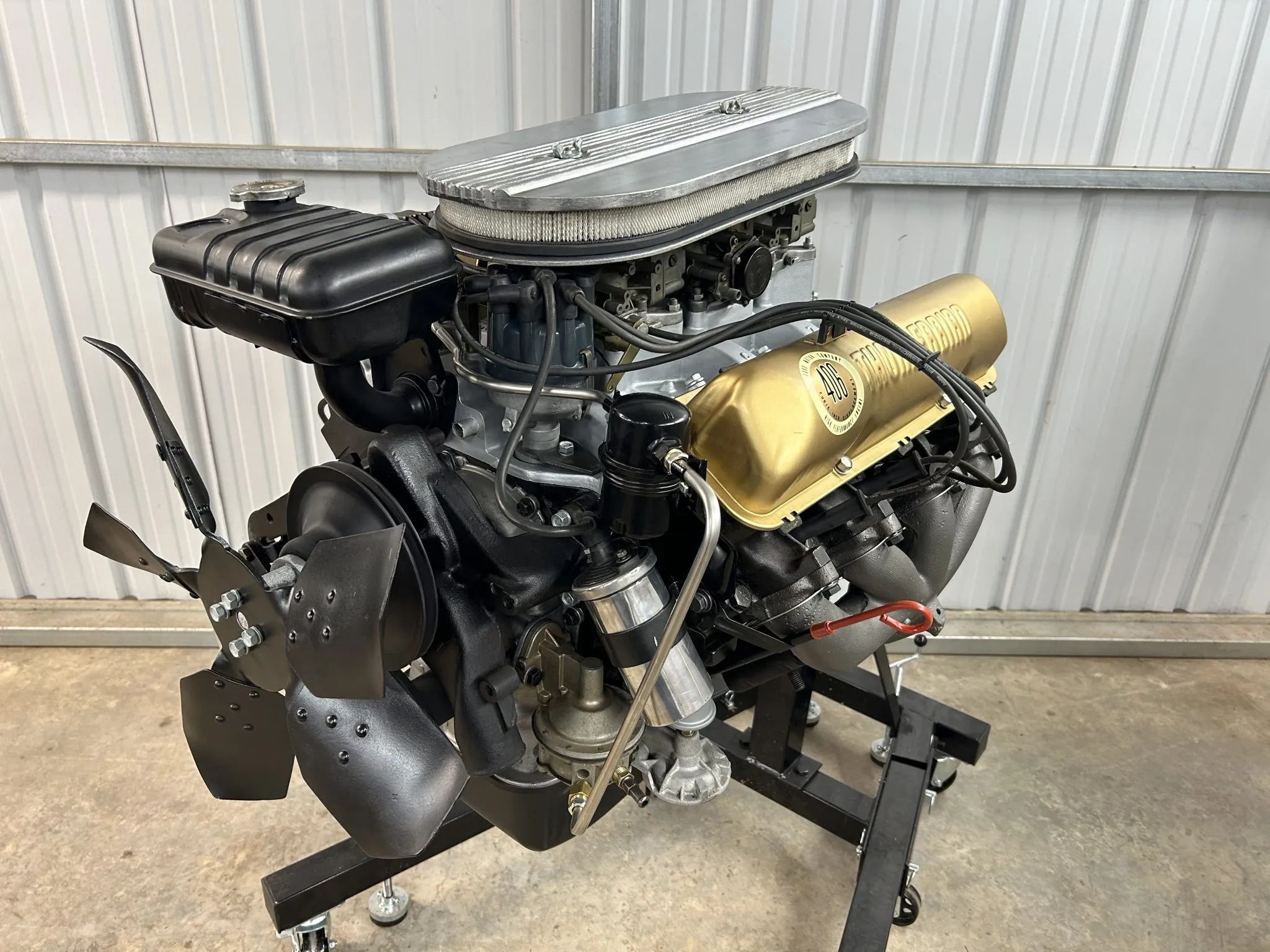
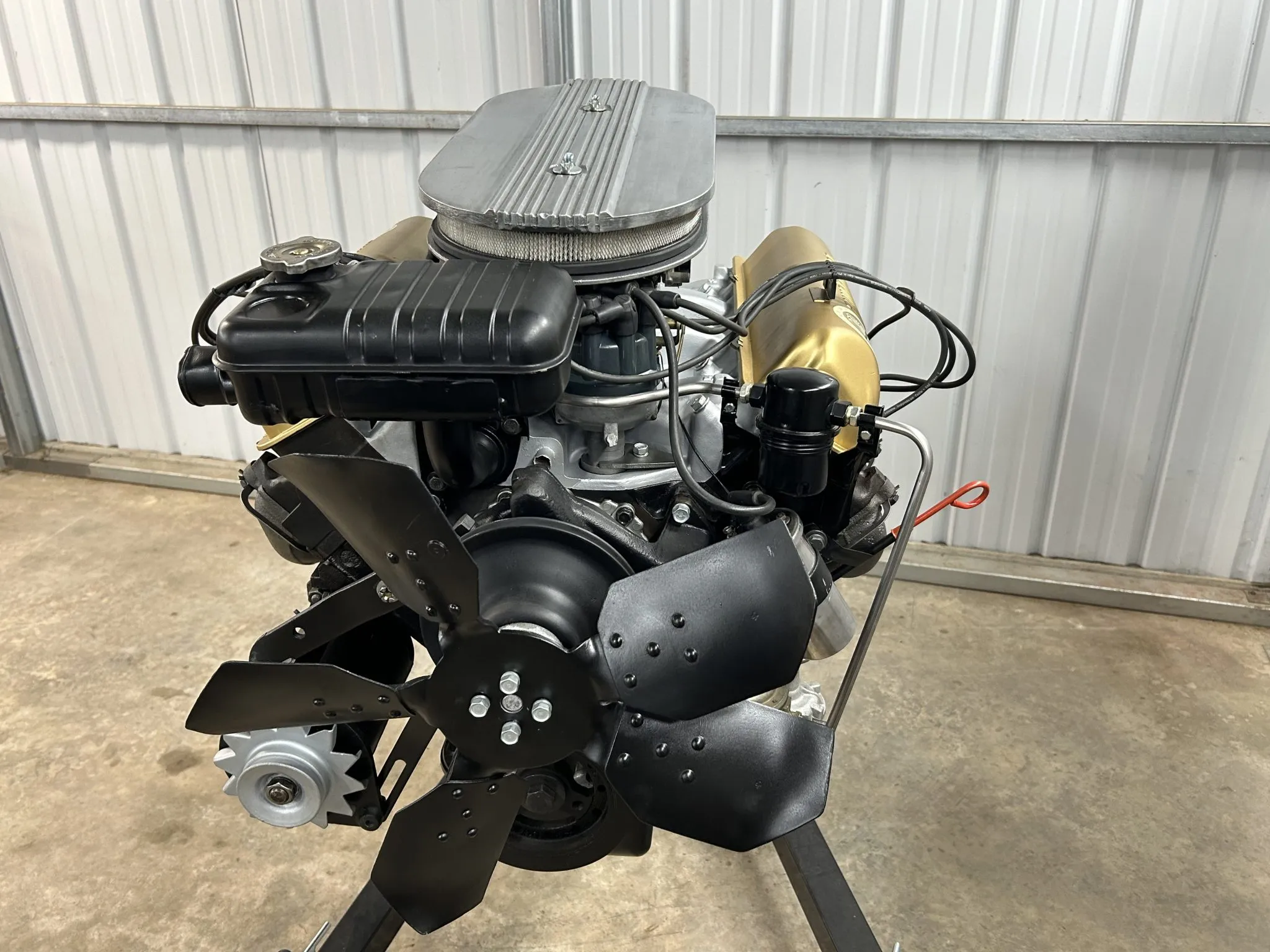
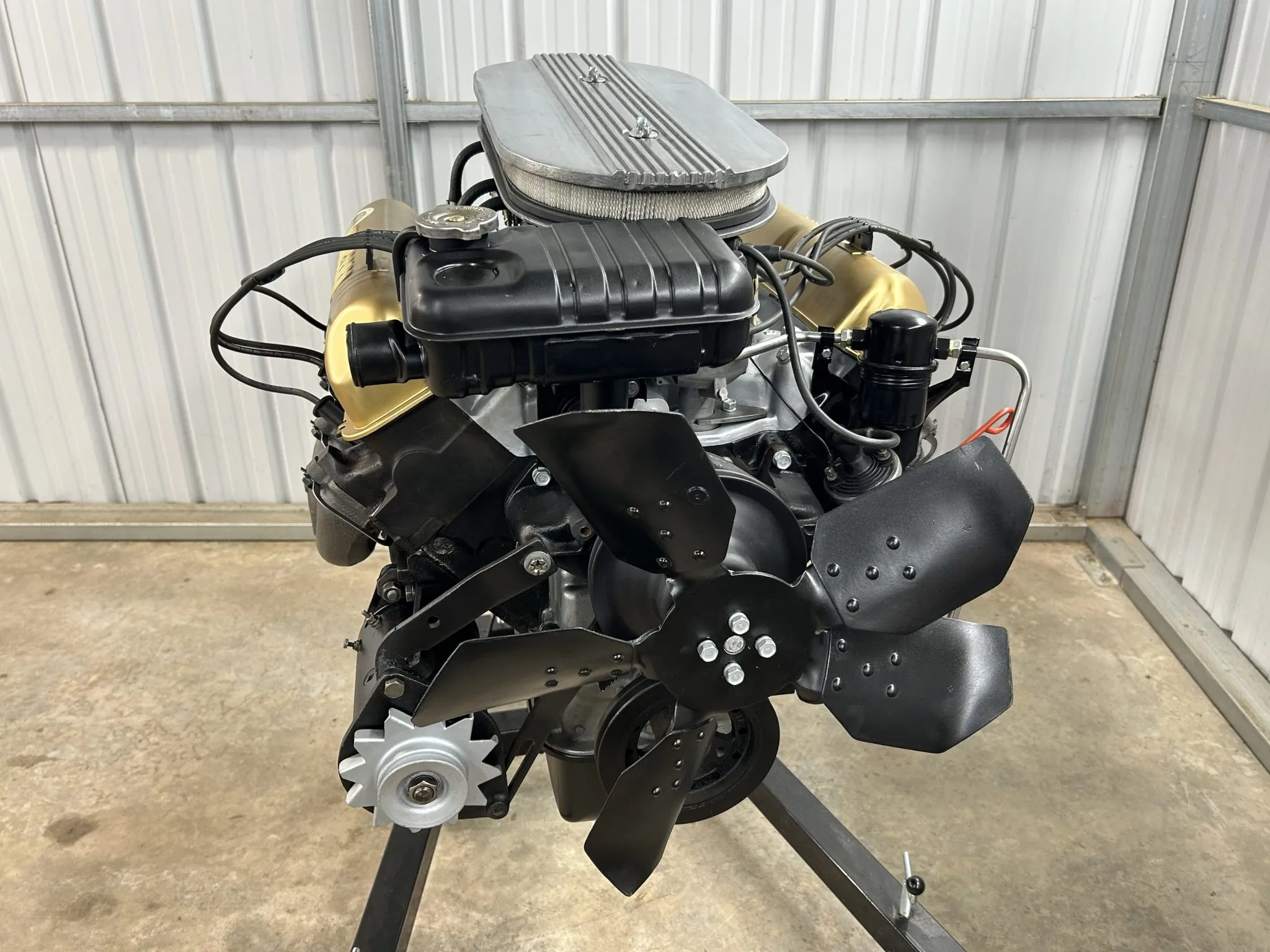
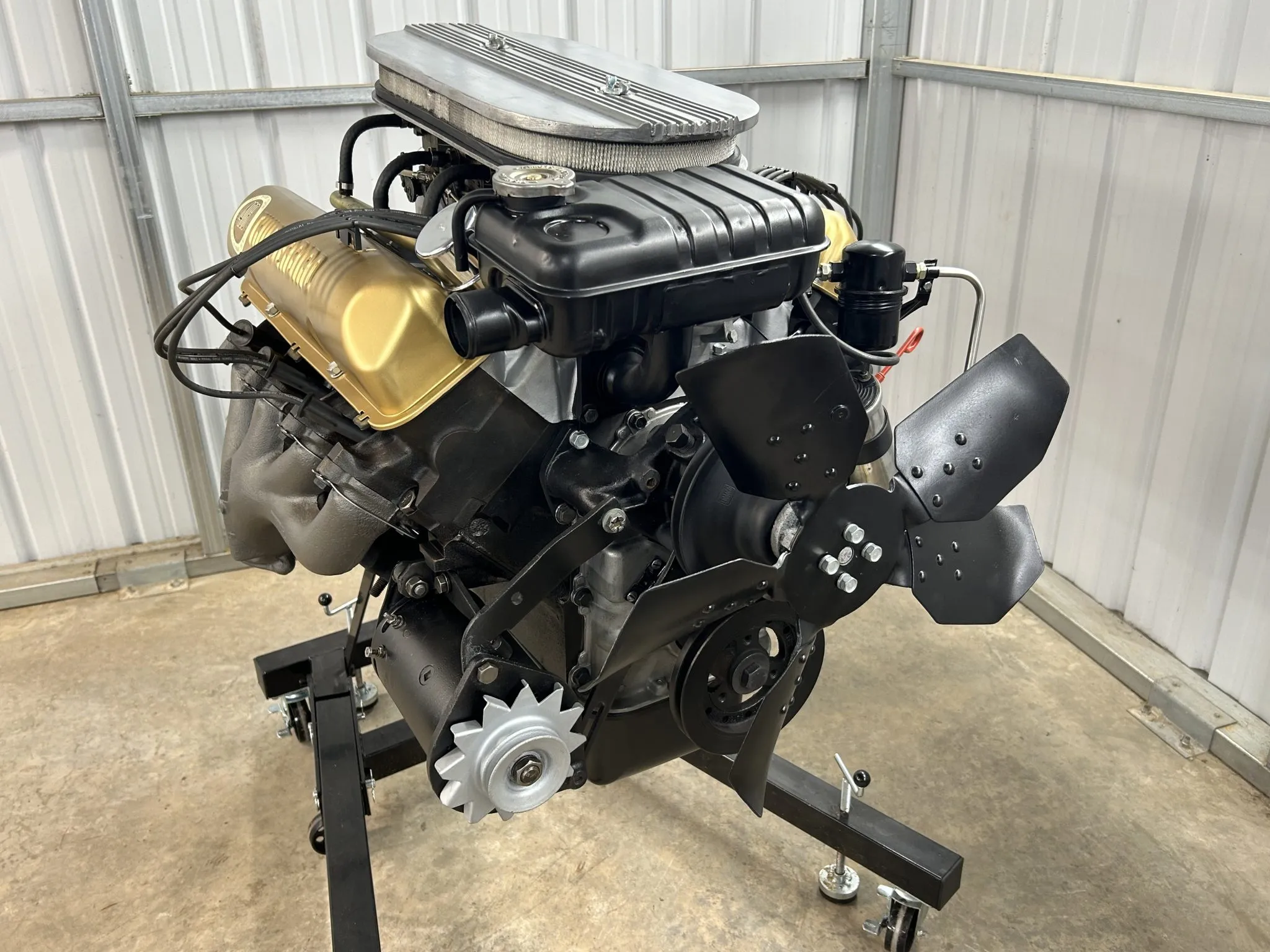
The 406 was famously offered in two distinct setups, identified by their gold-painted valve covers:
-
“B-Code” 4-Barrel: Rated at 385 hp. This used a single Holley 4-barrel carburetor.
-
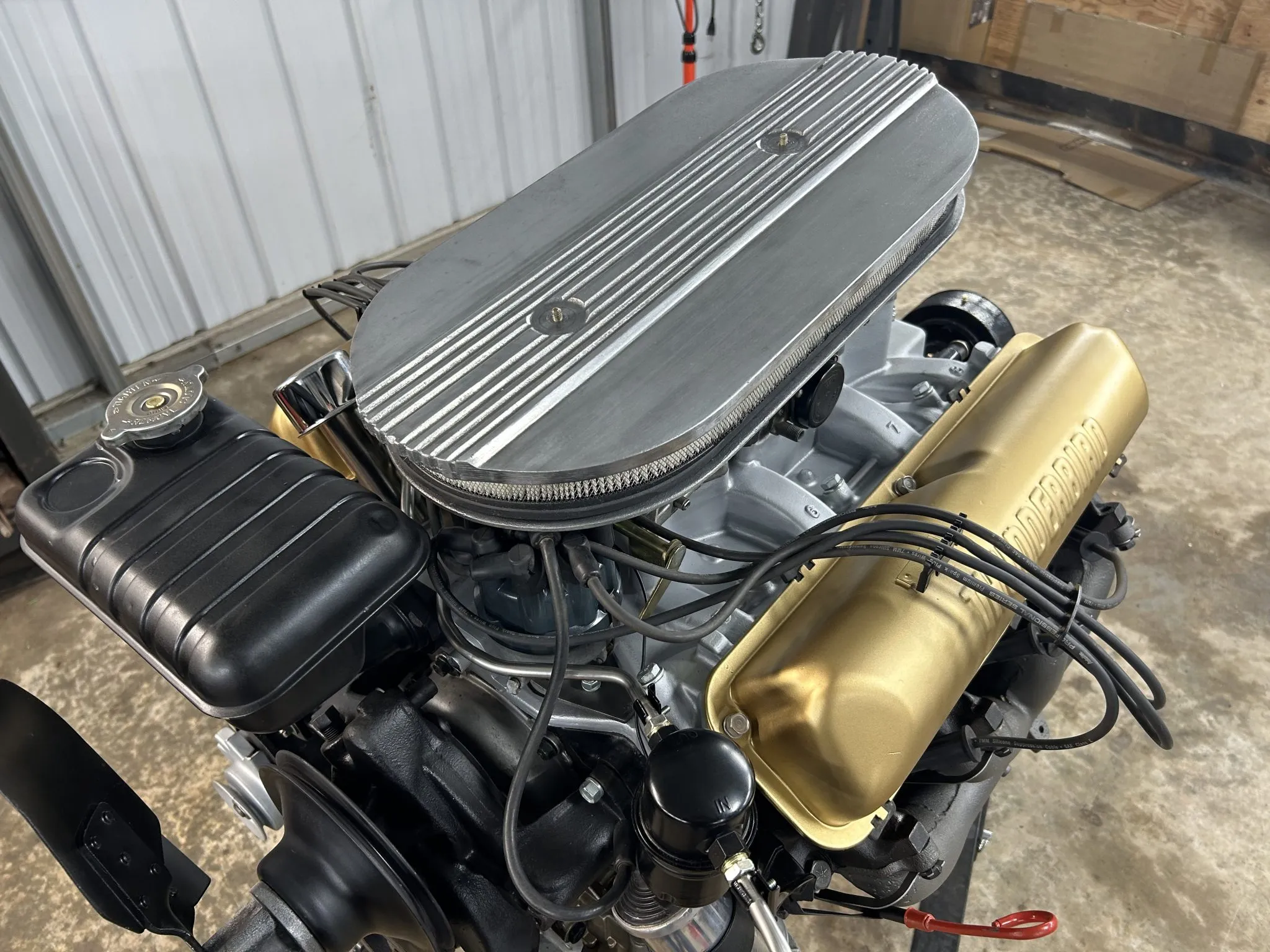
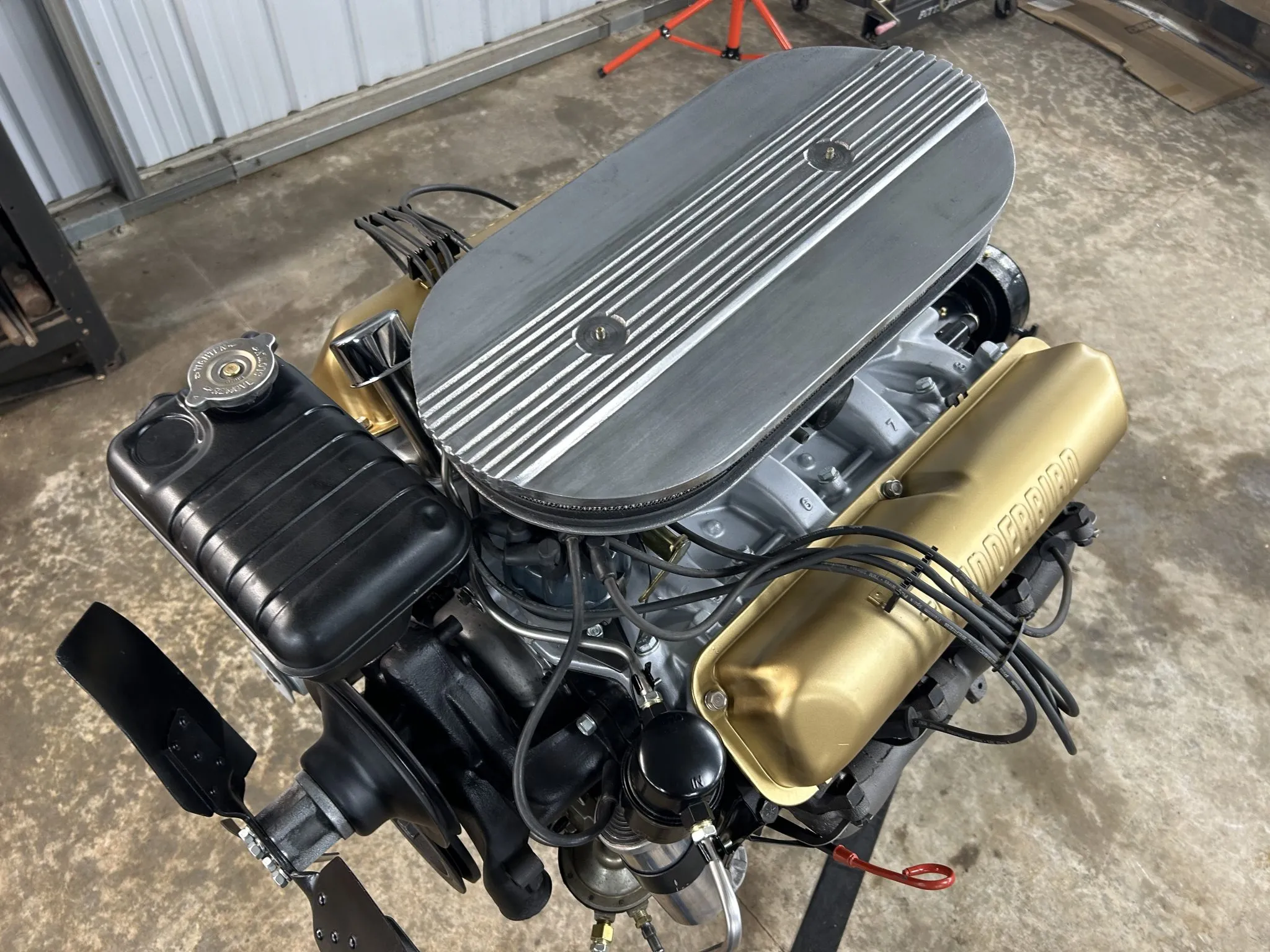
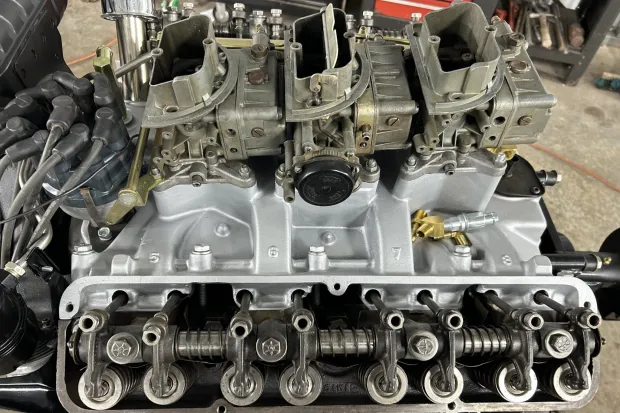
“G-Code” Tri-Power: Rated at 405 hp. This featured three Holley 2-barrel carburetors and is the version most coveted by collectors today.
3.Listing Details
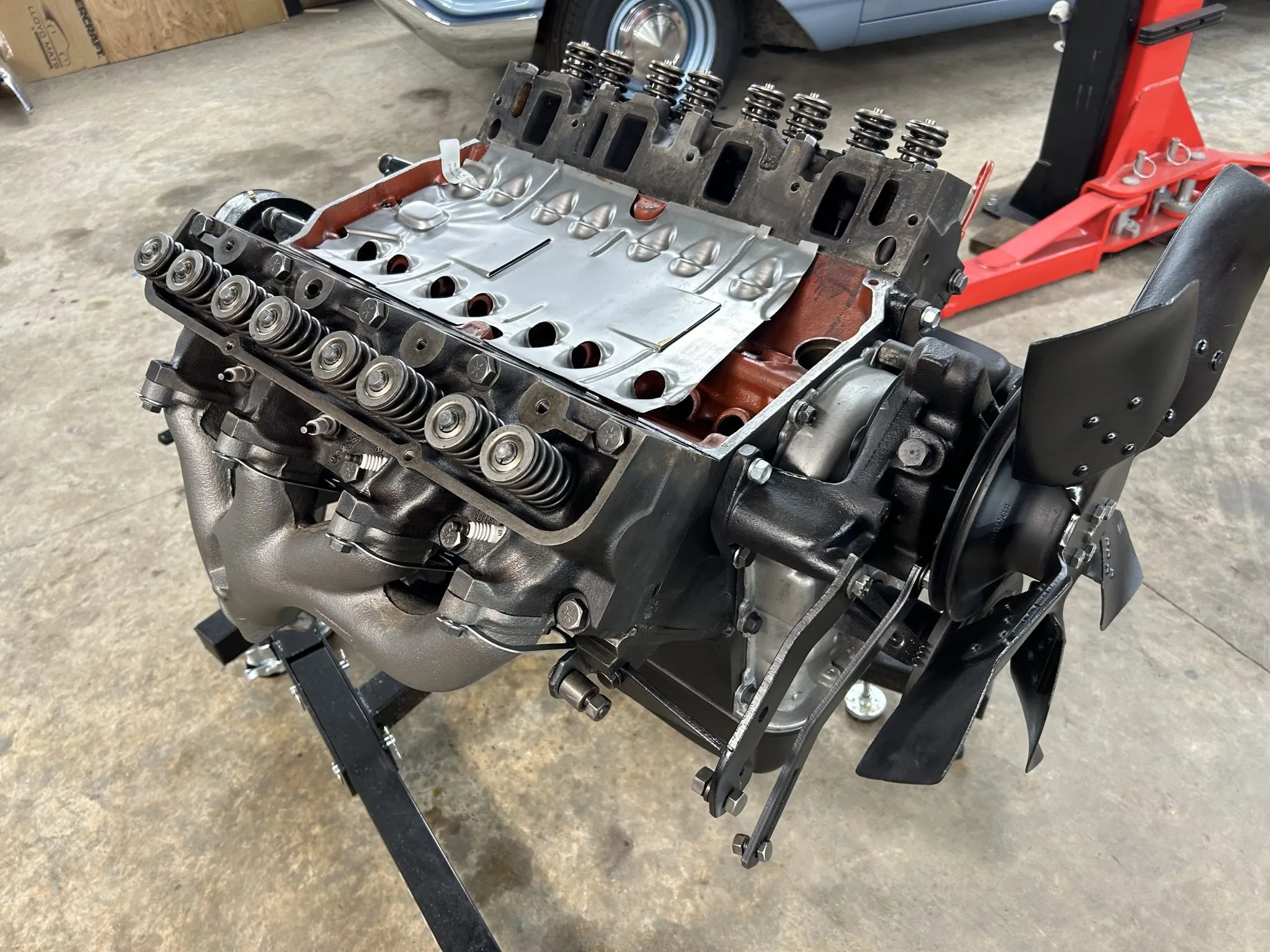
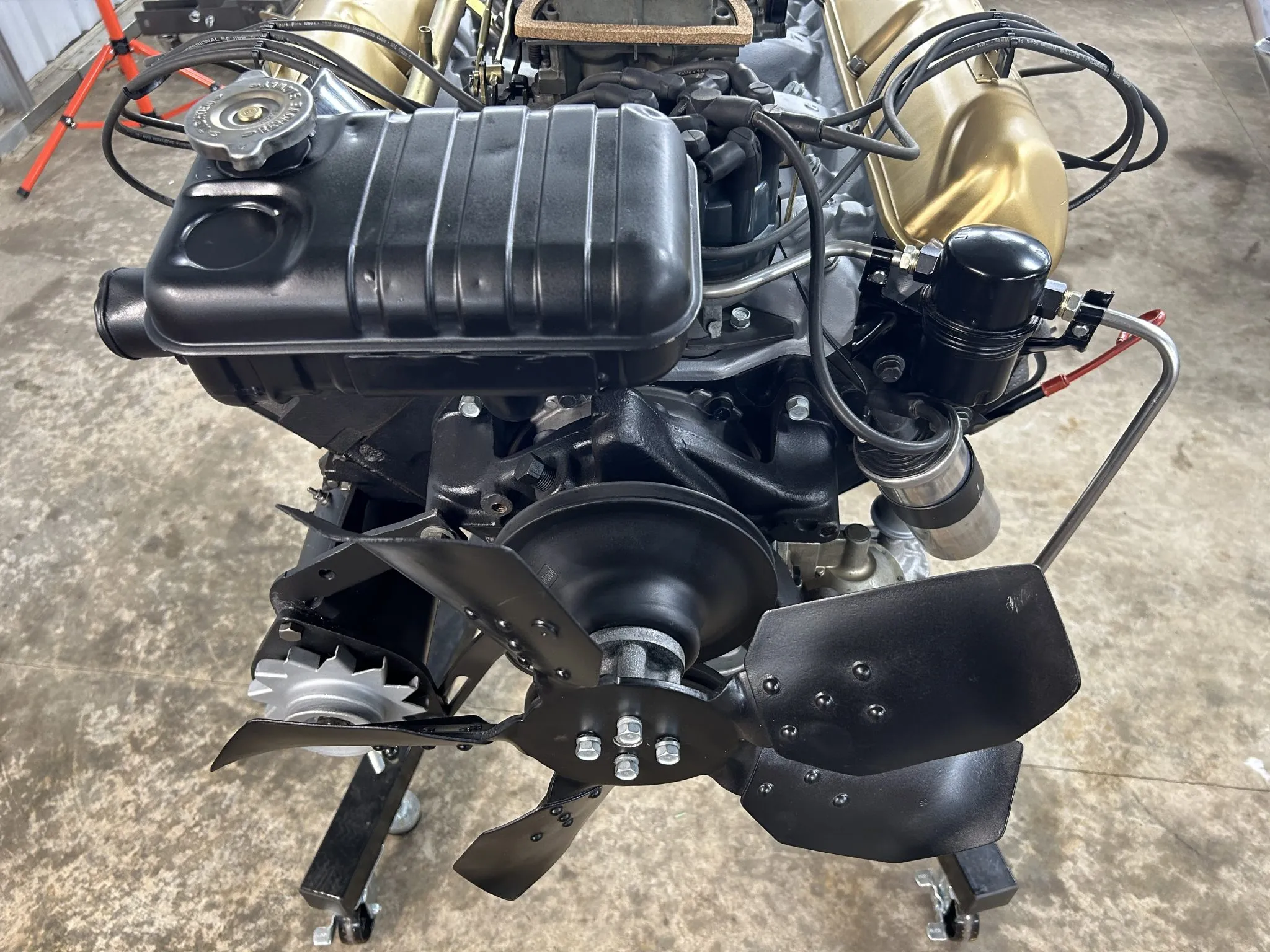
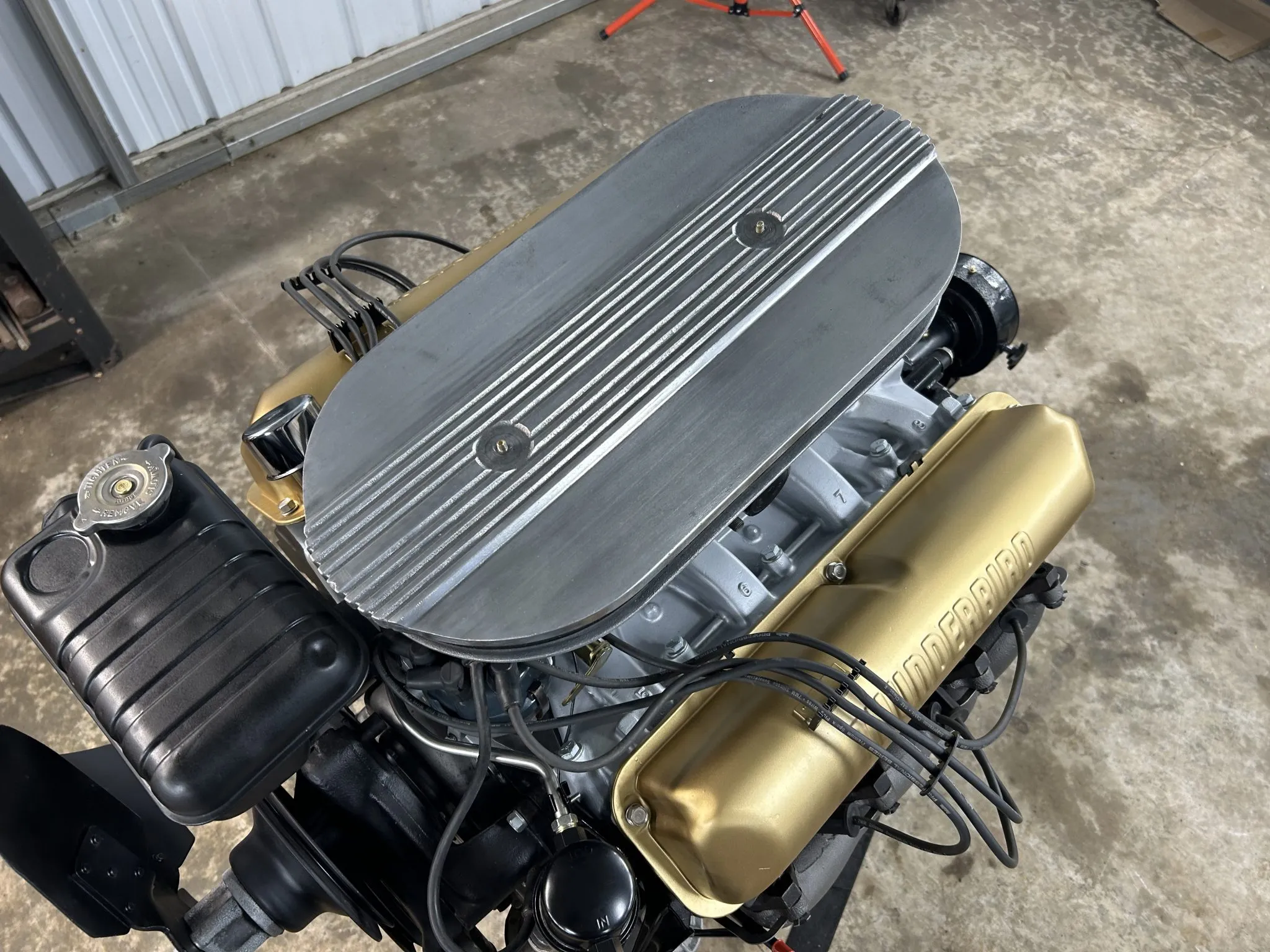
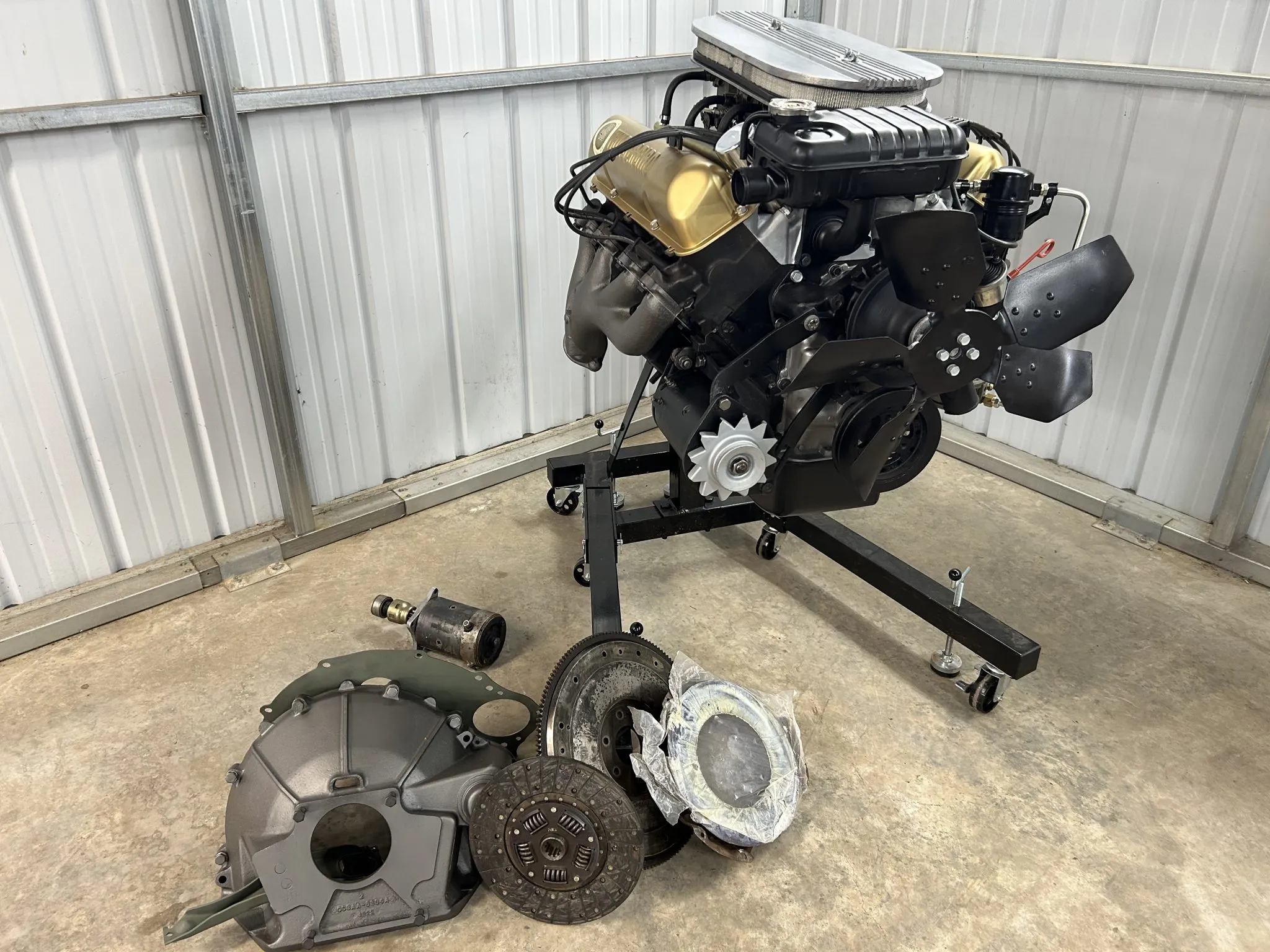
- 406 FE V8
- Aftermarket Aluminum Pistons
- Cast-Iron Shorty Headers
- Aluminum Intake & Air Cleaner
- Triple Holley Carburetors
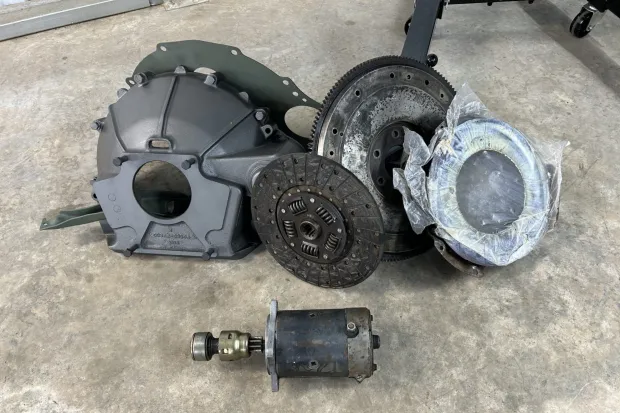
- Spare Parts
4. Critical “FE” Identification Tips
In the 2026 market, many “406s” listed online are actually 390s that have been bored out. To verify a true 406:
-
Casting Numbers: Look for C2AE-V or C2AE-BD on the block.
-
The “Drill Test”: True 406 and 427 blocks have larger oil galleries and often lack the drilling for hydraulic lifters (though some service blocks were drilled for both).
-
Headers: Original 406s came with unique cast-iron “shorty” headers that are significantly more efficient than standard 390 logs.
5. 2026 Maintenance & Reliability
-
Fuel Requirements: These engines were built for 100+ octane leaded fuel. In 2026, you must use a high-quality lead substitute and 93+ octane pump gas (or an octane booster) to avoid destroying the valve seats and causing detonation.
-
Valve Lash: Because it uses solid lifters, you need to “set the lash” every 3,000–5,000 miles. A quiet 406 is often a 406 with valves set too tight, which can lead to burnt valves.
-
Cooling: The 406 runs hot. If you are building one in 2026, an upgrade to a high-flow aluminum radiator is a common “stealth” modification to keep the thin-walled big block happy in modern traffic.
Reviews
There are no reviews yet.