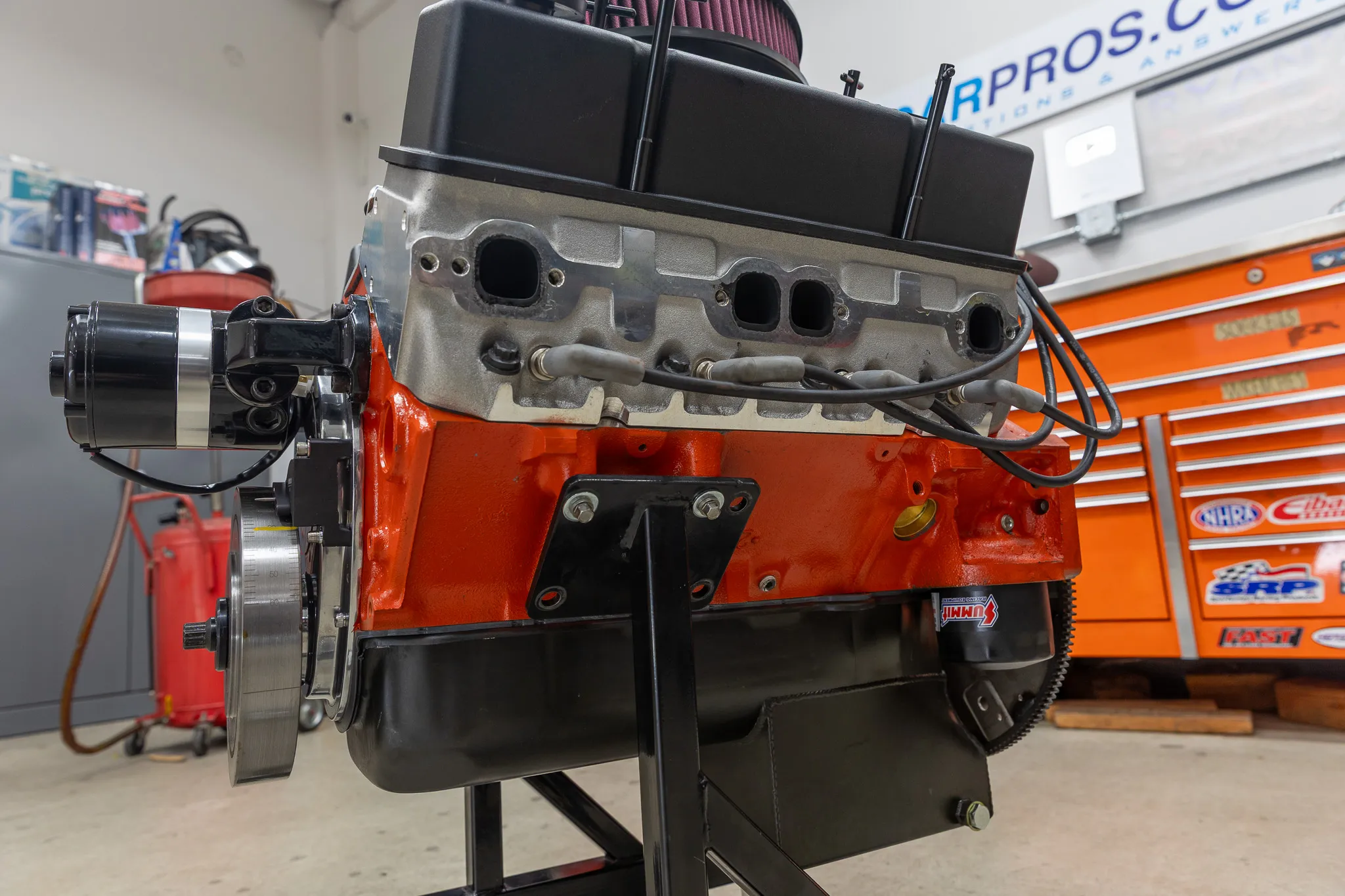
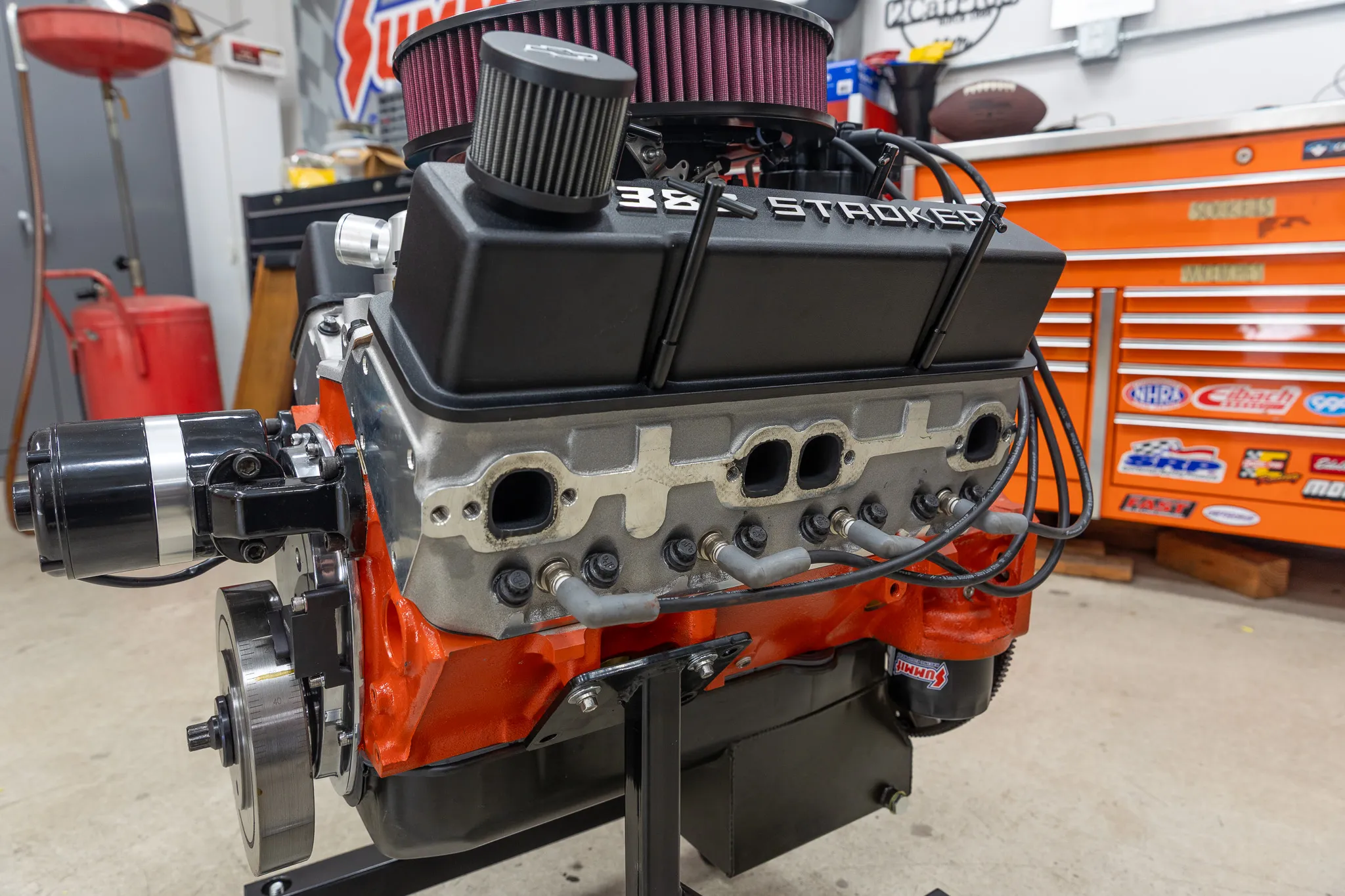
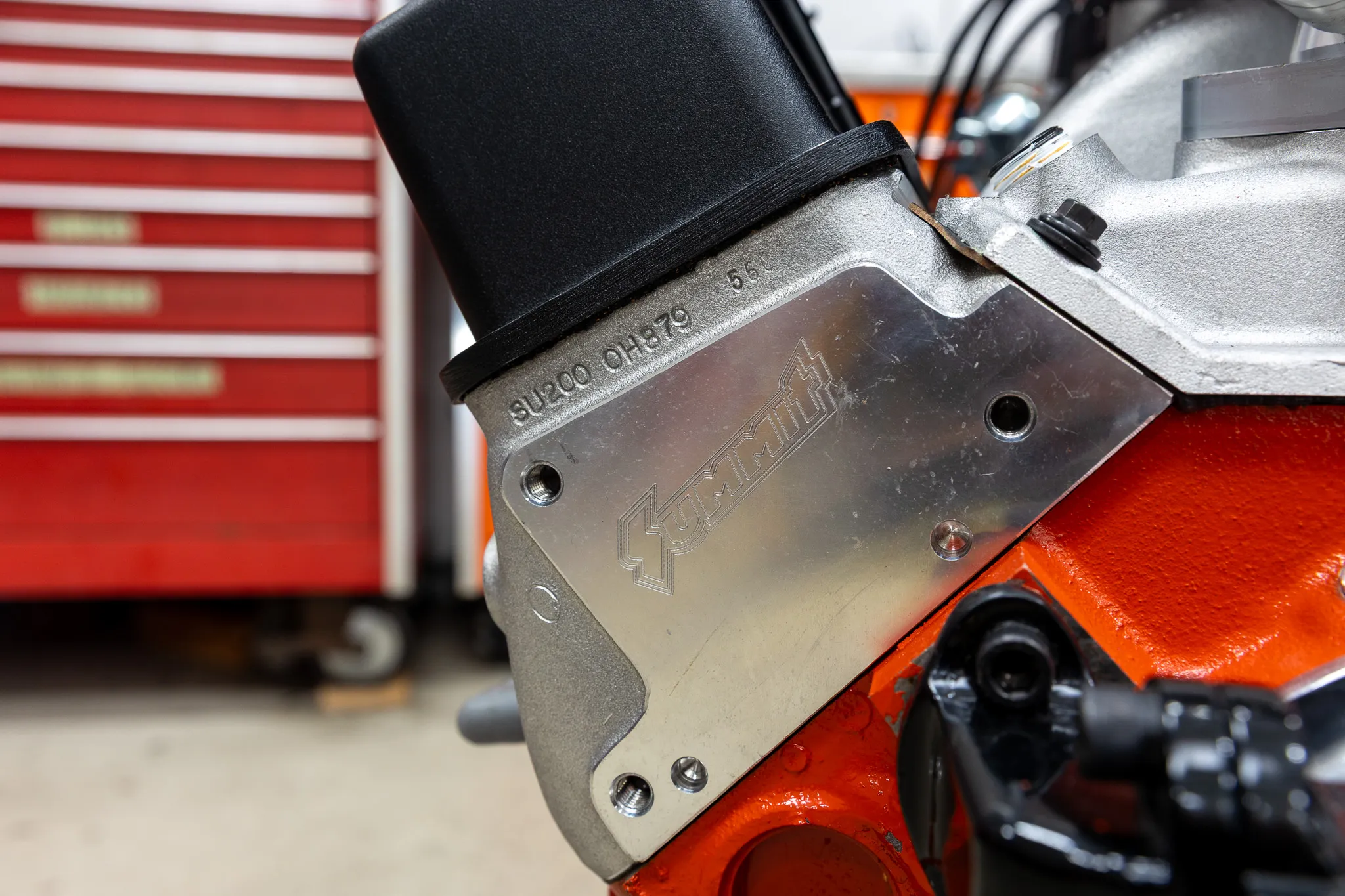
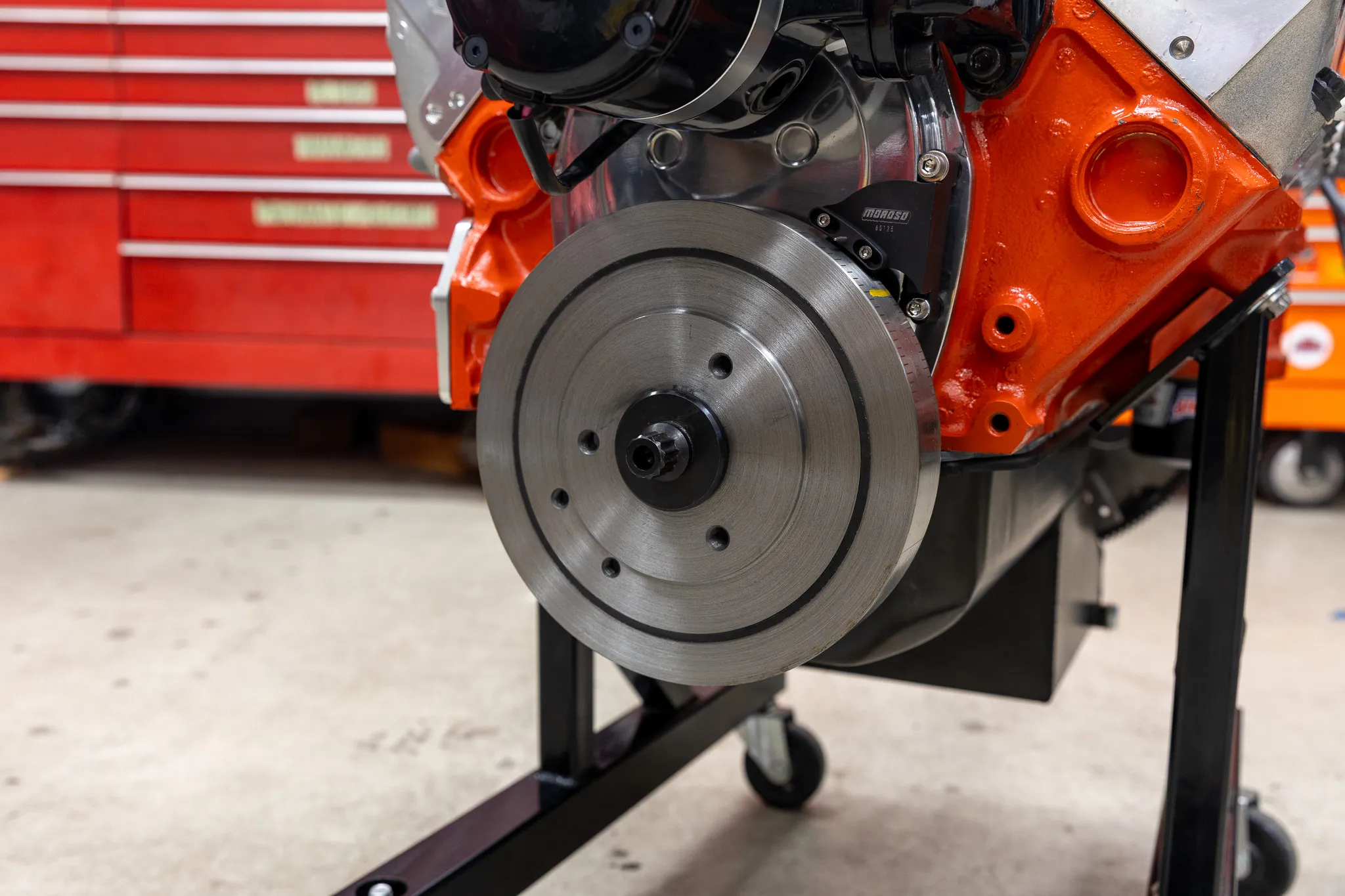
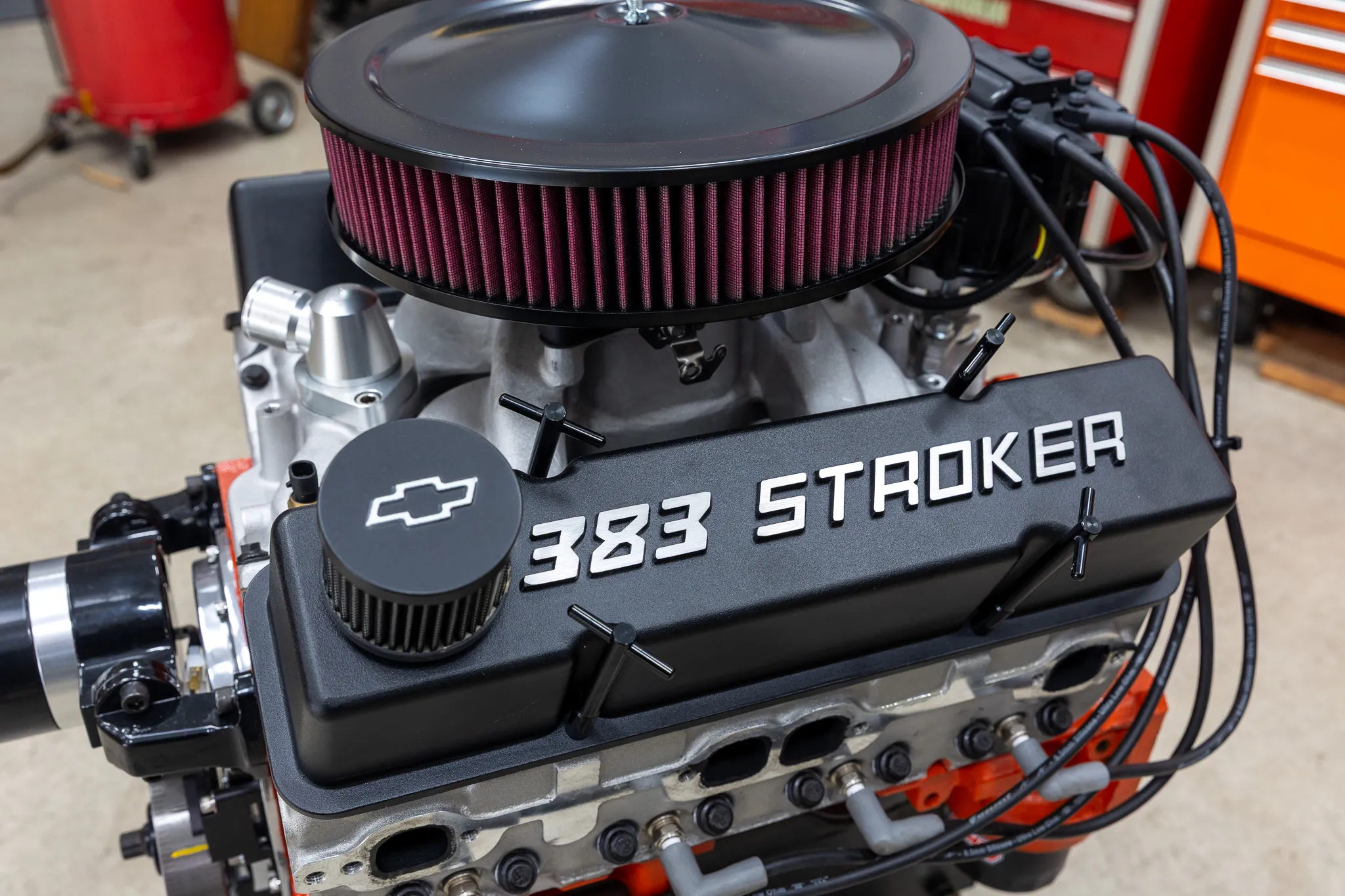
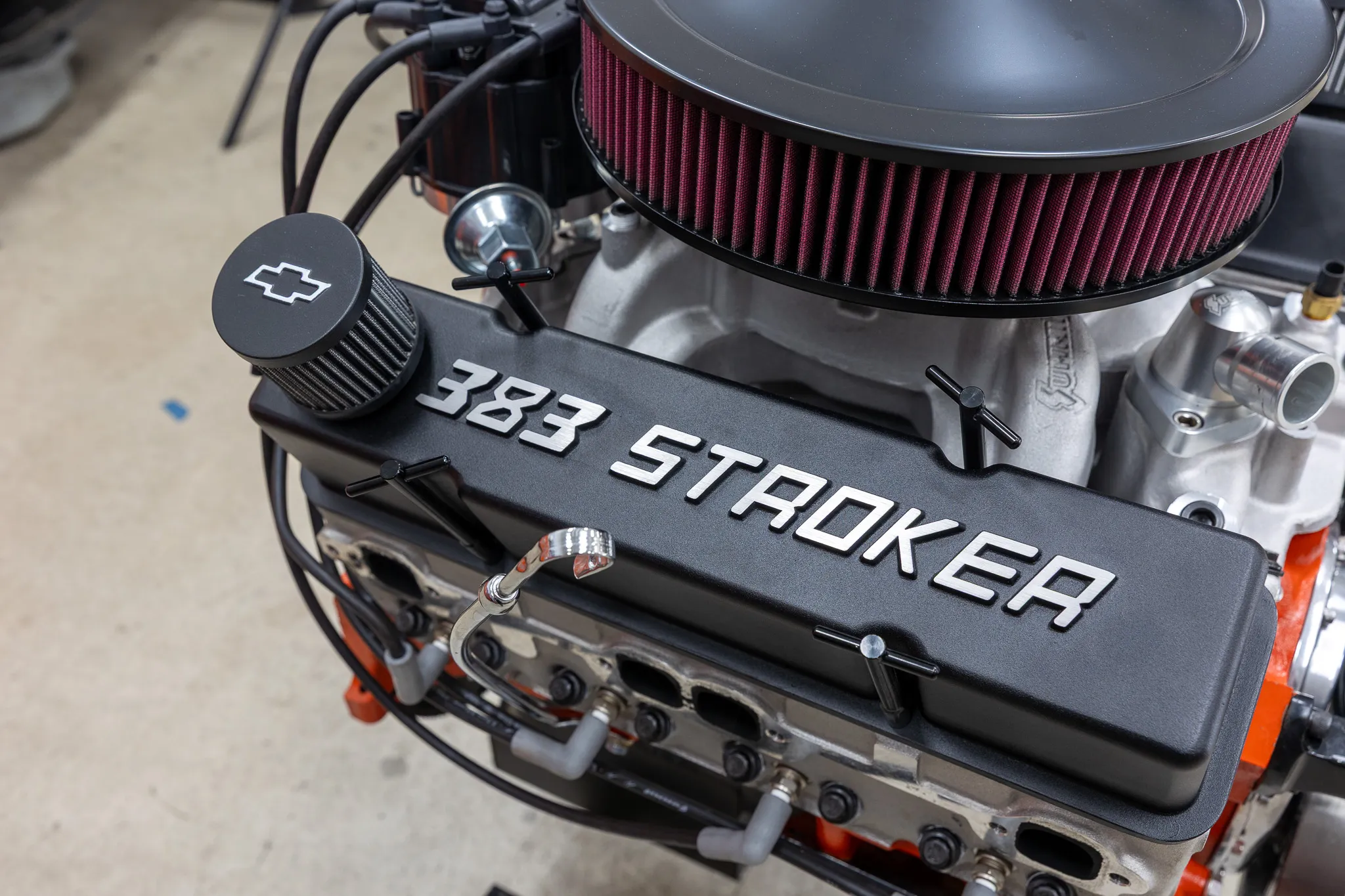
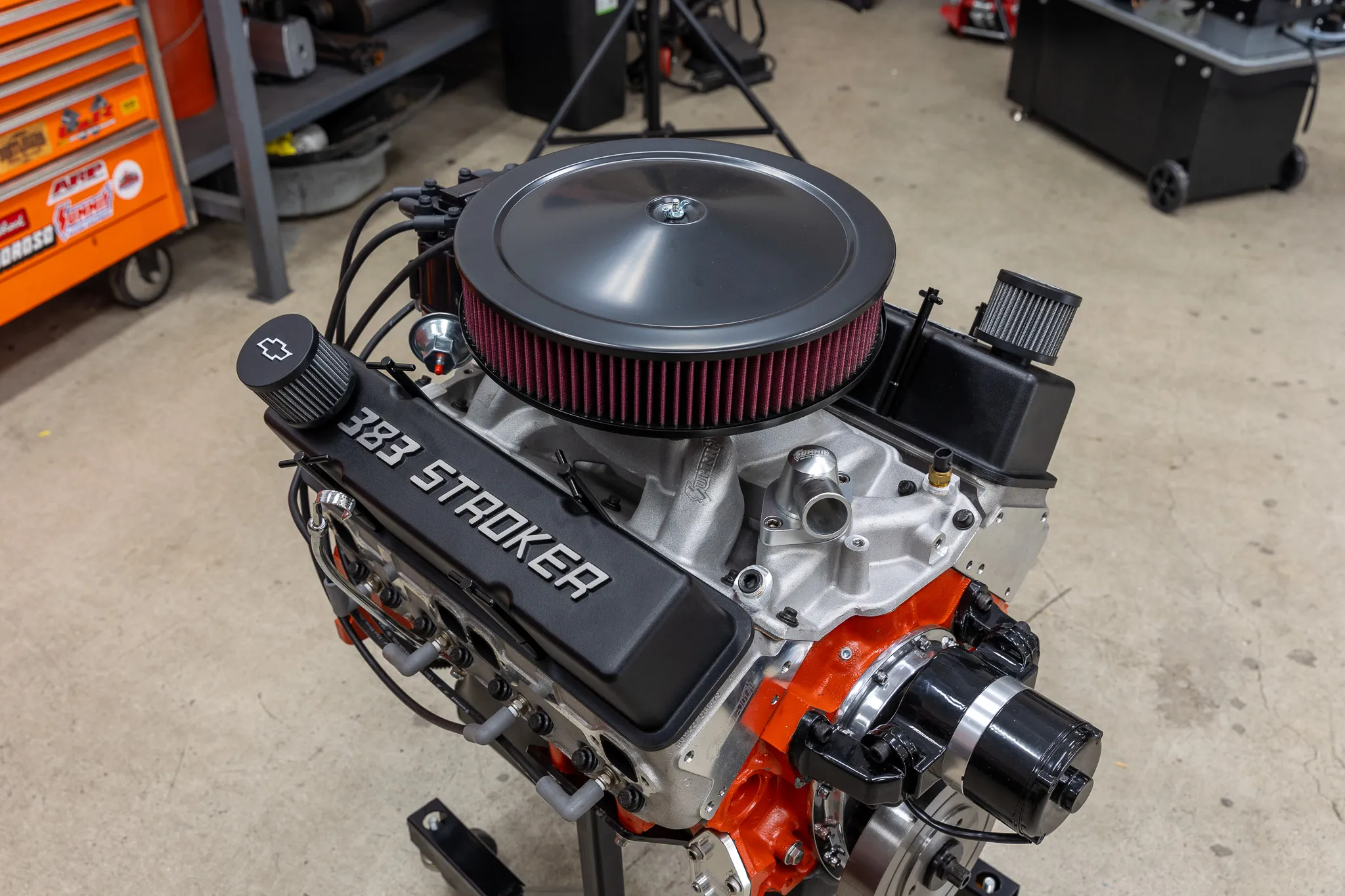
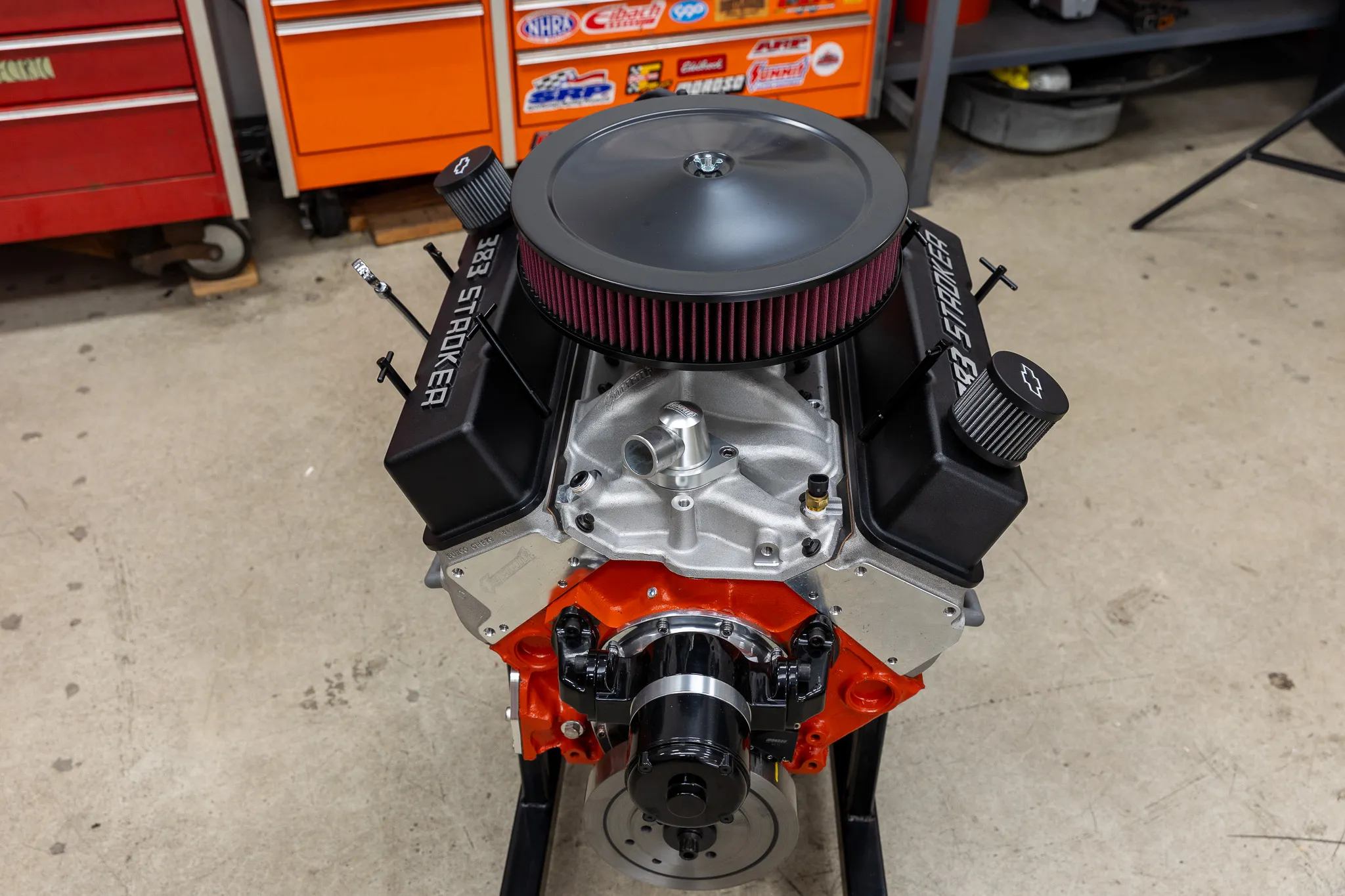
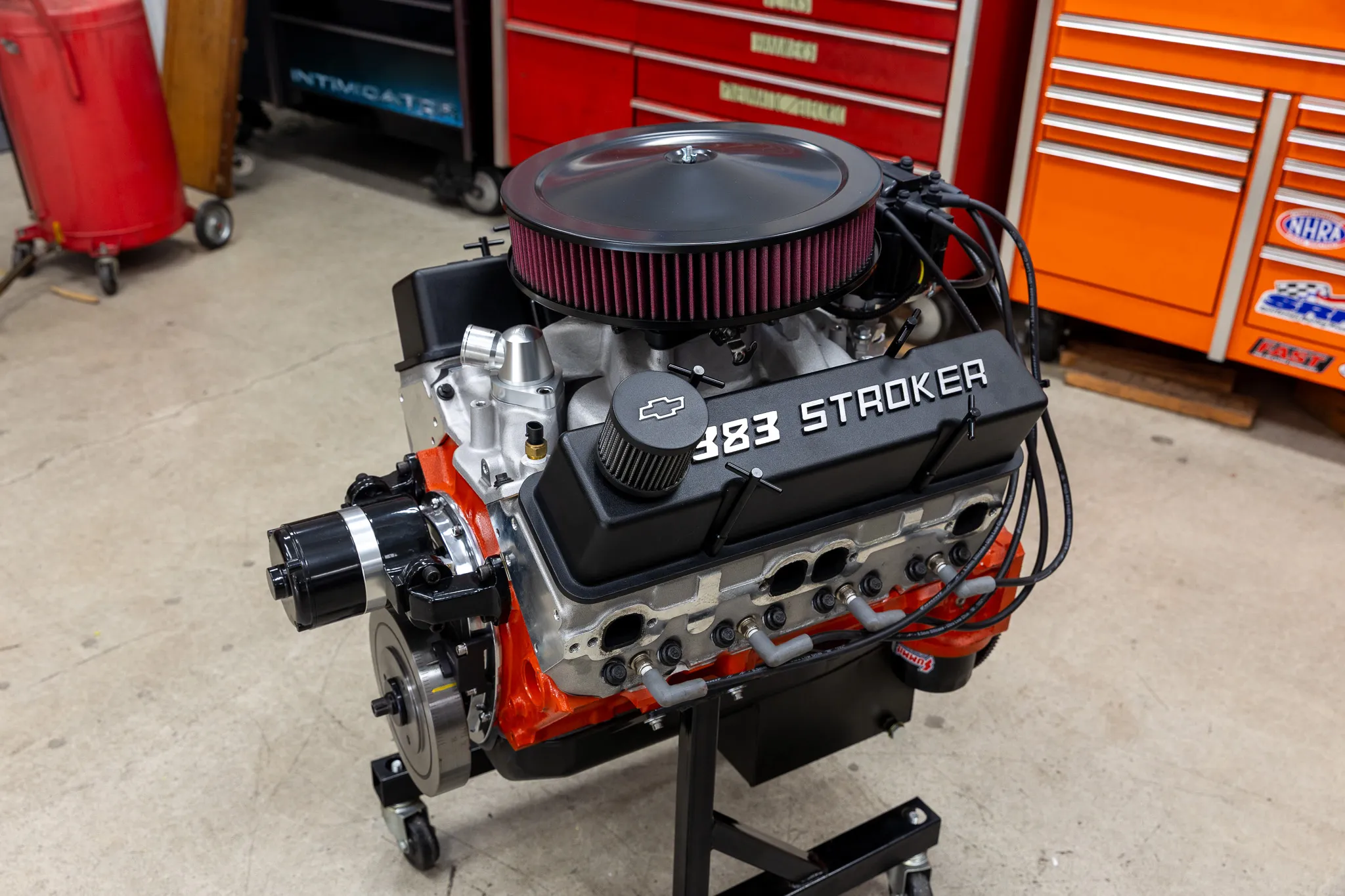
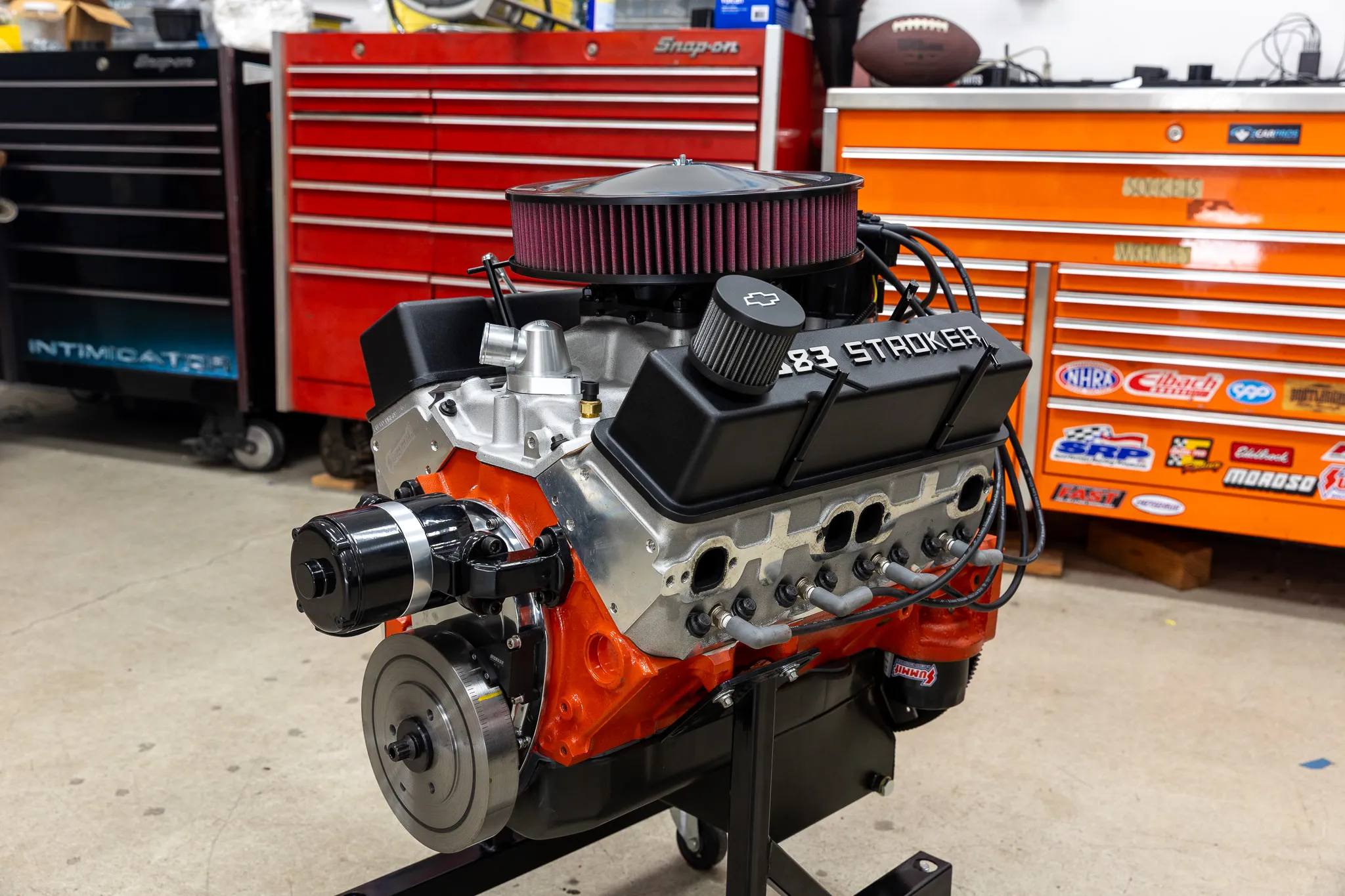
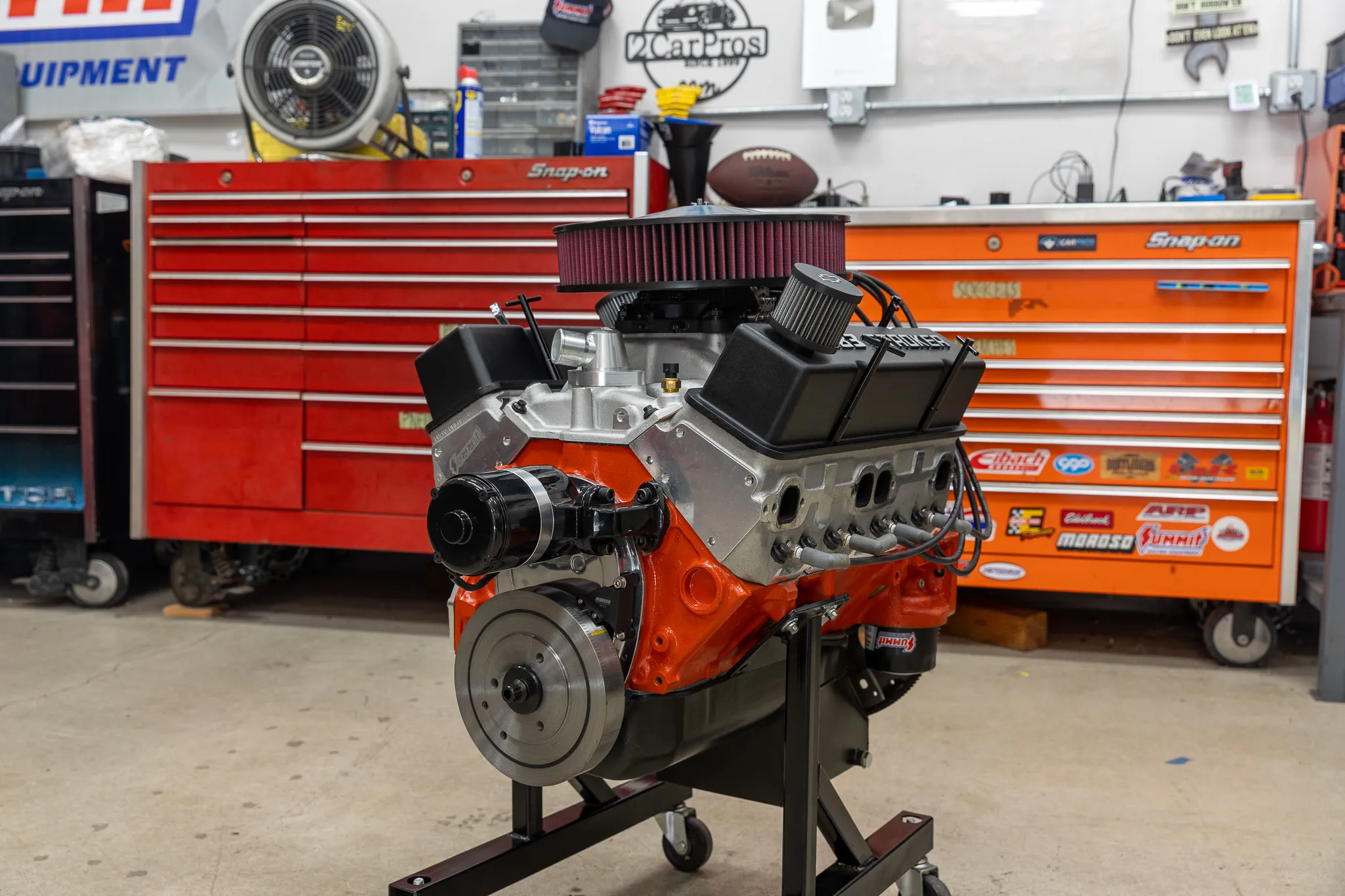
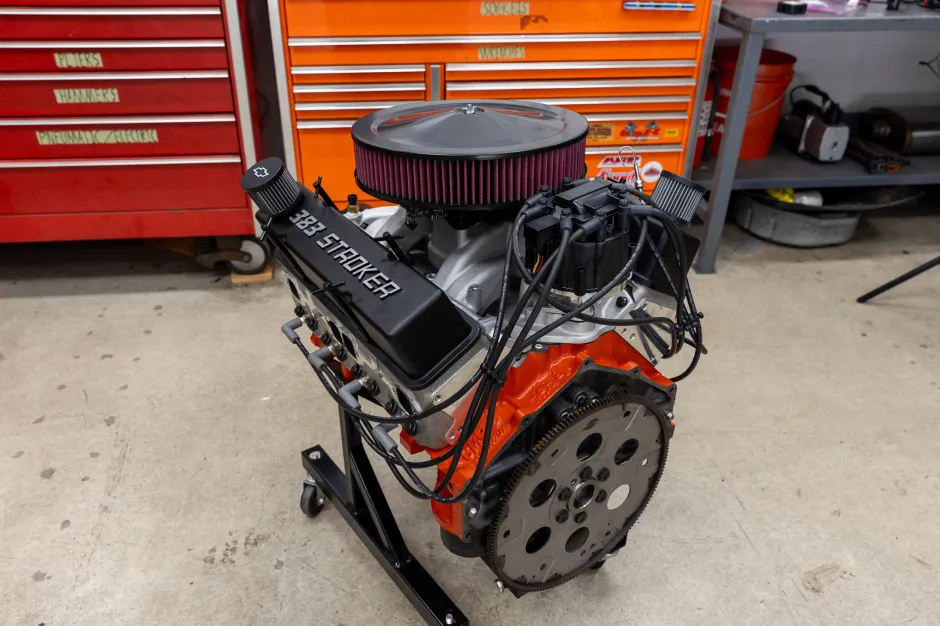
Chevrolet 383ci Stroker V8 Engine
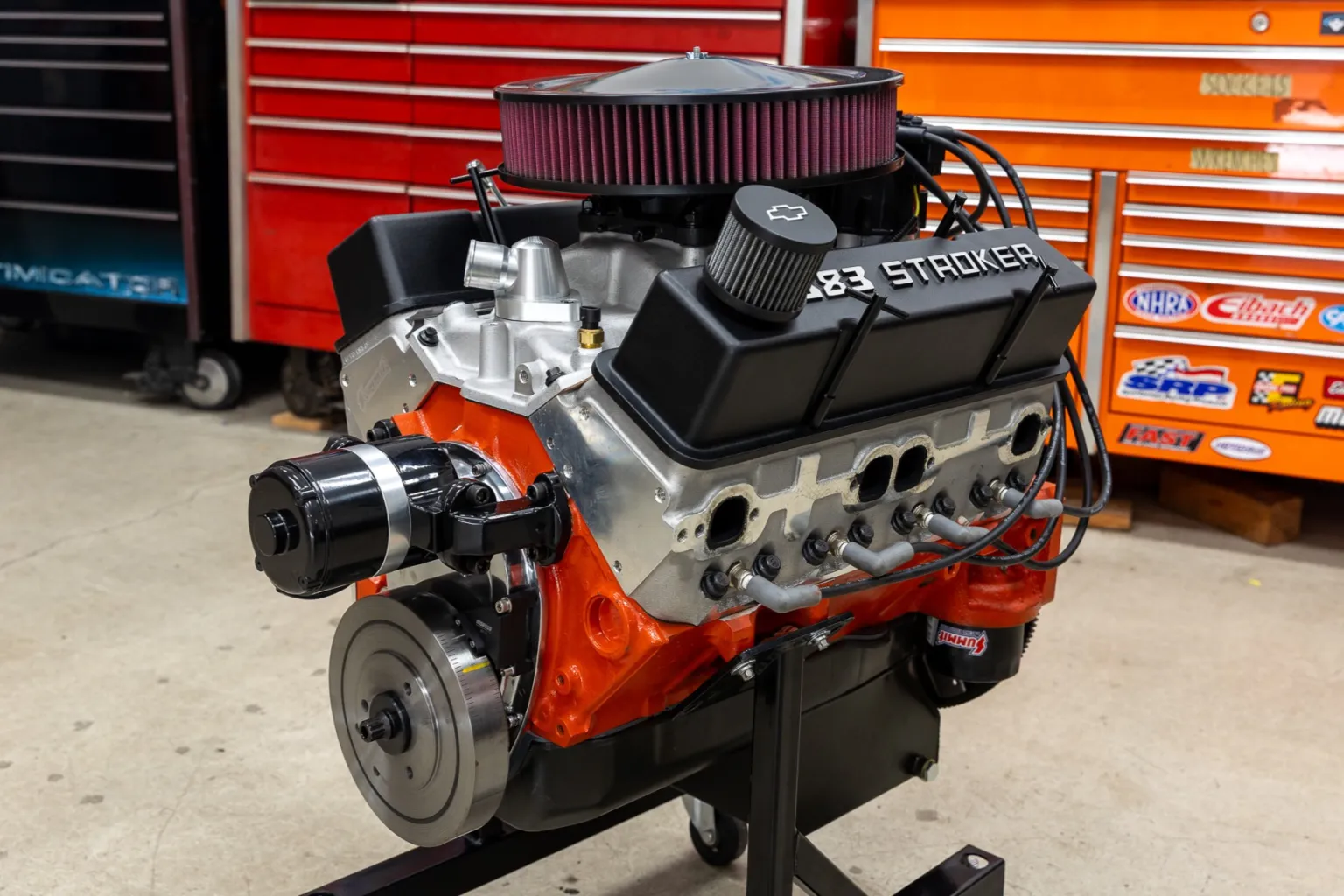
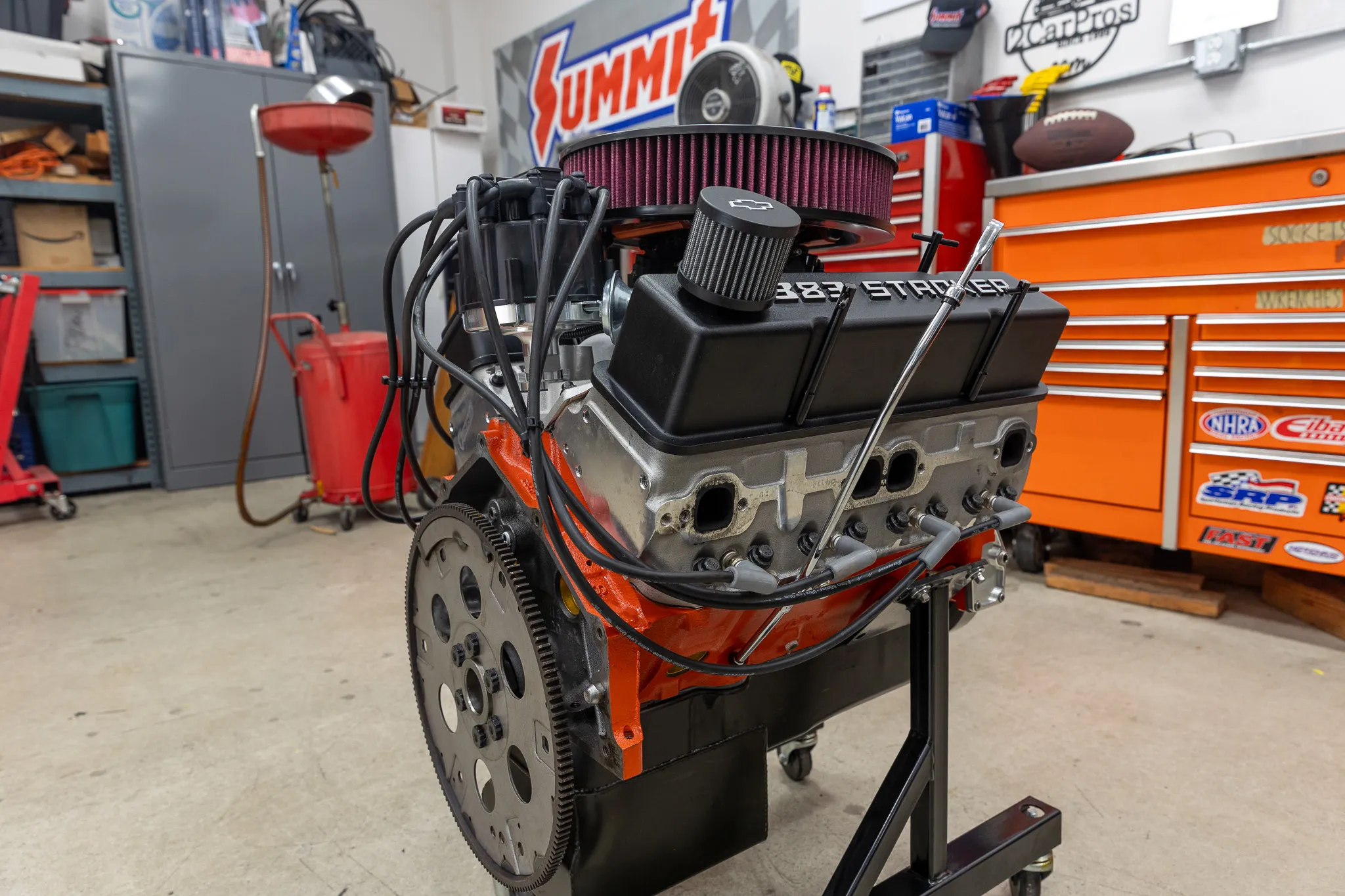
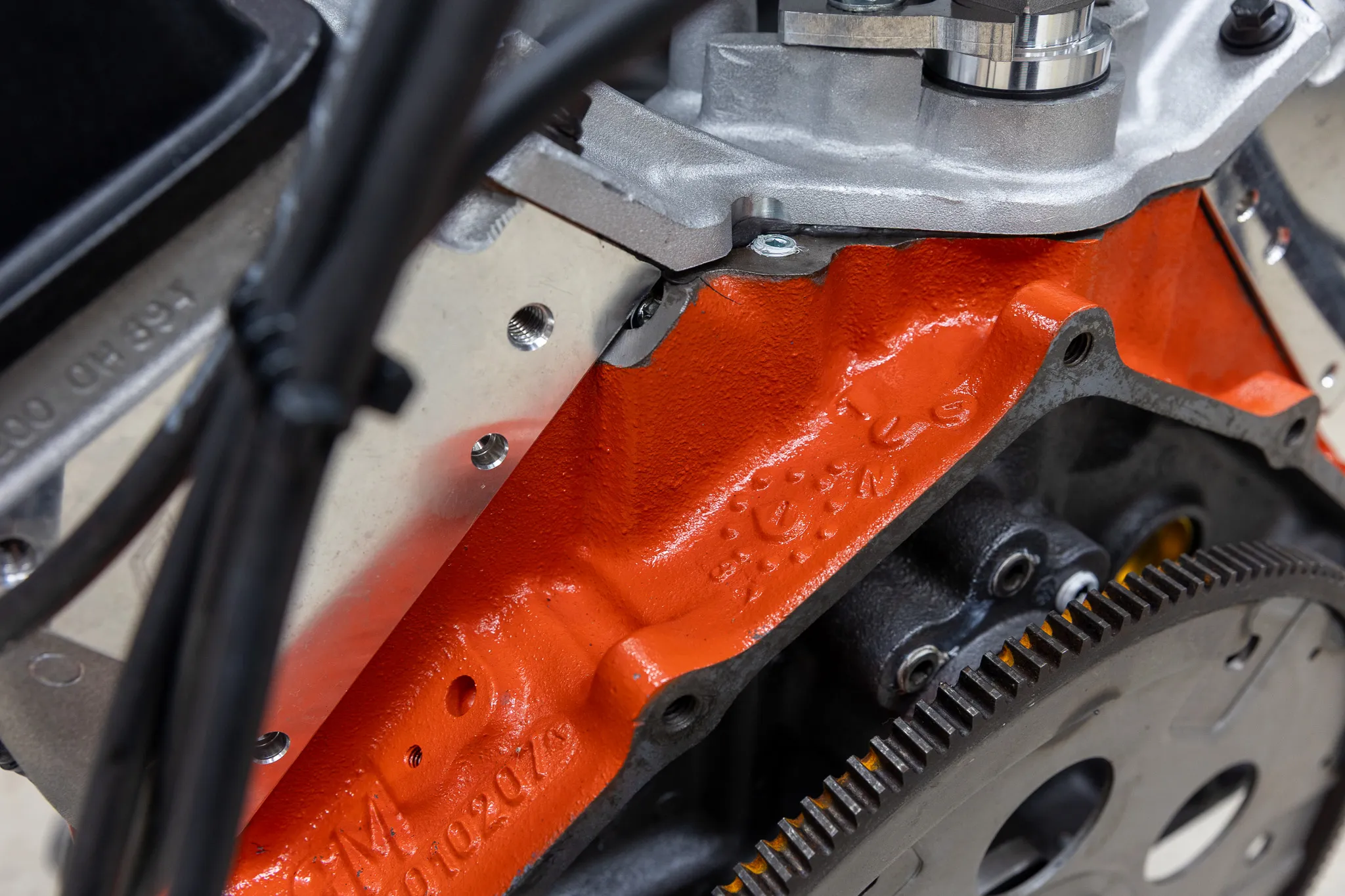
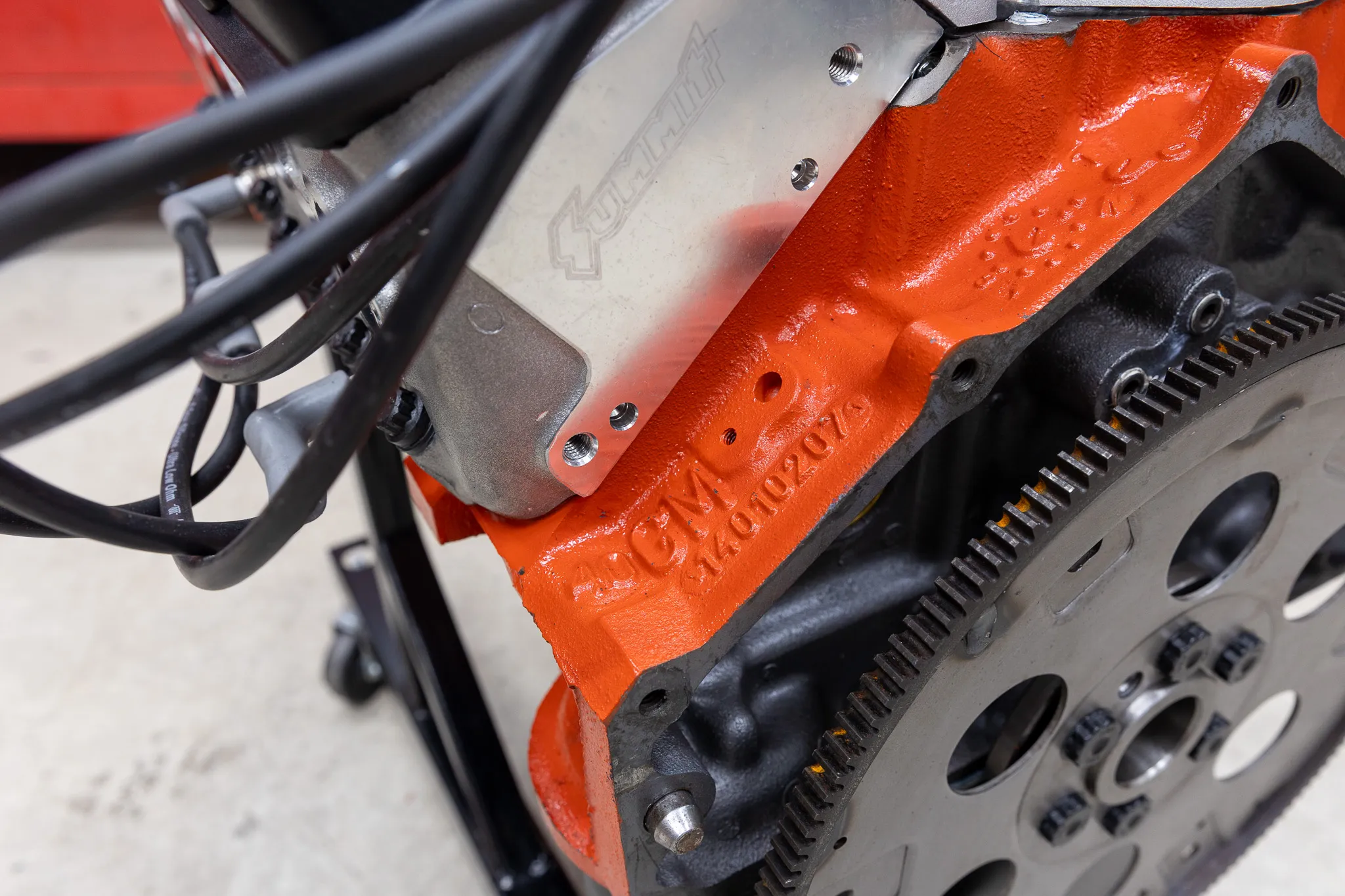
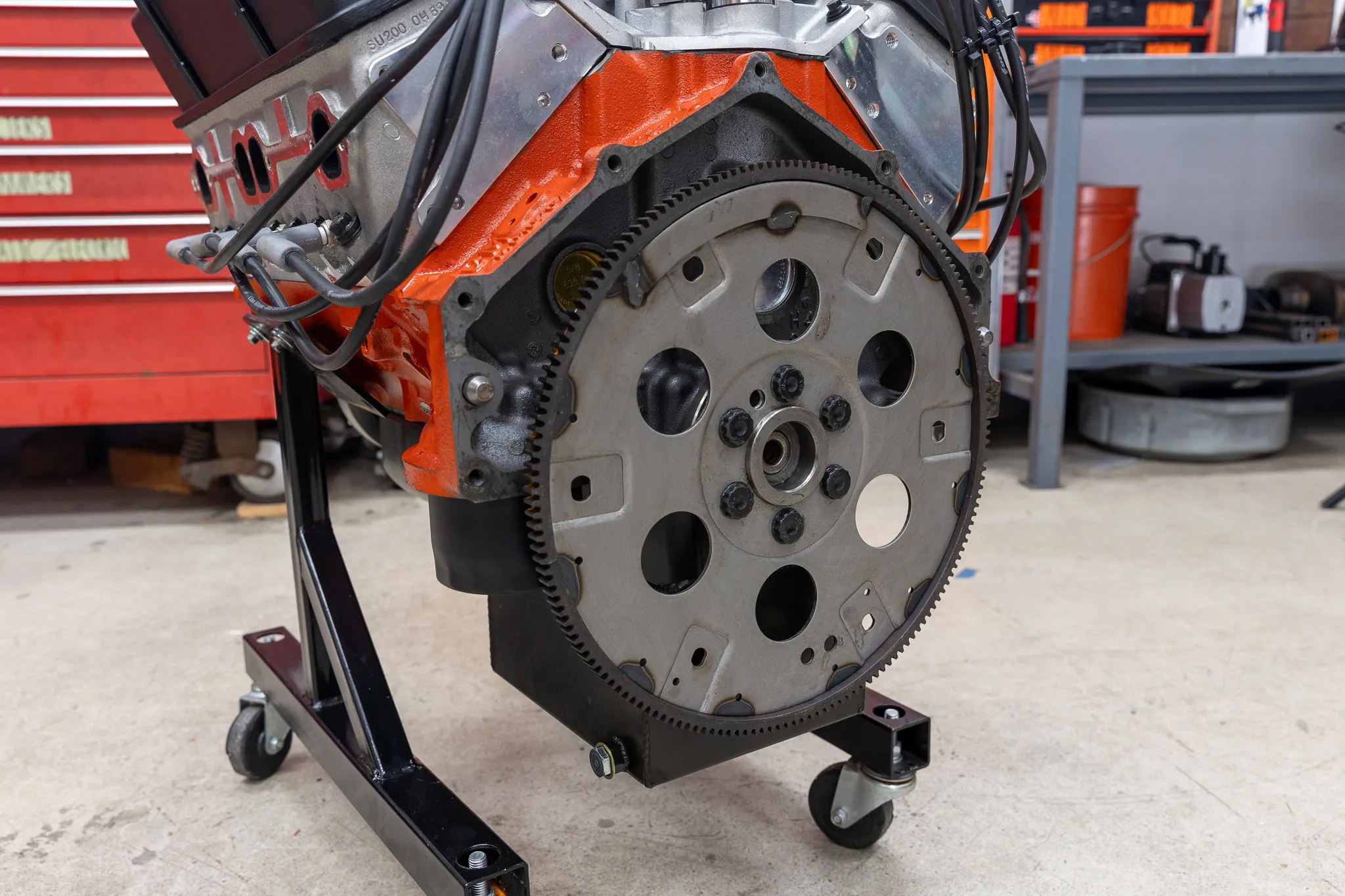
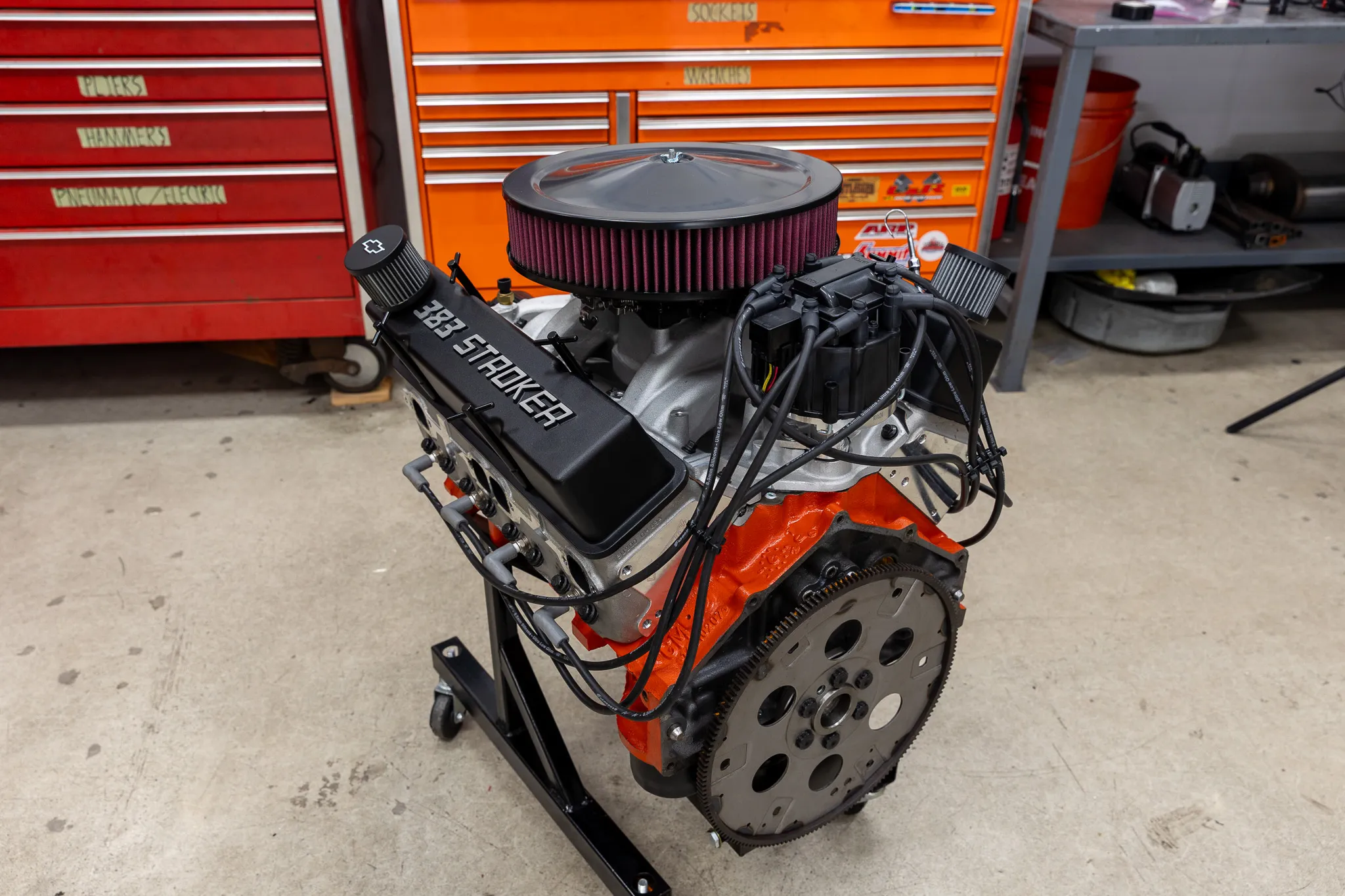
The Chevrolet 383ci Stroker is arguably the most popular “performance” small-block Chevy (SBC) in existence. It isn’t an engine Chevy ever built on a factory assembly line; rather, it’s a “cocktail” made by taking a 350ci block and installing a 400ci crankshaft.
In 2026, the 383 remains the “Goldilocks” engine—offering significantly more torque than a 350 without the weight and size of a Big Block.
1. The 383 Formula: How it’s Made
To create a 383, you take a standard 350 block (4.00″ bore) and increase the stroke from 3.48″ to 3.75″.
-
The “Old Way”: Machining a factory 400 crankshaft to fit a 350 block.
-
The “2026 Way”: Buying a purpose-built aftermarket stroker kit (from Eagle, Scat, or Lunati) that is already balanced and clearanced.
2. 2026 Market Valuation (Estimated USD)
Because the 383 is so common, prices are competitive, but they vary wildly based on the quality of the internal components (cast vs. forged).
- Cast-Iron Chevrolet Small Block
- Summit Racing 383ci Stroker Kit
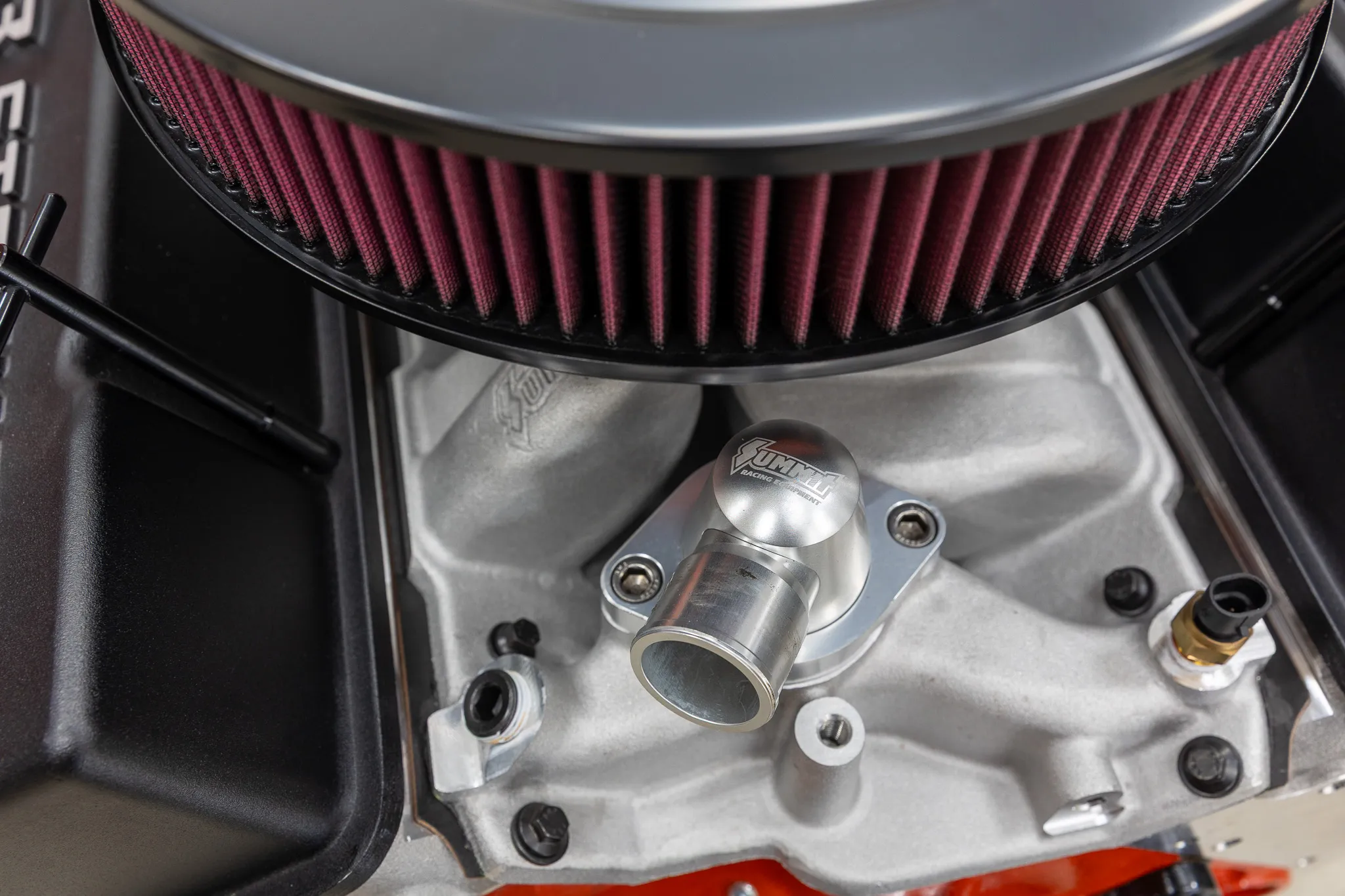
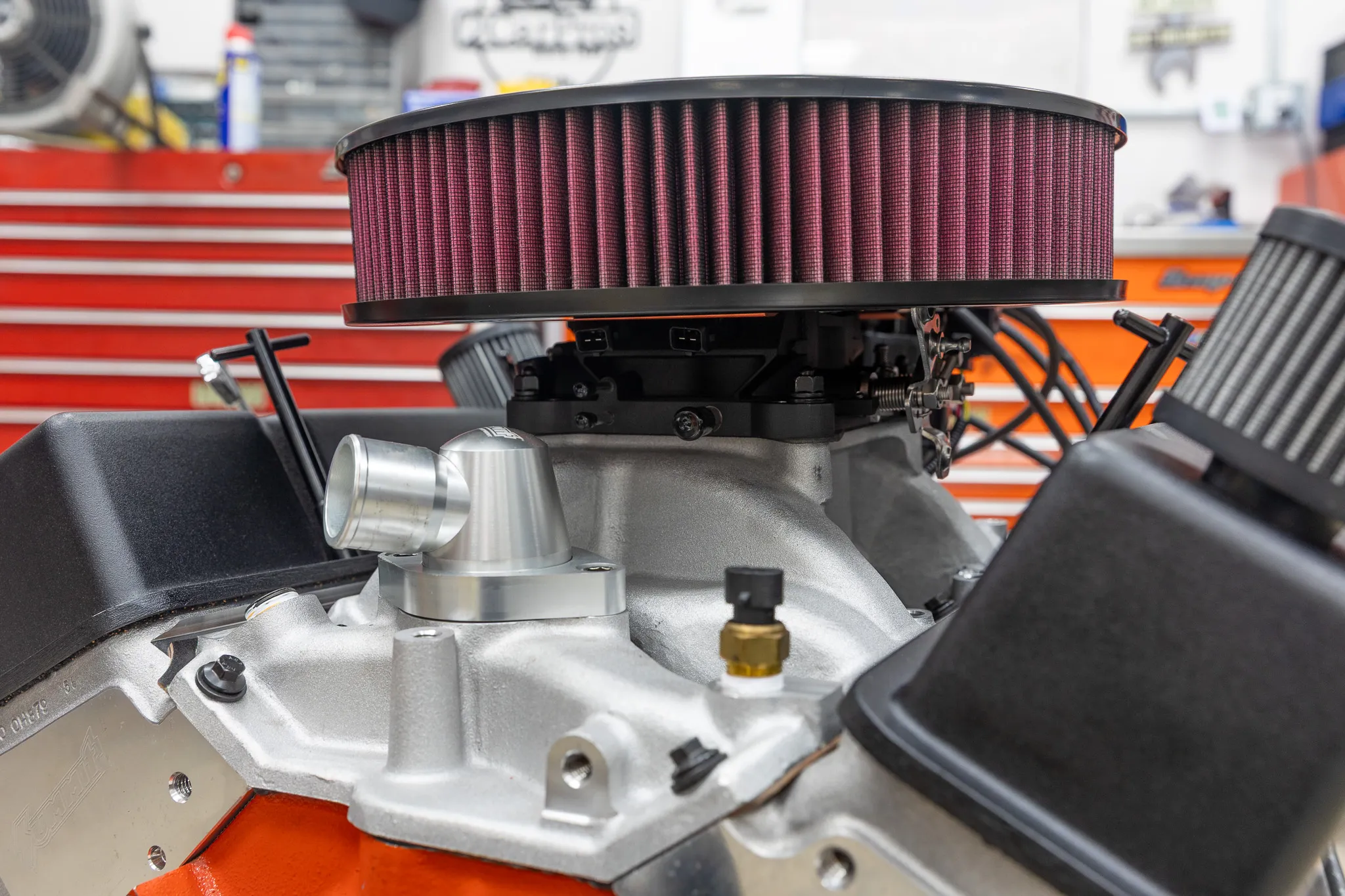
- Summit Racing MAX-efi 500 Fuel Injection
- Wiring Harness
- Engine Stand
3. Technical Performance
The 383 is loved because of its Torque Curve. While a 350 needs to “rev up” to find its power, a 383 makes usable grunt as soon as you touch the pedal.
-
Average Horsepower: 425–475 hp (Street Spec).
-
Average Torque: 450–500 lb-ft.
-
Best For: Heavy cruisers, tow rigs, and street-legal muscle cars that want to “fry the tires” from a stoplight.
4. Critical “2026 Status” Maintenance & Build Tips
-
Block Clearancing: Because the 3.75″ stroke is longer, the connecting rods will actually hit the bottom of the cylinder walls and the camshaft in a standard 350 block. In 2026, most quality builders use “Small Base Circle” camshafts and pre-clearanced blocks to avoid catastrophic metal-on-metal contact.
-
The “External” vs. “Internal” Balance: Traditional 383s were externally balanced (using a weighted harmonic balancer and flywheel). By 2026, the industry standard has shifted toward internally balanced kits. They are more expensive but result in a much smoother, longer-lasting engine.
-
Cooling: More displacement = more heat. A 383 creates more friction and combustion heat than a 350. An upgrade to an aluminum radiator is almost always required for 2026 street use.
Reviews
There are no reviews yet.