
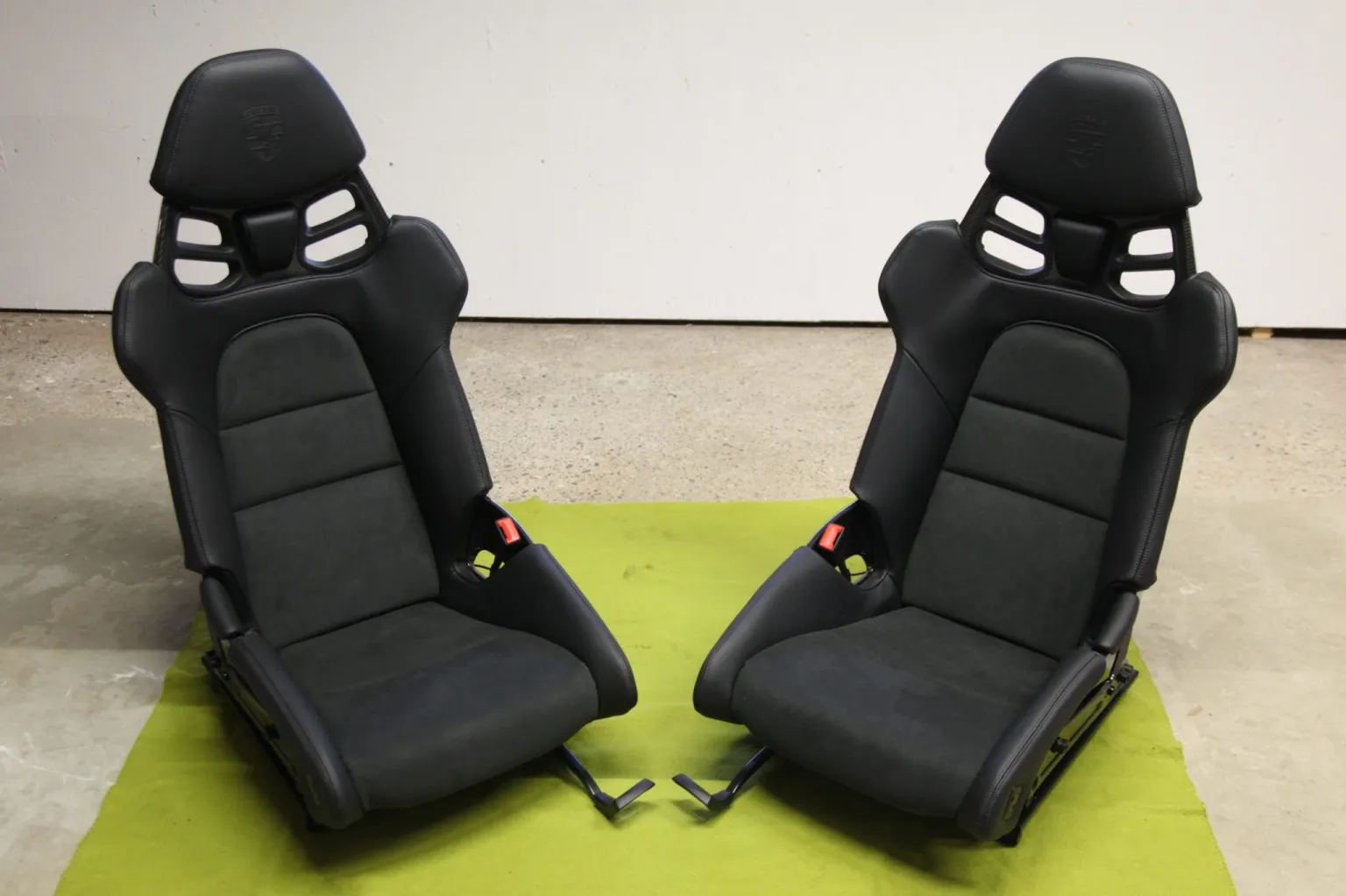
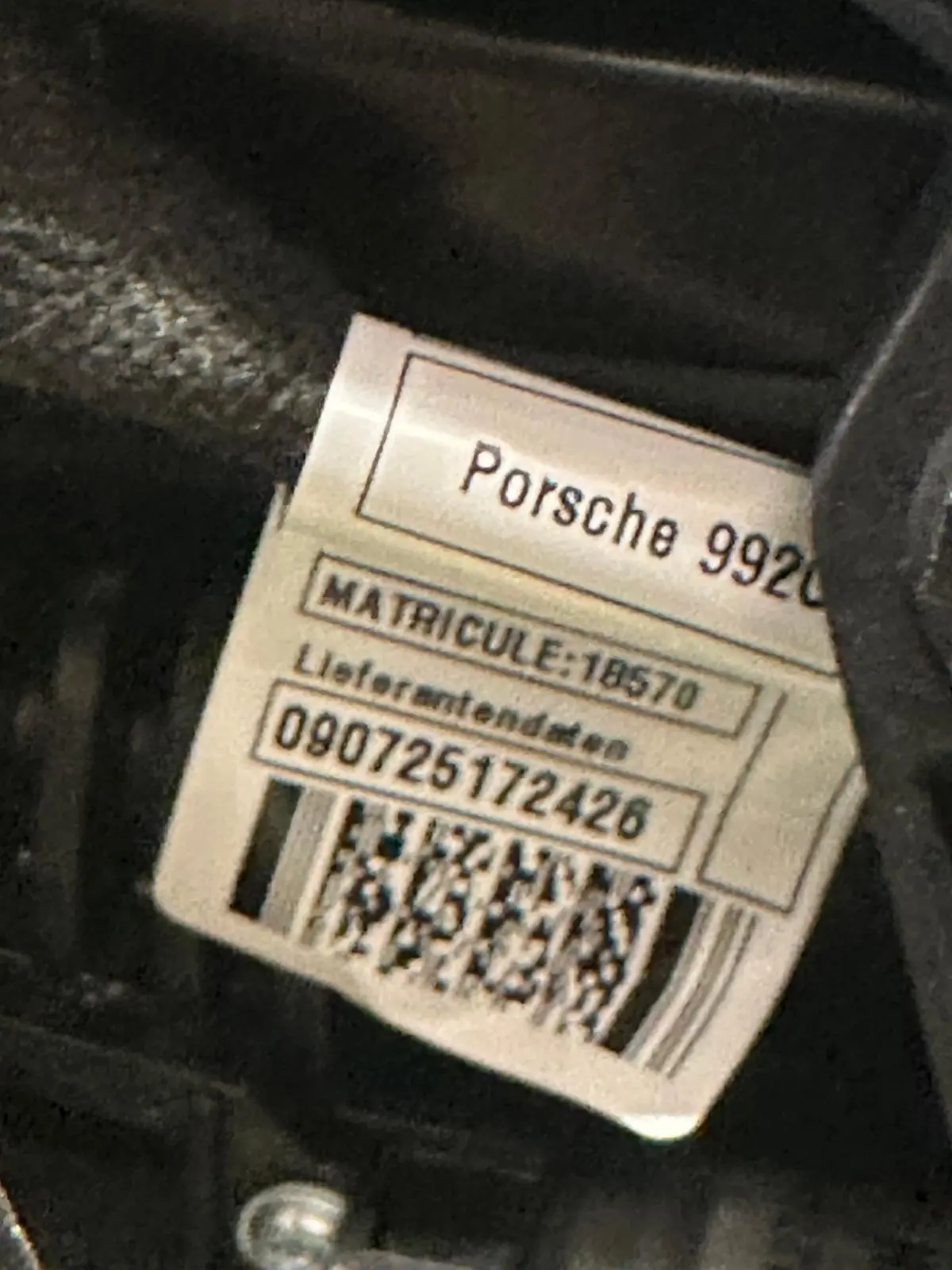
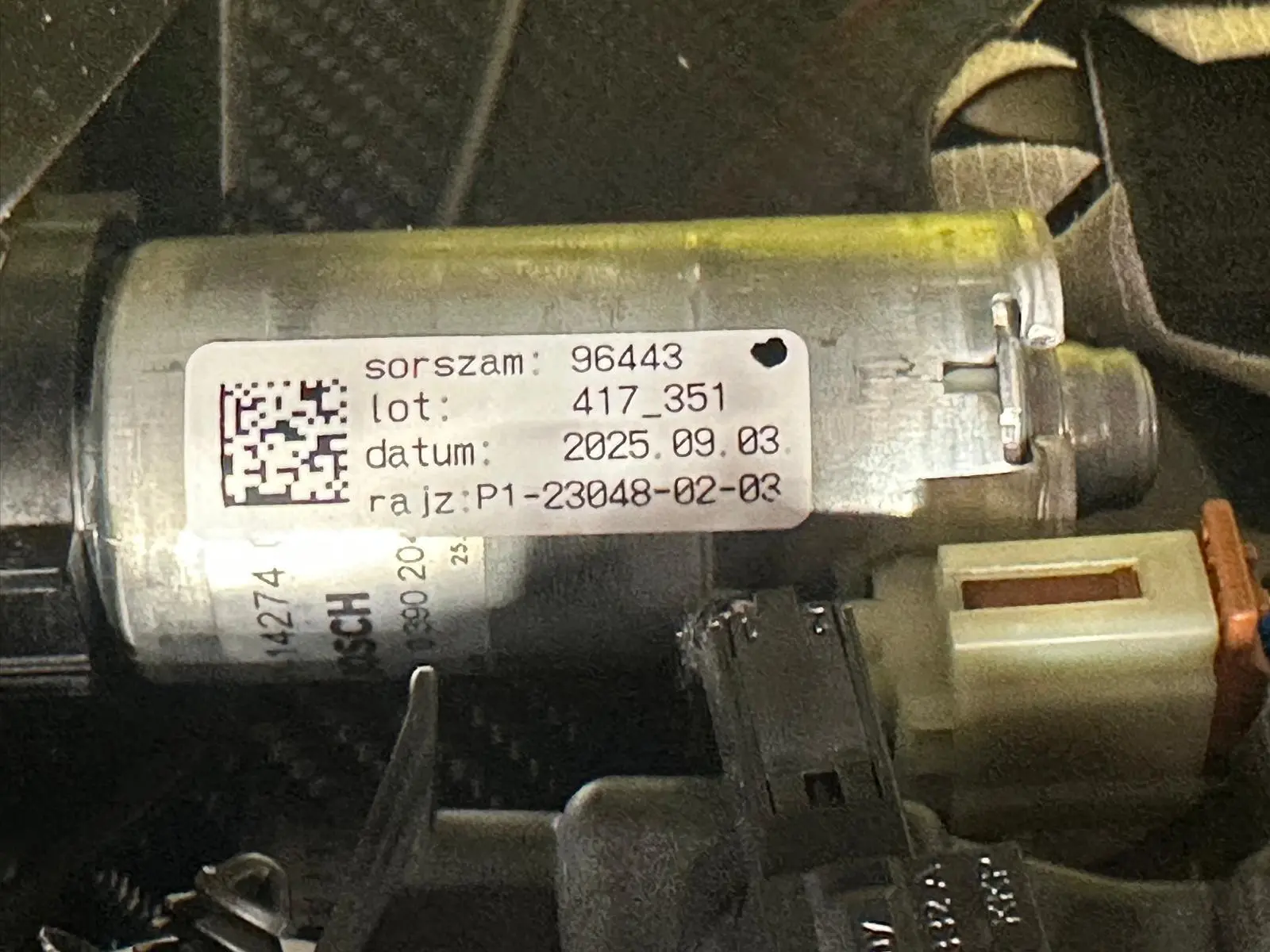
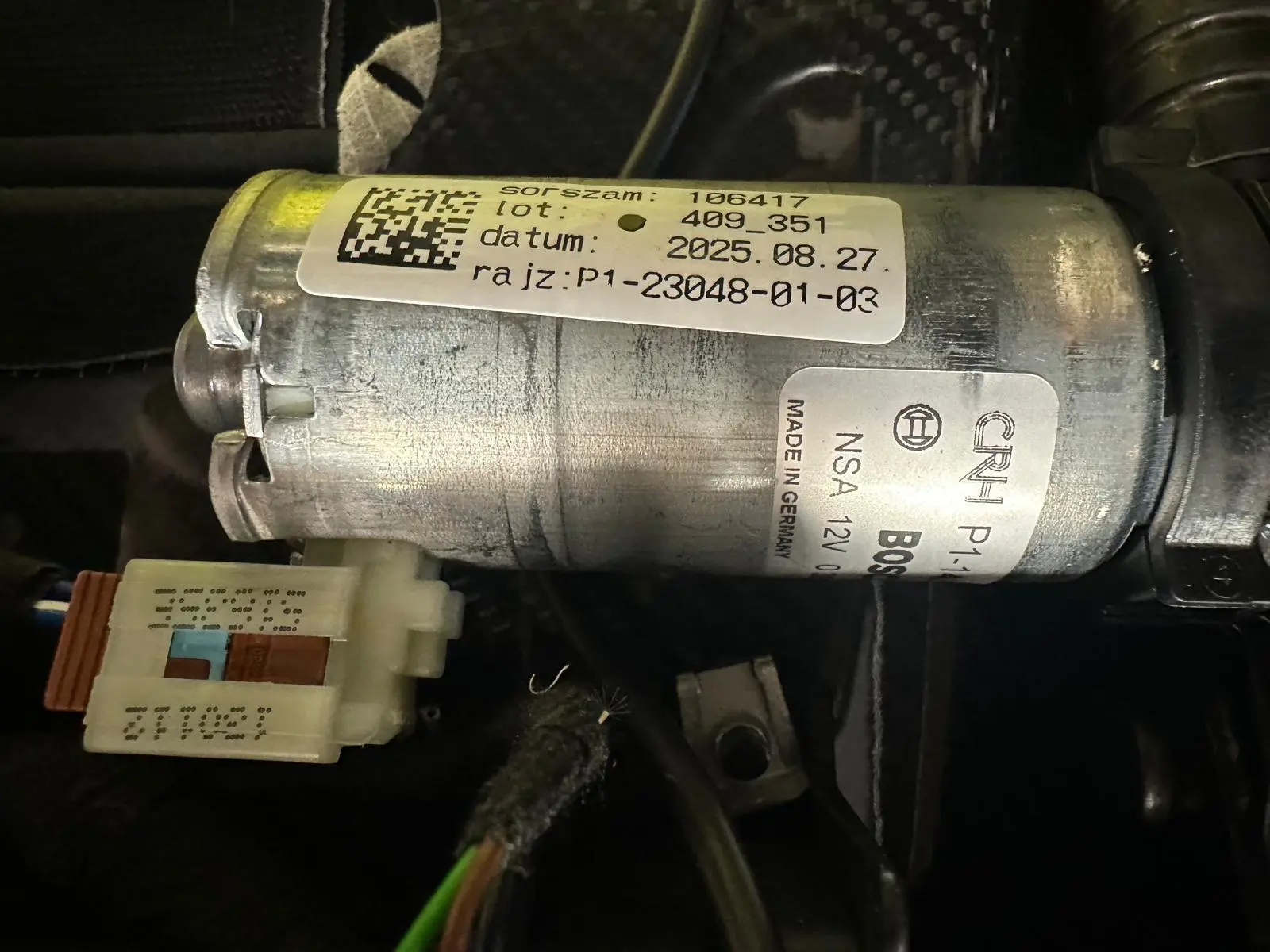
Porsche 992 Bucket Seats
In the Porsche 992 (2020–2026), the bucket seat conversation has evolved significantly. While older generations forced a choice between comfort and performance, the 992 introduces new “hybrid” options and high-tech custom tuning.
Here is the current landscape for 992 bucket seats.
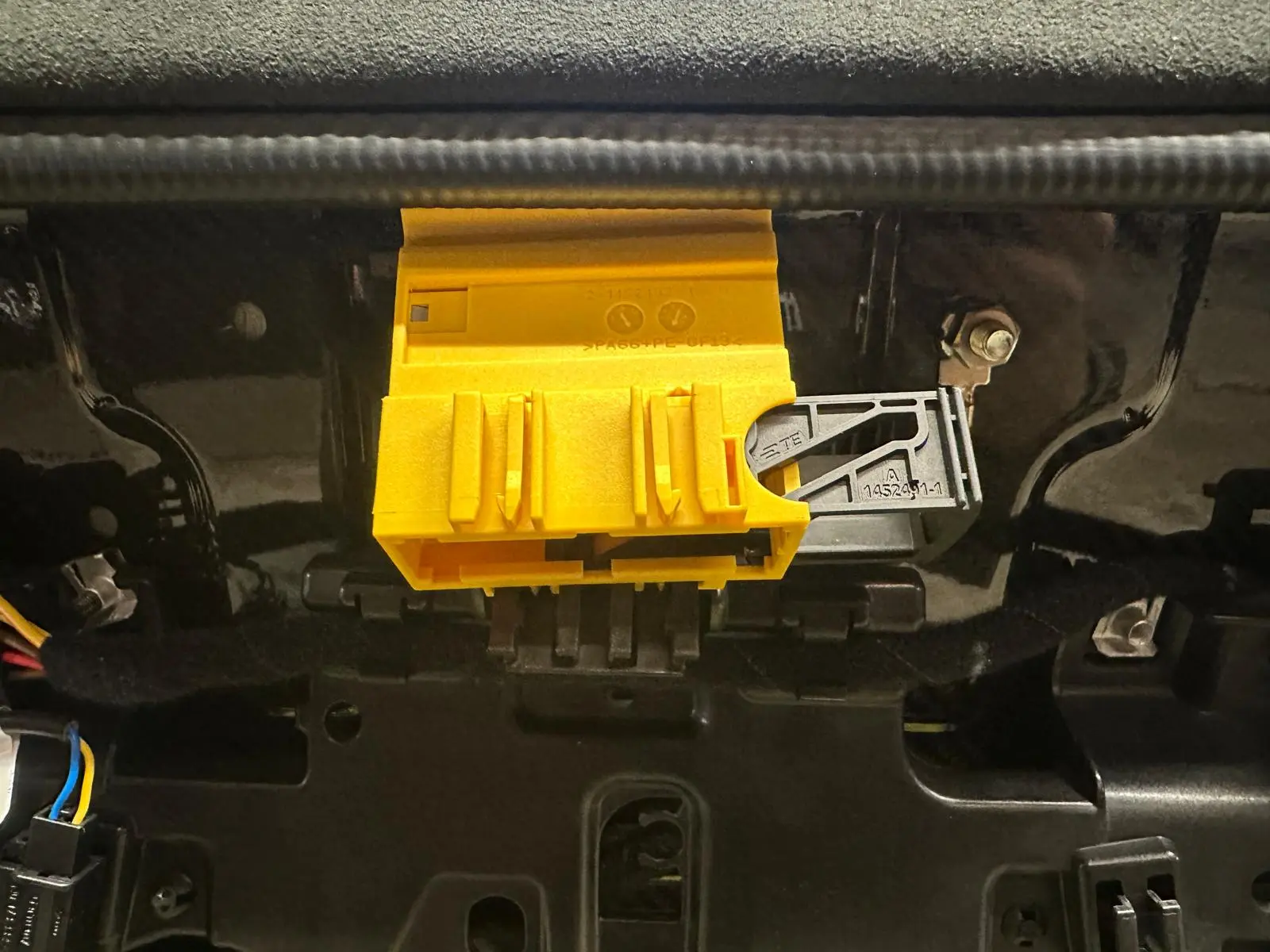
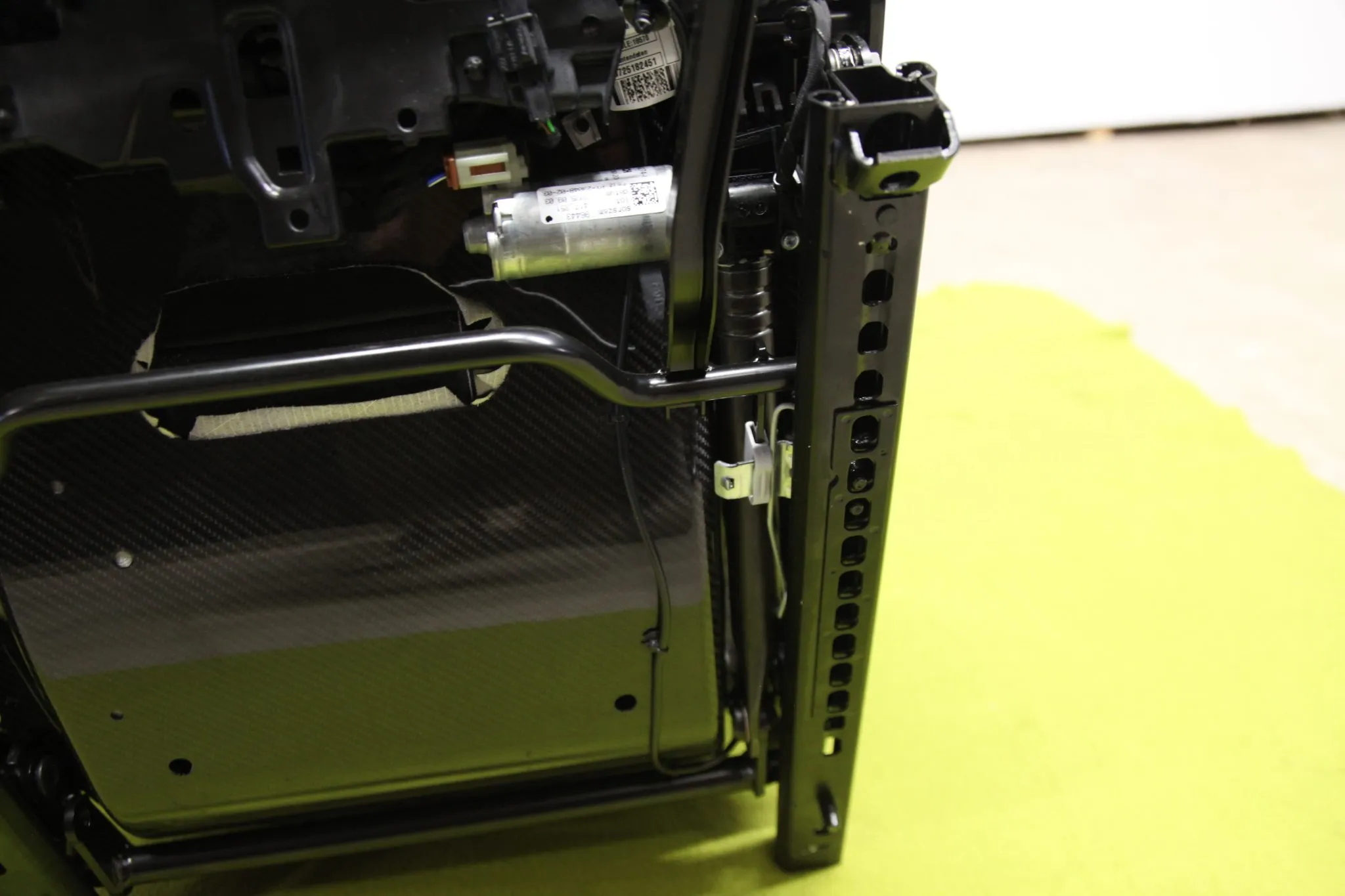
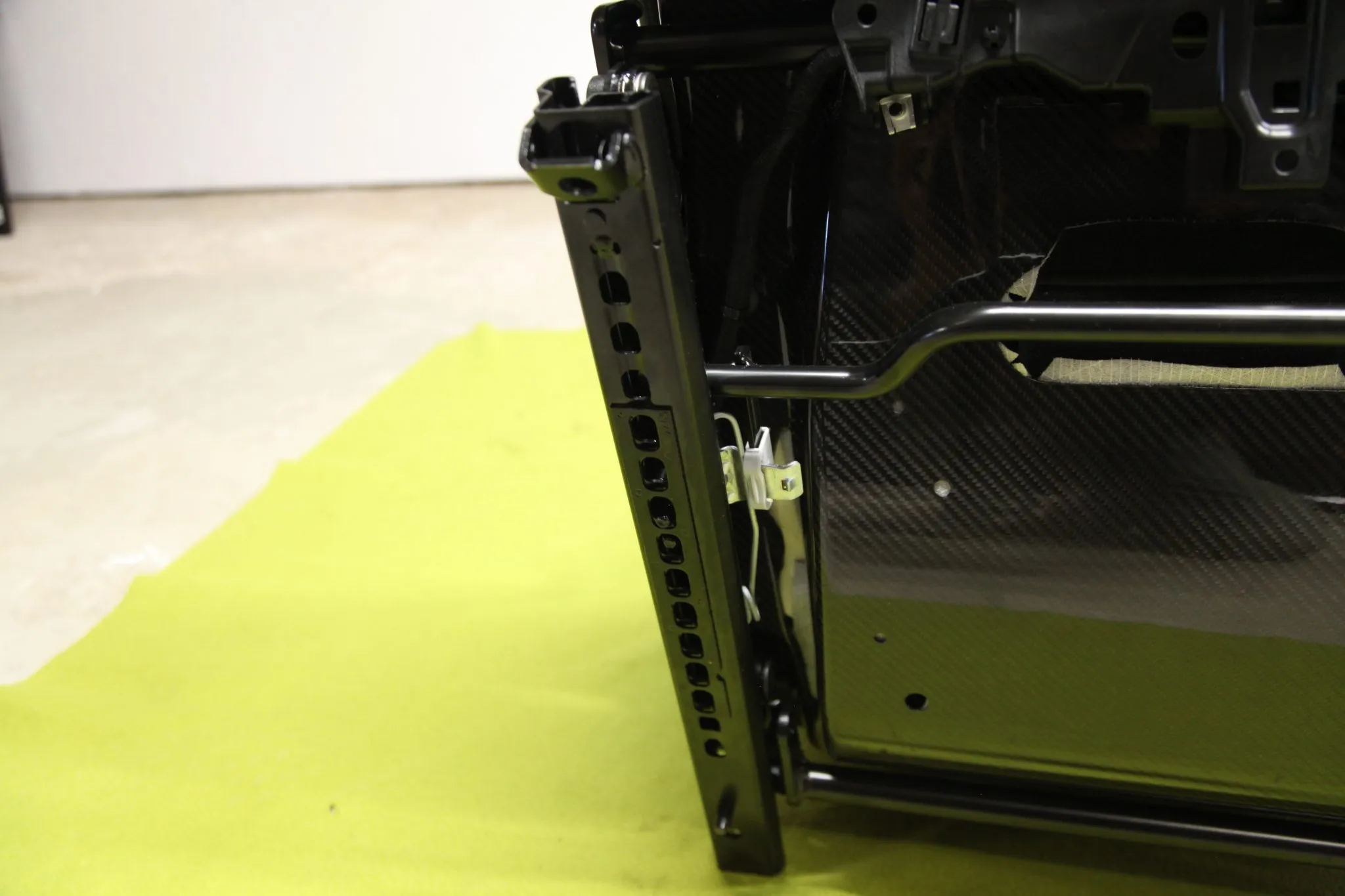
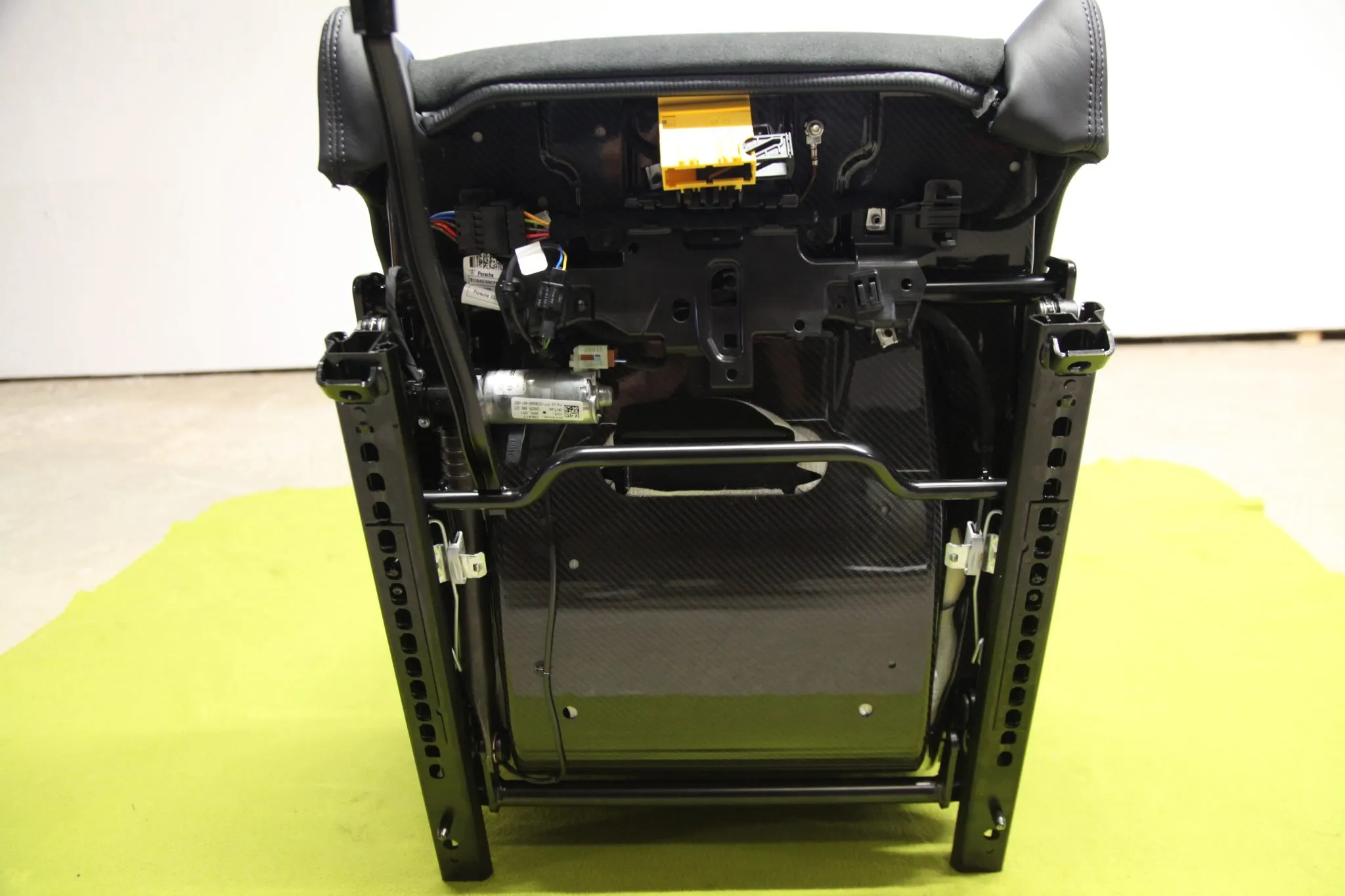
Listing Details
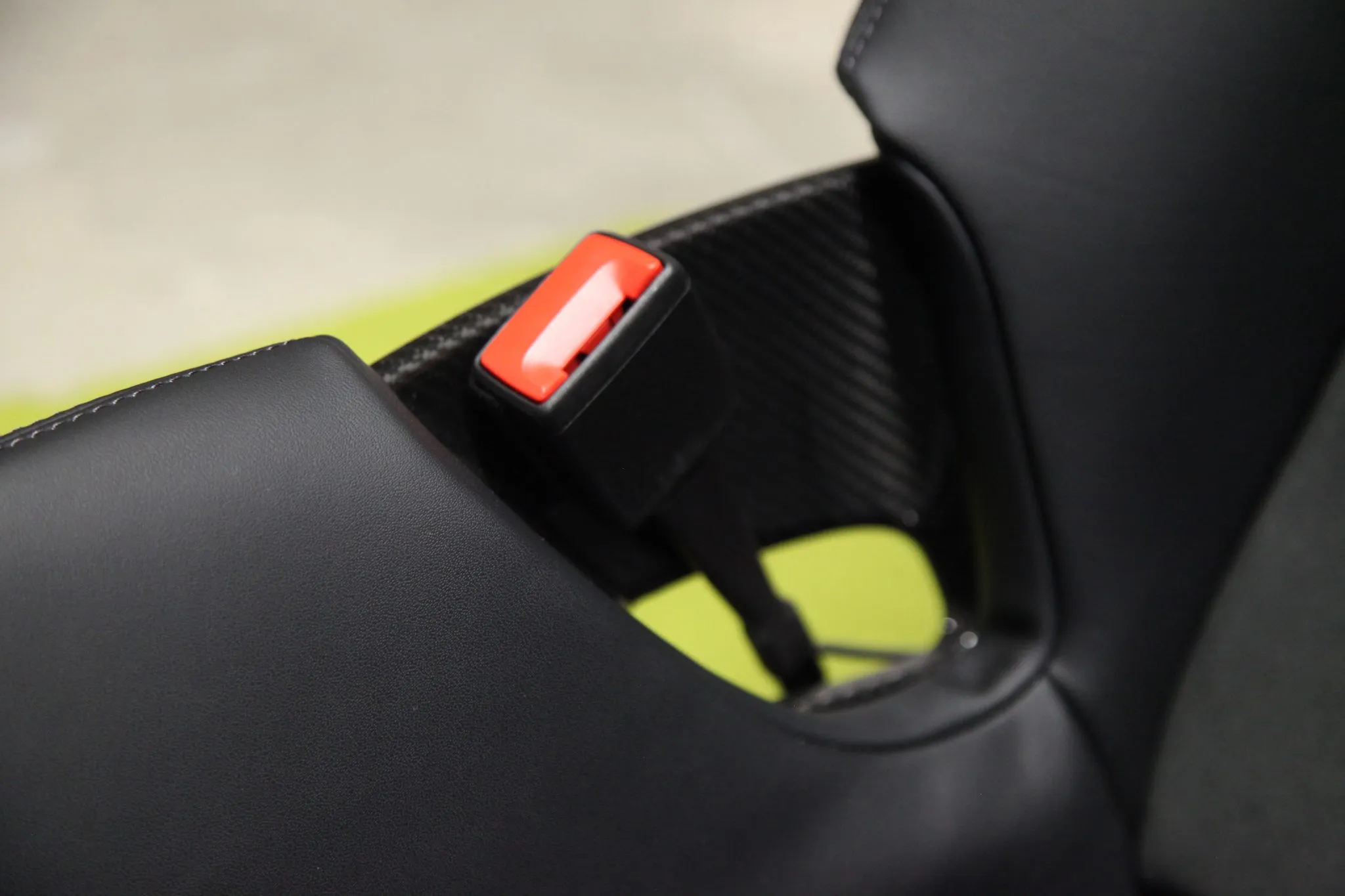
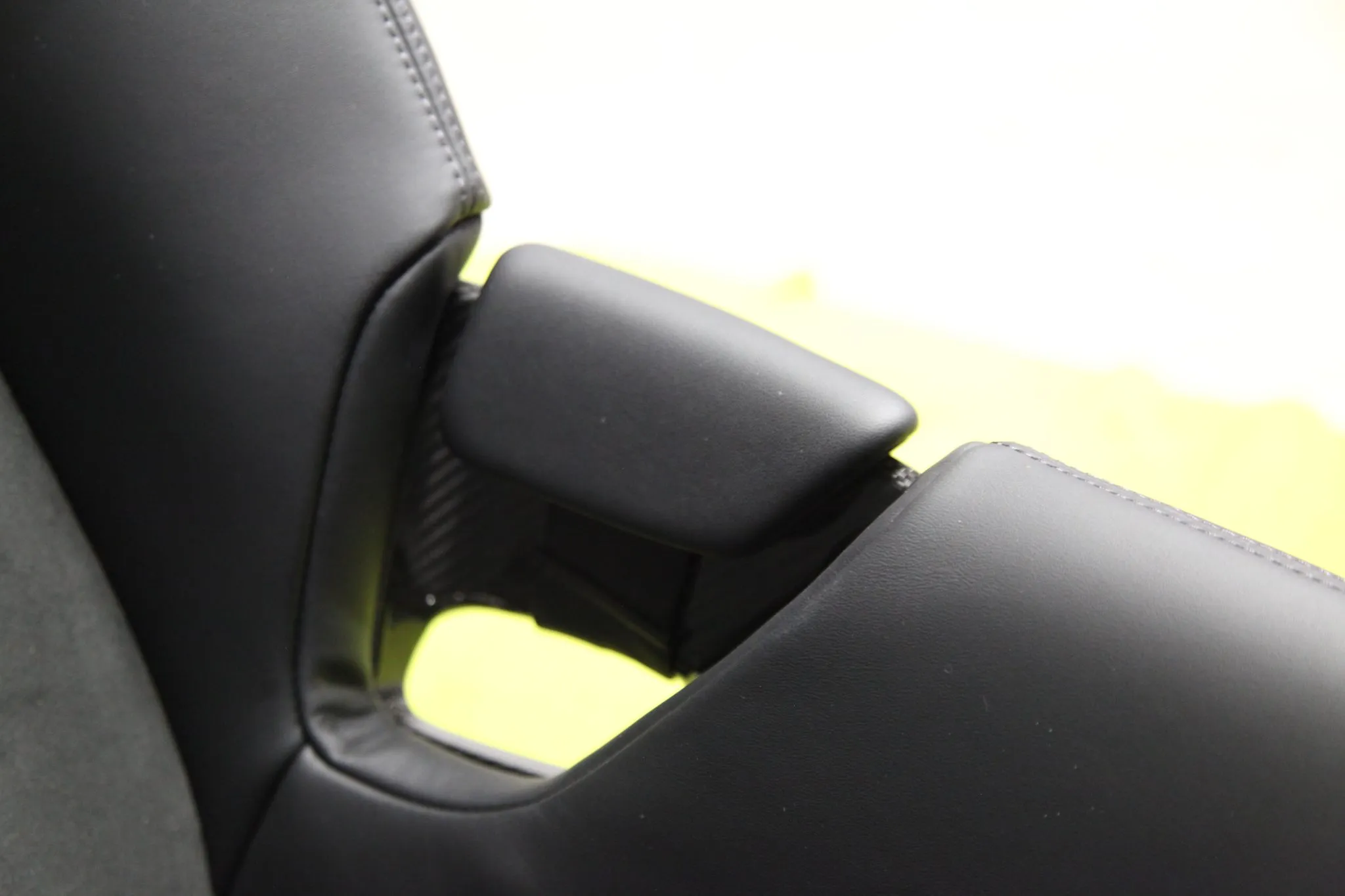
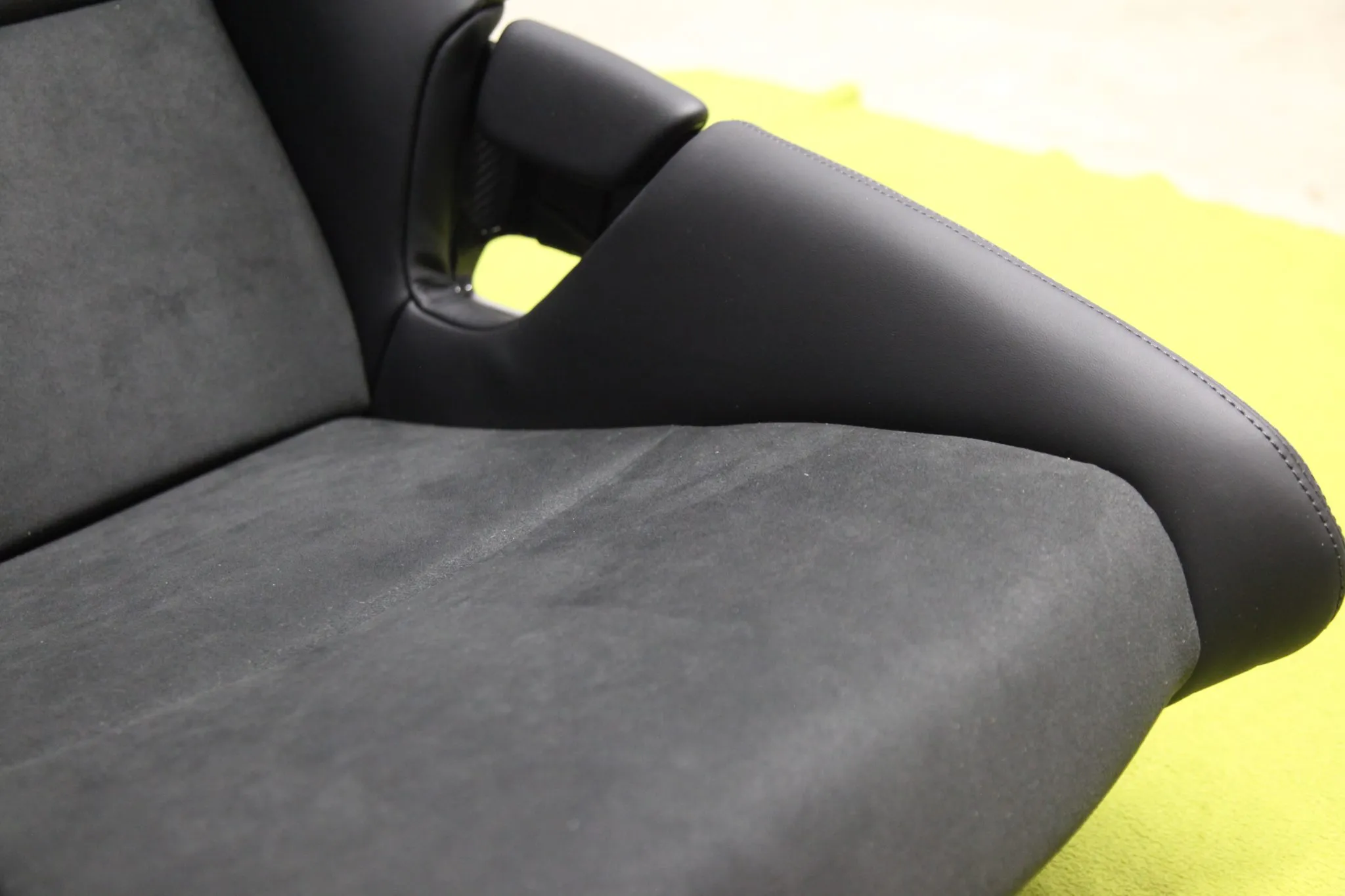
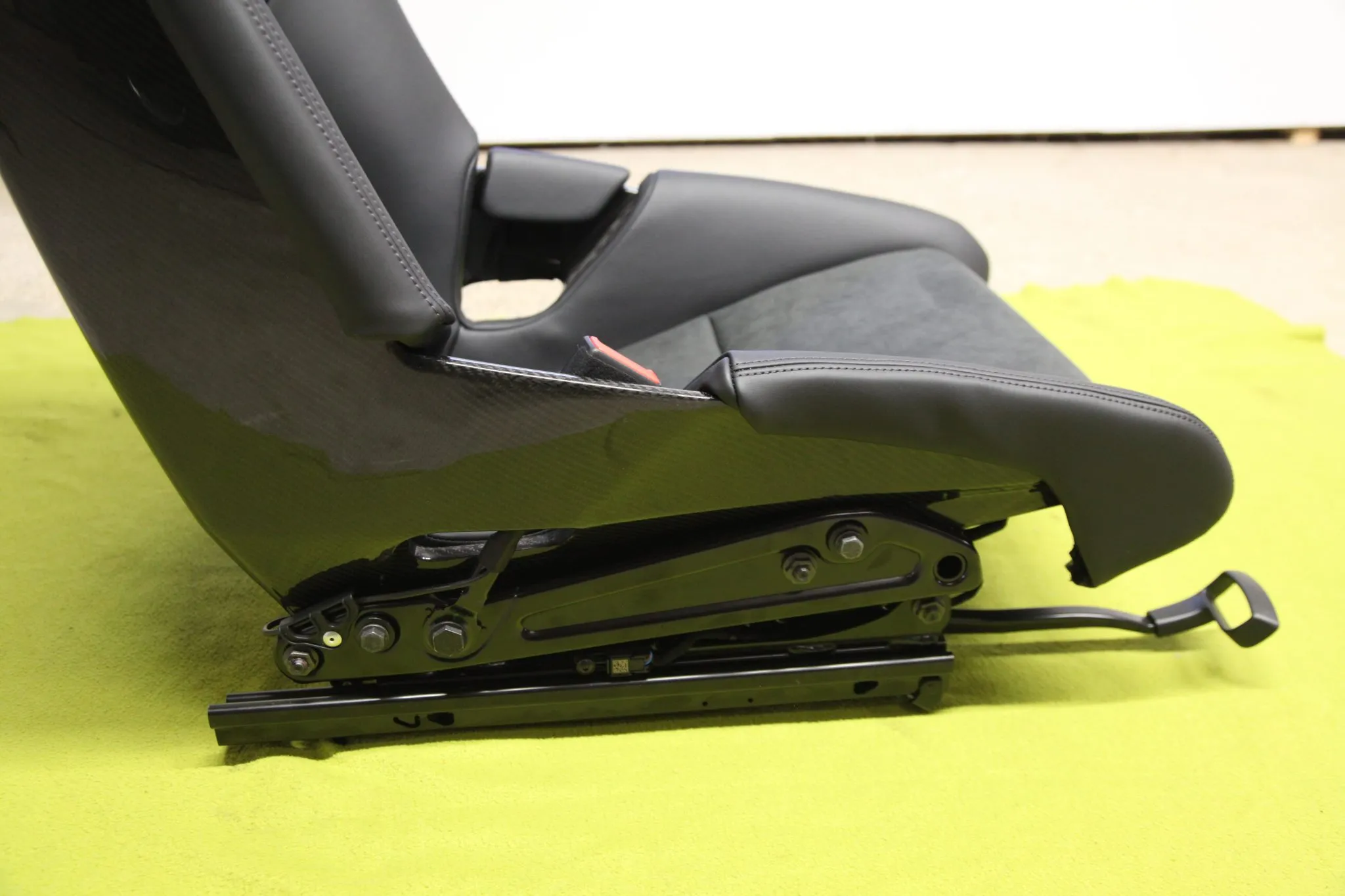
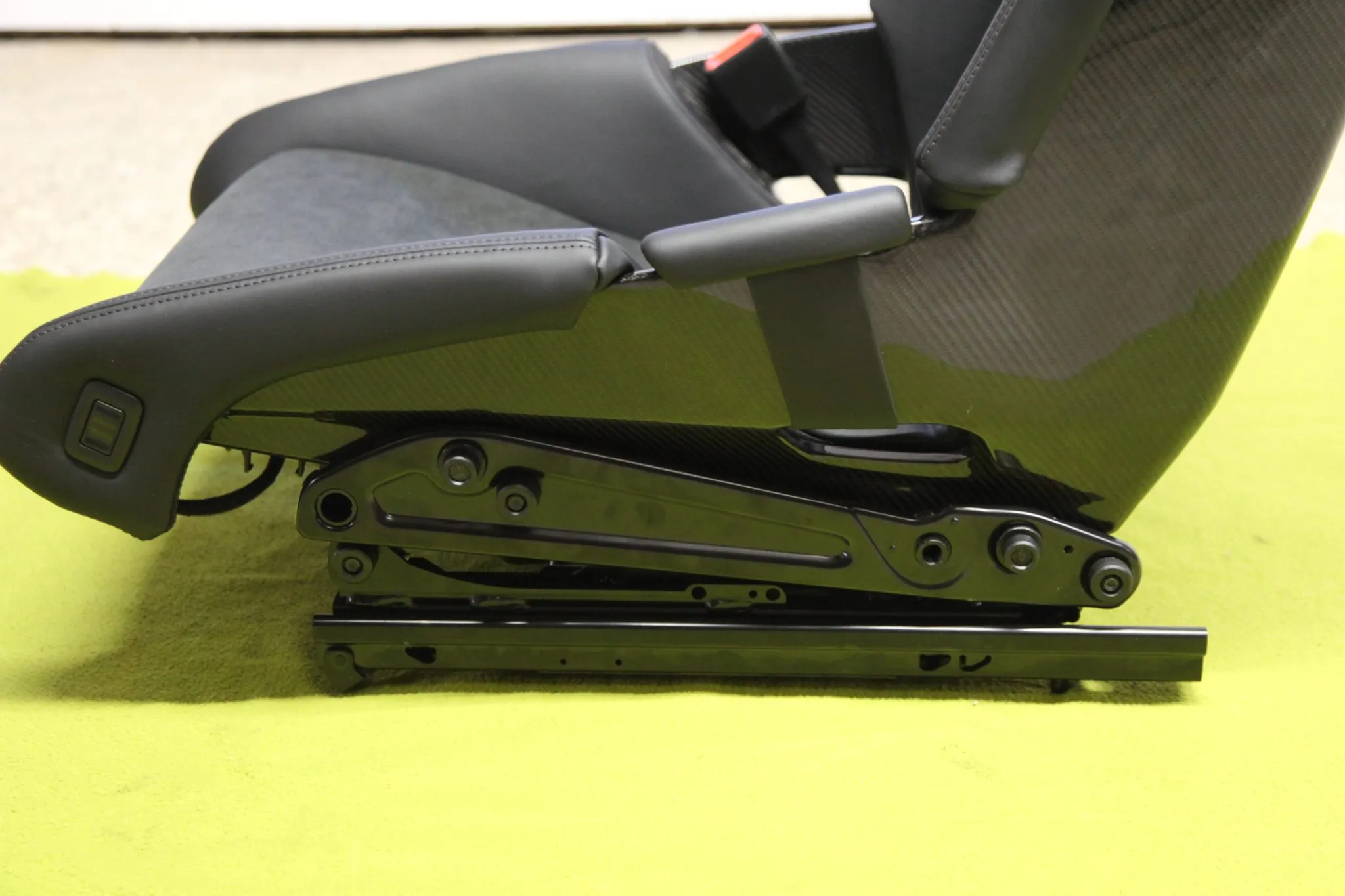
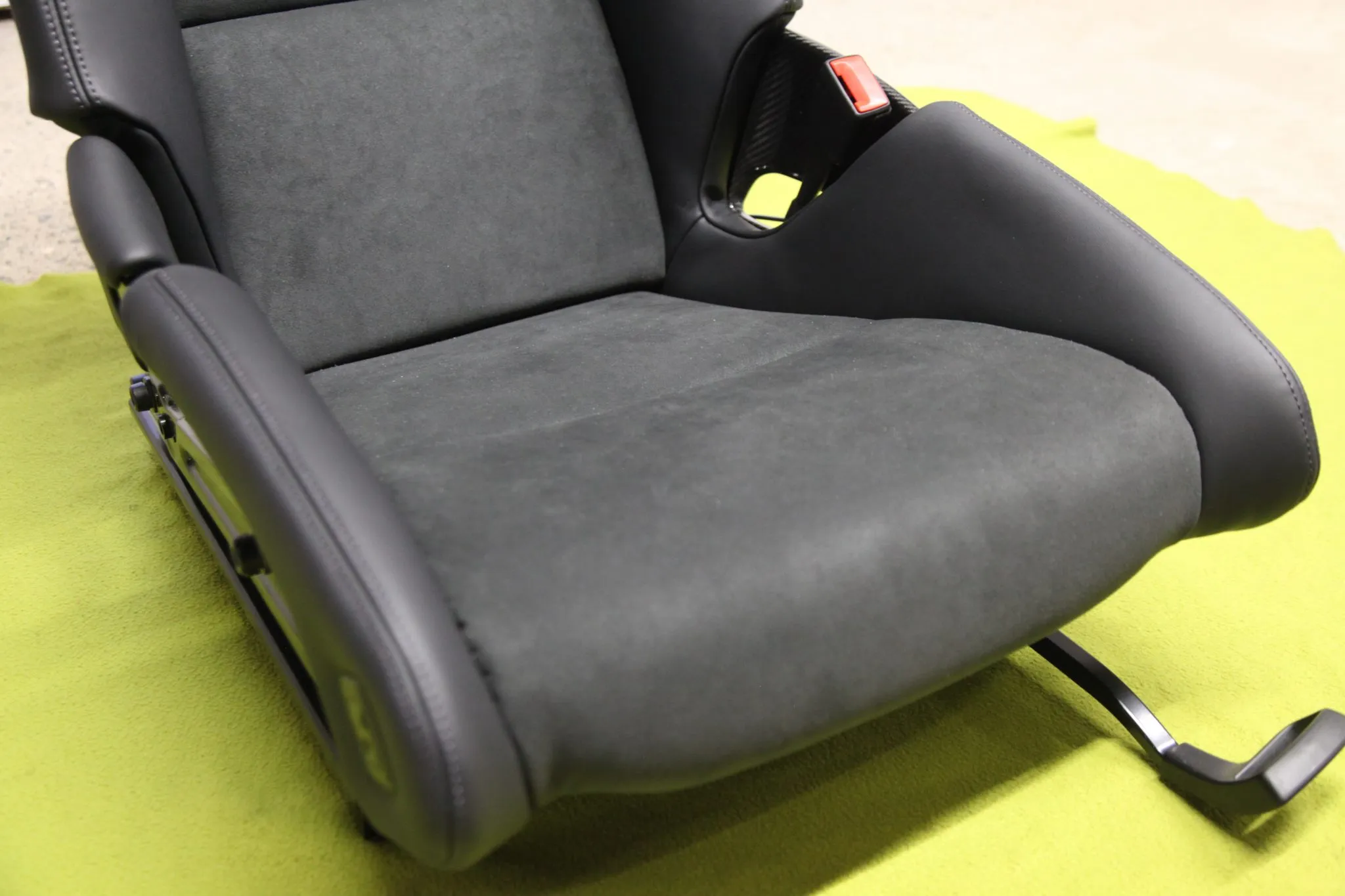
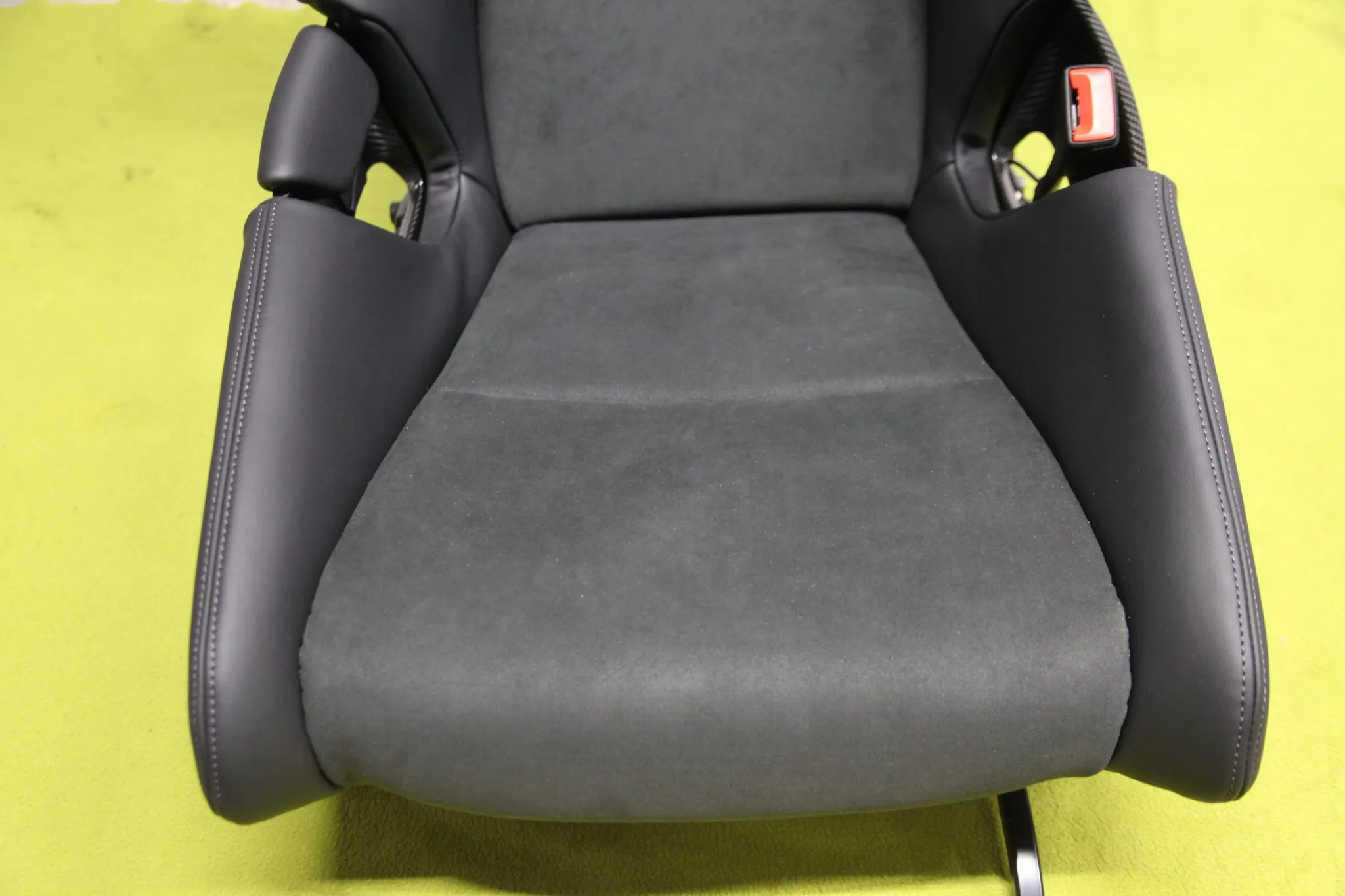
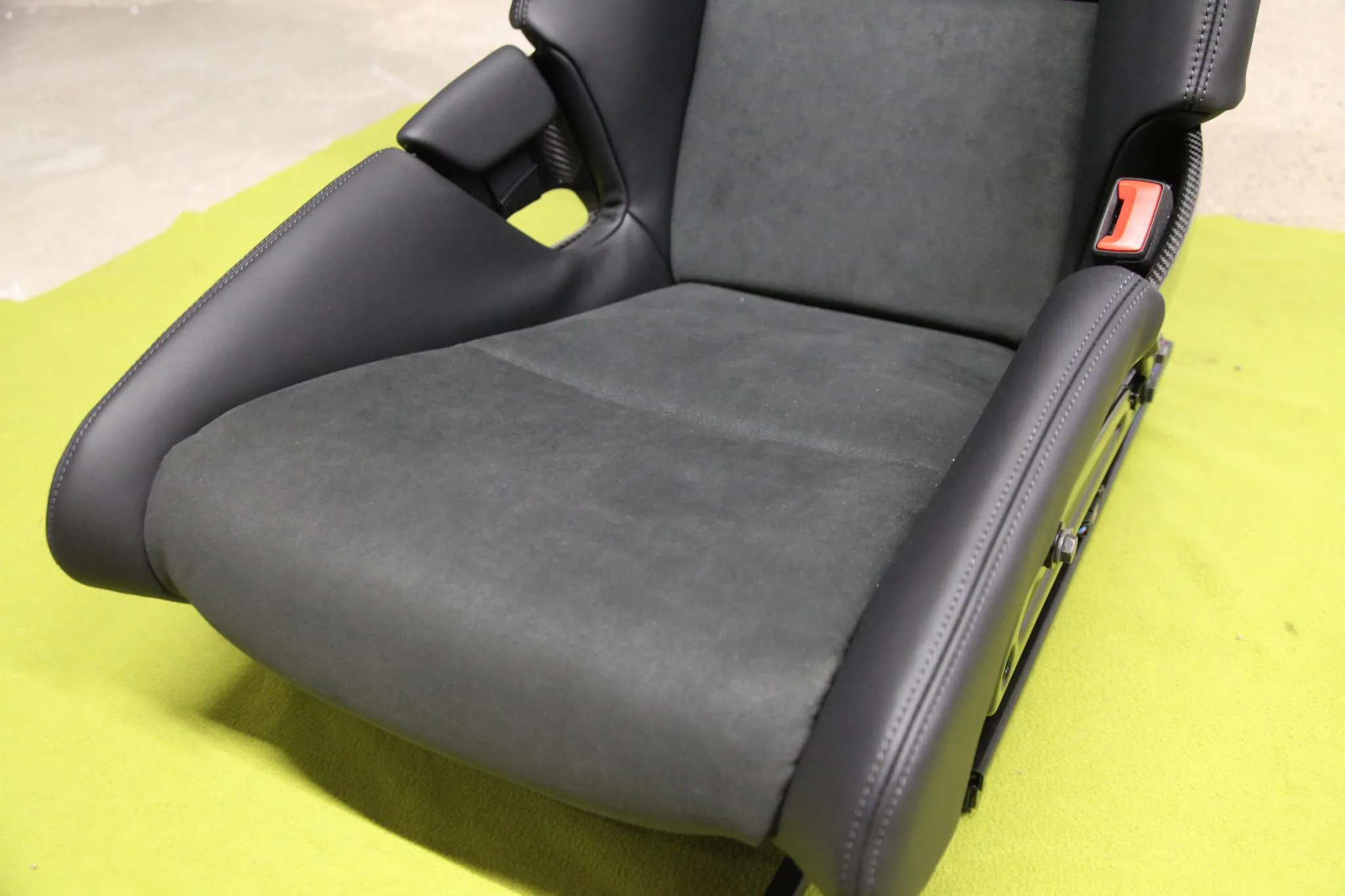
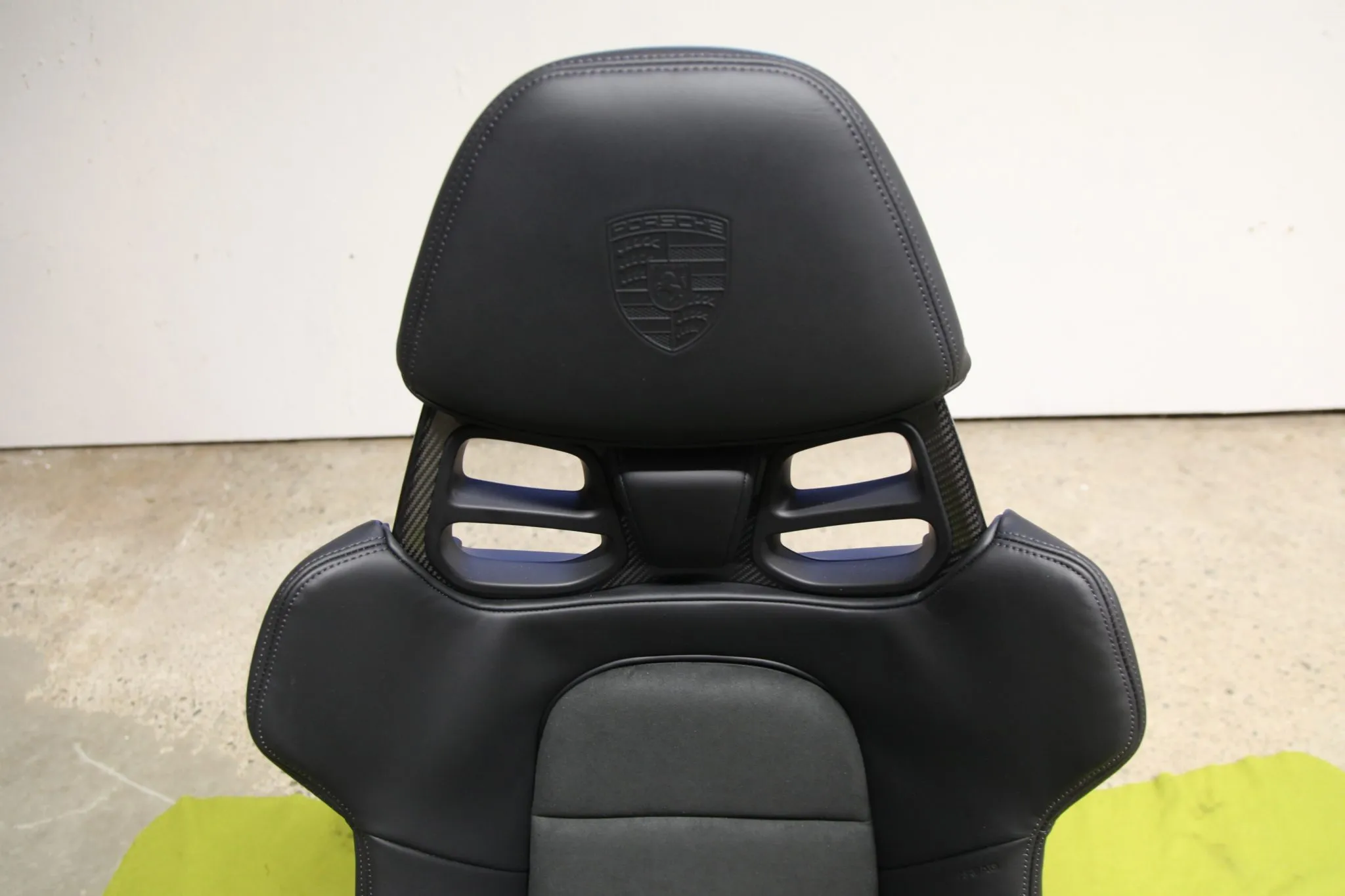
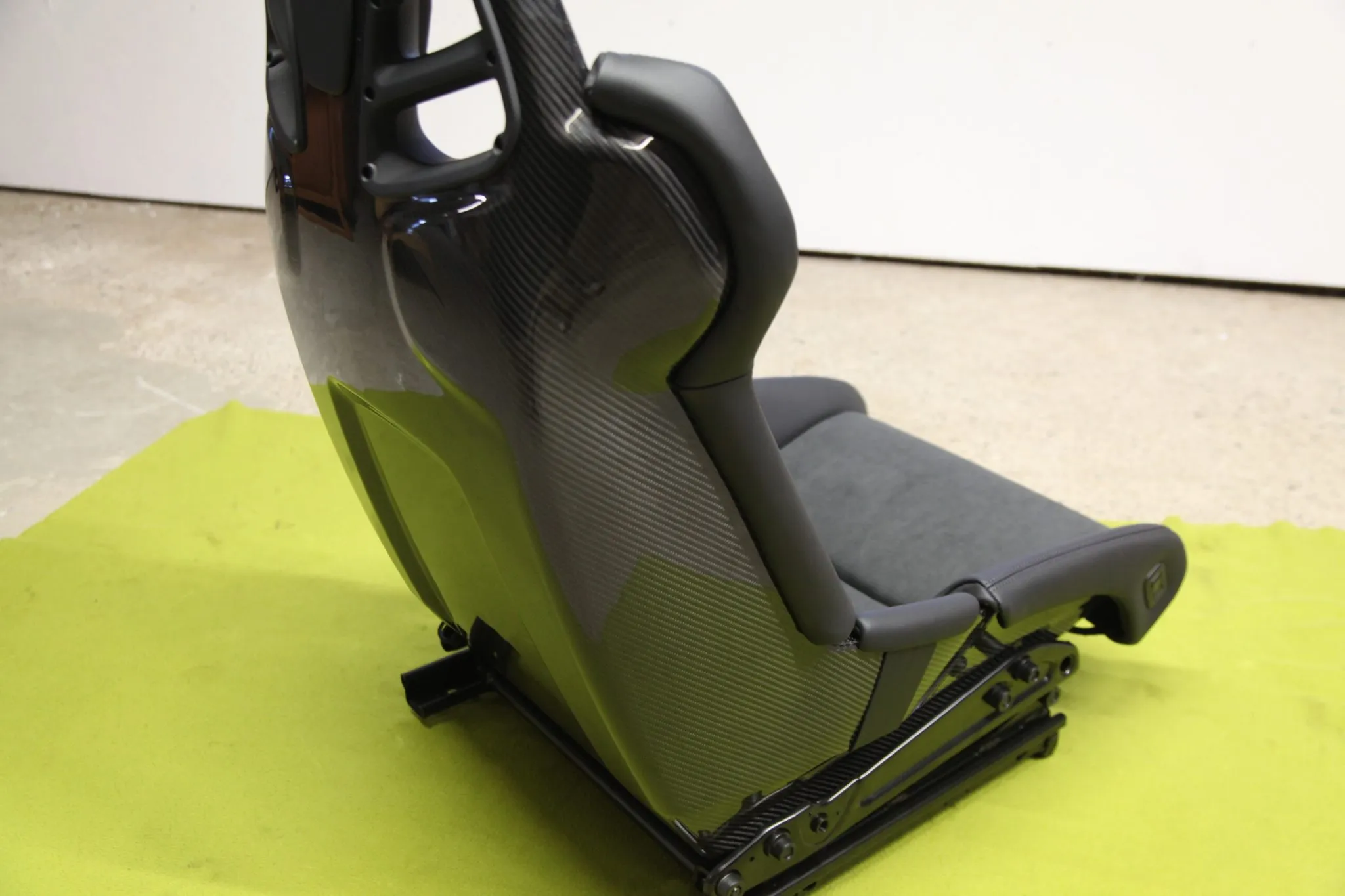
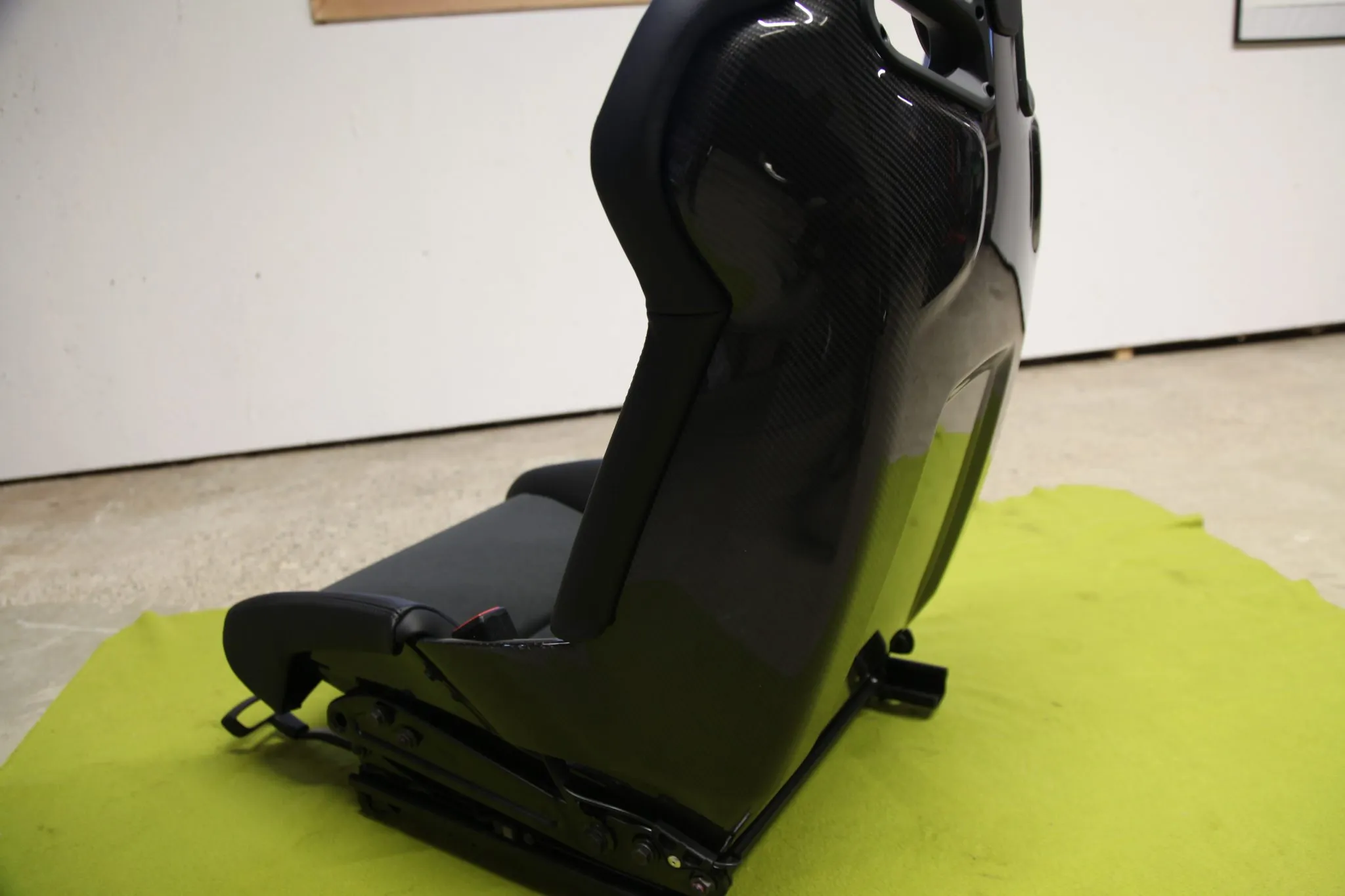
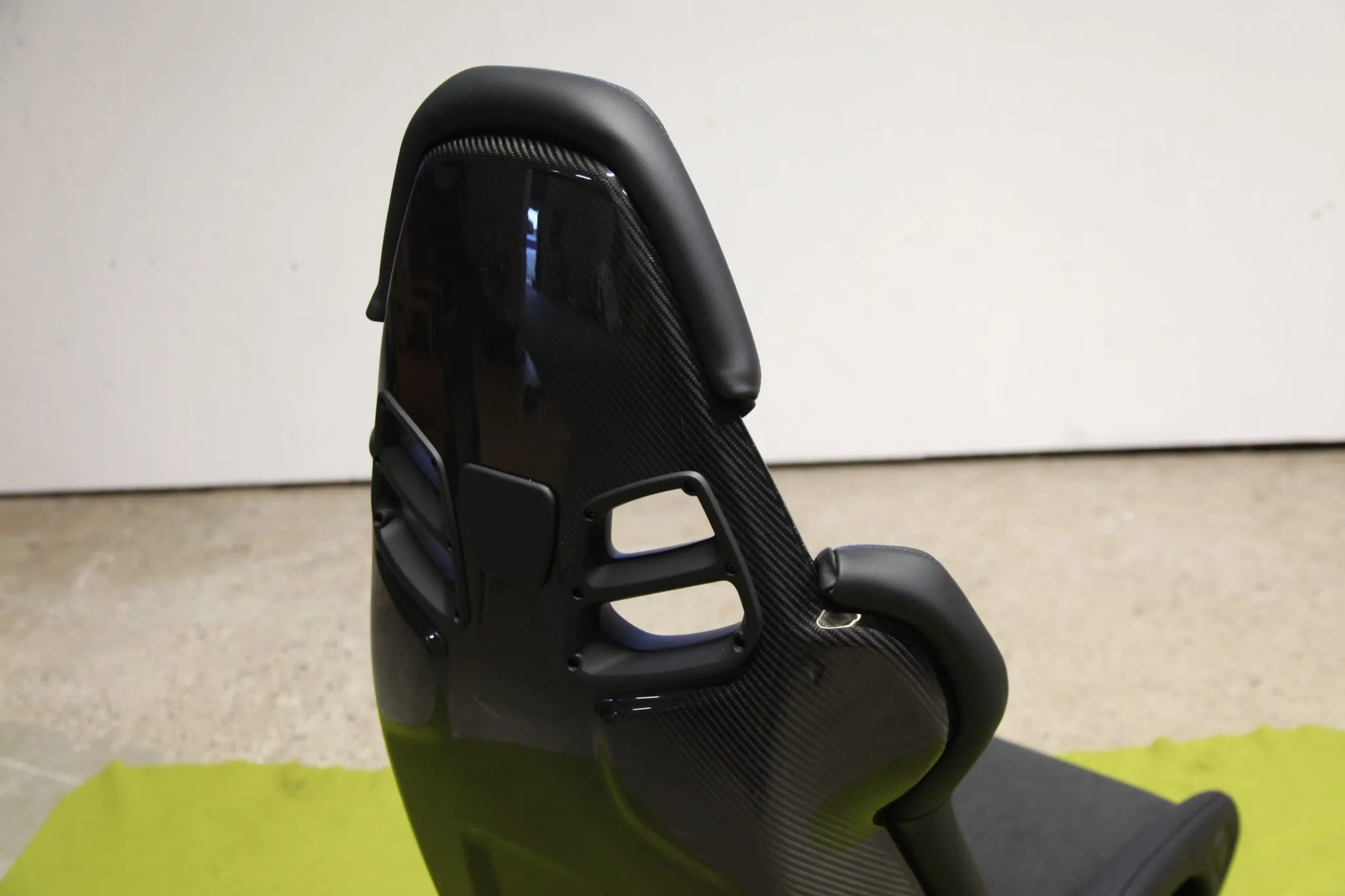
- Pair of Porsche 992 Bucket Seats
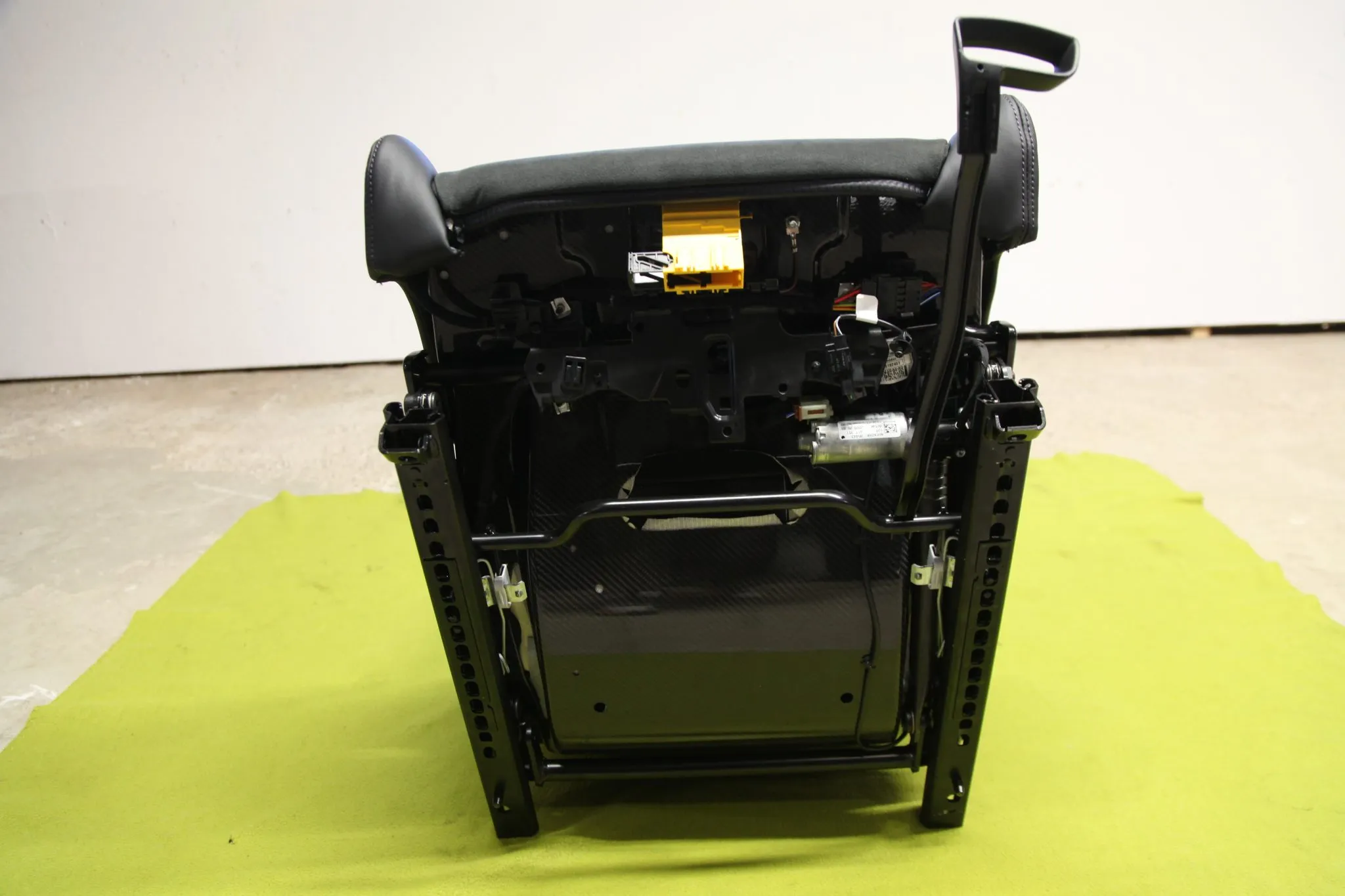
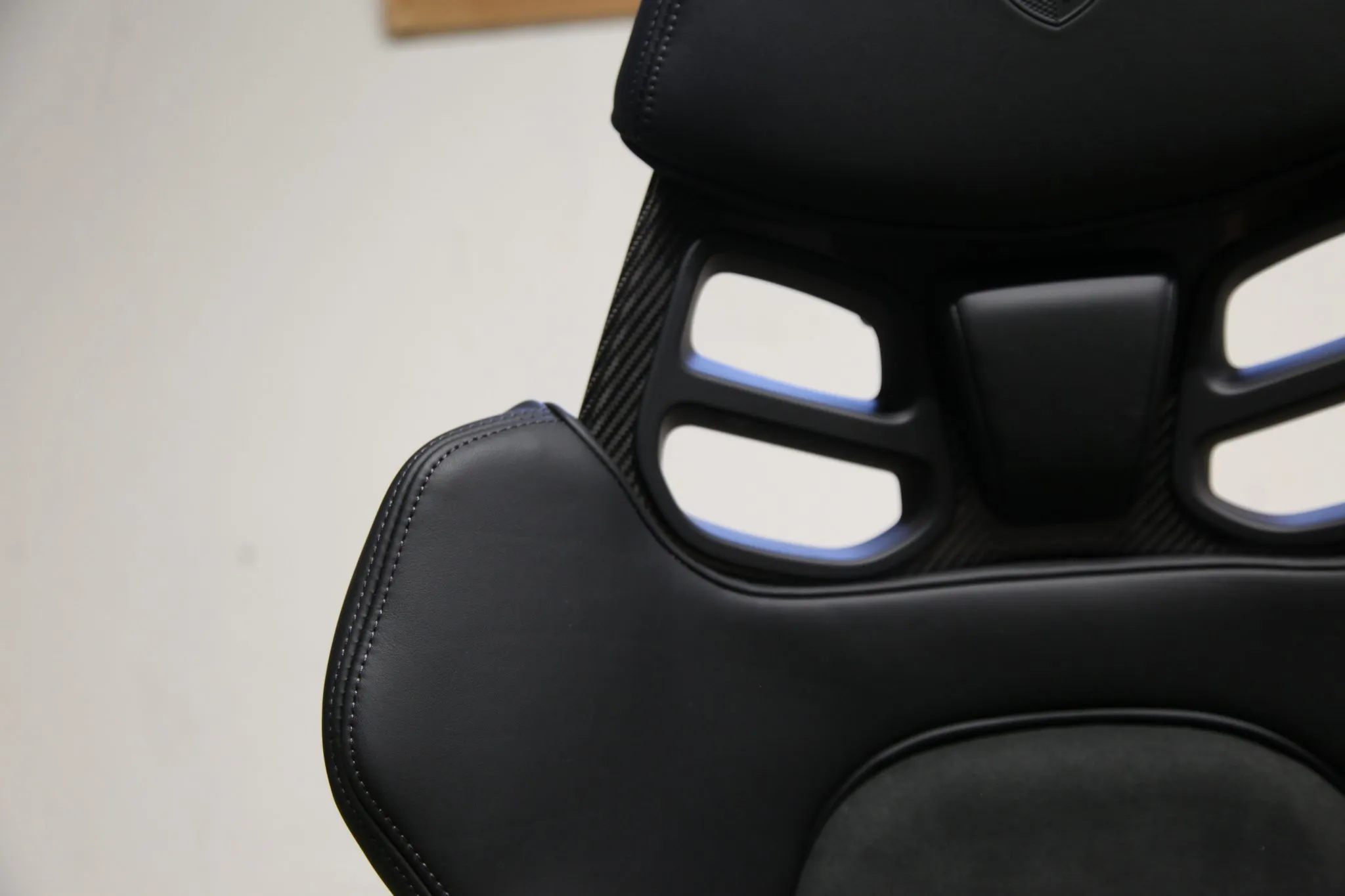
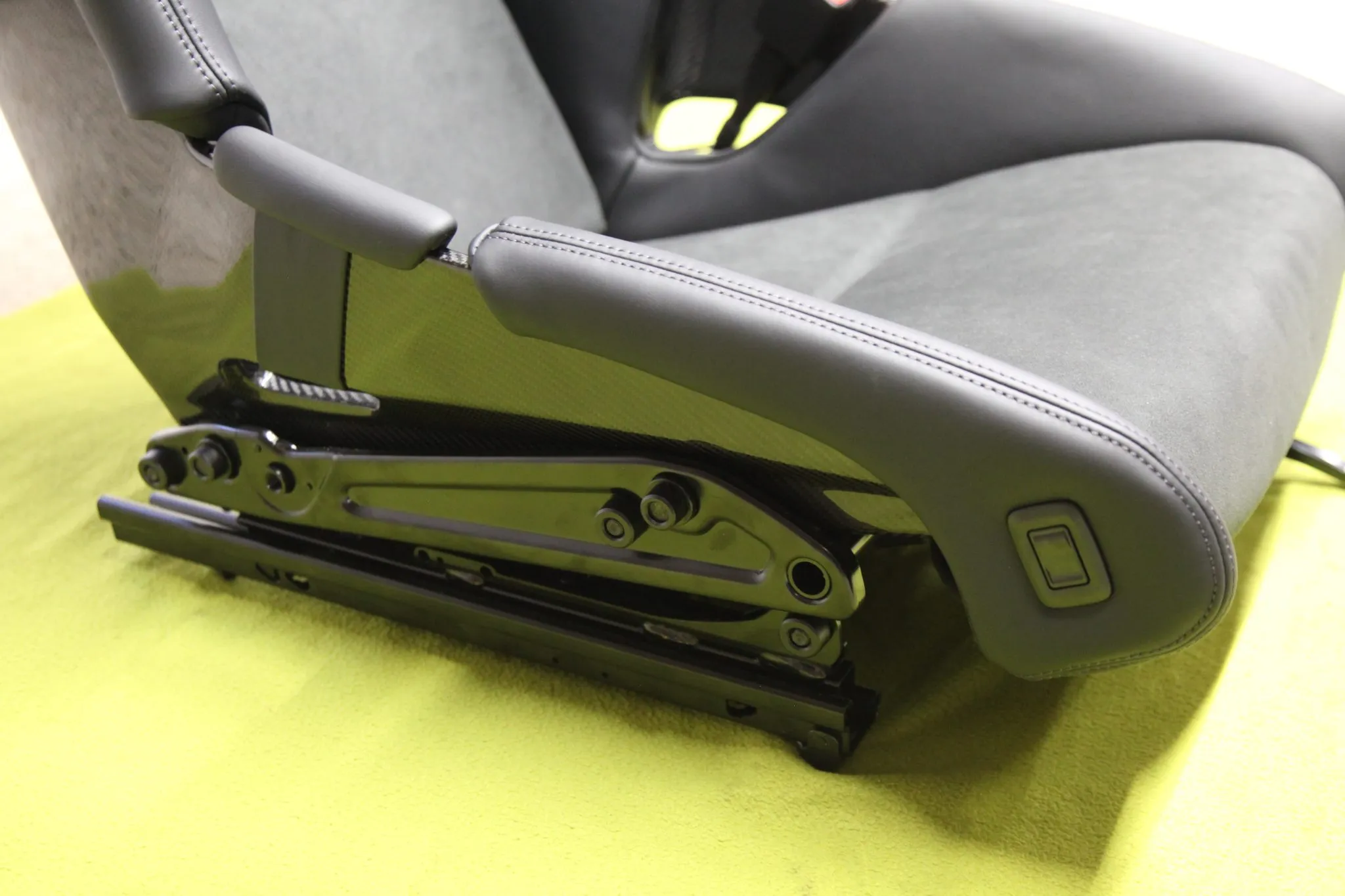
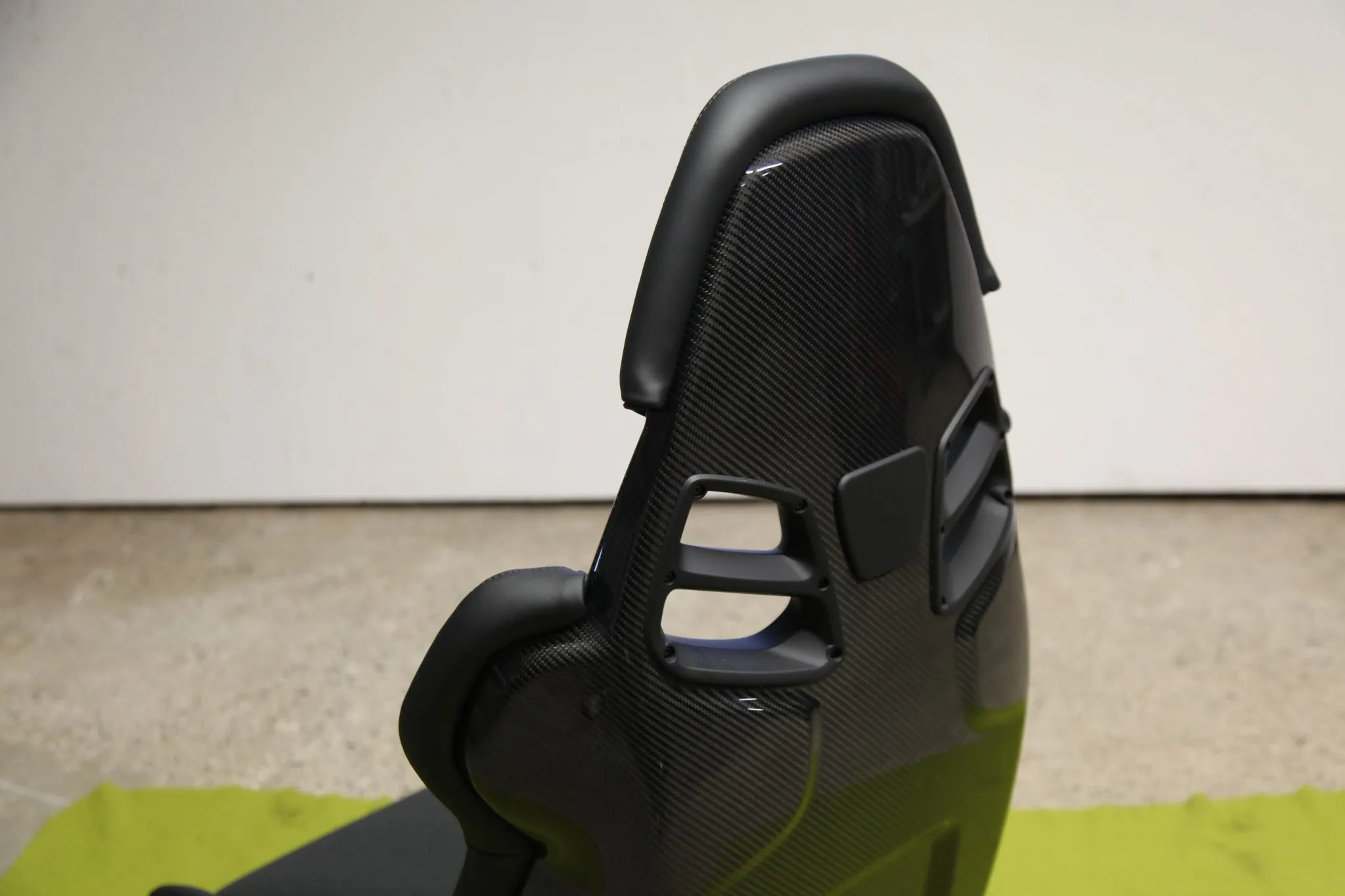
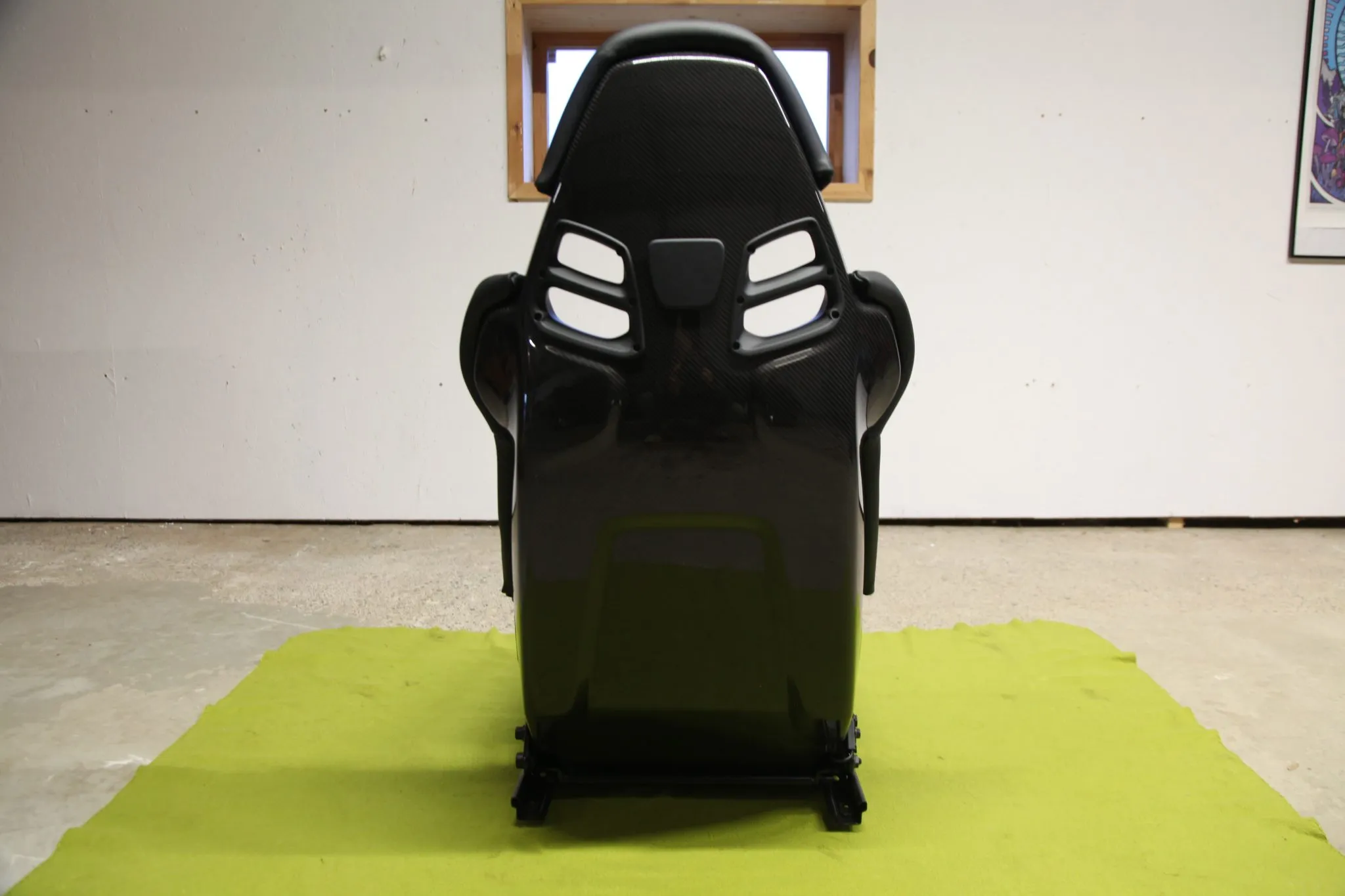
- Carbon-Fiber-Reinforced Construction
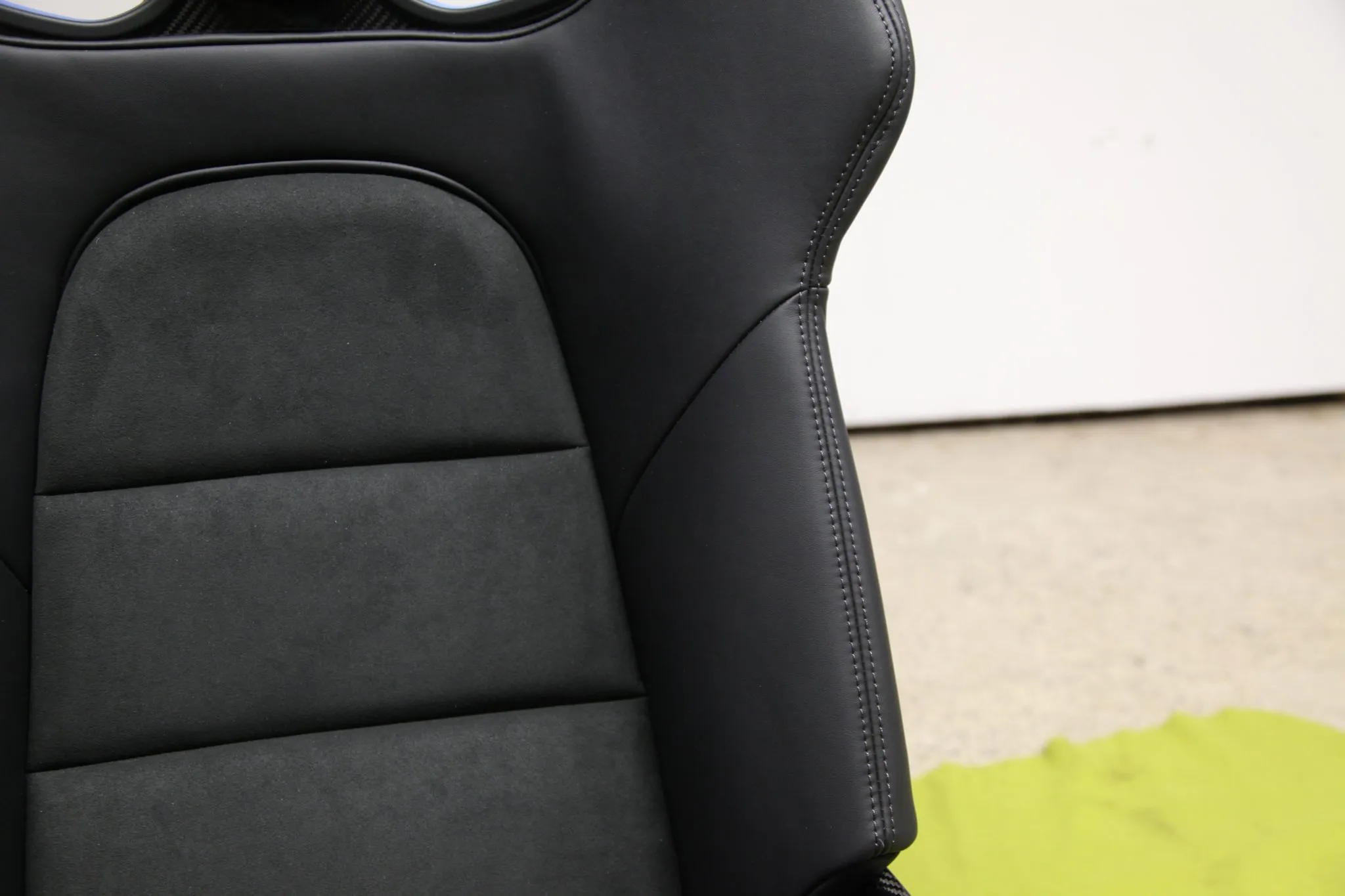
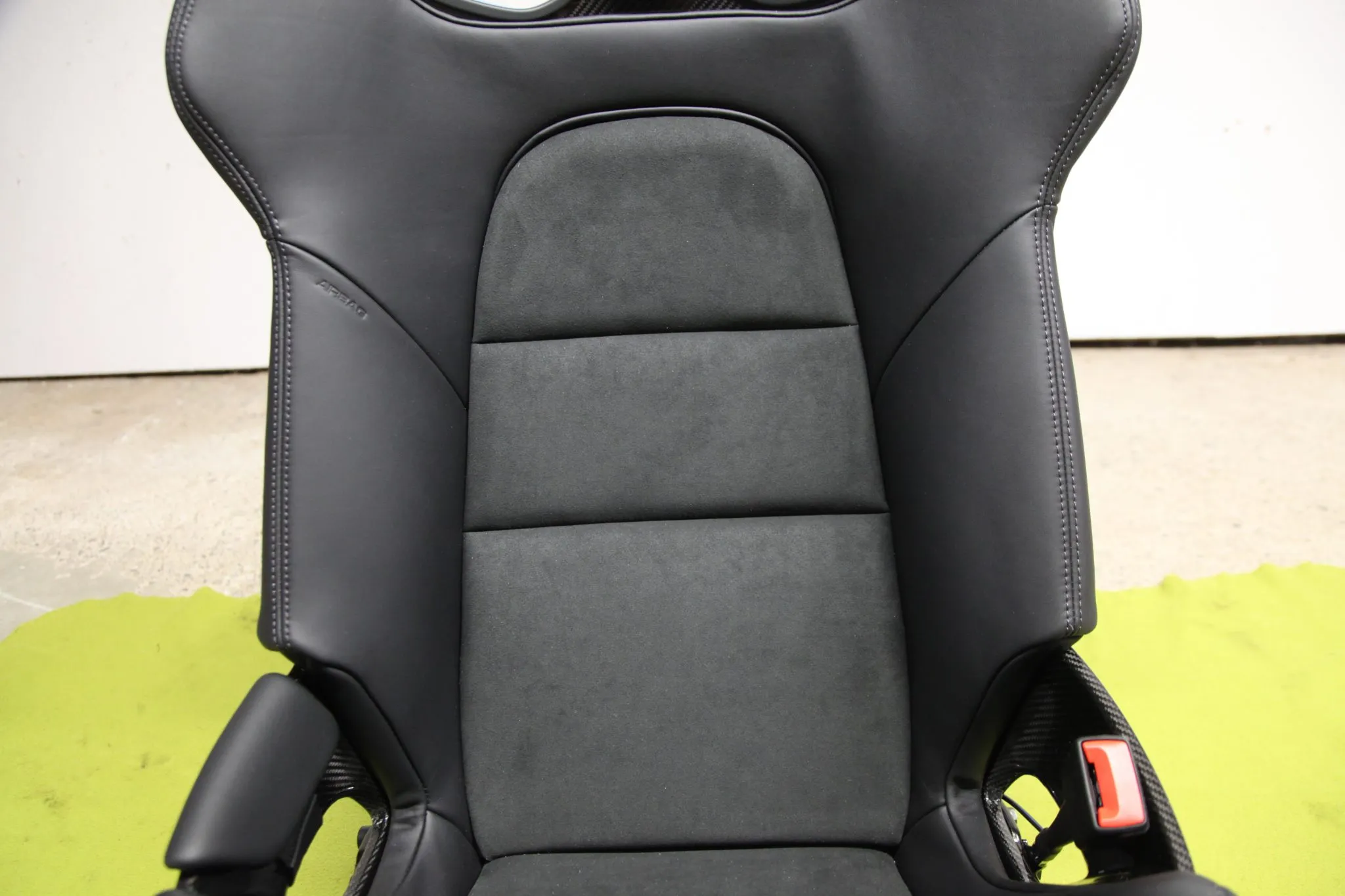
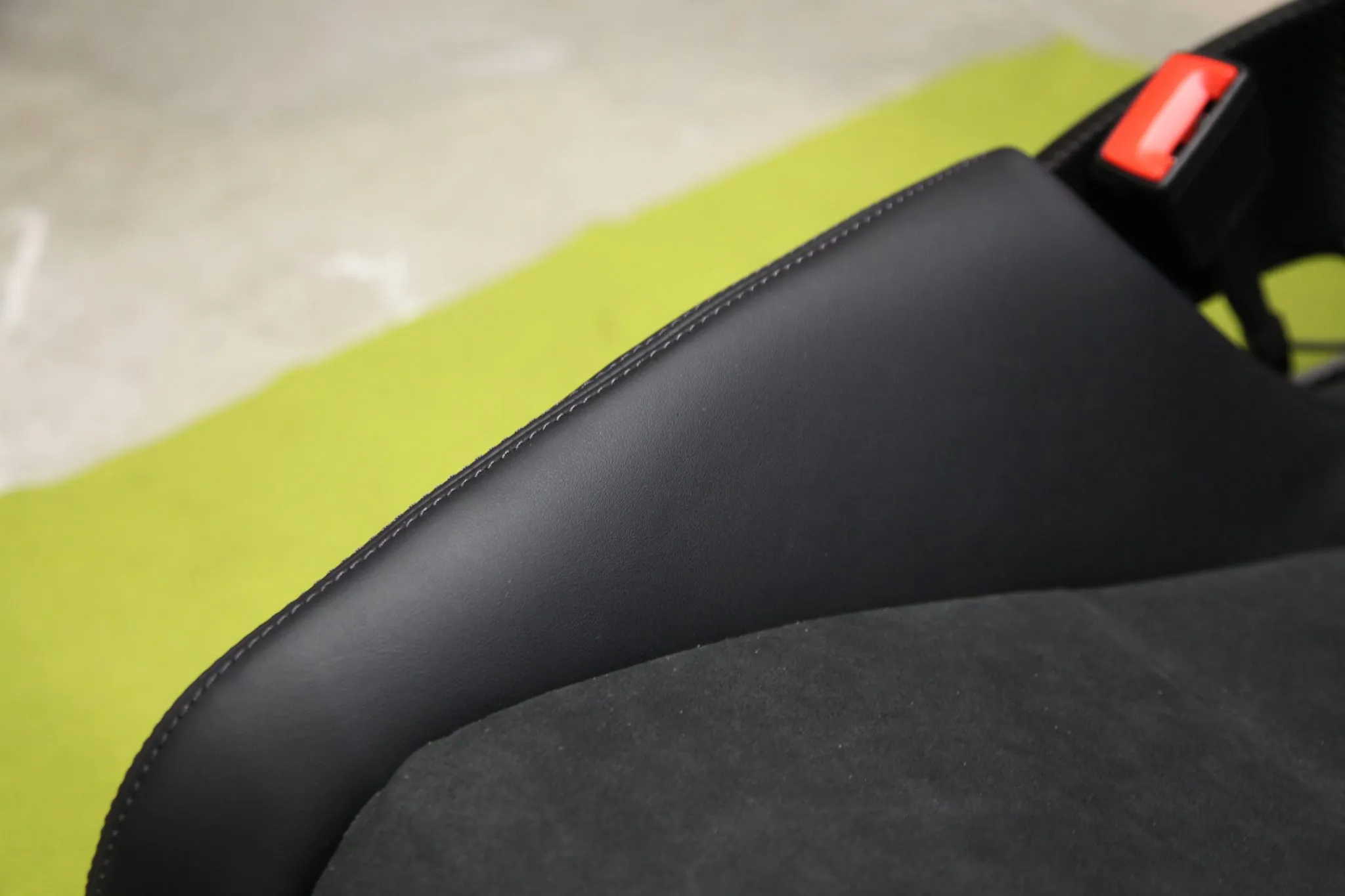
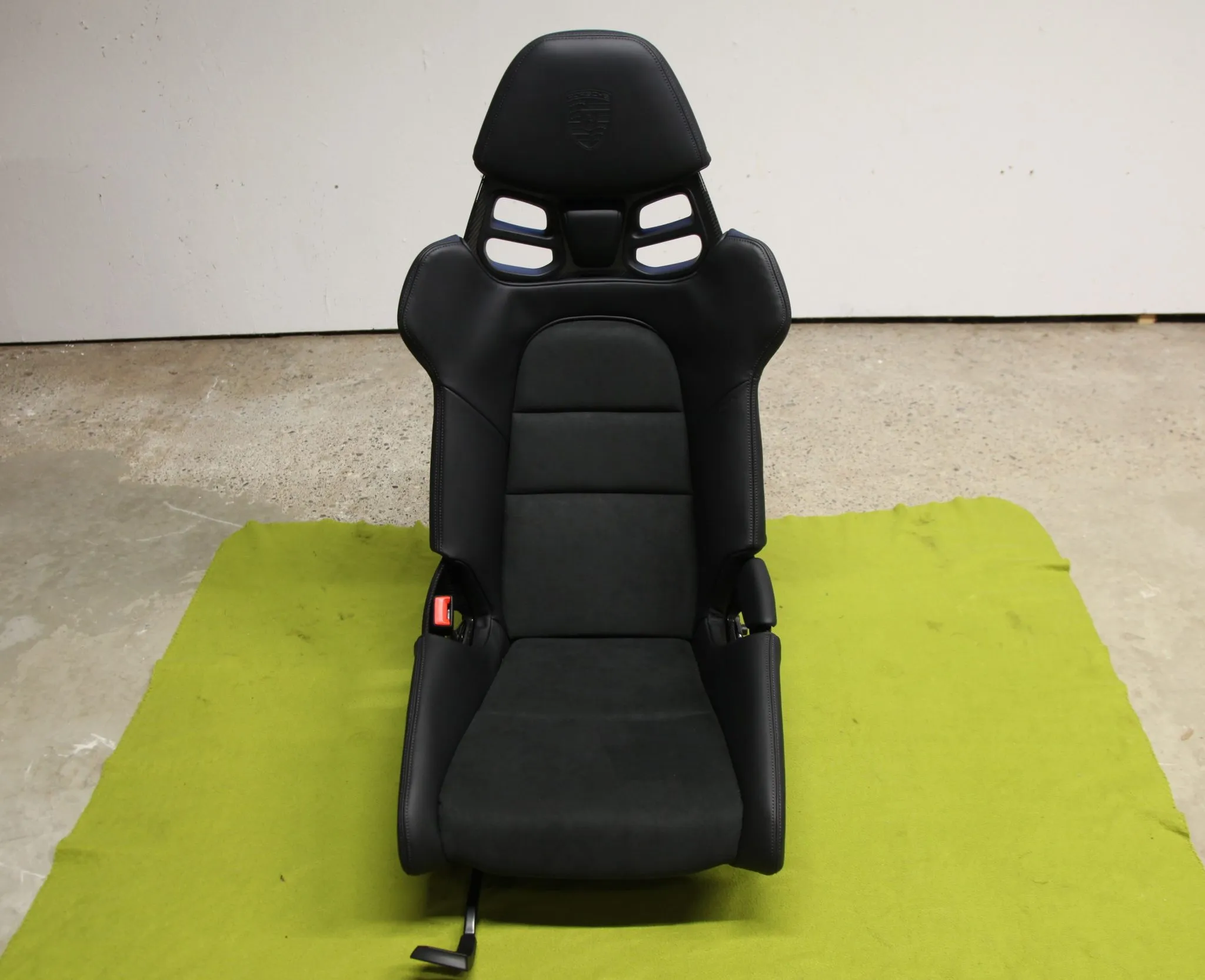
- Black Leather & Race-Tex Upholstery
- Porsche Crest Debossed on Headrest
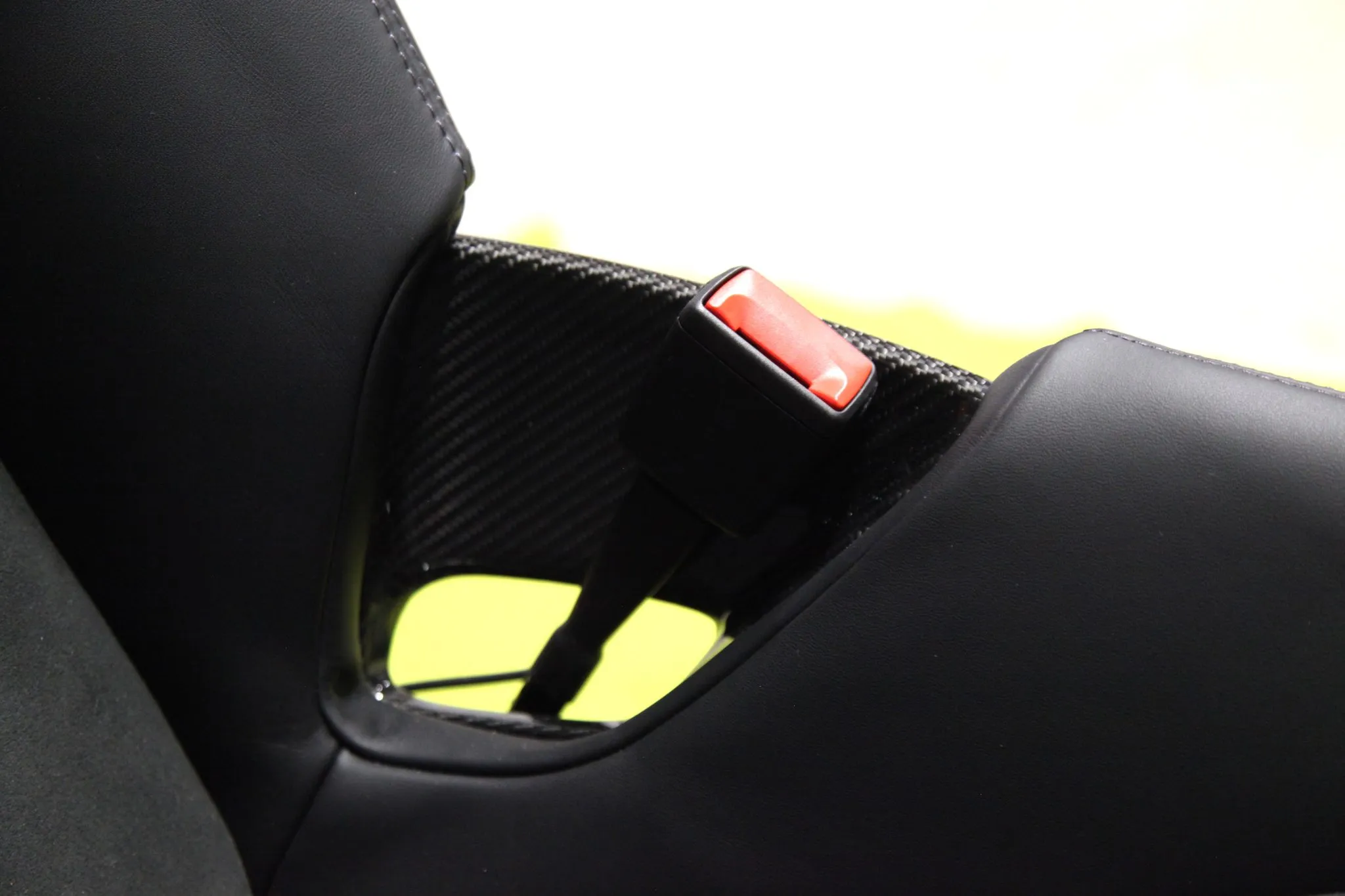
- Harness Passthroughs
- Side Airbags
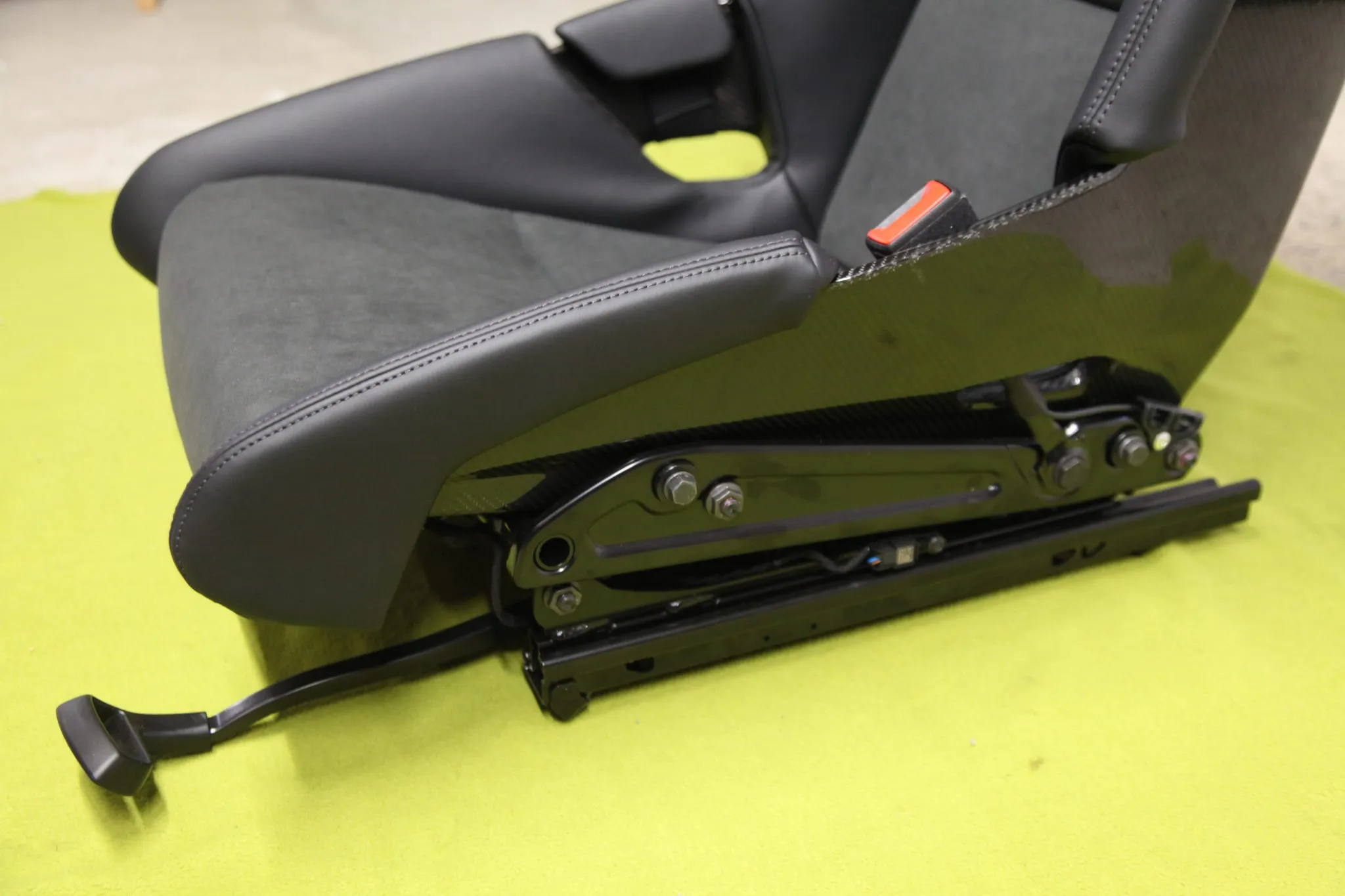
- Seat Belt Receivers & Sliding Rails
- Height-Adjustable
- $0 USD
1. Full Bucket Seats (LWB)
These are the most common “hardcore” option, often standard on the GT3 and GT3 RS, and optional on the Carrera T and GTS.
-
Construction: A single-piece shell made of Carbon Fiber Reinforced Plastic (CFRP) with a visible carbon weave on the back.
-
Adjustment: Electric height adjustment, but manual fore/aft adjustment. The backrest does not recline.
-
The 992 Upgrade: For the 992.2 (2025–2026), Porsche introduced a revised version where the headrest padding can be removed. This creates extra “helmet room” so your head isn’t pushed forward during track days.
-
Airbags: They include integrated thorax airbags, making them street-legal and safe despite their racing appearance.
2.Folding Lightweight Bucket Seats
Often found in the 911 Turbo S or as an option in European markets, these are the “best of both worlds” for those who need access to the rear.
-
Design: They look nearly identical to the Full Buckets from the front but feature a hinge that allows the backrest to fold forward.
-
Benefit: This is the only way to have a “bucket seat” experience while still being able to throw a gym bag or groceries into the rear seat area easily.
-
Cost: On a 2026 Turbo S, these are often a standalone option costing roughly $5,700–$6,000.
3. 3D-Printed Bodyform Seats
This is Porsche’s newest cutting-edge seat technology. It isn’t a whole new seat, but rather a specialized insert for the Full Buckets.
-
Custom Firmness: You can choose between Soft, Medium, or Hard densities for the center cushion and backrest.
-
Performance: The 3D-printed lattice structure improves “passive climate control” (airflow) and provides a more direct connection to the car’s chassis.
-
Aesthetics: The lattice is visible through the Race-Tex upholstery and can be ordered in colors like Shark Blue, Guards Red, or Arctic Grey.
-
Price: A full set of inserts typically retails for around $3,200–$3,500.
4. Comparison: Buckets vs. Adaptive Sport Seats Plus
| Feature | Full Bucket Seats (LWB) | Adaptive Sport Seats Plus (18-Way) |
| Primary Goal | Weight saving & lateral support. | Maximum adjustability & comfort. |
| Weight | ~7kg (15 lbs) lighter than standard. | Heavier due to motors/pumps. |
| Recline | None (Fixed angle). | Full electric recline. |
| Heating | Optional (standard in 2025+). | Standard. |
| Ingress/Egress | Difficult (High bolsters). | Easy (Bolsters can deflate). |
5. Things to Know Before You Order
-
The “Tilt” Issue: Many owners find the 992 Full Buckets a bit too upright for long highway hauls. Aftermarket companies (like Autoquest or P1 Designs) sell “tilt brackets” that lean the seat back by about 1.5 inches, which many consider a mandatory mod.
-
Wear and Tear: The outer leather bolster on the driver’s side is a high-wear area. Most owners buy bolster protectors (leather sleeves) immediately to prevent the seat from looking “old” after just 5,000 miles.
-
Daily Driving: If you plan to use the car for errands, the high bolsters make “hopping in” impossible—you have to sit on the sill and slide in. If you have back issues, the 18-way Adaptive Sport Seats are almost always the better choice.
Reviews
There are no reviews yet.