
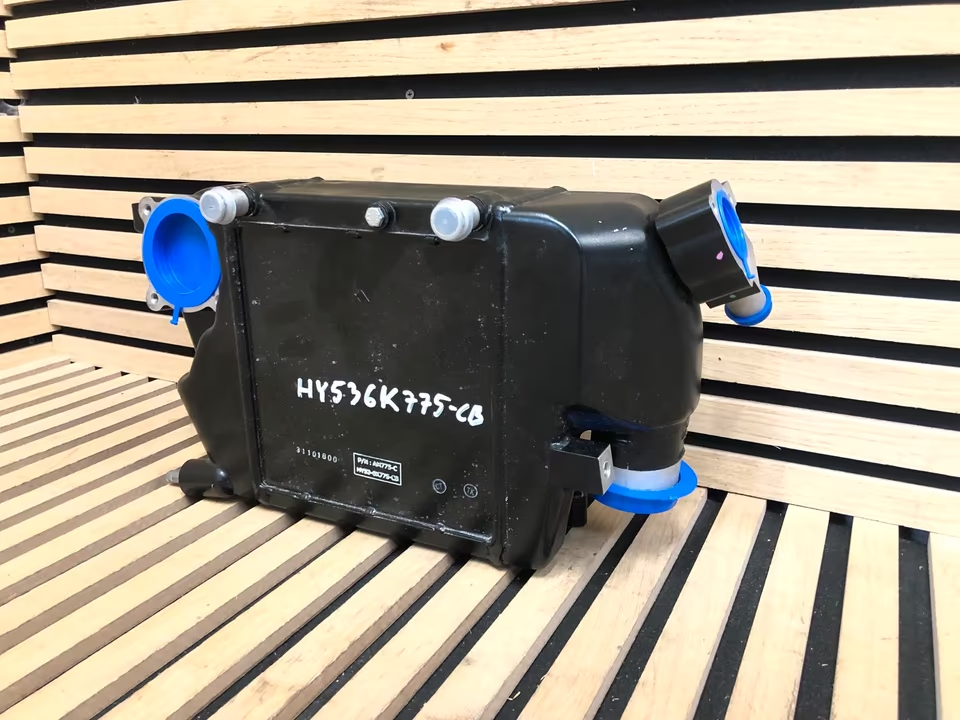
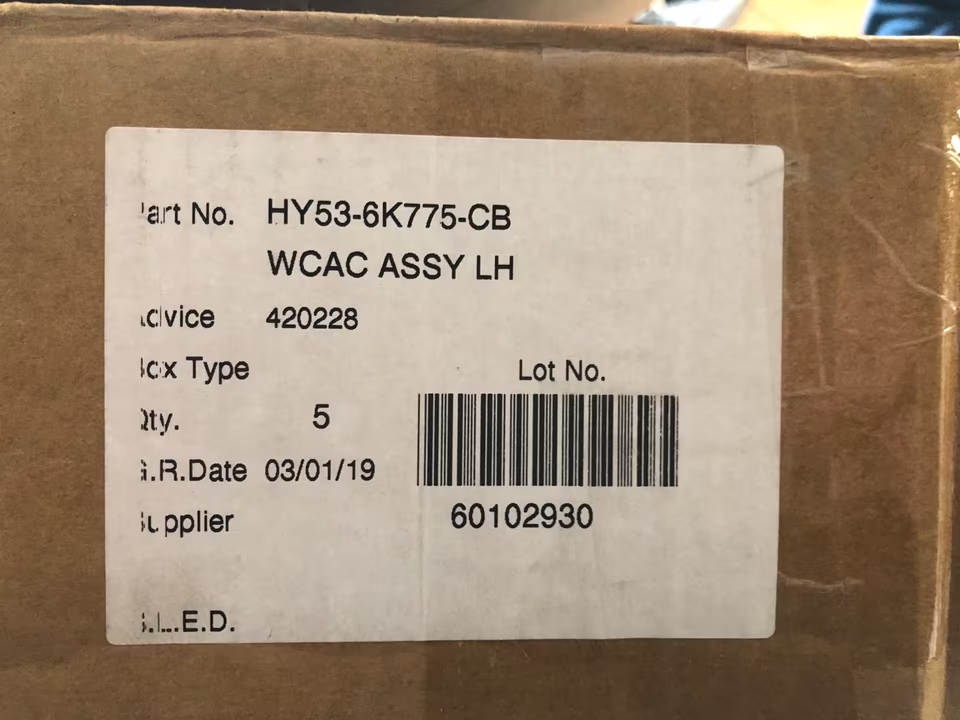
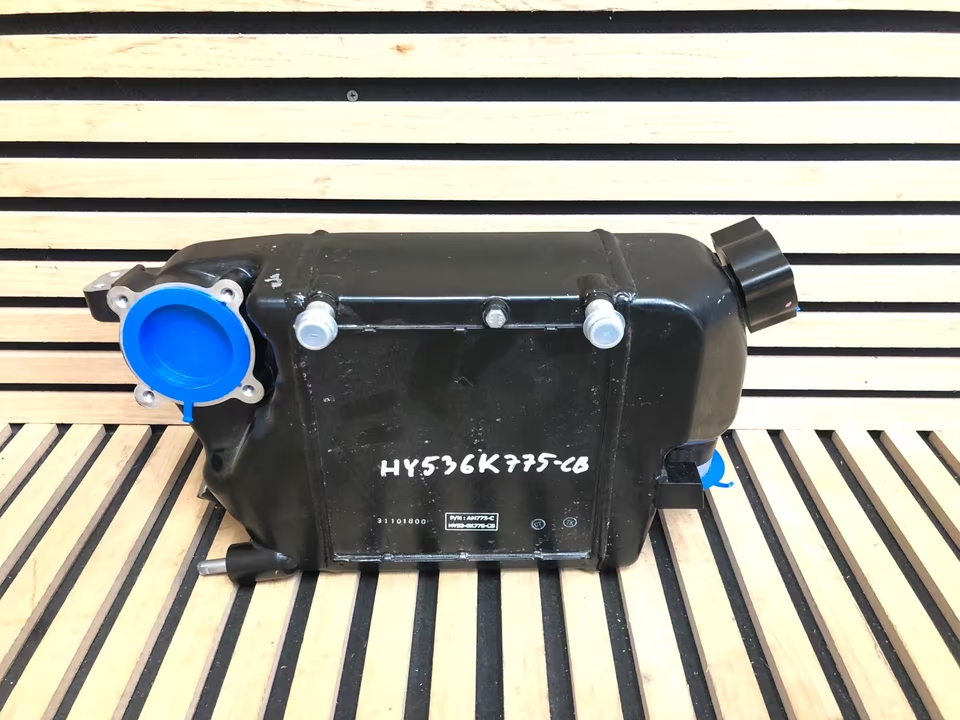
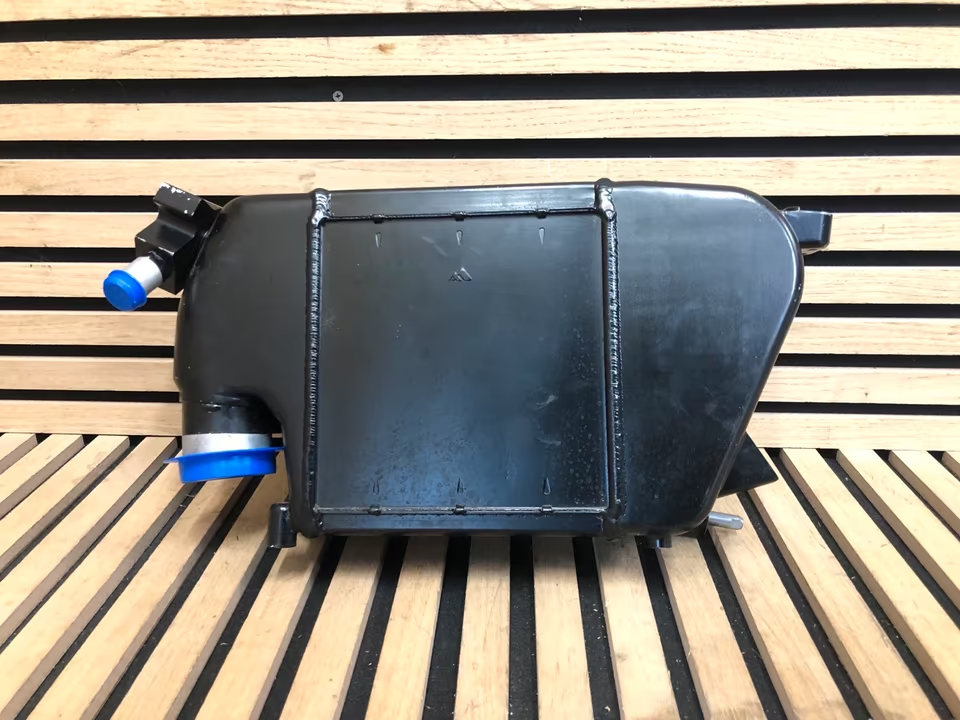
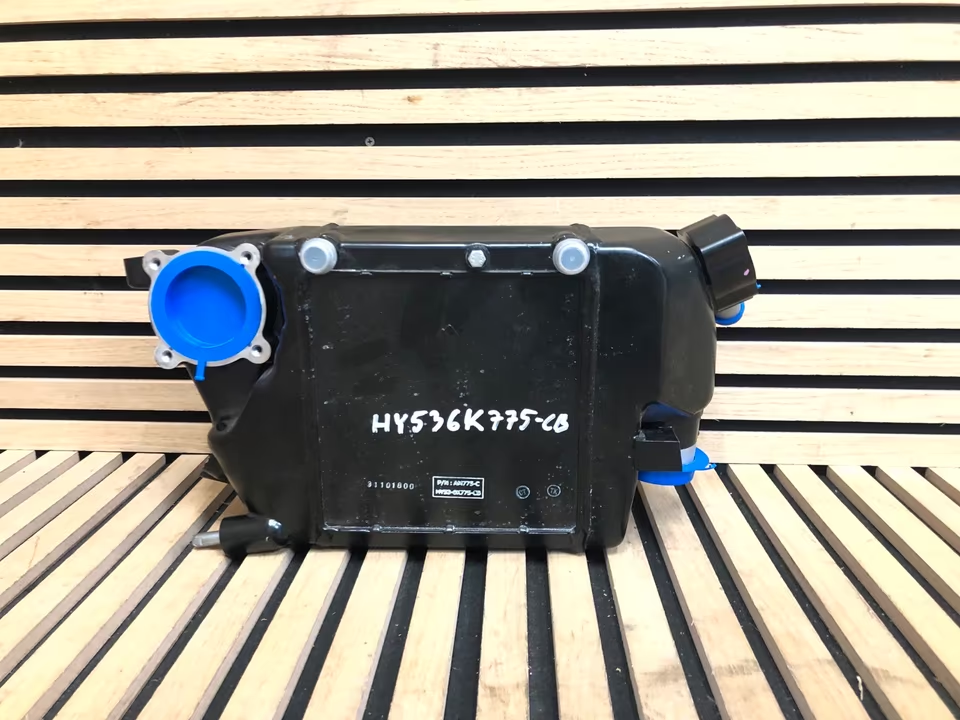
Aston Martin DB11 VANTAGE radiator intercooler HY536K775 CB
The part number HY53-6K775-CB identifies the Water-Cooled Aftercooler (WCAC) Assembly for the Aston Martin DB11 (specifically the 5.2L V12 Twin-Turbo).
Unlike traditional air-to-air intercoolers, the DB11 V12 uses a sophisticated liquid-to-air “aftercooler” system. This unit is a heat exchanger that uses engine coolant to pull heat out of the compressed intake air before it enters the engine.
1. Technical Breakdown
-
Application: Aston Martin DB11 V12 (AE31 Engine), DBS Superleggera, and V12 Vantage (2022+).
-
Position: Left Hand (LH) side (Nearside).
-
Suffix “CB”: This indicates a later production revision. The “C” revision often includes reinforced internal core structures to handle the high-boost pressures of the V12 and improved anti-corrosive coatings for the coolant channels.
-
Function: Cools the “charged” air from the turbochargers using a dedicated low-temperature radiator circuit.
2. V12 vs. V8 Difference
It is important to note that the DB11 V8 uses a different cooling architecture:
-
V12 (HY53-6K775-CB): Uses large, box-like water-cooled units mounted near the top/sides of the engine.
-
V8 (JY53 Suffixes): Often utilizes charge-air coolers more closely integrated with the Mercedes-AMG “Hot-V” turbo setup.
-
Interchangeability: This “CB” part is physically and electronically tuned for the V12’s airflow requirements and is not compatible with the V8 model.
3. Common Reasons for Replacement
-
Internal Leaks: If the internal core of the aftercooler cracks, engine coolant can be sucked into the combustion chamber.
-
Symptom: White smoke from the exhaust or a “Sweet” smell under the hood without visible external leaks.
-
-
Heat Soak: Over time, the internal aluminum fins can become fouled with oil vapor from the PCV system, reducing the unit’s ability to cool the intake air.
-
Symptom: Significant power loss during hot weather or spirited driving as the ECU pulls timing to prevent knock.
-
-
Physical Port Damage: The plastic/composite inlet ports can become brittle from years of heat cycles and may crack when removing the heavy-duty boost hoses.
Reviews
There are no reviews yet.