
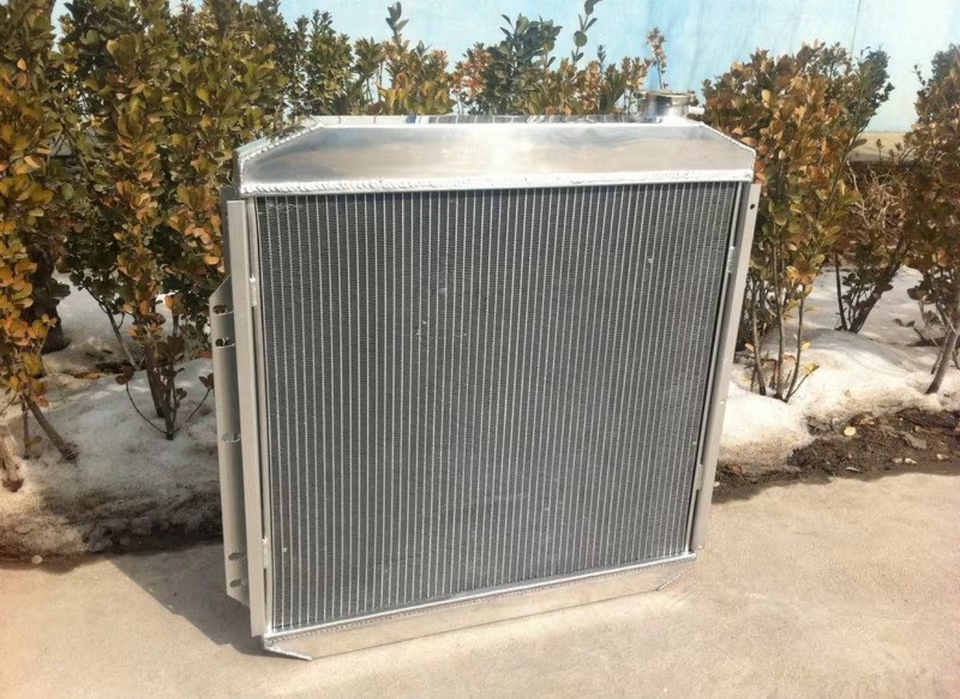
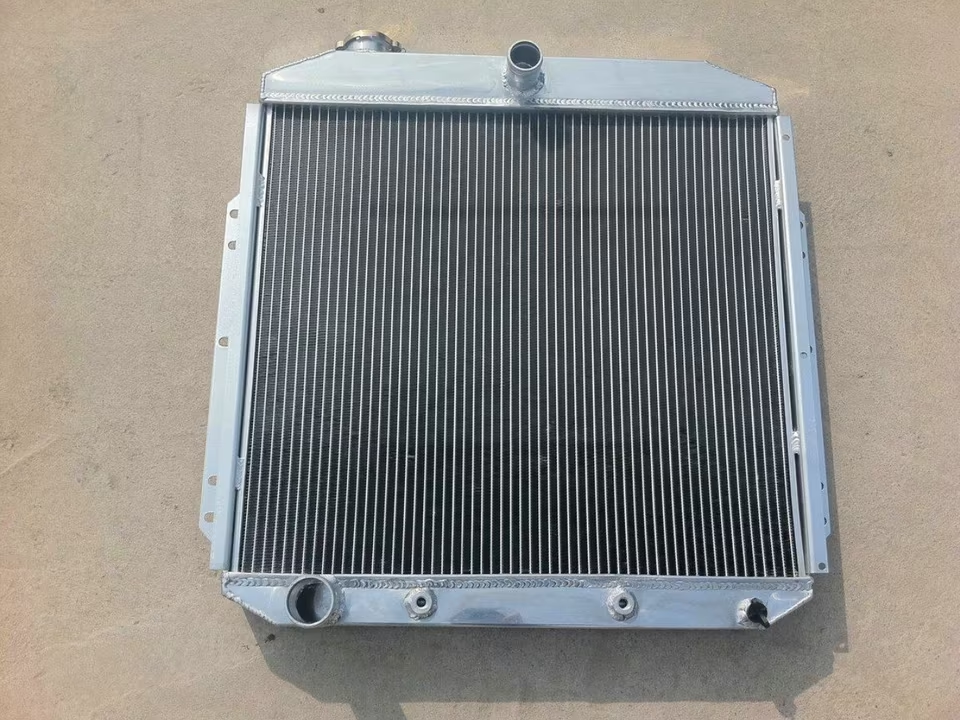
Ford F100, F250, F300 Racing Cooler, Radiator, Aluminum Radiator
high-performance inventory at Buy Mustang parts Ltd, aluminum racing radiators for the Ford F-Series (F-100 to F-350) and the classic F-300 (often referring to the Custom 300 or trucks equipped with the 300ci Straight-6) are essential for “Restomod” and heavy-duty towing builds.
Aluminum radiators provide 30%–45% better cooling efficiency than traditional copper-brass units, which is a critical “luxury upgrade” for owners running high-horsepower V8s or modern LS/Coyote swaps.
1. Core Configuration: 2-Row vs. 3-Row vs. 4-Row
In the world of racing radiators, “more rows” isn’t always better—it’s about the tube width.
-
2-Row (High Efficiency): Uses wider 1″ or 1.25″ tubes. Excellent for daily drivers and light performance where airflow is limited.
-
3-Row (The Racing Standard): The most popular “Goldilocks” choice for F-100s. It offers a massive increase in surface area without being so thick that it requires moving the engine or trimming the fan shroud.
-
4-Row (Extreme Duty): Designed for big-block 460 V8s or heavy towing in hot climates.
-
Warning: 4-row units are very thick (approx. 2.75″–3″). Verify “Super Cooling” core support clearance before listing, as they may not fit standard 2WD brackets.
-
2. Generation & Series Fitment Guide
| Era / Model | Primary Specs | Market Value (New Aluminum) |
| 1953–1956 (F-100/250/350) | Downflow design; approx. 20″ x 22″ core. | $230 – $360 |
| 1966–1979 (F-Series/Bronco) | Crossflow or Downflow; 19.25″ core height. | $180 – $320 |
| F-300 (Custom 300 / 300ci I6) | Specific center-inlet configurations for Straight-6 engines. | $160 – $280 |
| 2017–2026 (Super Duty) | 4-Row Extruded Tube (Diesel-specific). | $1,100 – $1,400 |
3. The “Racing” Differentiation: TIG vs. Epoxy
To maintain your professional reputation, ensure your listings highlight these construction details:
-
100% TIG Welded: Luxury radiators should never use epoxy or glue to seal the tanks to the core. TIG welding allows the radiator to expand and contract under high pressure without cracking.
-
Billet Filler Neck: Cheap radiators use stamped necks that leak over time. A “Racing” radiator should feature a CNC-machined billet aluminum filler neck for a perfect cap seal.
-
AA5052 Aluminum: This specific aircraft-grade alloy is more corrosion-resistant than standard aluminum—highly recommended for coastal customers.
4. Strategic Advice for Buy Mustang parts Ltd
-
The “300 Straight-6” Niche: Owners of the Ford 300ci (4.9L) Inline-6 are a loyal community. When listing for this engine, mention that the radiator is “Triple-Pass Compatible” to keep the long cylinder head at a uniform temperature—a common pain point for these engines.
-
Automatic vs. Manual: Always stock units with the internal transmission cooler (two brass fittings at the bottom). These work for both manual and automatic trucks (manual owners simply leave the fittings plugged), making your inventory more versatile.
-
The “Fan Shroud” Bundle: Aluminum radiators are most effective when paired with an electric fan and shroud. Bundling a 16-inch S-blade fan with your radiator can increase your order value by $150–$200.
Reviews
There are no reviews yet.