
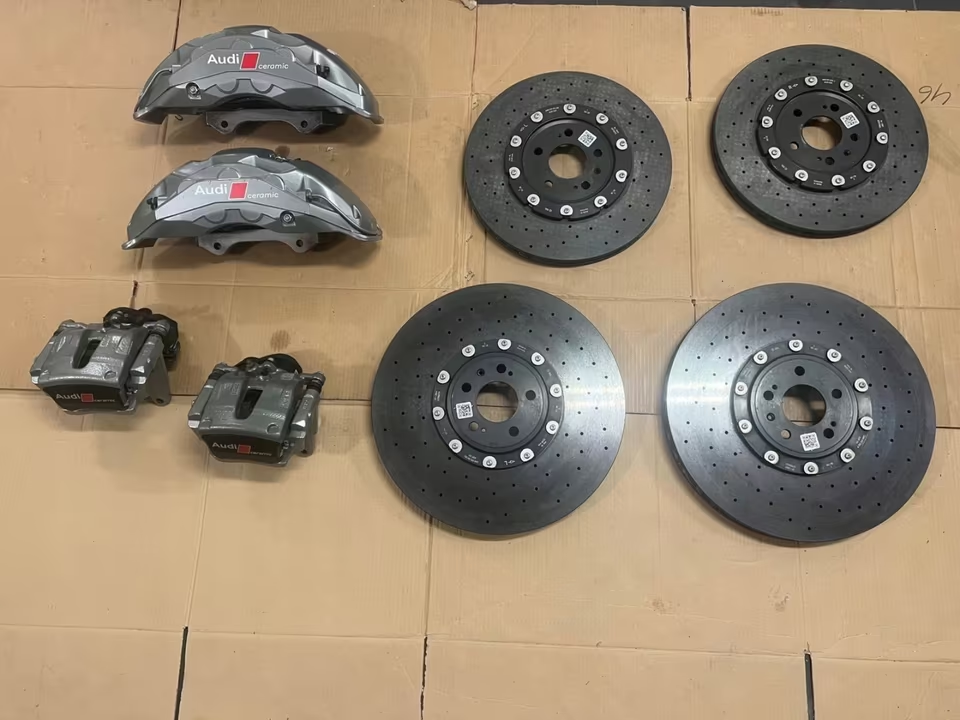
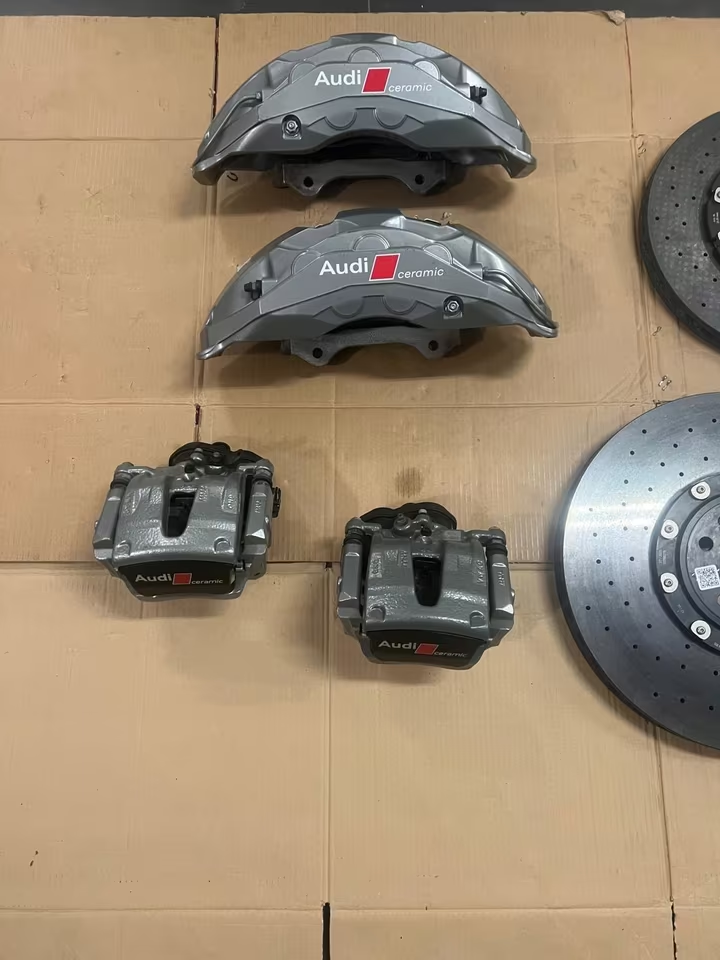
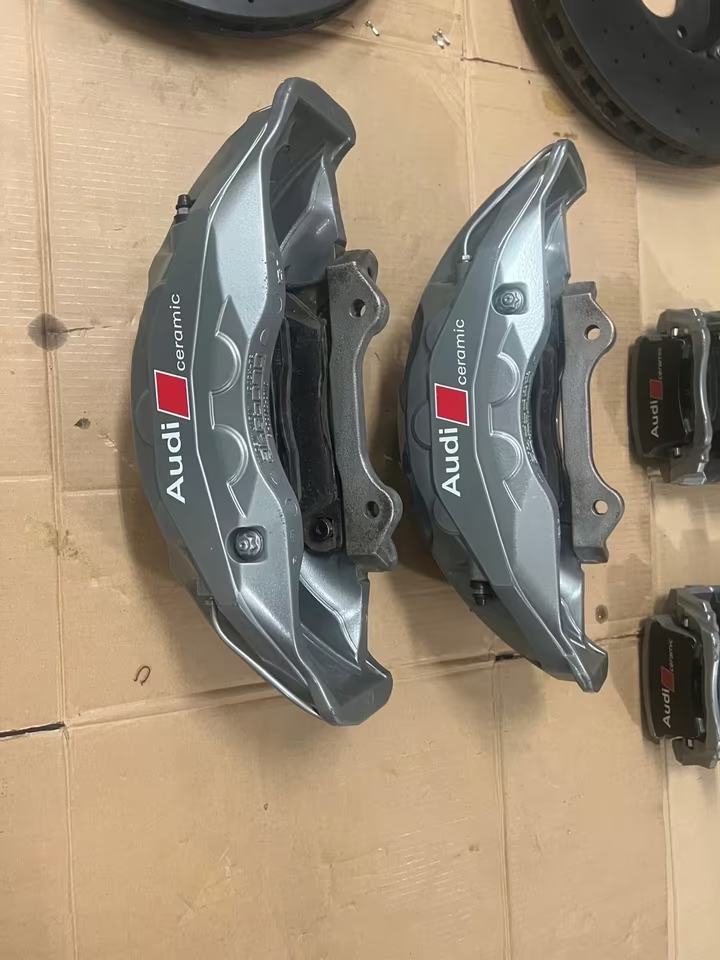
AUDI SQ7 CERAMIC BRAKE SYSTEM BRAKE CALIPERS DISCS PADS
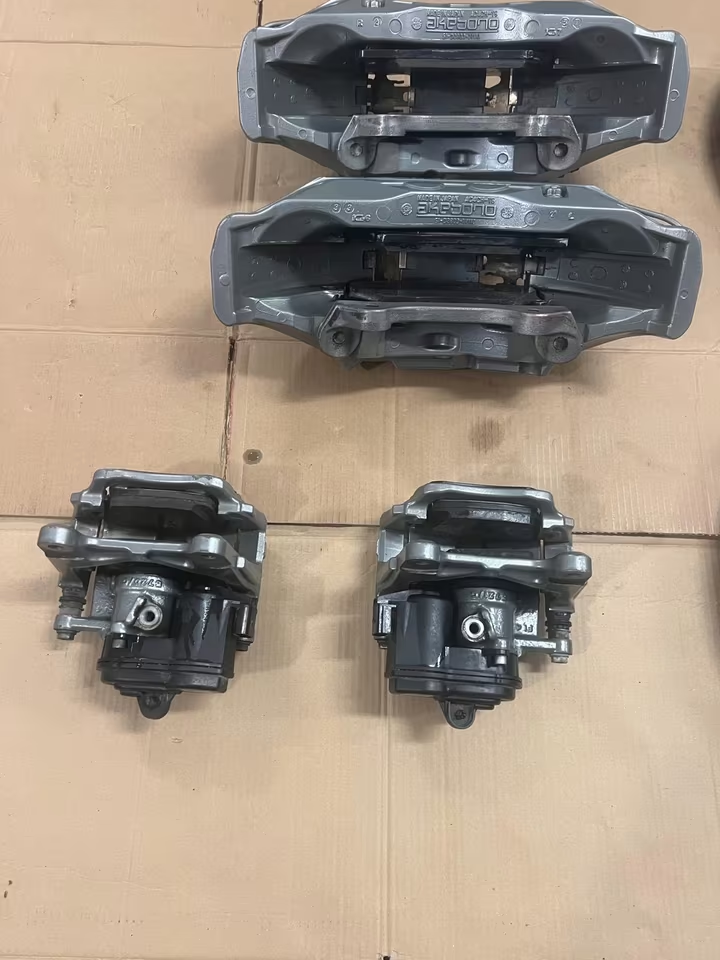
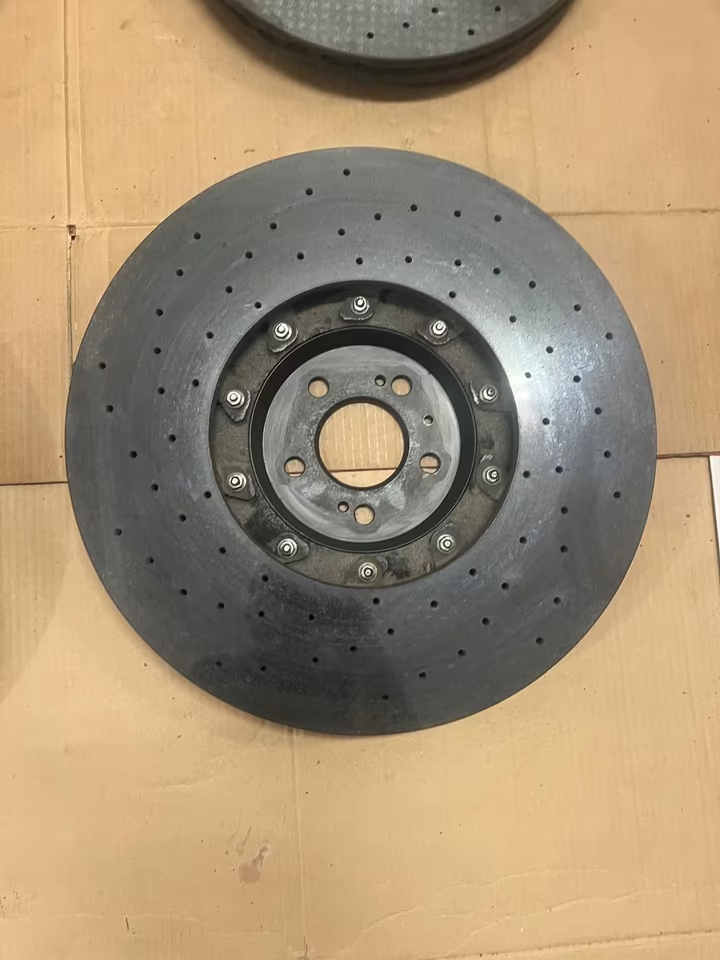
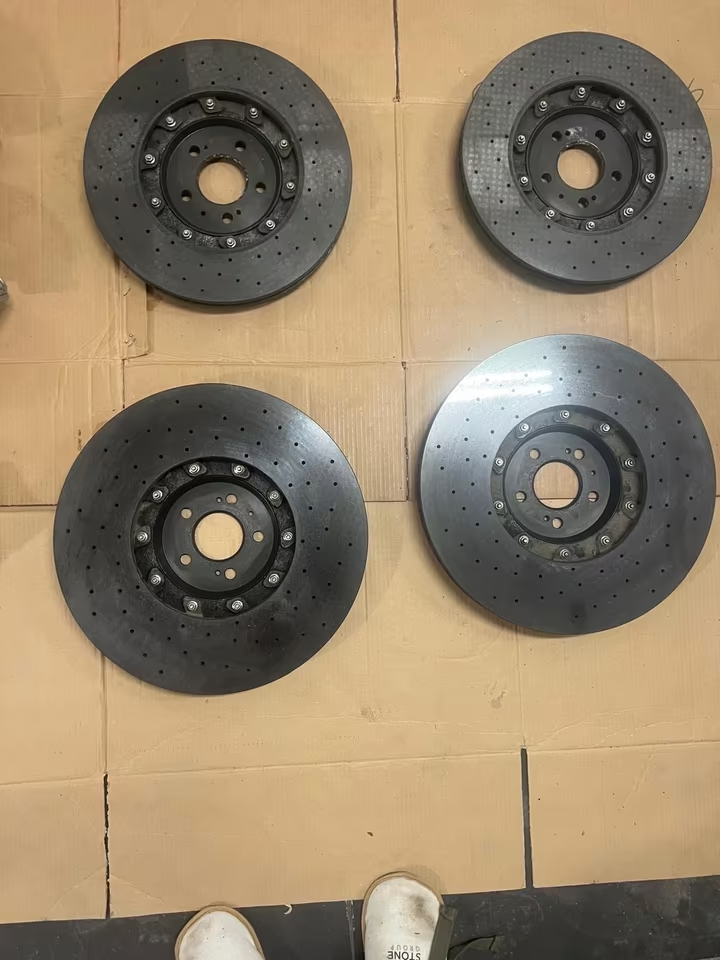
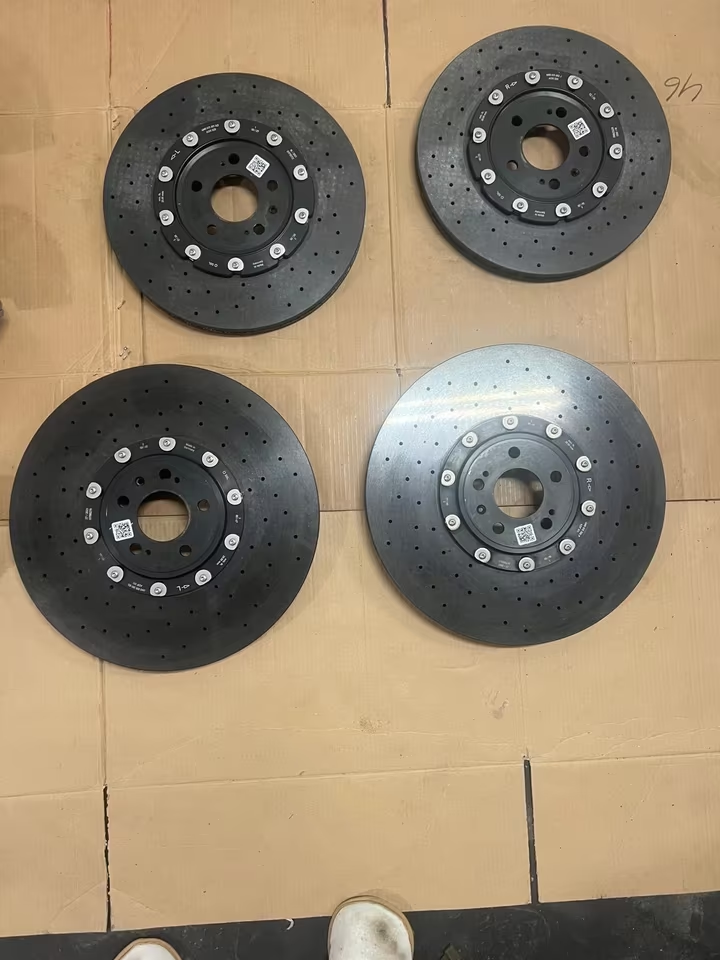
The Audi SQ7 (4M) Carbon Ceramic Brake (CCB) system is a high-performance upgrade designed for Audi’s flagship performance SUV. While it shares many similarities with the RSQ8 system, the SQ7 typically utilizes a slightly different rotor and caliper configuration depending on the factory build (PR-Code).
System Specifications (SQ7 4M Platform)
| Component | Front Axle | Rear Axle |
| Caliper Type | Akebono 6-Piston or 10-Piston Monoblock | Single-Piston Floating (with EPB) |
| Disc Size | $420\text{mm} \times 40\text{mm}$ | $370\text{mm} \times 30\text{mm}$ |
| Material | Carbon Fiber Silicon Carbide | Carbon Fiber Silicon Carbide |
| Minimum Wheel | 21-inch (22″ Recommended) | 21-inch |
Key Part Numbers & Identification
For your inventory at Buy Mustang parts Ltd, accuracy between the SQ7 and RSQ8 is vital. While the RSQ8 almost always uses the $440\text{mm}$ front disc, the SQ7 often utilizes the $420\text{mm}$ setup.
-
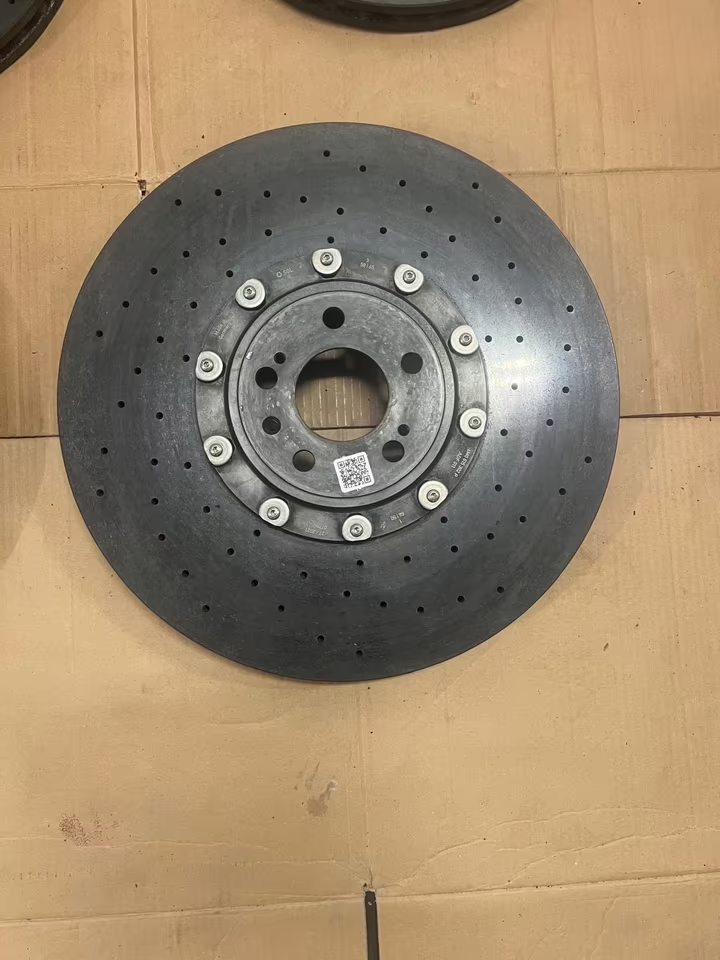
Front Ceramic Discs ($420\text{mm}$):
-
Left:
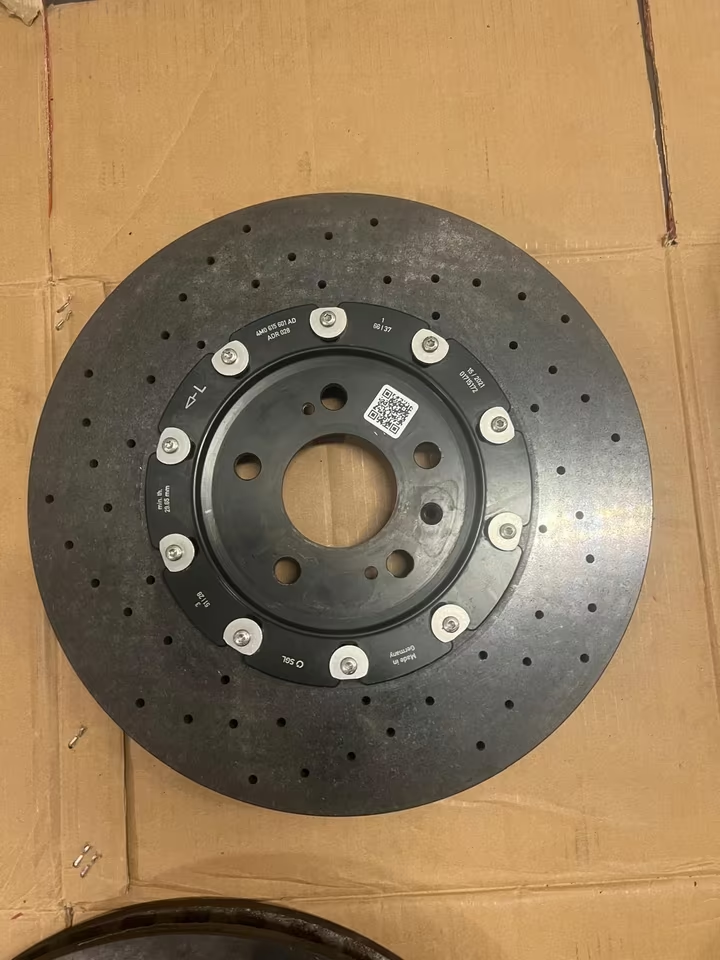
4M0.615.301.AN(orAP) -
Right:
4M0.615.302.J
-
-
Rear Ceramic Discs ($370\text{mm}$):
-
Left:
4M0.615.601.P -
Right:
4M0.615.602.E
-
-
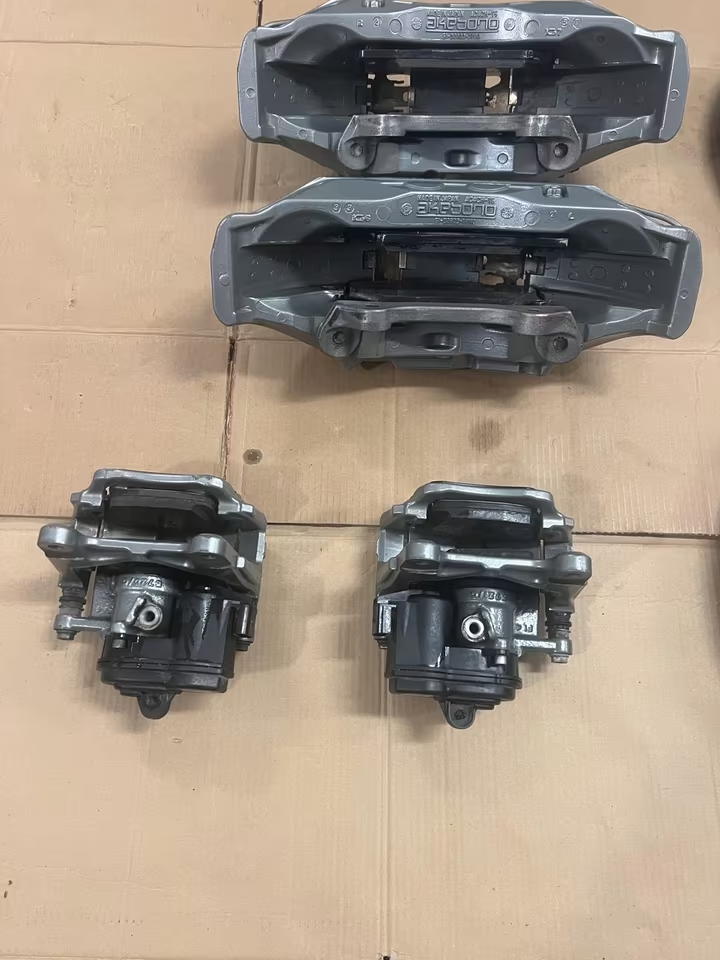
Front Calipers: Typically 6-piston Akebono (Grey or Red). Note that the $420\text{mm}$ ceramic system uses a different caliper offset than the $400\text{mm}$ steel system.
Technical & Commercial Insights
1. The SQ7 vs. RSQ8 Distinction
If a customer is looking for a “Big Brake Kit” for a standard Q7, the SQ7 ceramic system is often the more popular choice because the $420\text{mm}$ rotors offer slightly better clearance for 21-inch winter wheels compared to the massive $440\text{mm}$ RSQ8/Urus setup.
2. Performance Benefits
-
Massive Weight Savings: Replacing the standard SQ7 400mm steel rotors ($~14.5\text{kg}$ each) with ceramic rotors ($~7\text{kg}$ each) removes nearly 30kg of unsprung weight from the front axle alone. This drastically improves the “heavy” feeling of the SUV’s nose during turn-in.
-
Corrosion Resistance: Unlike the steel discs that can develop surface rust after a car wash or sitting in a warehouse, these ceramic discs remain aesthetically pristine, which is a major selling point for luxury SUV owners.
3. Condition & Inspection for Stock
-
Weighing the Discs: Because ceramic discs wear by losing density rather than thickness, you must use a digital scale. Check the “Minimum Weight” stamped on the aluminum hub. If the actual weight is below that number, the disc is functionally expired.
-
Pad Compatibility: Ensure you stock the CCB-specific pads (e.g.,
4M0.698.151.BB). Using steel-brake pads on these rotors will cause immediate and irreversible surface damage.
Reviews
There are no reviews yet.