
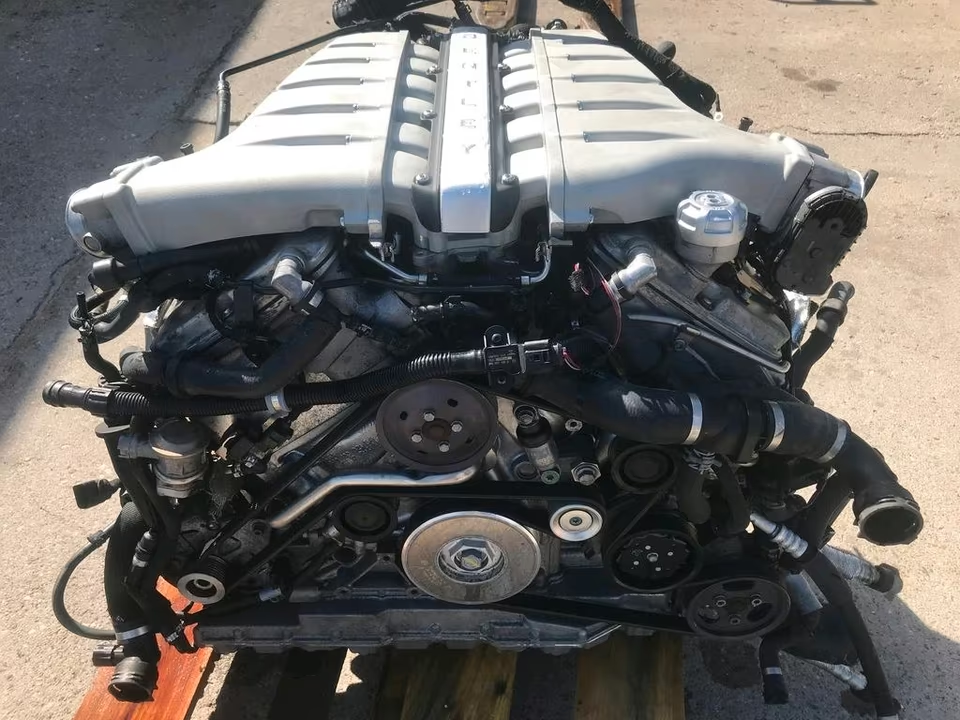
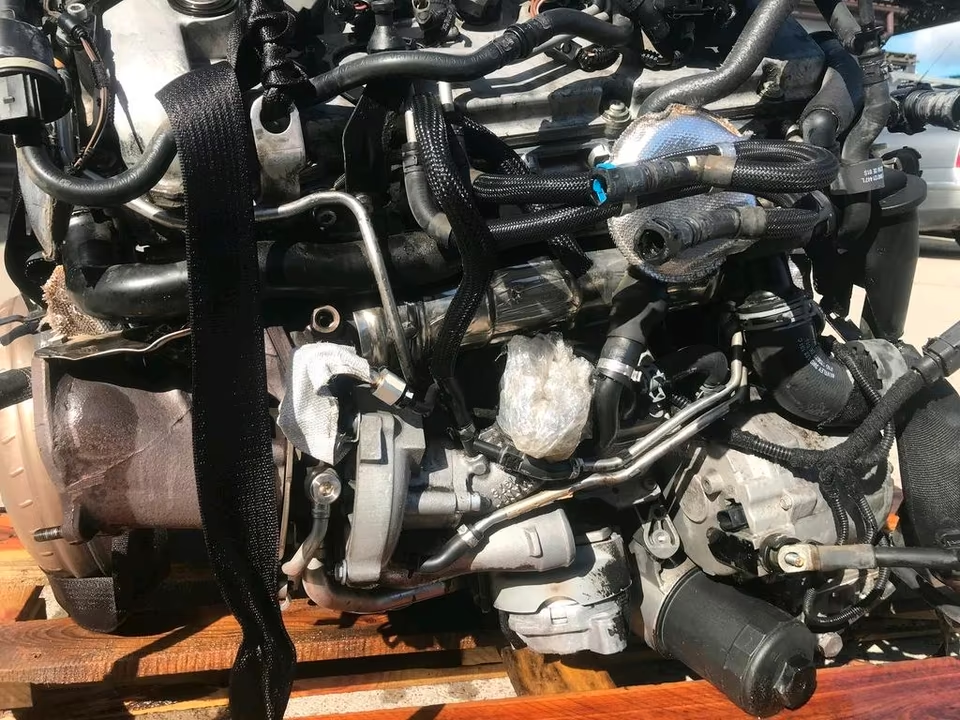
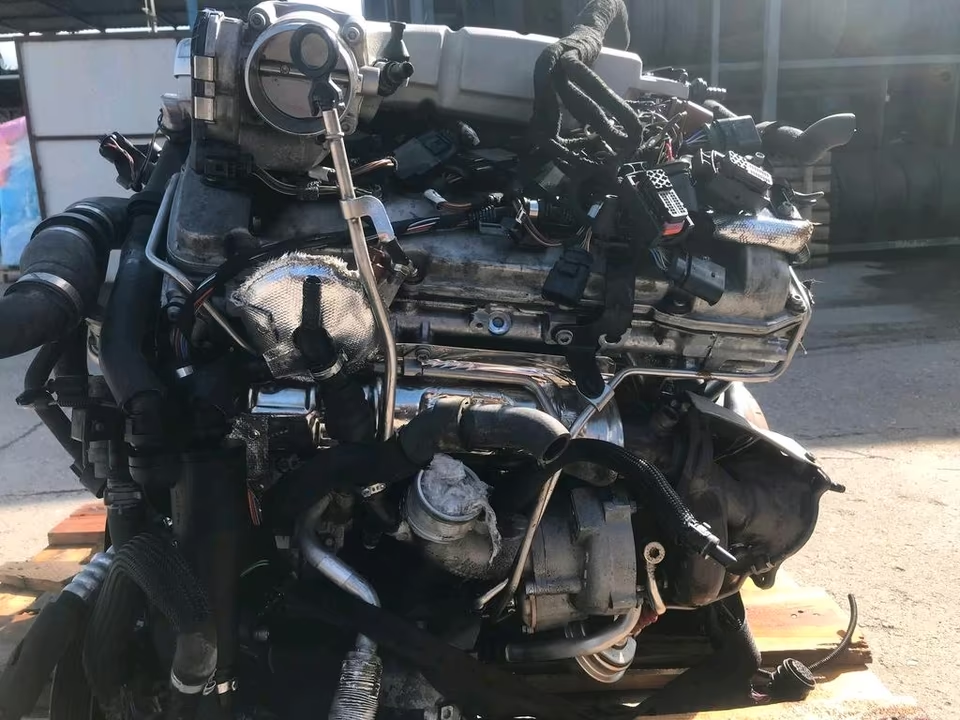
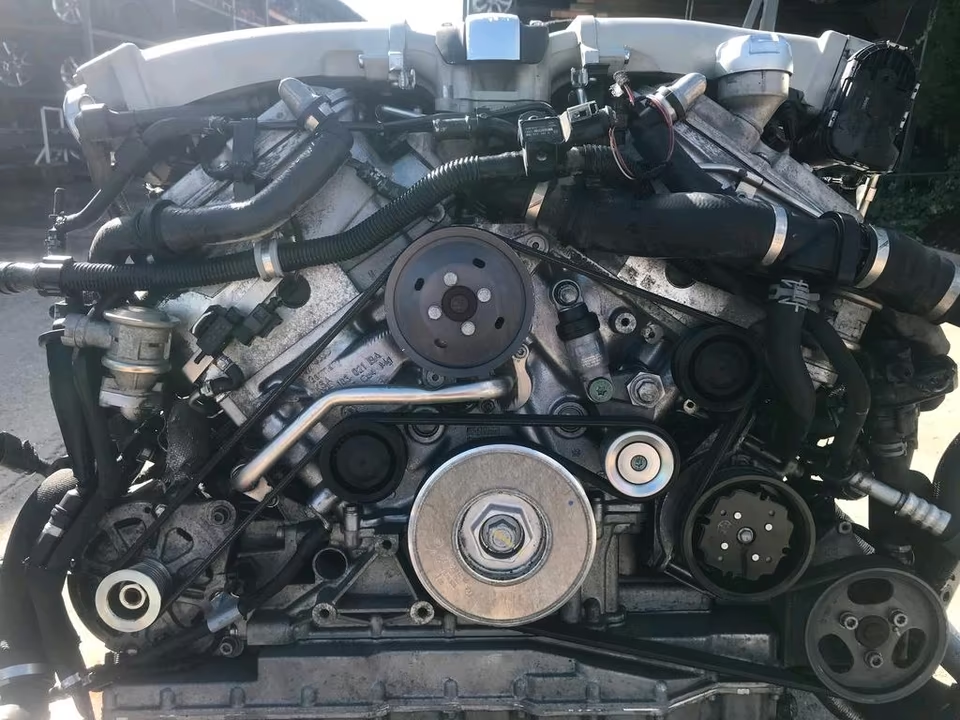
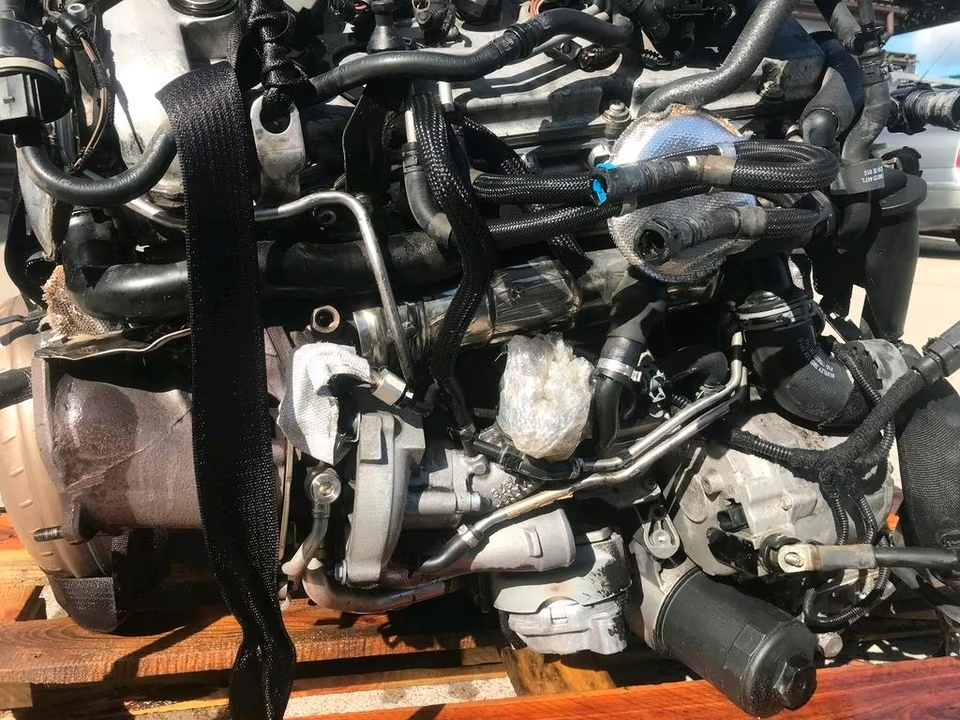
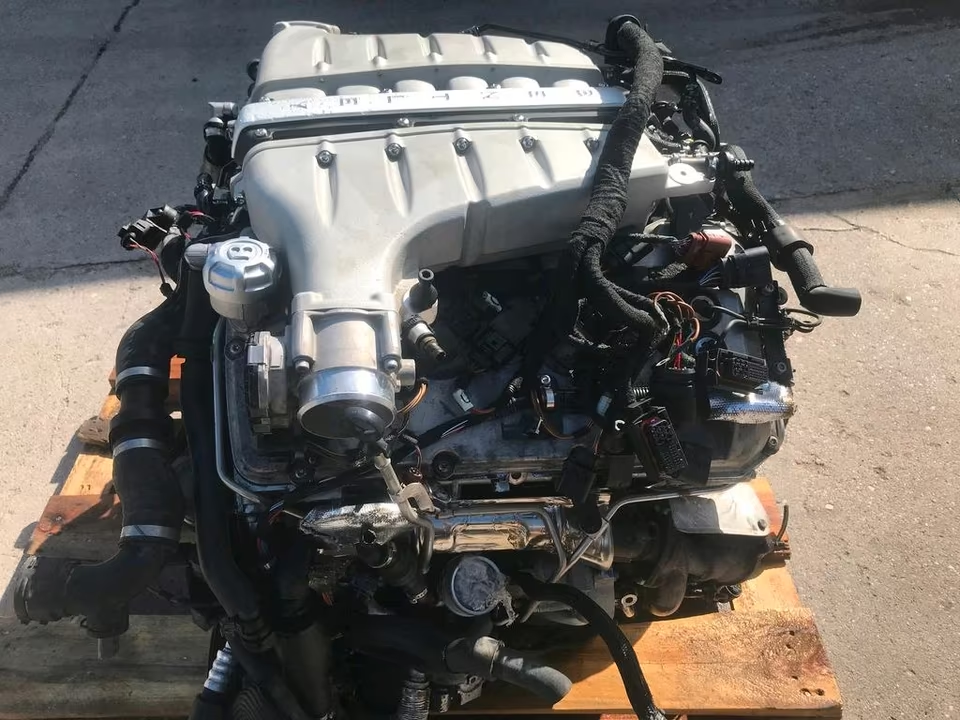
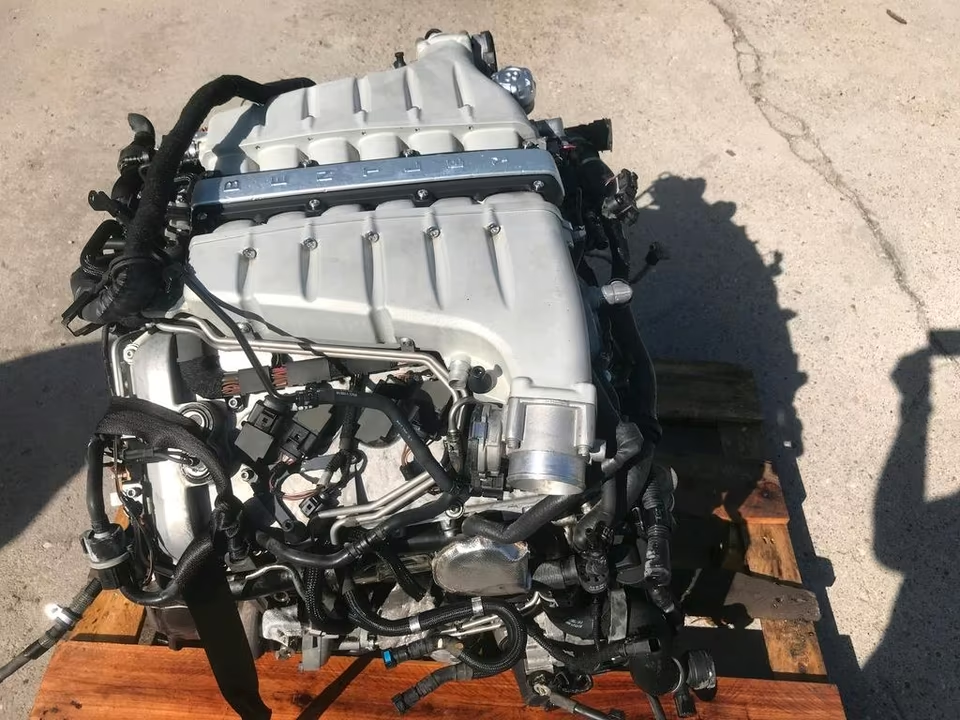
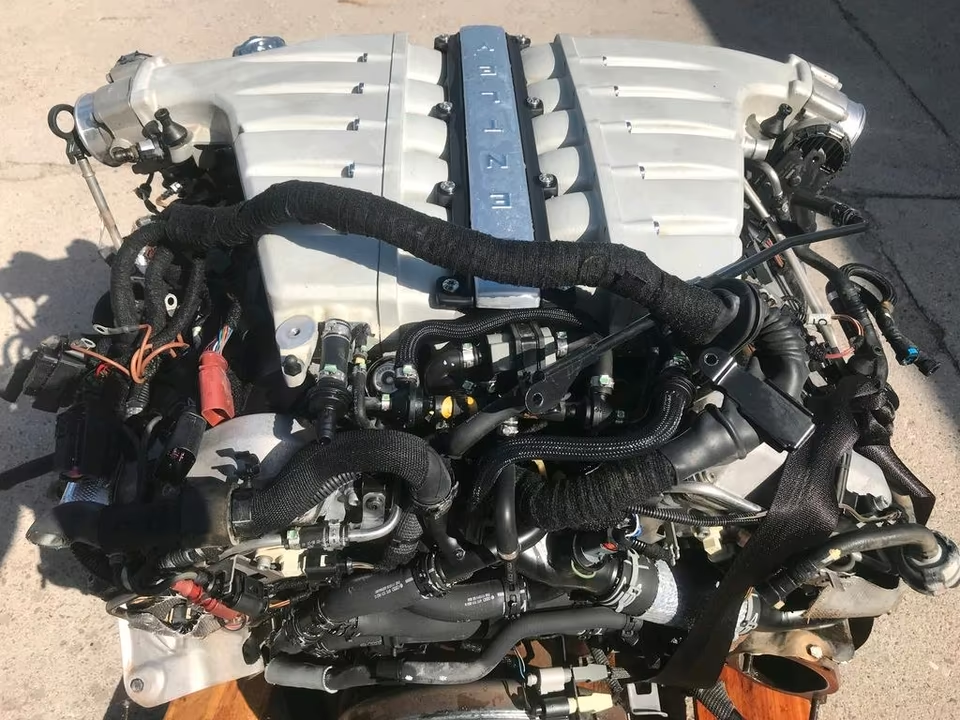
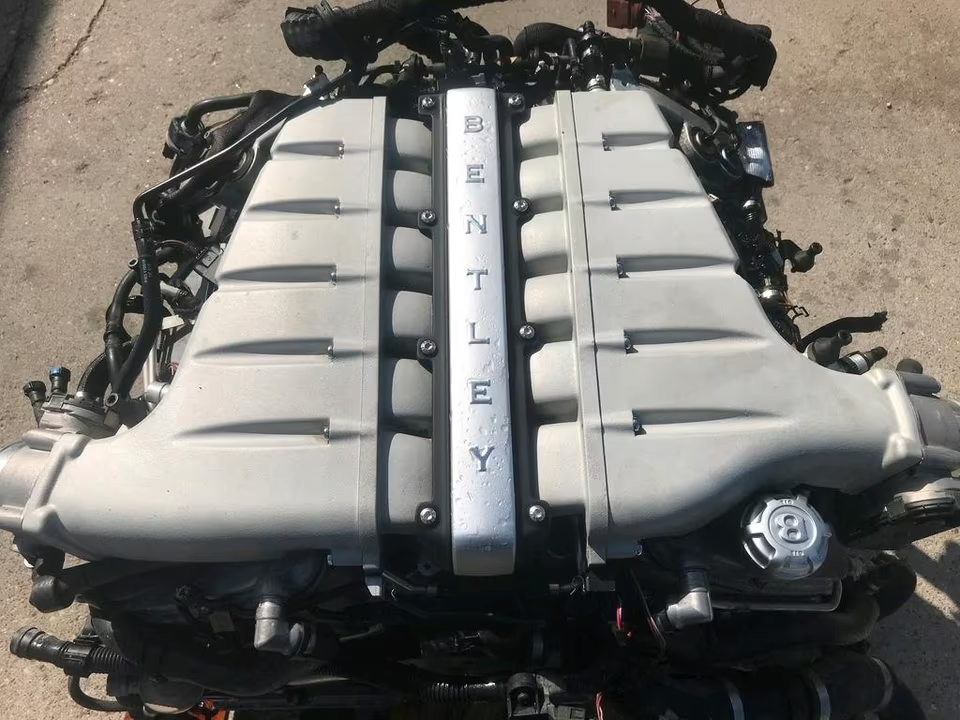
BENTLEY CONTINENTAL GT 6.0 2006-2011 BWR ENGINE COMPLETE
For the Bentley Continental GT (2006–2011), the BWR is the high-performance, 6.0-liter twin-turbocharged W12 engine. This engine was the mainstay of the “first-generation facelift” and the early second-generation transition models.
1. Engine Specifications (BWR)
The BWR engine is a 72-degree W12, essentially two narrow-angle V6 engines joined on a single crankshaft.
-
Type: 6.0L W12 Twin-Turbocharger (48-Valve)
-
Power Output: 560 PS (412 kW; 552 bhp) @ 6,100 rpm
-
Torque: 650 Nm (479 lb-ft) @ 1,600–6,100 rpm
-
Compression Ratio: 9.0:1
-
Turbochargers: Twin KKK (BorgWarner) turbochargers
-
Bore x Stroke: 84.0 mm x 90.2 mm
2. Part Numbers & Identification
When sourcing a complete engine, the BWR code is critical for ECU and wiring loom compatibility.
-
Engine Code:
BWR(Stamped on the engine block/cylinder head) -
Primary Part Number (VAG):
07C100031X(Exchange unit) or07C100011BR(Typical build code) -
VAG Group Heritage: While it shares a layout with the VW Phaeton and Audi A8 W12, the Bentley BWR version has reinforced internals and unique turbocharger manifolds.
3. Known “BWR” Maintenance Issues
If you are buying a used BWR engine, check for these common “age-related” failures:
-
Vacuum Hoses: The W12 generates massive heat in the “V” of the engine. Rubber vacuum hoses become brittle and crack, leading to boost leaks and rough idling. It is highly recommended to replace these with silicone hoses before installing a used engine.
-
Turbo Oil Pipes: The oil feed lines for the turbos can leak or clog. Replacing them while the engine is out of the car is a 20-minute job; doing it once the engine is installed requires an “engine-out” procedure again.
-
Valve Cover Gaskets: Prone to seeping oil onto the exhaust manifolds, causing a burning smell.
-
Coolant Connectors: The plastic “T-pieces” in the cooling system are a weak point. Replace them with aluminum aftermarket upgrades for long-term reliability.
Reviews
There are no reviews yet.