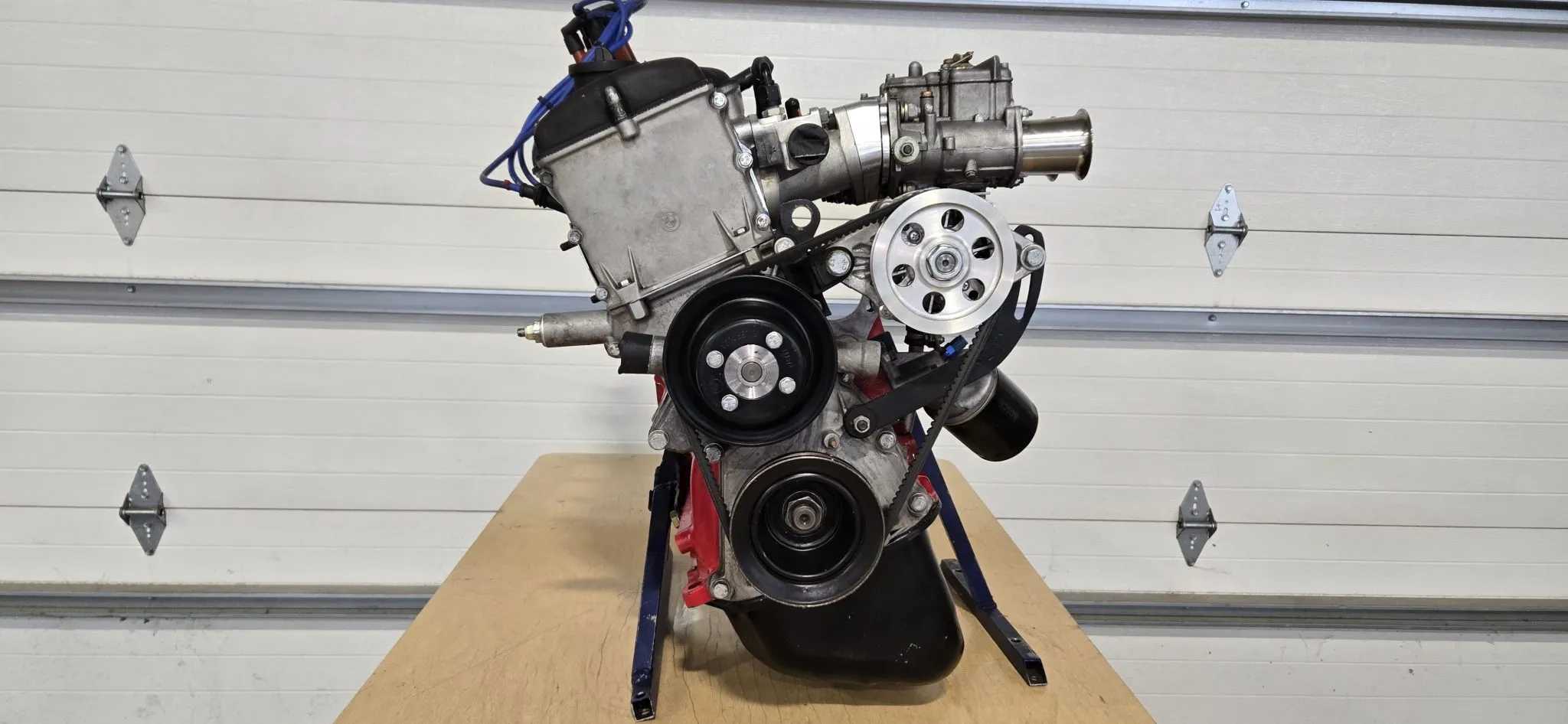
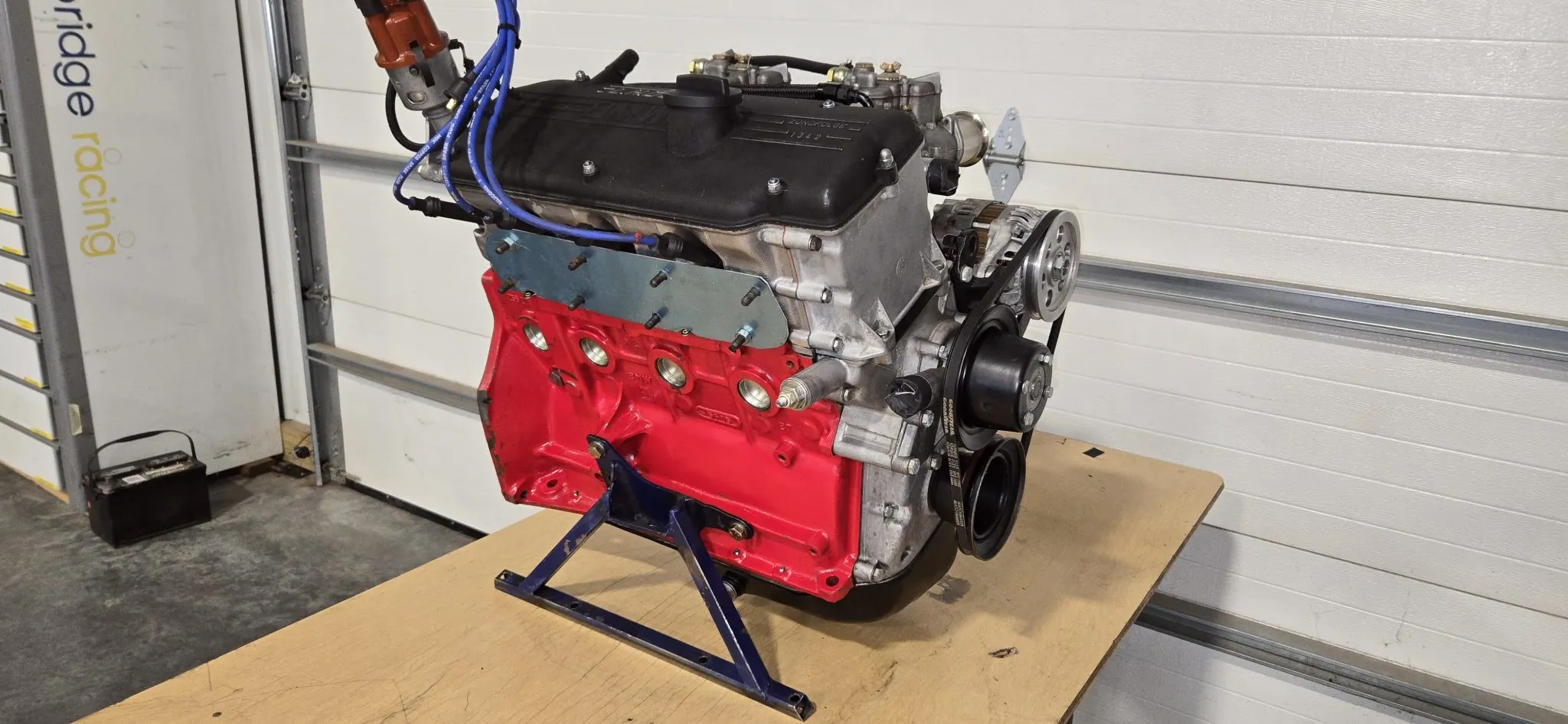
BMW M10 Engine
The BMW M10 is widely considered the most important engine in BMW’s history. Designed by Baron Alex von Falkenhausen and introduced in 1962, it was the foundation that saved the company and established its reputation for sporty, reliable sedans.
It is a masterpiece of over-engineering—the cast-iron block is so robust that it served as the basis for the most powerful Formula 1 engine ever made.
Listing Details
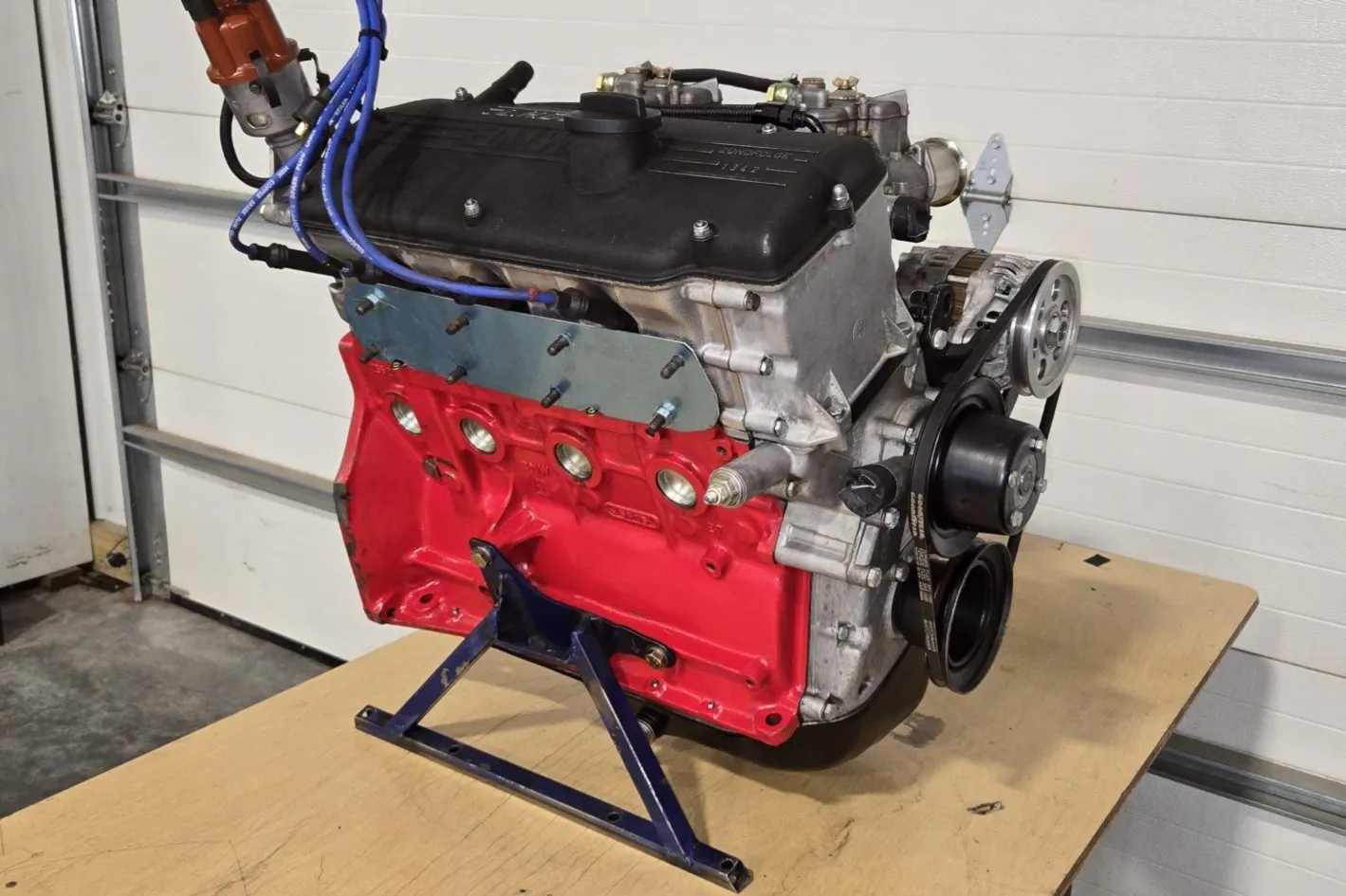
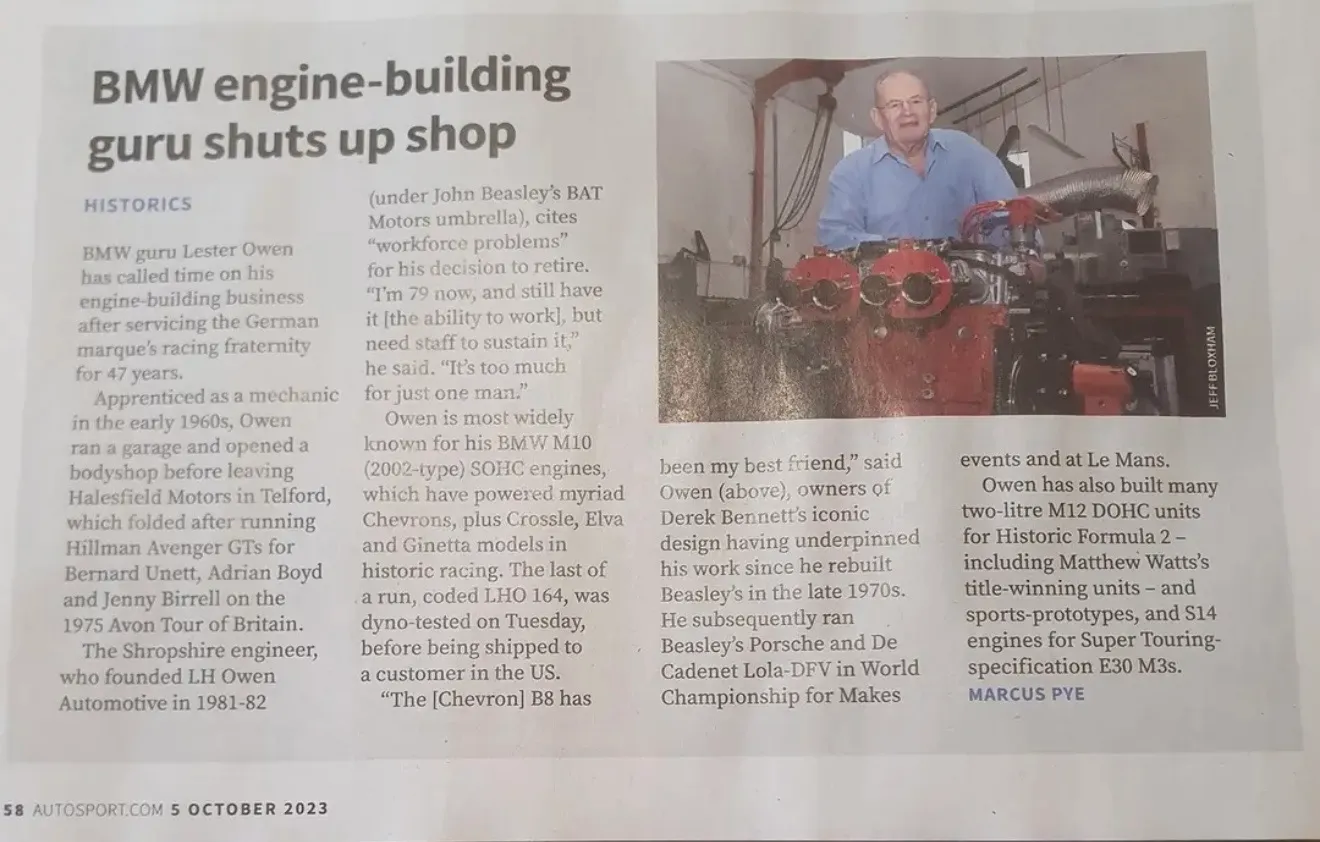
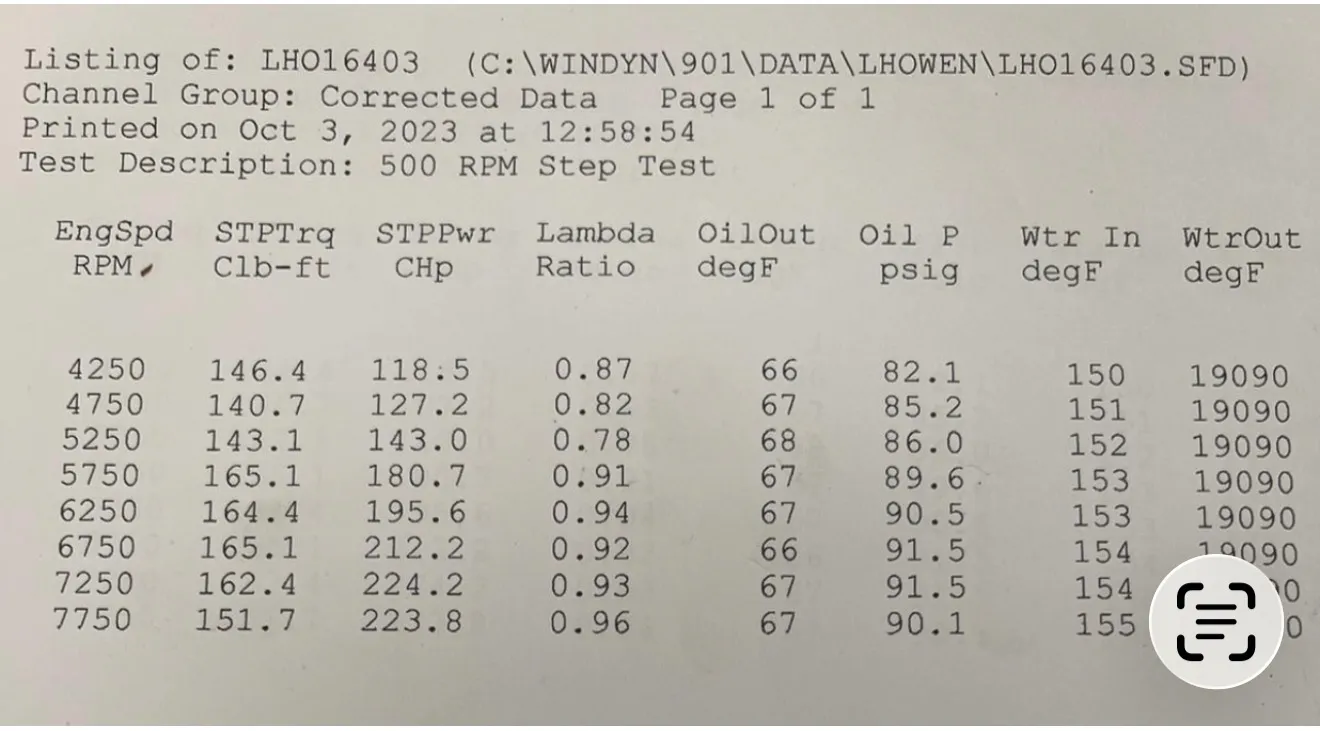
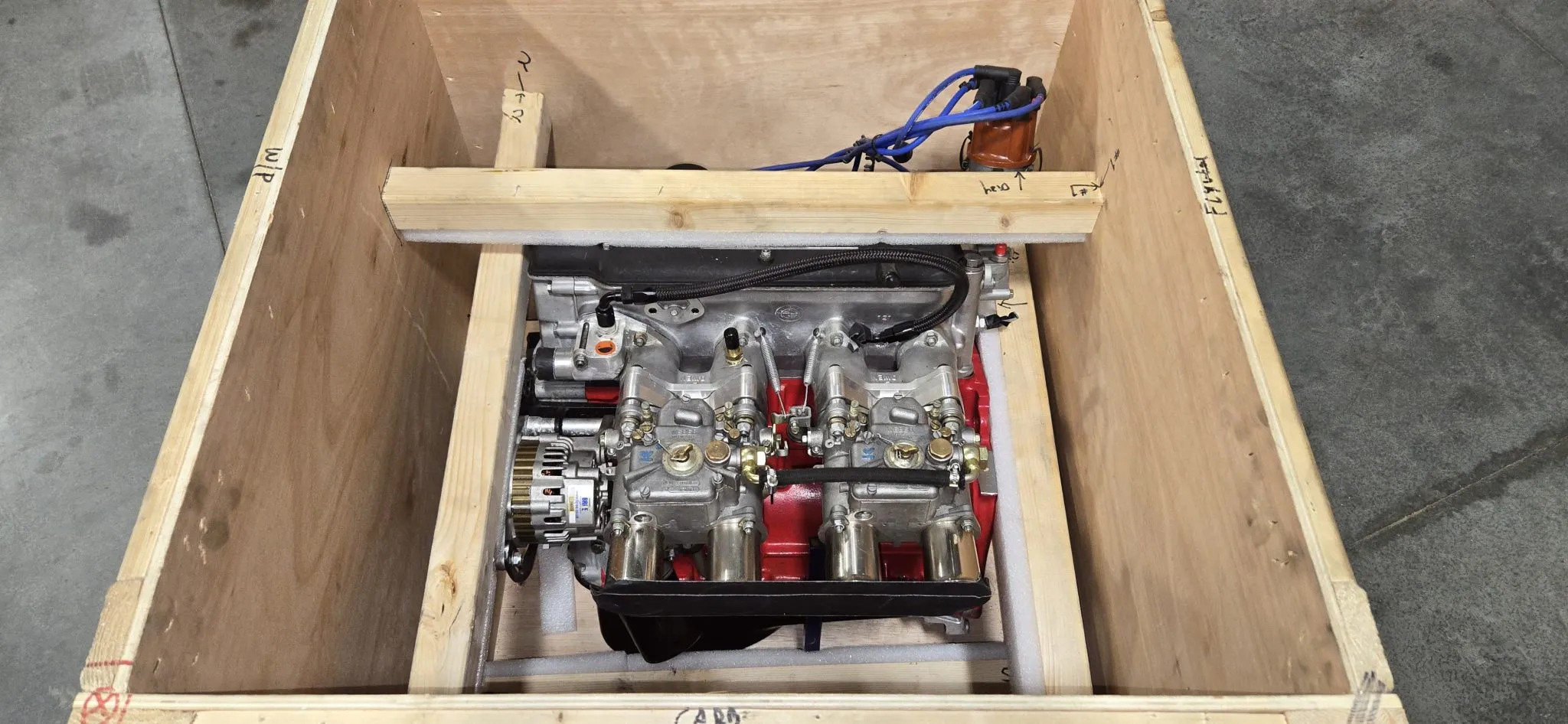
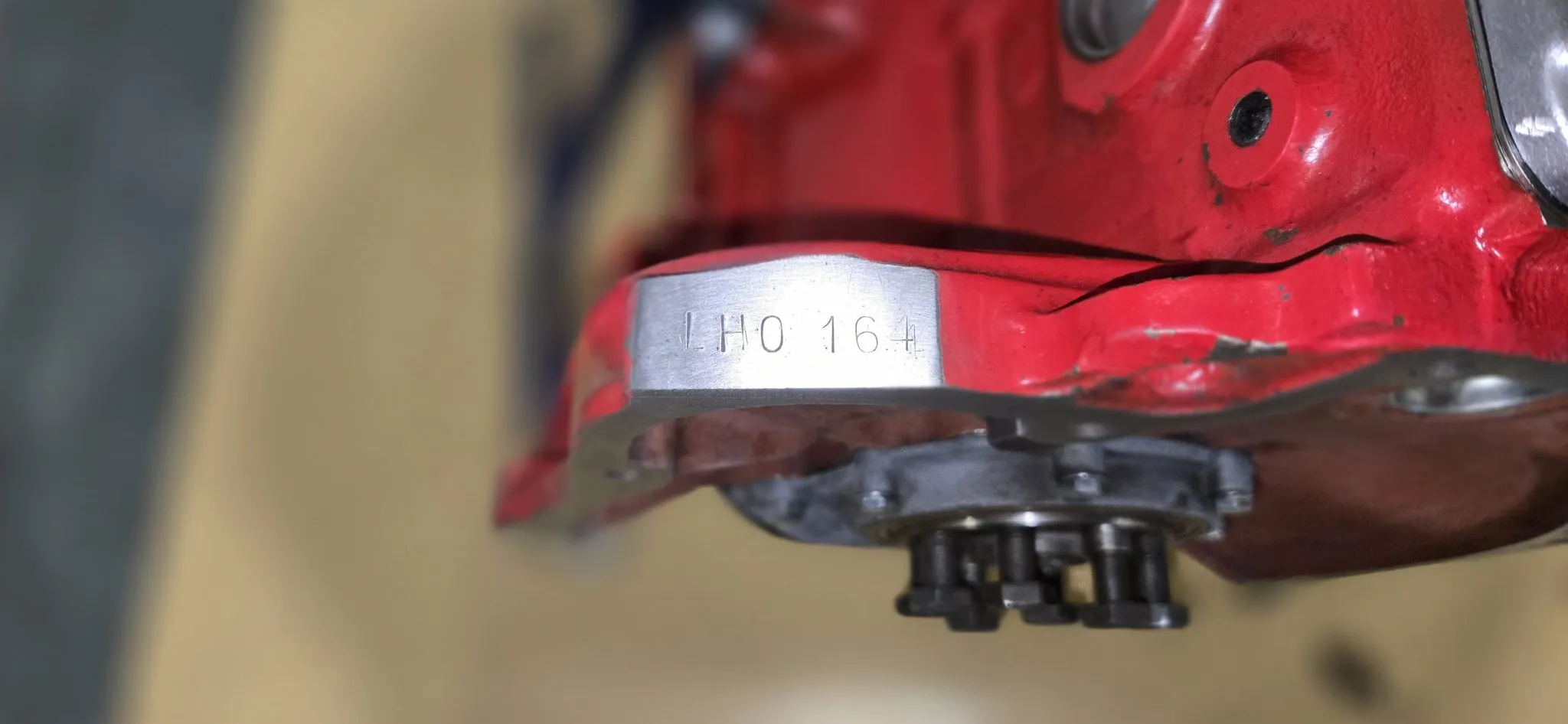
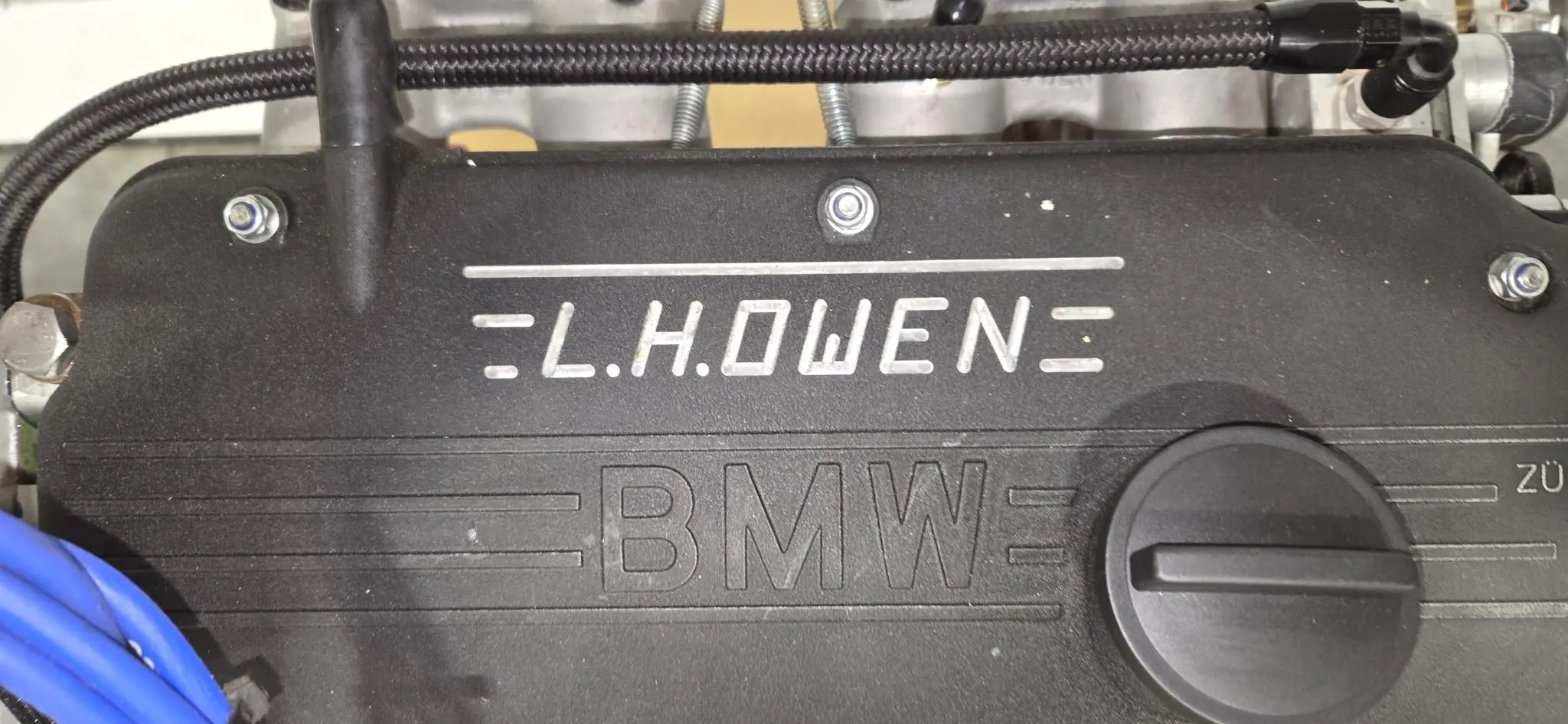
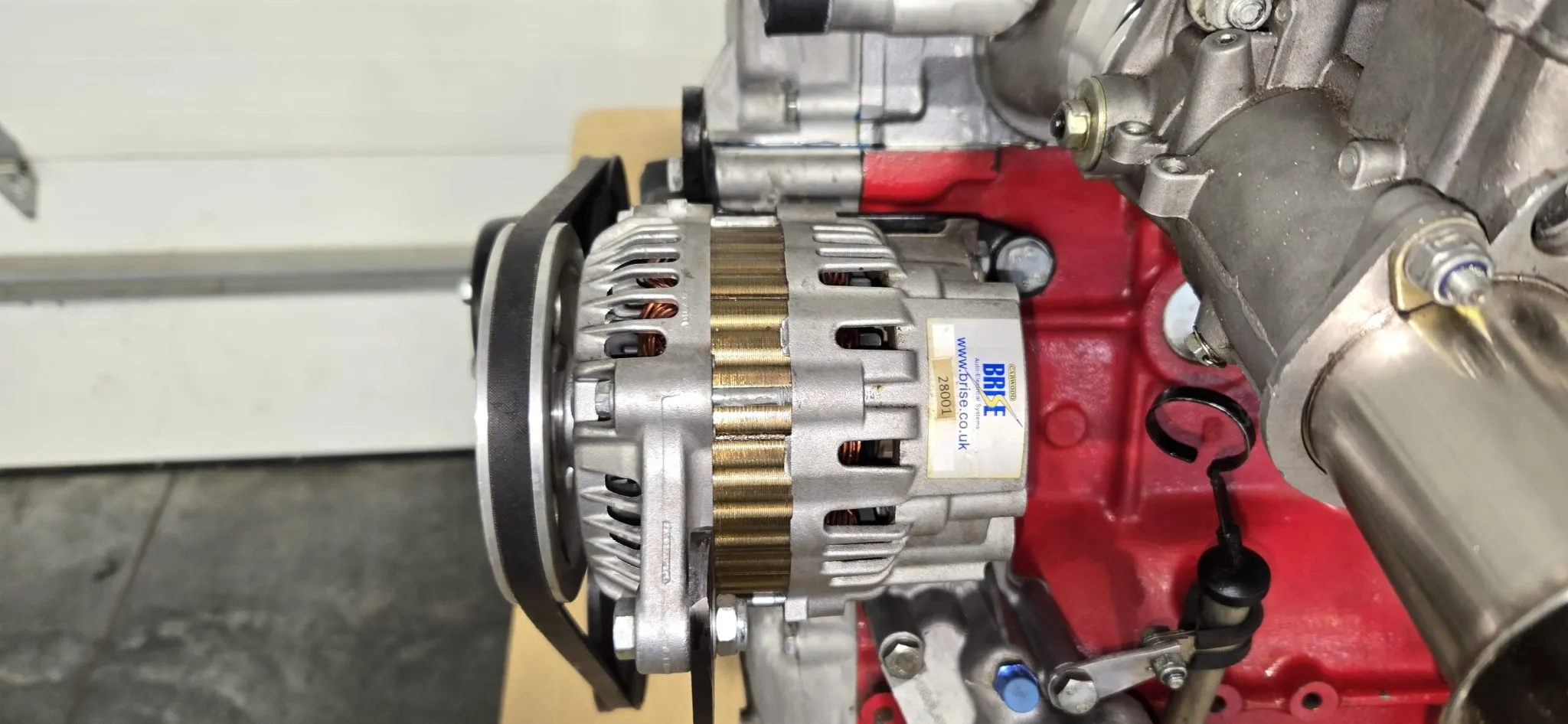
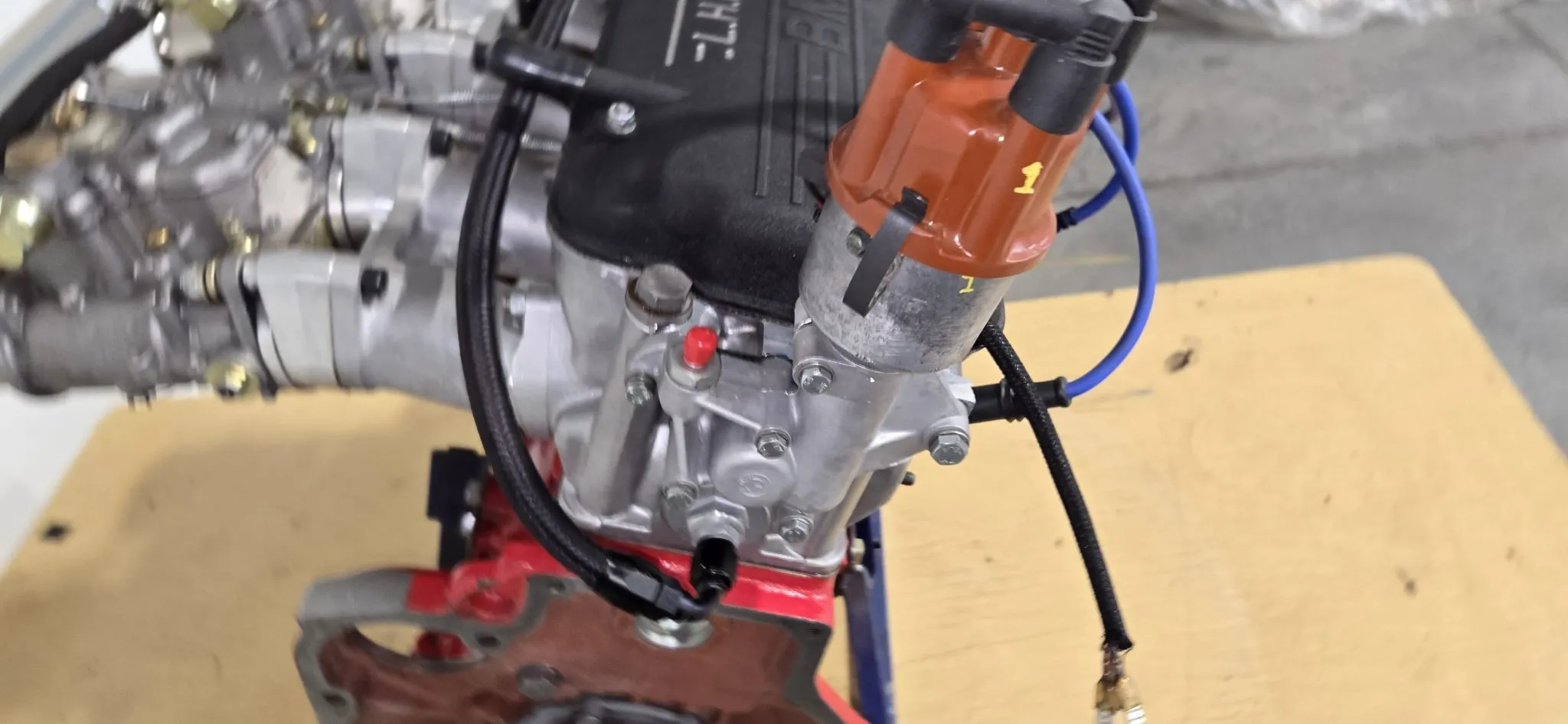
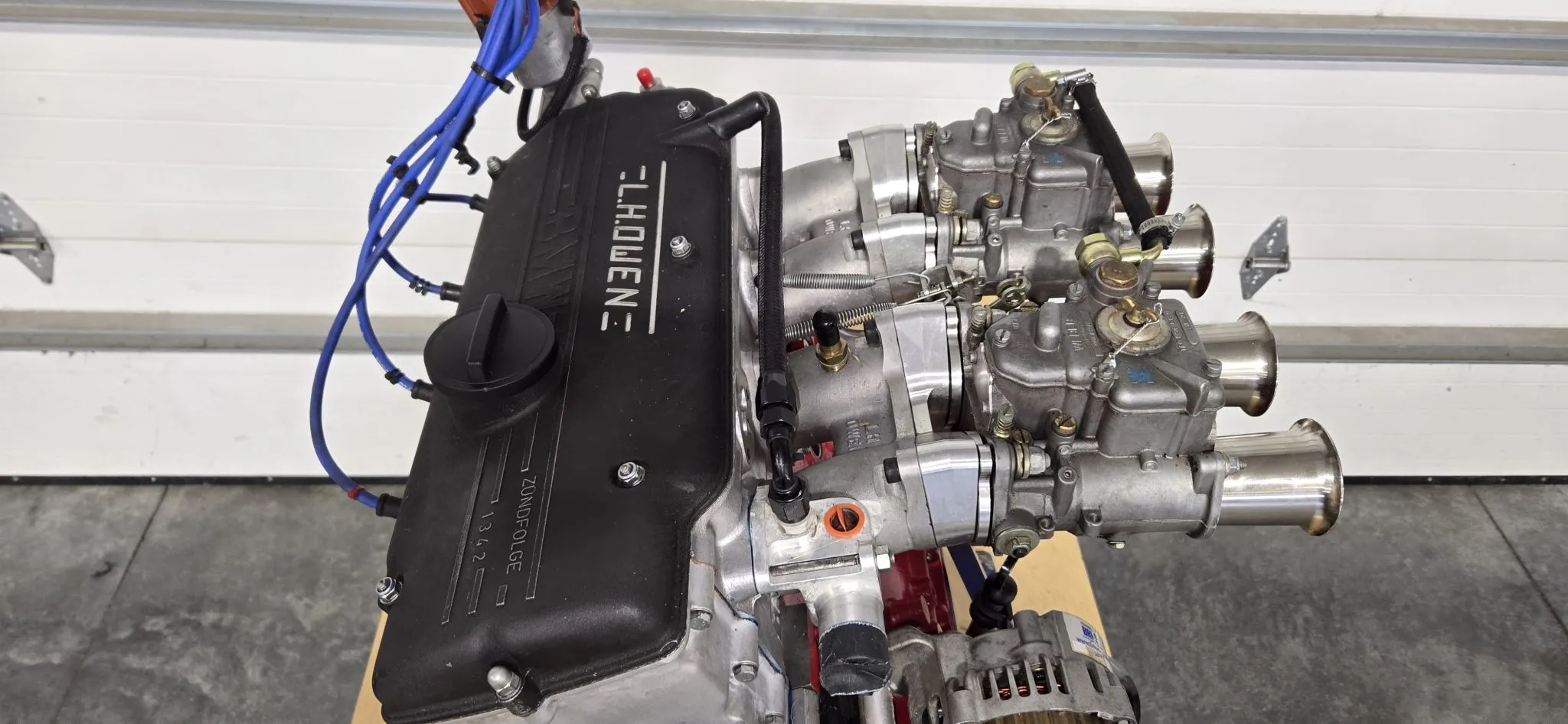
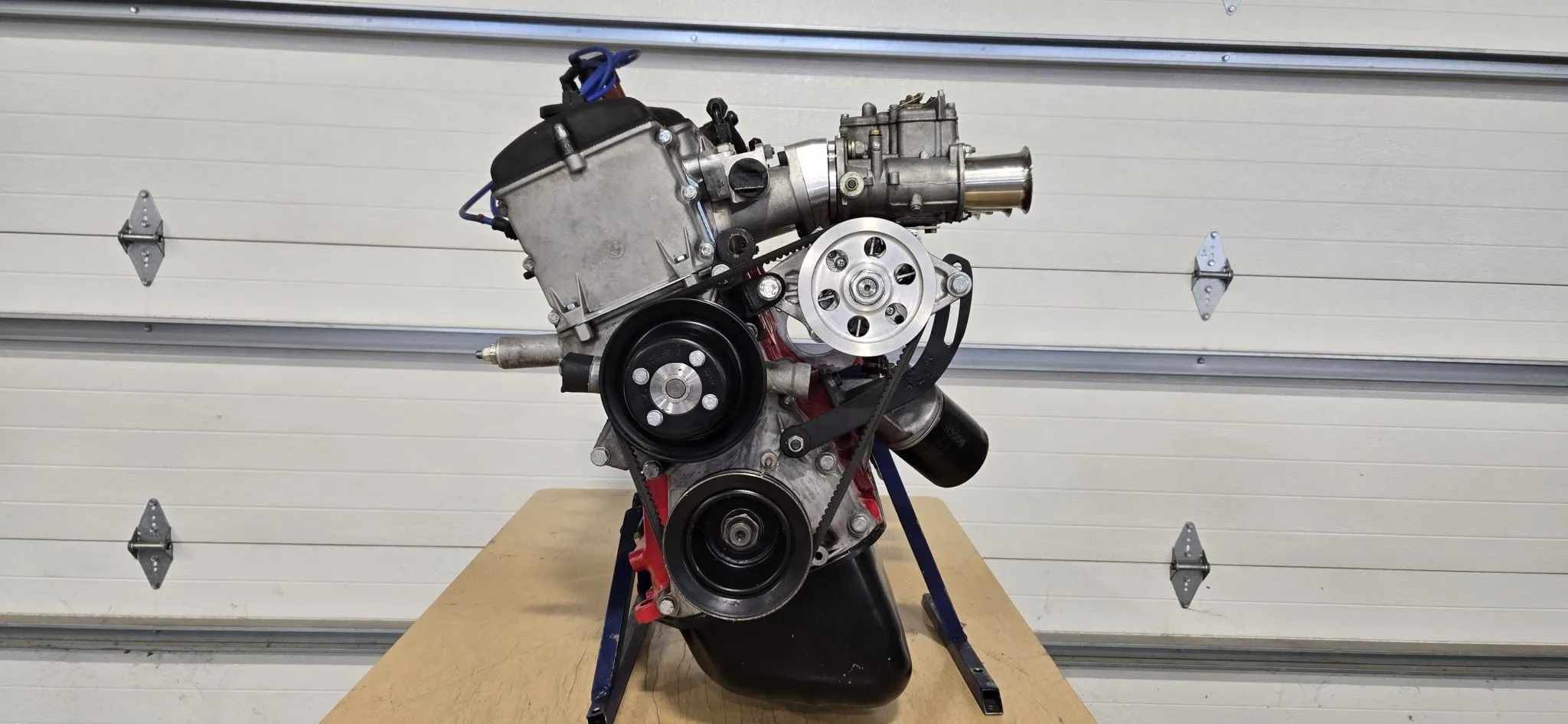
- 1,990cc BMW M10 Built by LH Owen
- Cast Iron Block
- Aluminum Cylinder Head
- Wet-Sump Lubrication
- Weber Carburetor
1. key Specifications
The M10 is an inline-four with a SOHC (Single Overhead Cam) and 8 valves.
-
Production Run: 1962–1988 (26 years).
-
Block Material: Cast Iron (extraordinarily thick cylinder walls).
-
Head Material: Aluminum (crossflow design).
-
Displacement Range: 1.5L to 2.0L.
-
Valvetrain: Chain-driven SOHC (very reliable).
2. Notable Variants
| Model | Type | Power (Approx.) | Notable Vehicle |
| M115 | 1.5L Carb | 75–80 hp | BMW 1500 (The “New Class”) |
| M118 | 1.8L Carb | 90 hp | BMW 1800 |
| M05 | 2.0L Carb | 100 hp | BMW 2002 |
| M15 | 2.0L Injection | 130 hp | BMW 2002tii (Mechanical Fuel Injection) |
| M31 | 2.0L Turbo | 170 hp | BMW 2002 Turbo (Europe’s first turbo car) |
| M10B18 | 1.8L L-Jetronic | 105 hp | BMW E30 318i / E28 518i |
3. The Formula 1 Legend: M12/13
The ultimate testament to the M10 is the M12/13 racing engine used in the 1980s.
-
The “Used Block” Myth: Engineers famously used high-mileage M10 street blocks (some with over 100,000 km) for F1 engines. They believed the constant heat-cycling of daily driving “seasoned” the iron, relieving internal stresses.
-
Power Output: In 1983, Nelson Piquet won the F1 Championship with this 1.5L engine. In “qualifying trim,” it ran nearly 5.5 bar (80 psi) of boost, producing an estimated 1,400+ hp.
-
Fun Fact: BMW’s dyno at the time could only measure up to 1,280 hp; the engine simply “maxed out” the needles.
4. Common Issues & Maintenance
Despite its “bulletproof” reputation, a 40- to 60-year-old M10 has a few aging pains:
-
Valve Guide Wear: The most common issue. If the car puffs blue smoke on startup or during deceleration, the valve guides or seals are likely shot.
-
Timing Chain Tensioner: While the chain itself lasts forever, the hydraulic tensioner can fail, leading to “timing chain slap” or rattling.
-
The “Banjo Bolt” Problem: The oil spray bar bolt inside the valve cover can vibrate loose, starving the camshaft of oil. Many owners safety-wire these bolts.
5. Tuning Potential
The M10 is a “Lego” engine. You can easily swap parts between generations:
-
E12/E21 Head Swap: Using a “1.8i” head on a 2.0L block is a popular way to increase compression and flow.
-
Carb Upgrades: Replacing the single Solex with Dual Weber 40 or 45 DCOEs is the classic way to get that iconic “induction growl.”
Reviews
There are no reviews yet.