
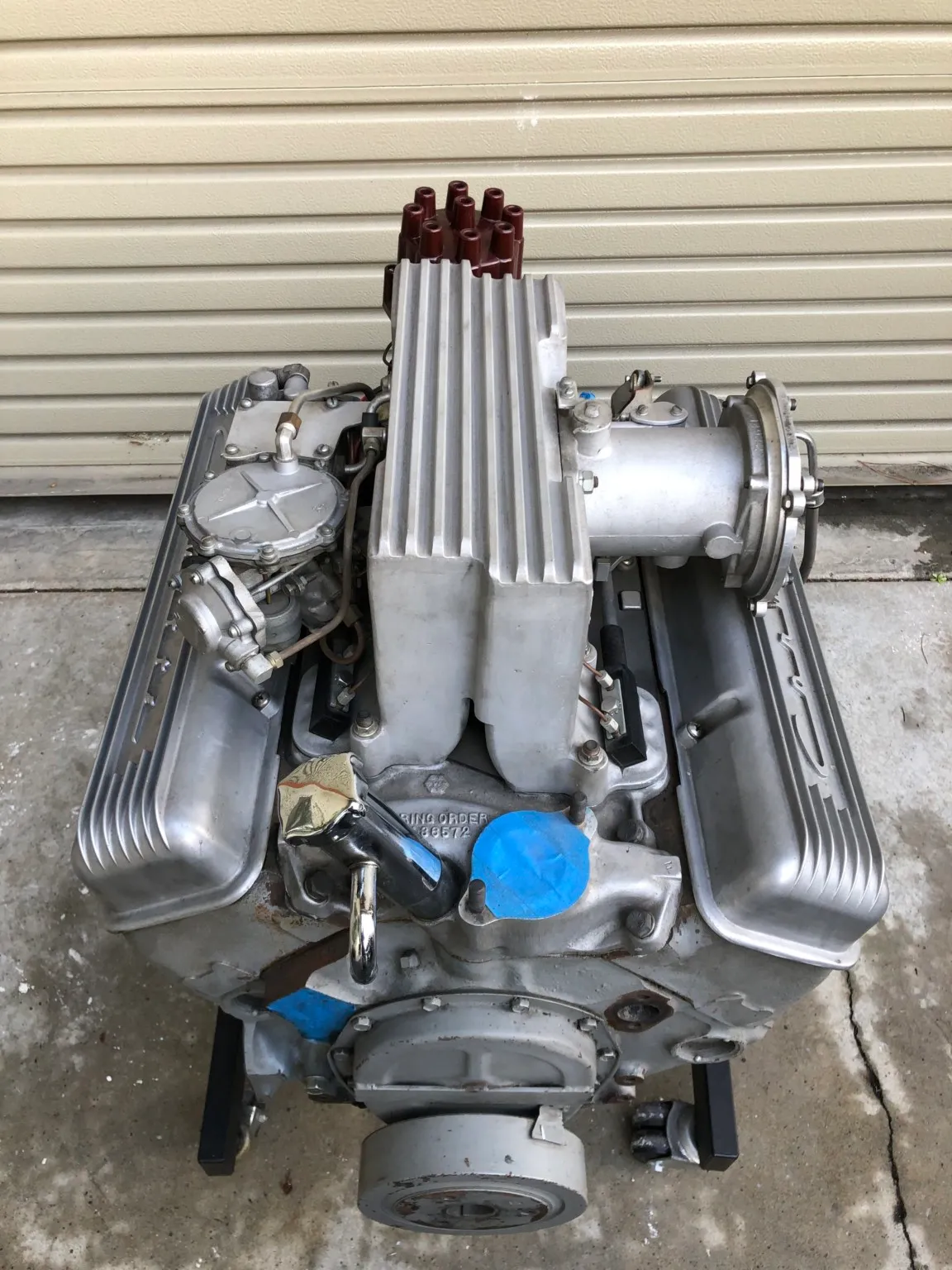
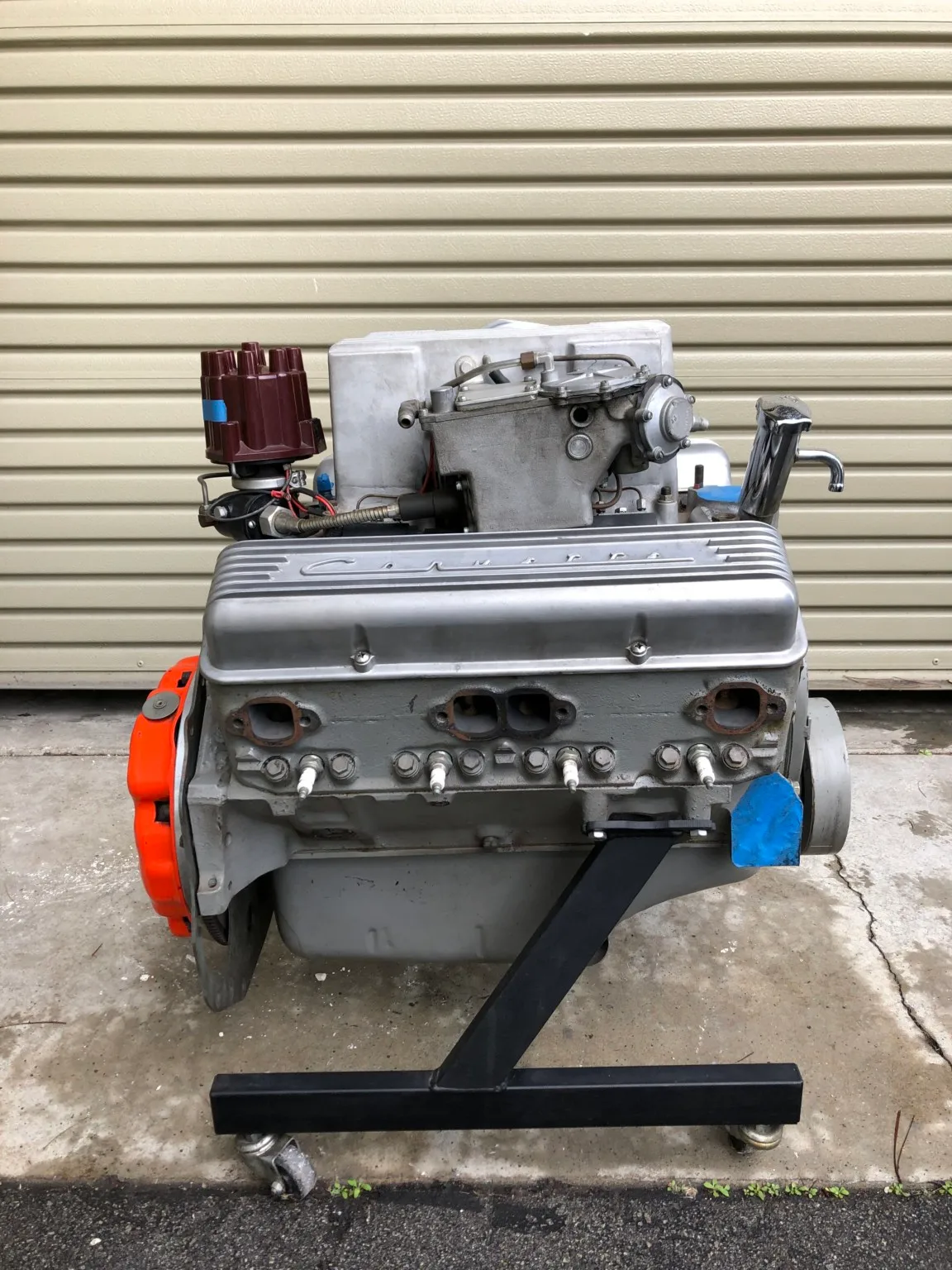
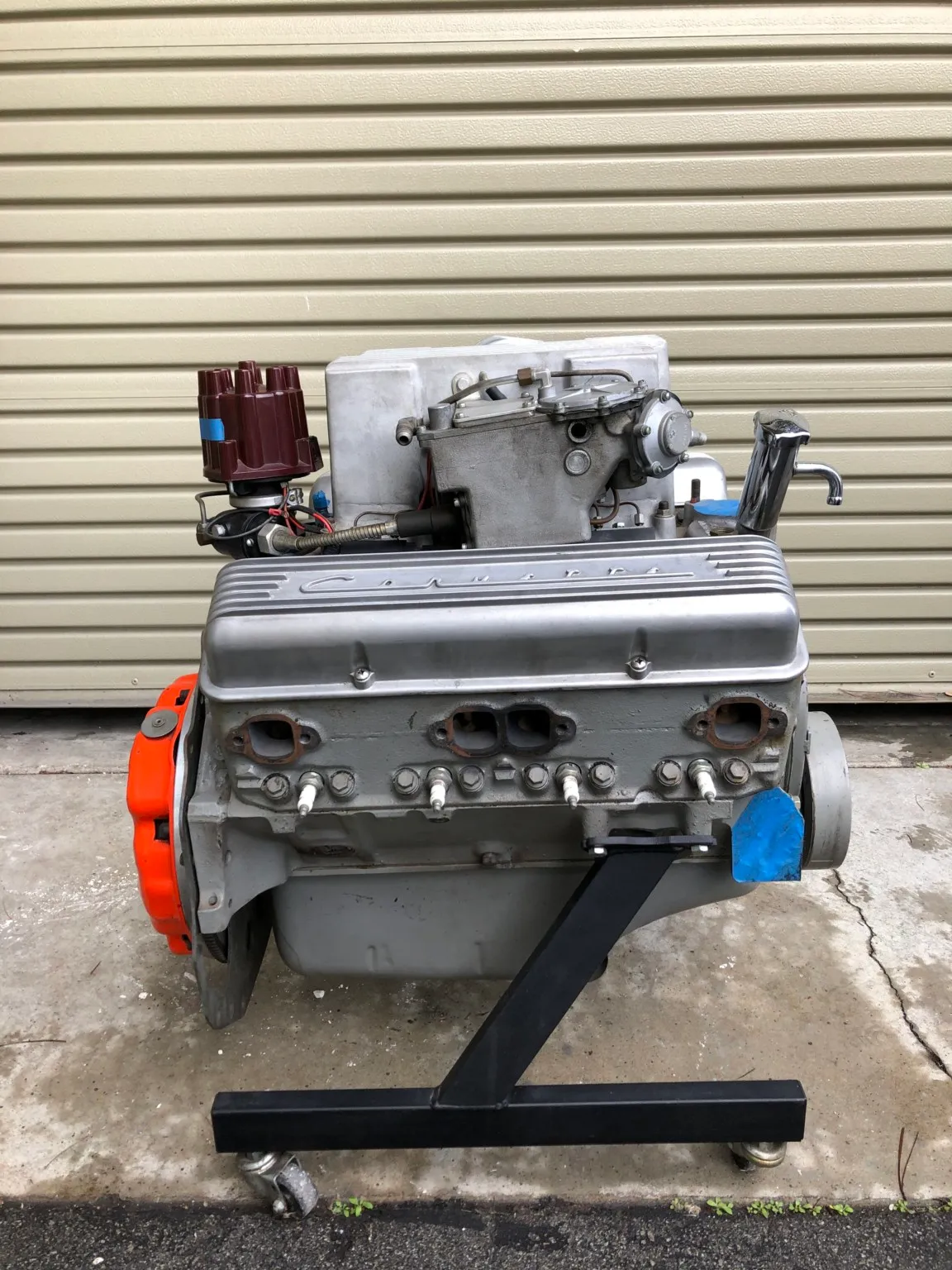
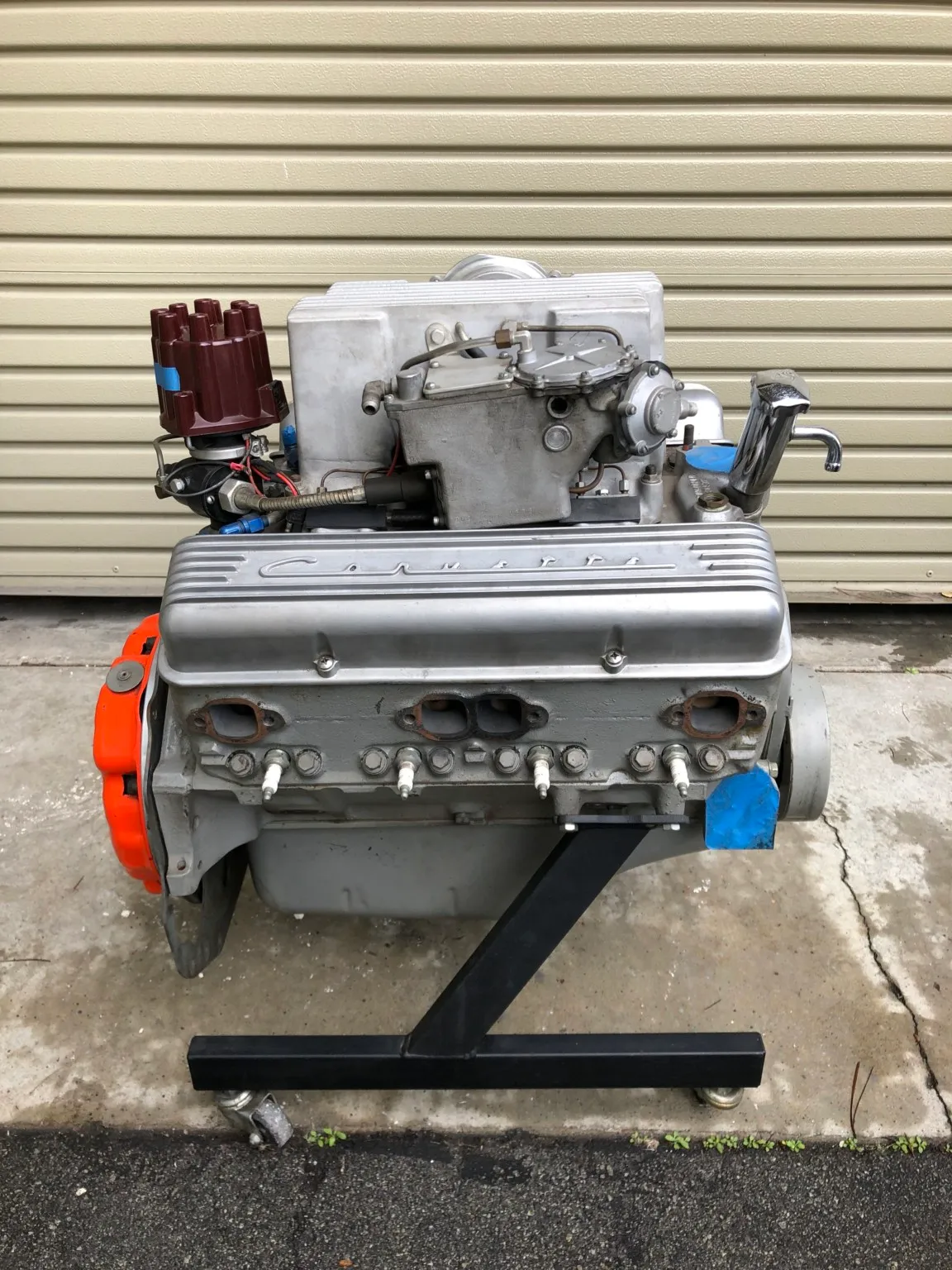
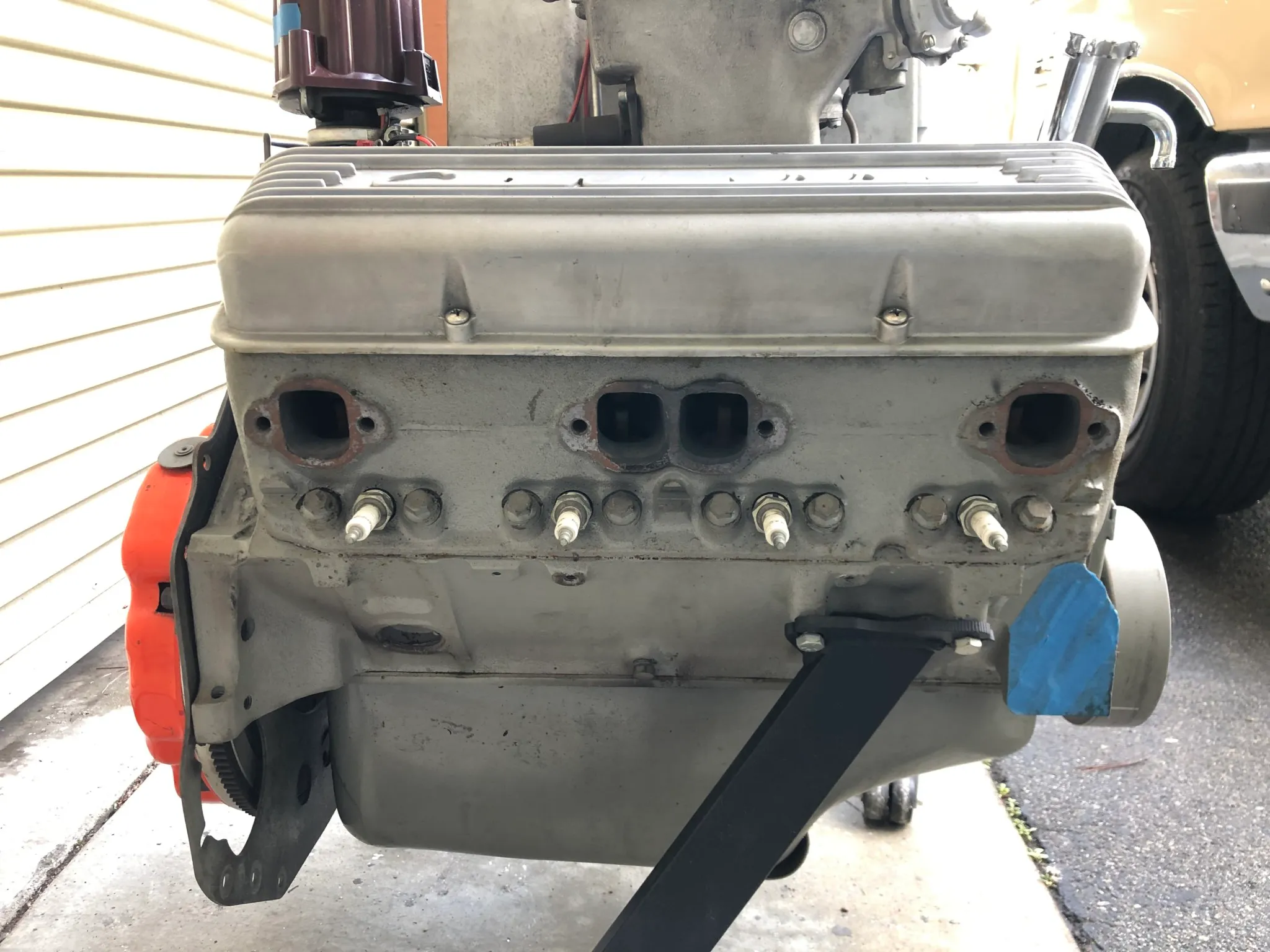
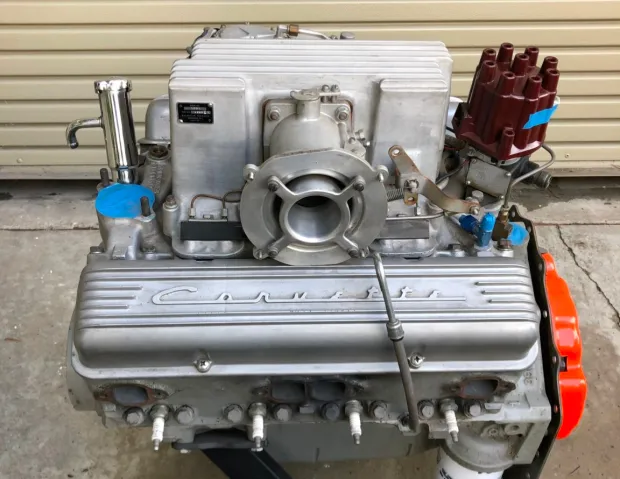
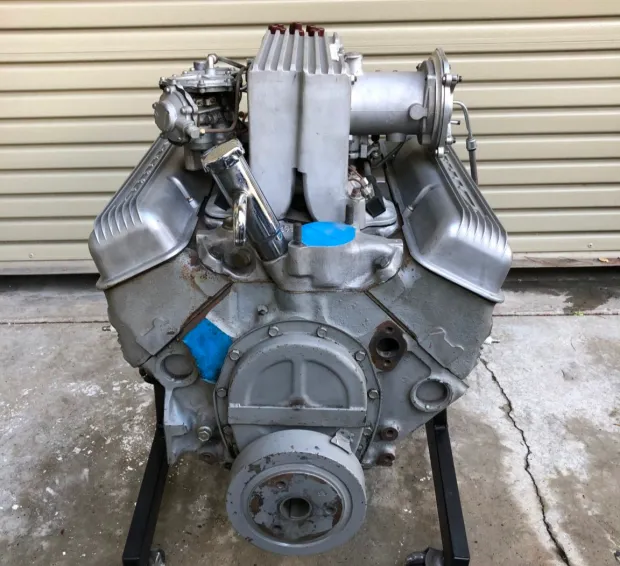
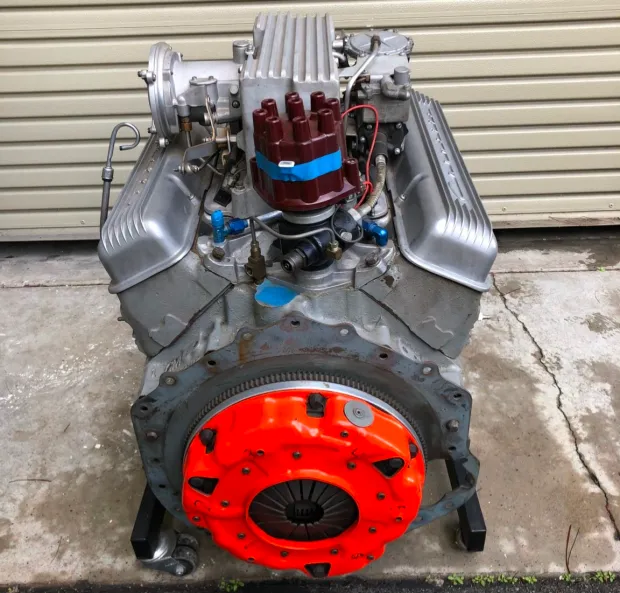
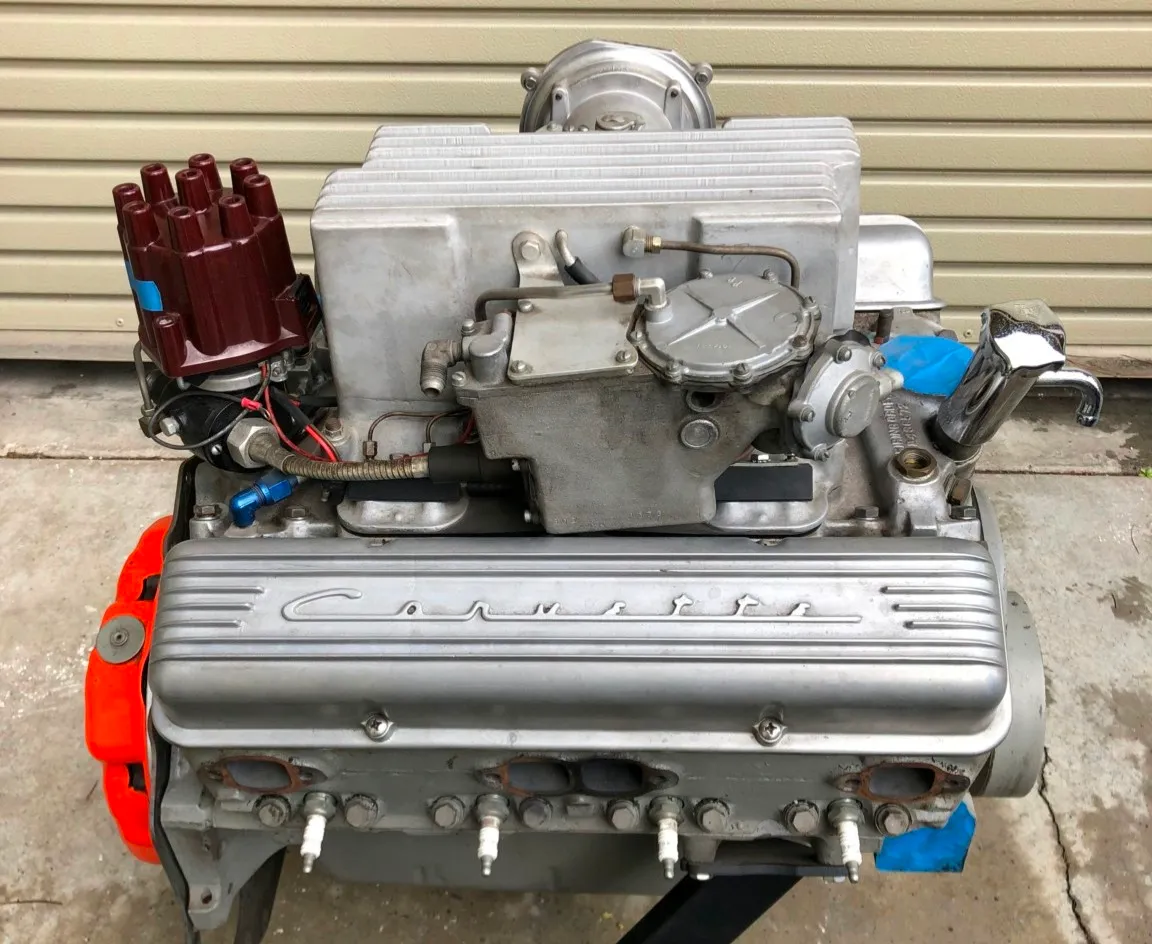
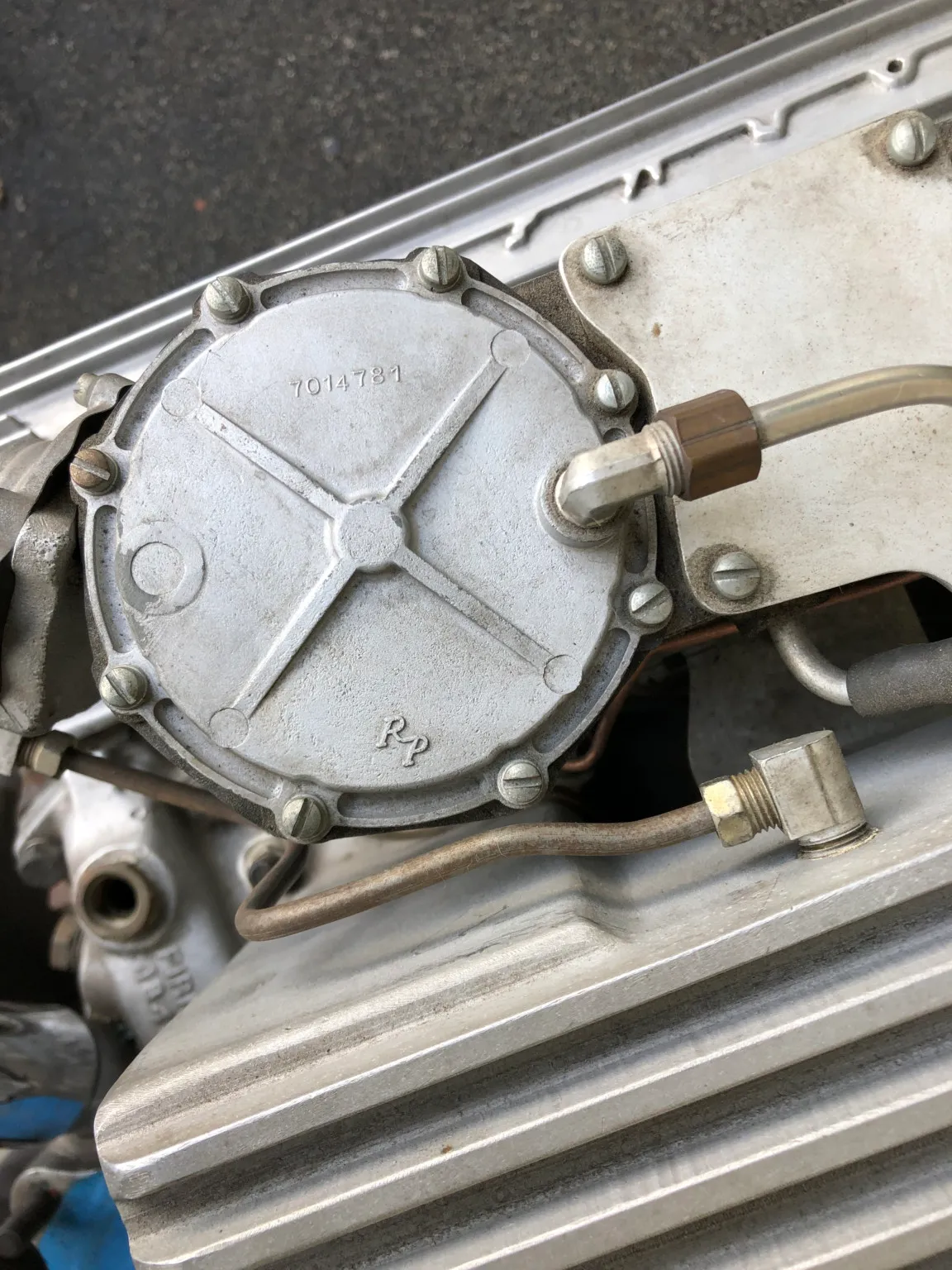
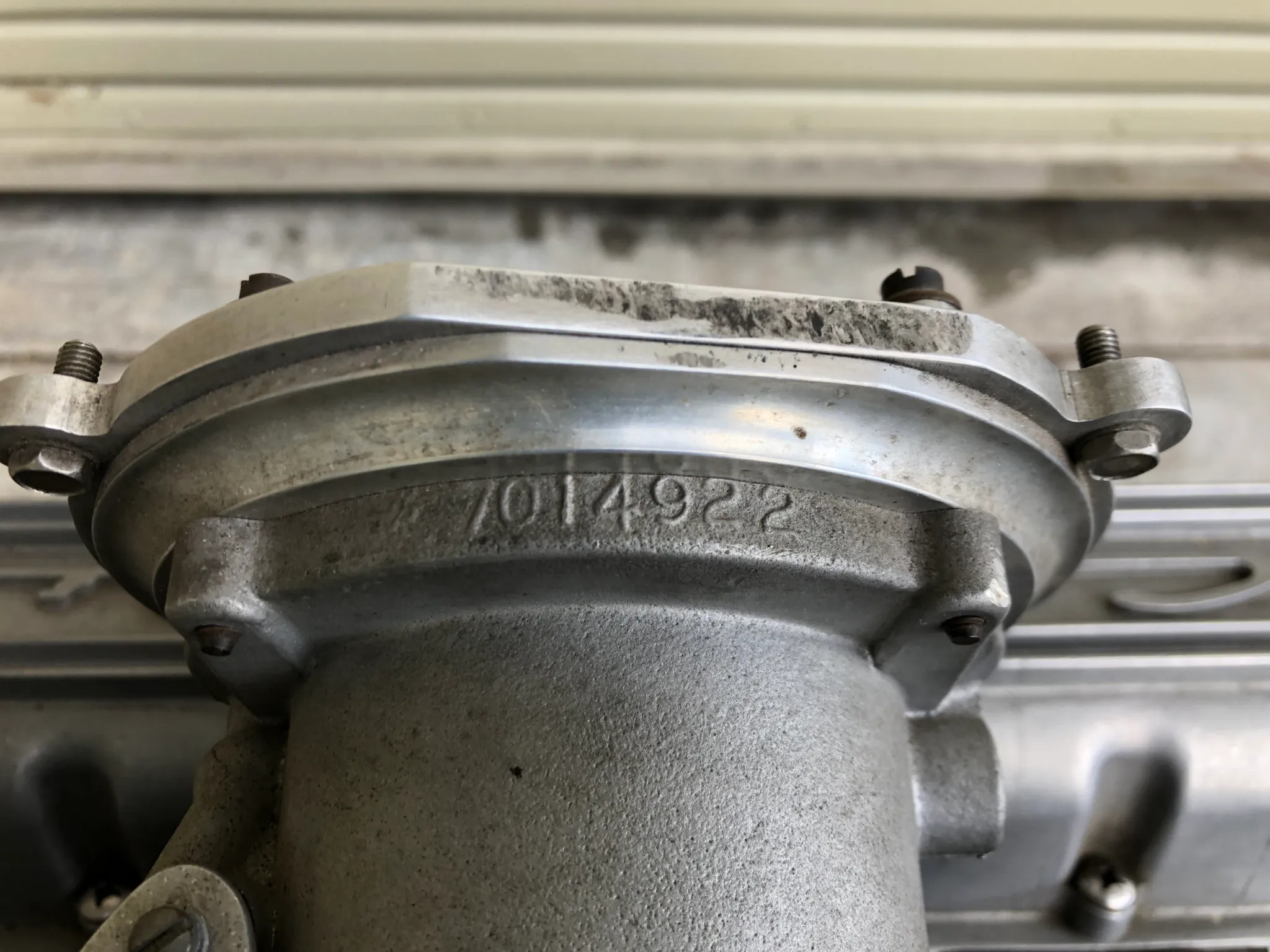
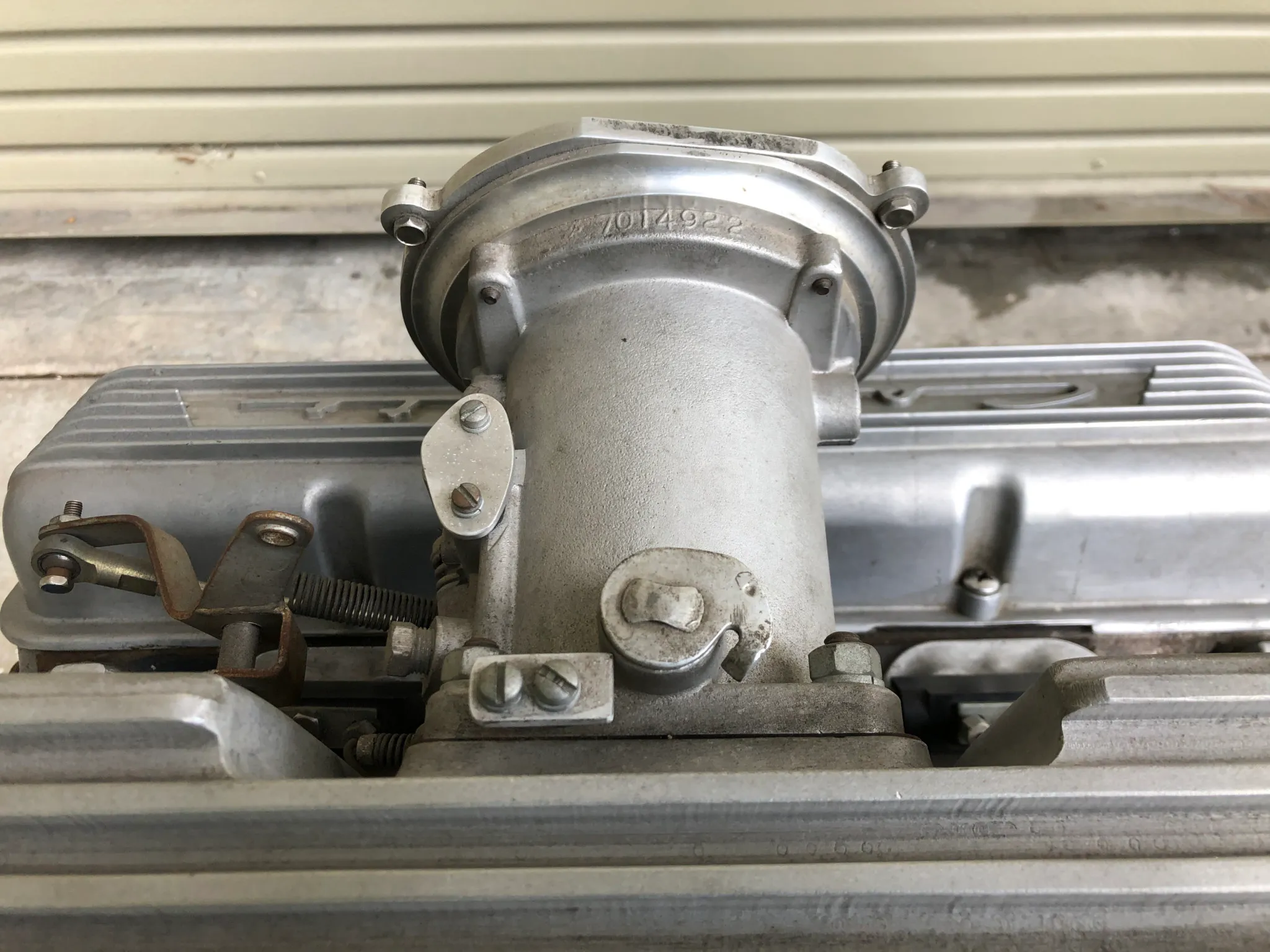
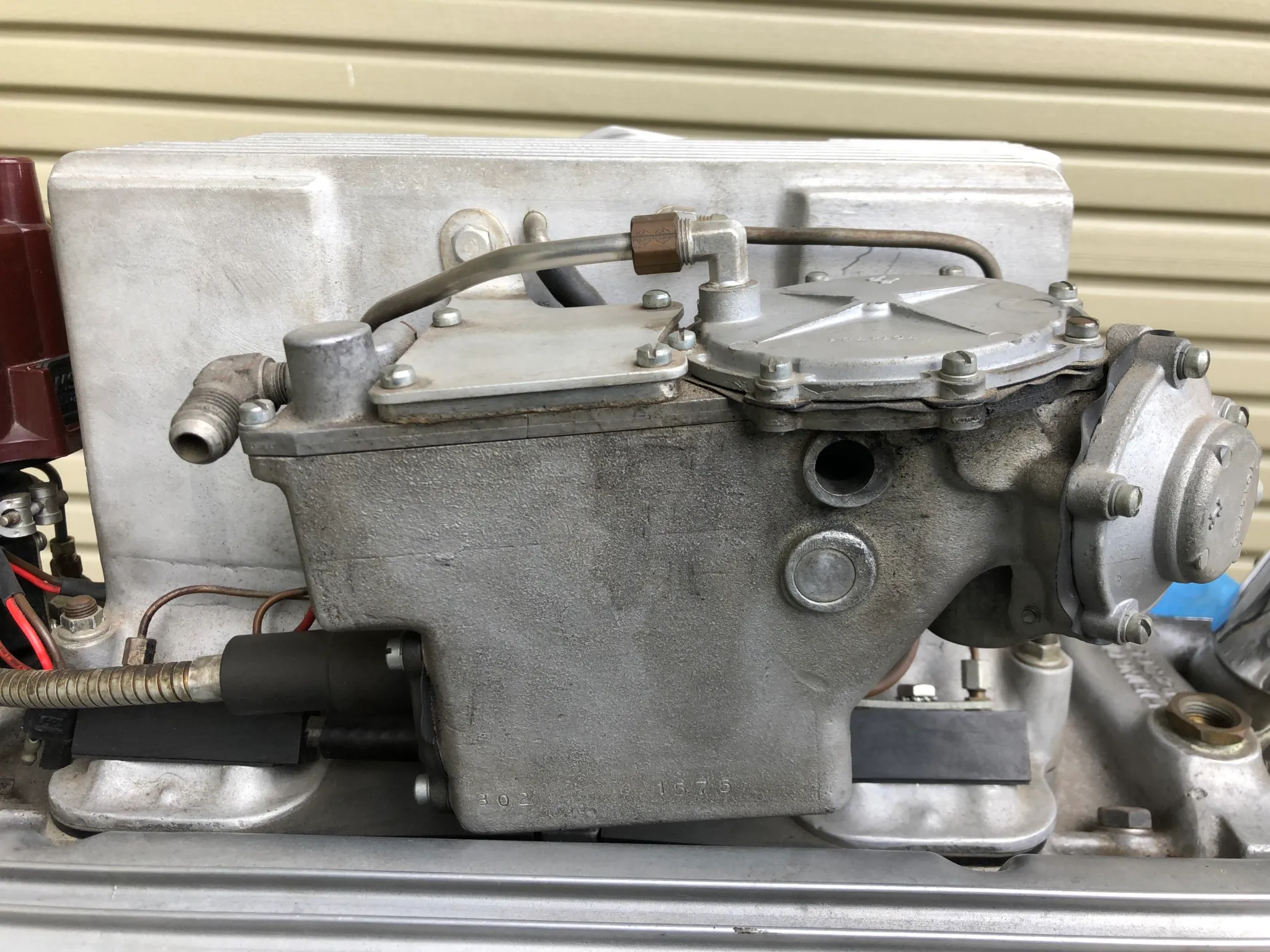
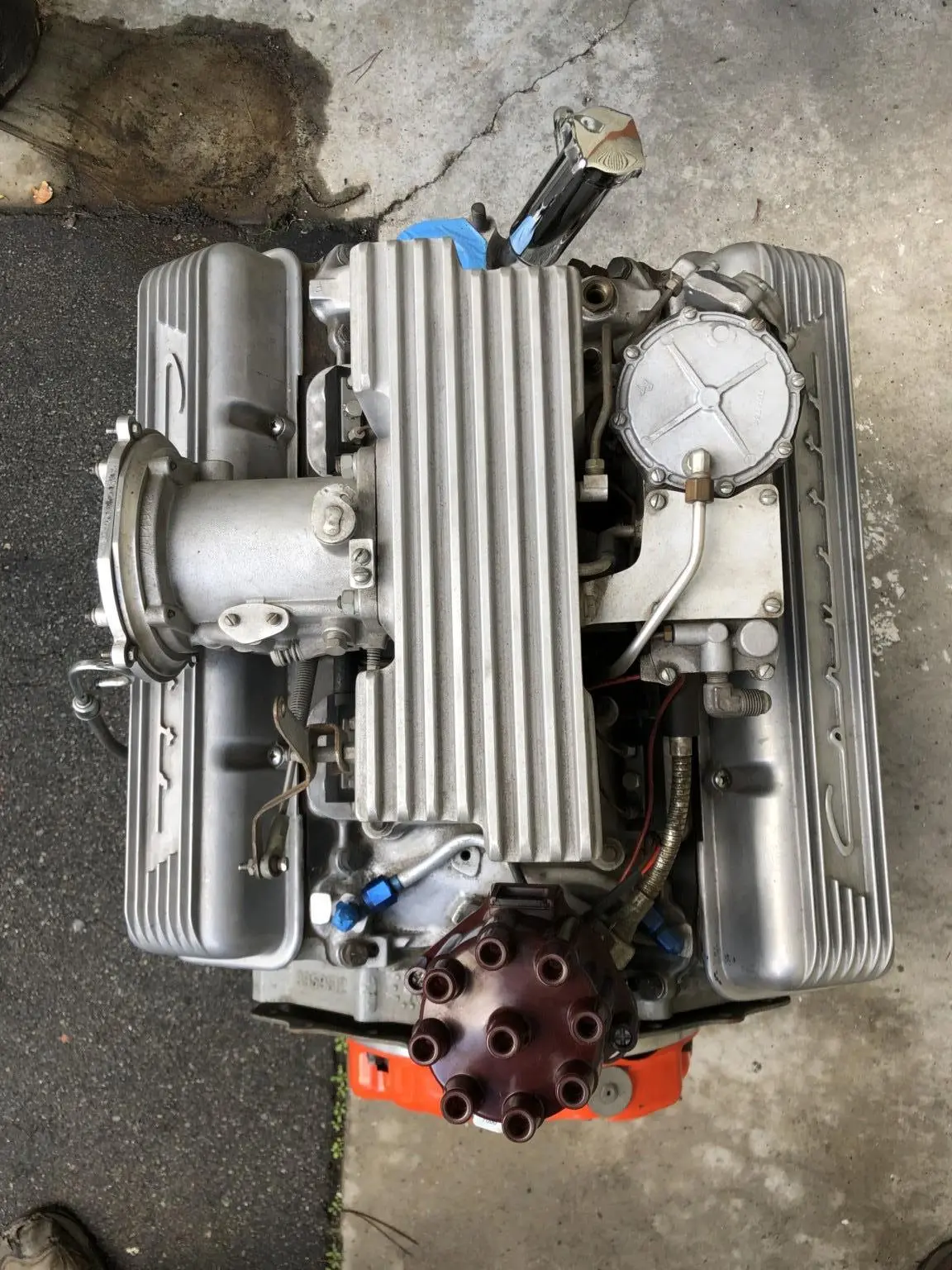
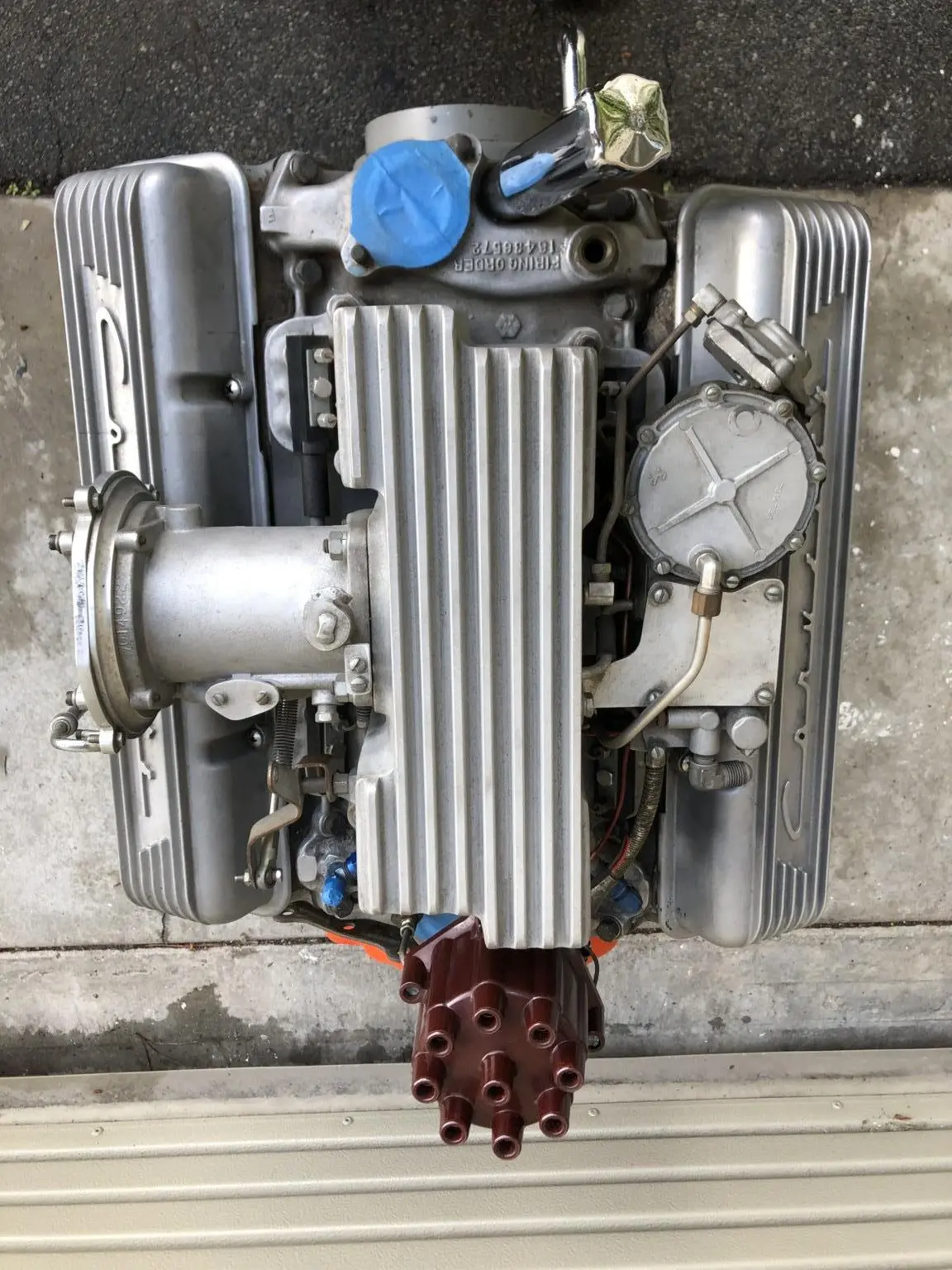
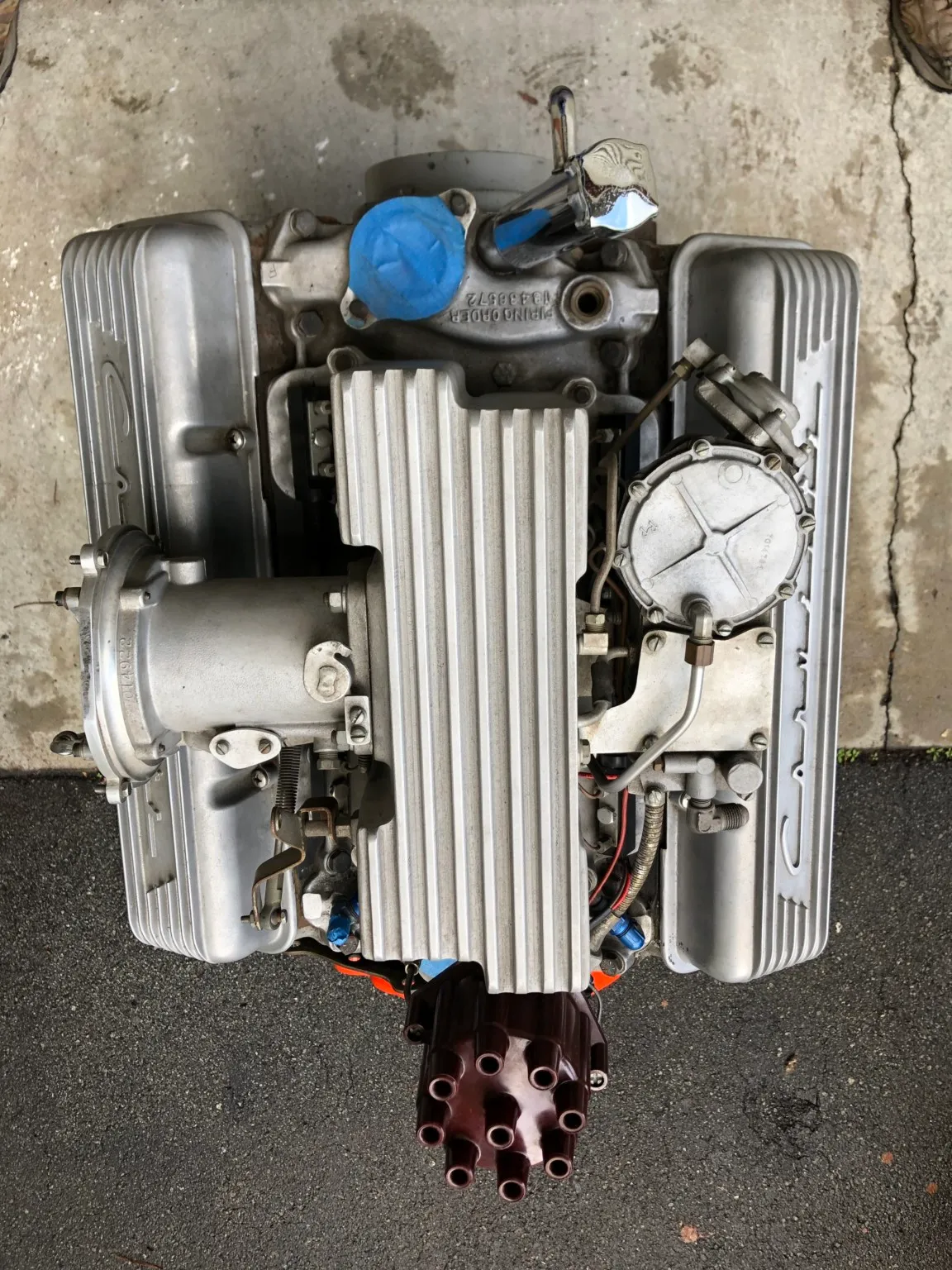
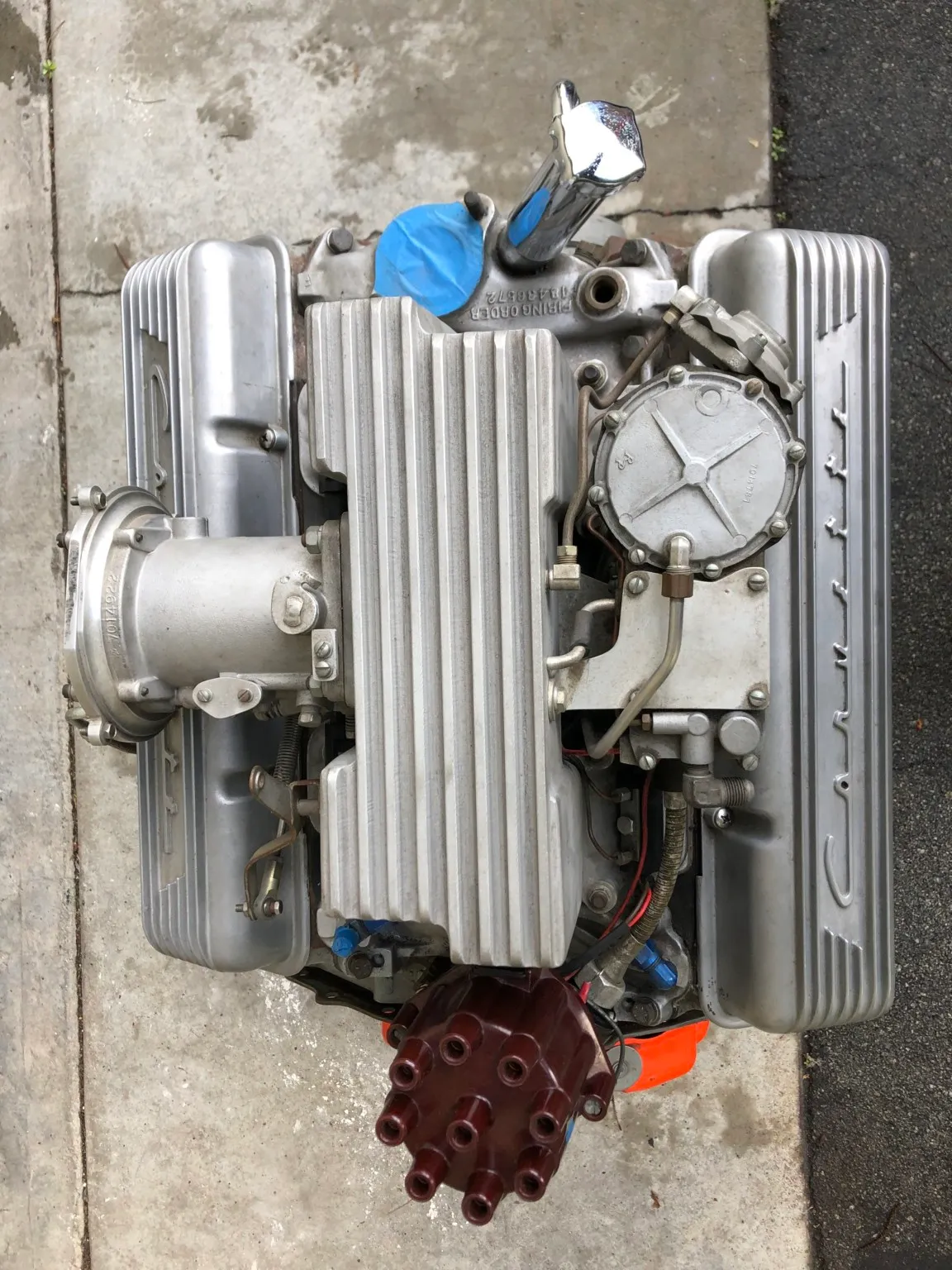
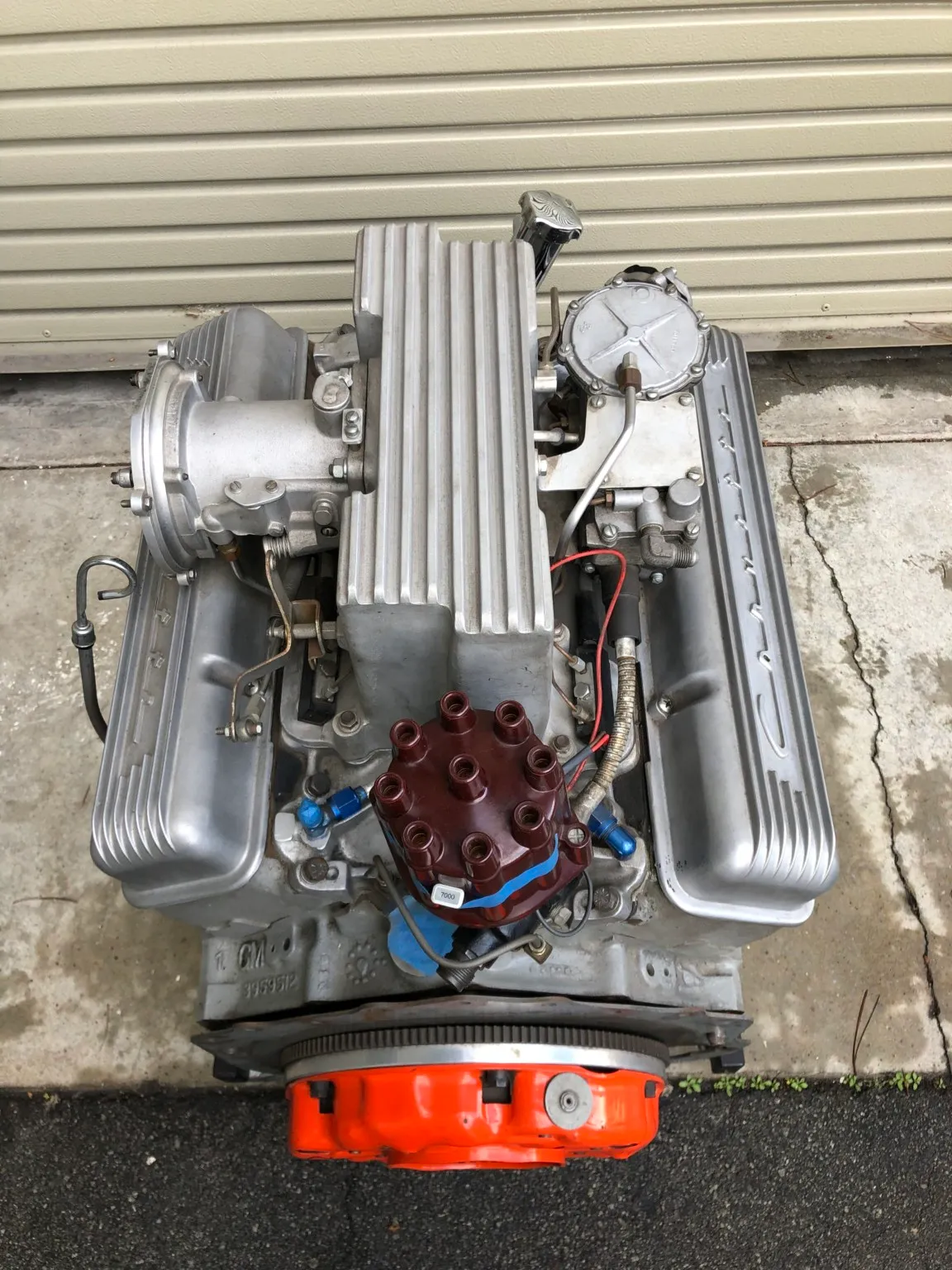
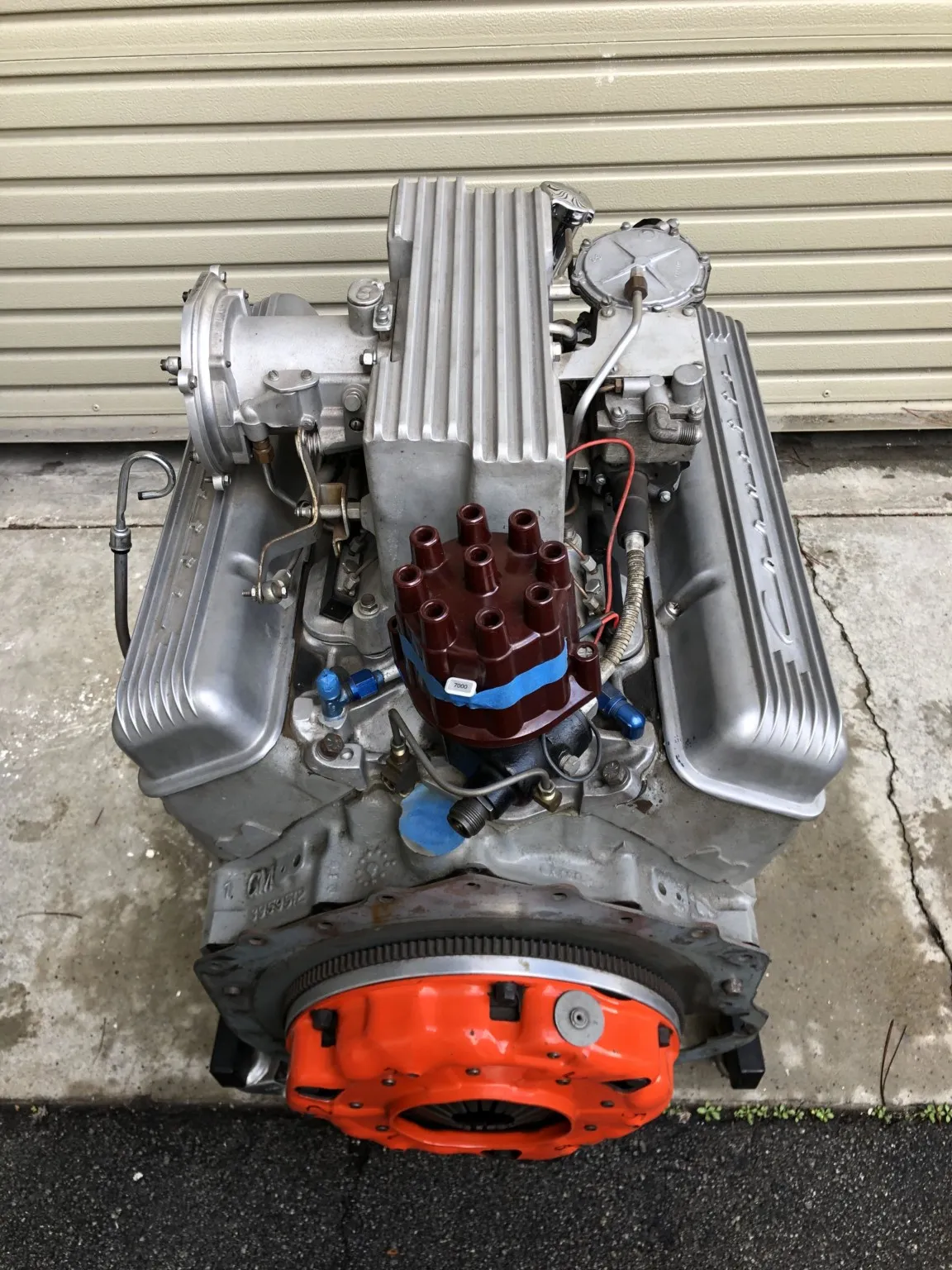
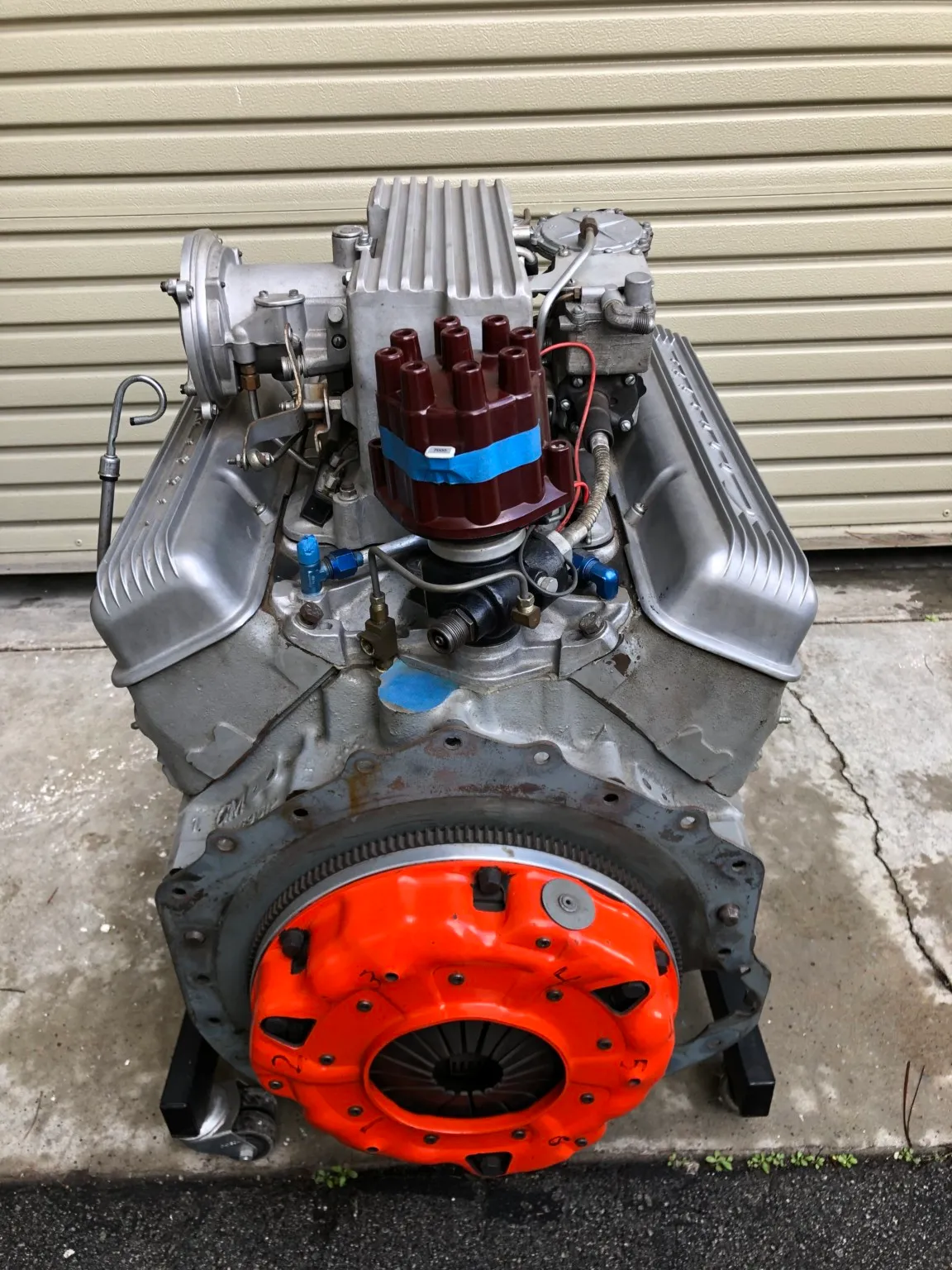
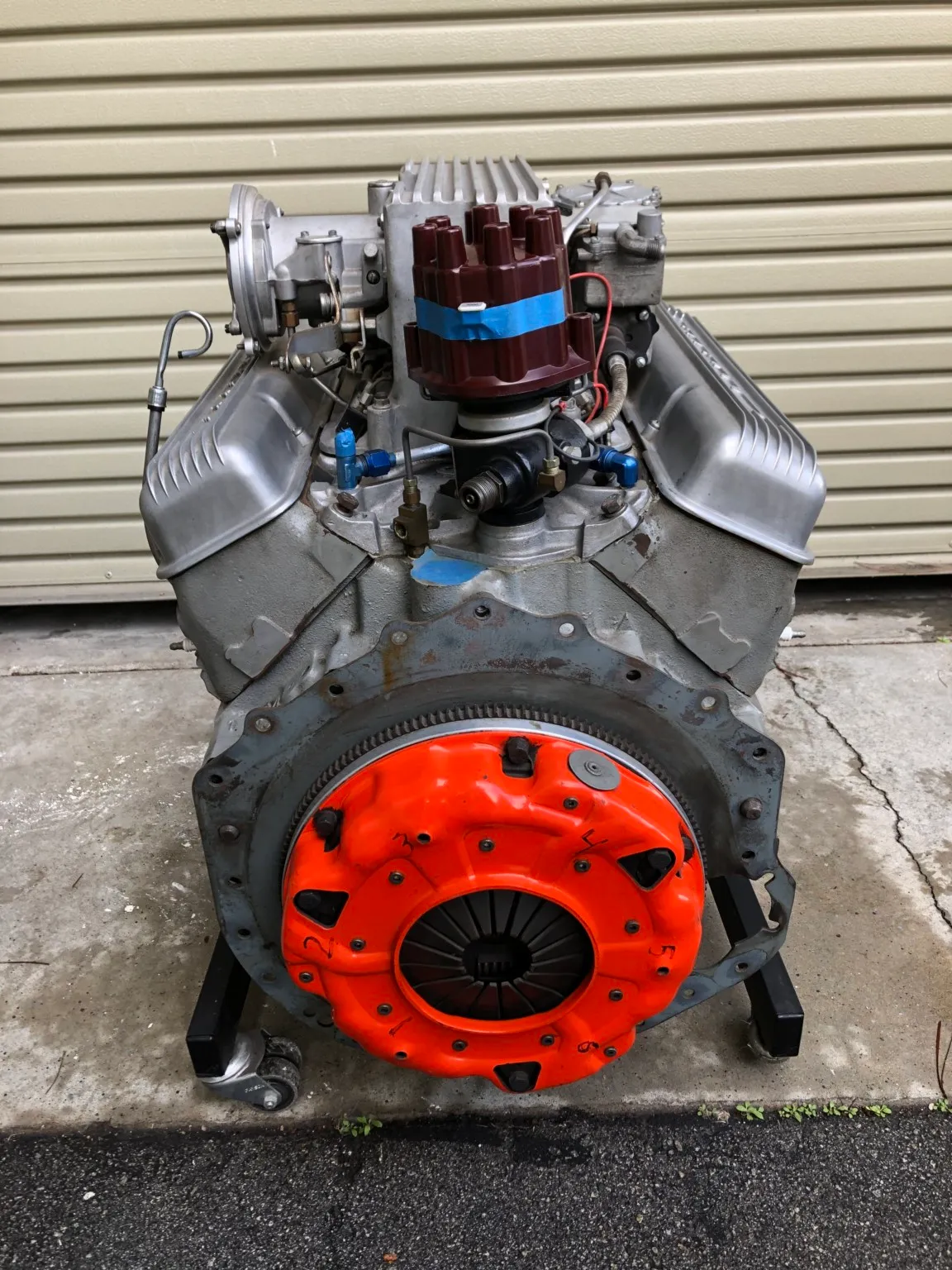
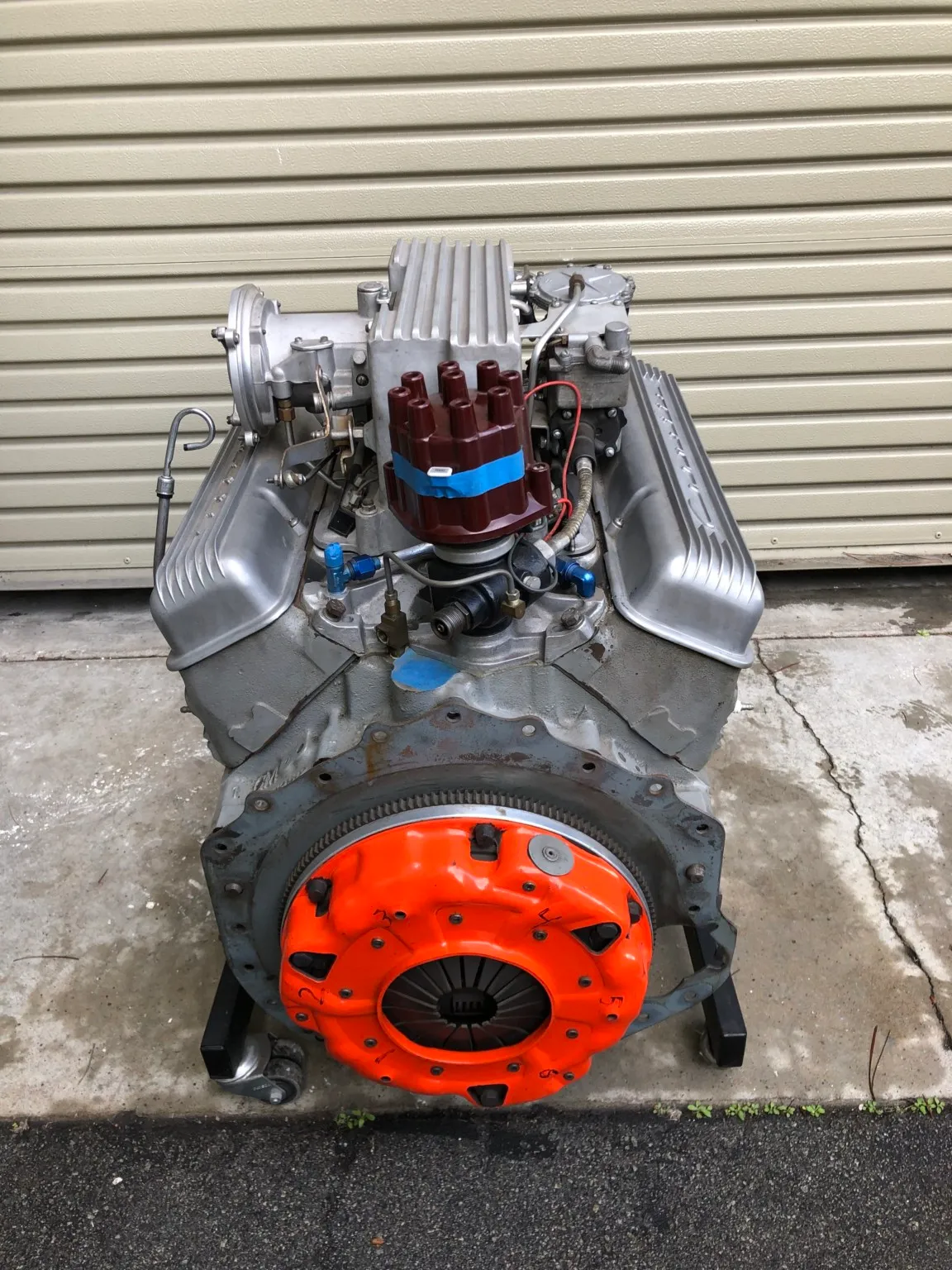
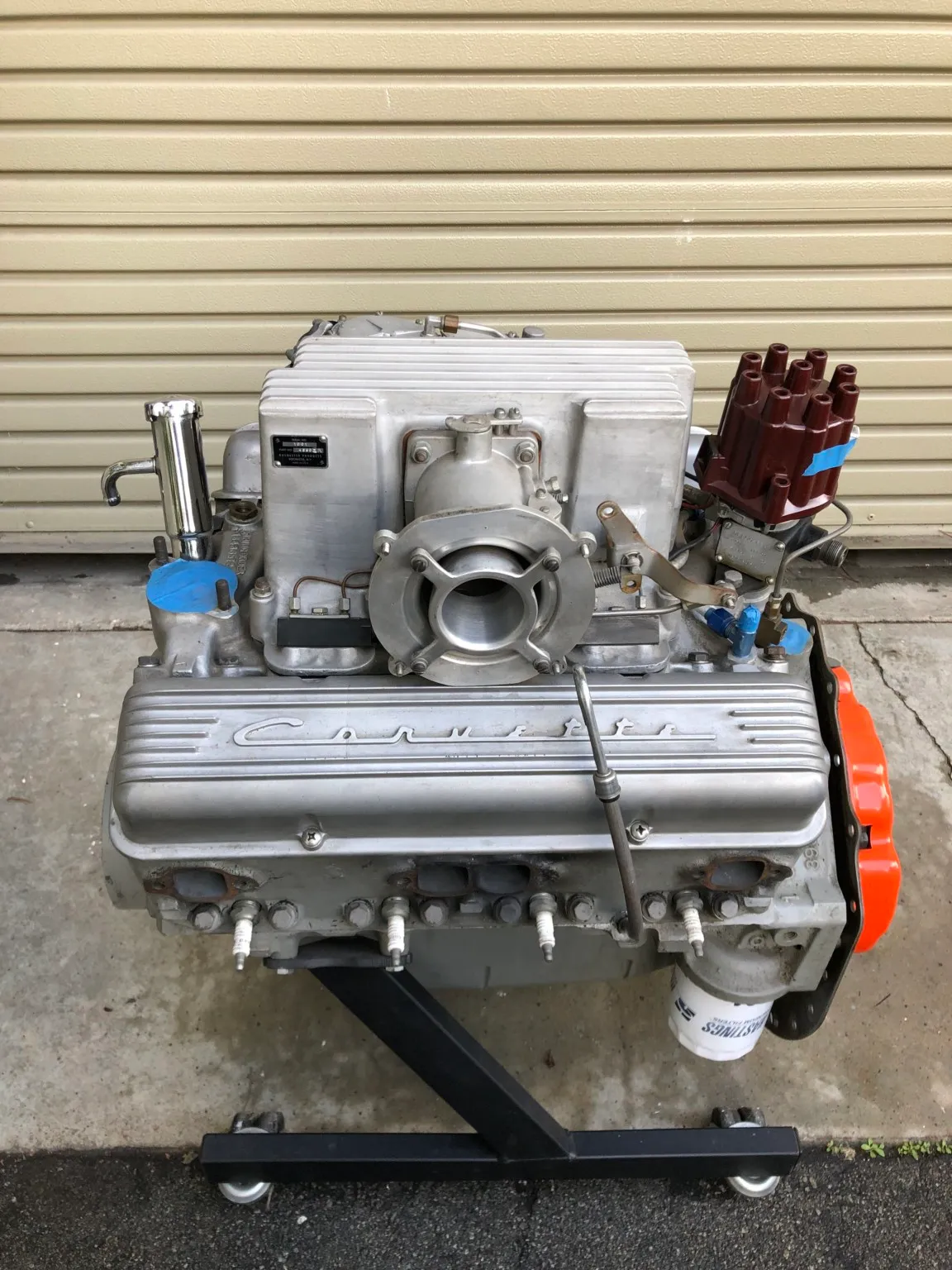
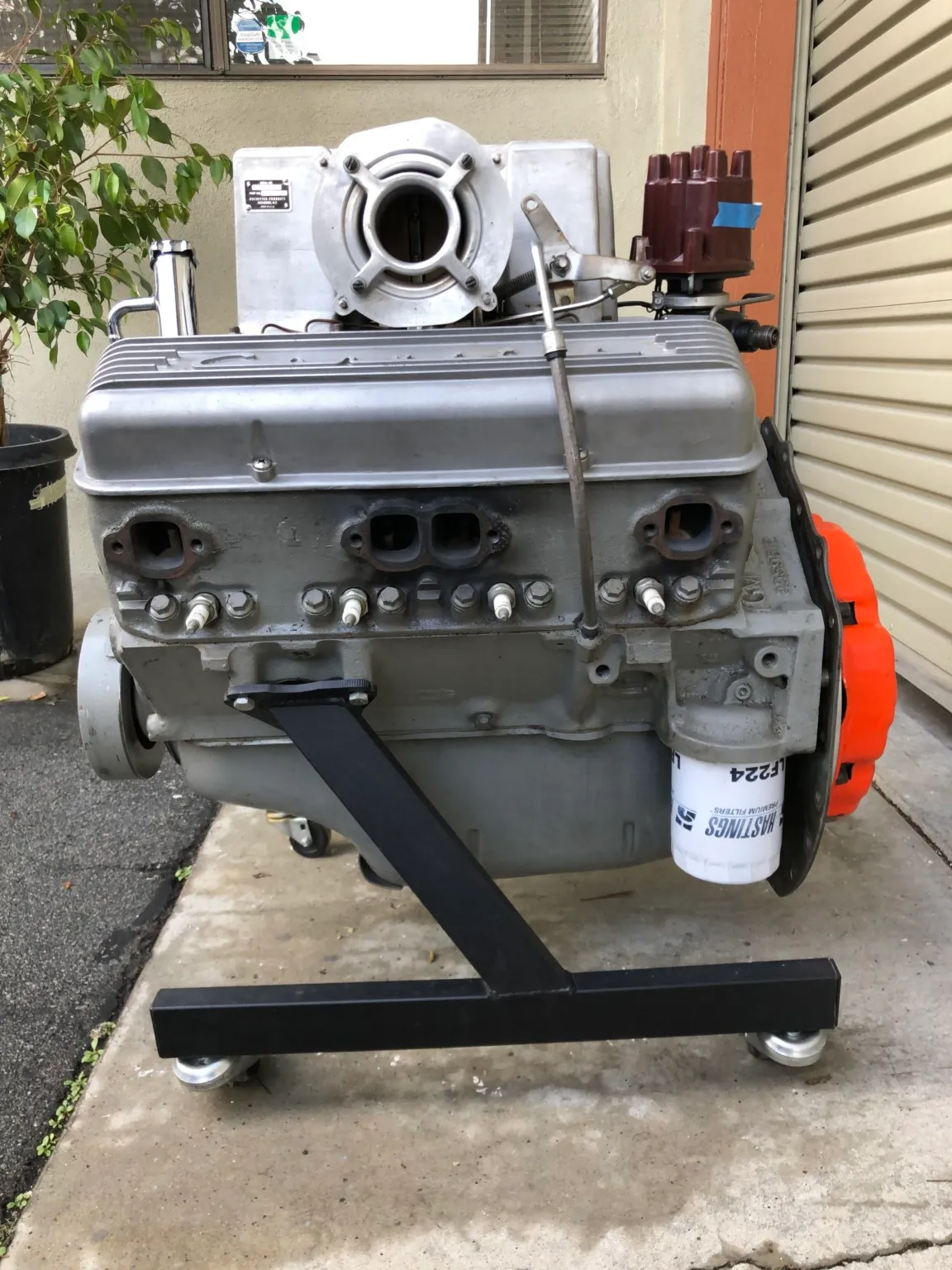
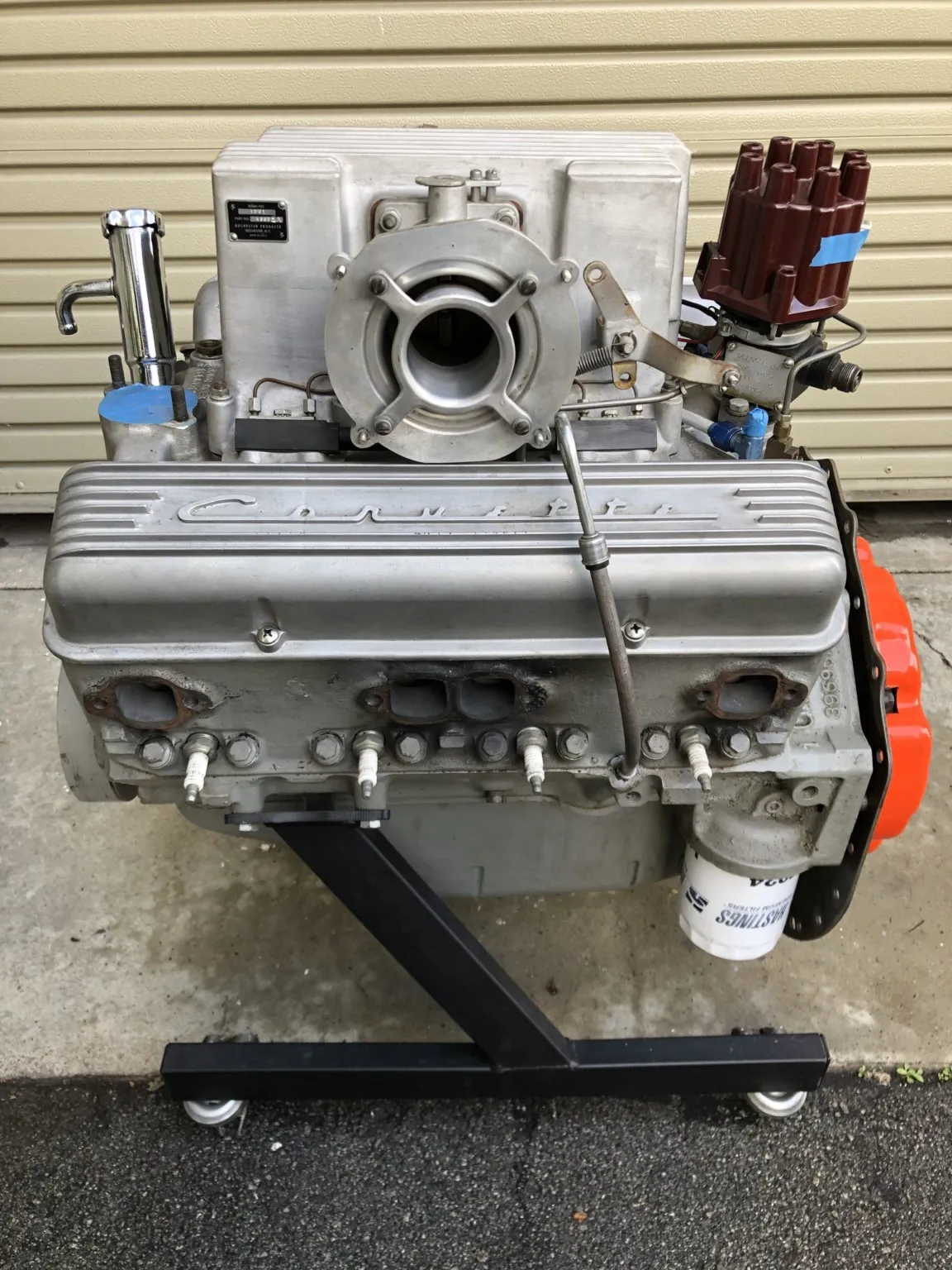
Chevrolet 327 V8 Racing Engine w/ Rochester Injection
In 2026, the Chevrolet 327 V8 with Rochester Mechanical Fuel Injection—famously known as the “Fuelie”—is one of the most historically significant and visually striking small-block combinations ever produced.
Used in the 1962–1965 Corvette, this setup was the pinnacle of GM performance before the Big Block era. For a racing application, this engine is prized for its high-revving nature and the instant throttle response of the mechanical injection.
1. Technical Profile: The “Small-Block” Screamer
The 327 Fuelie was the first production engine to reach the 1 HP per cubic inch milestone in its highest factory trim.
2. 2026 Market Valuation (Estimated USD)
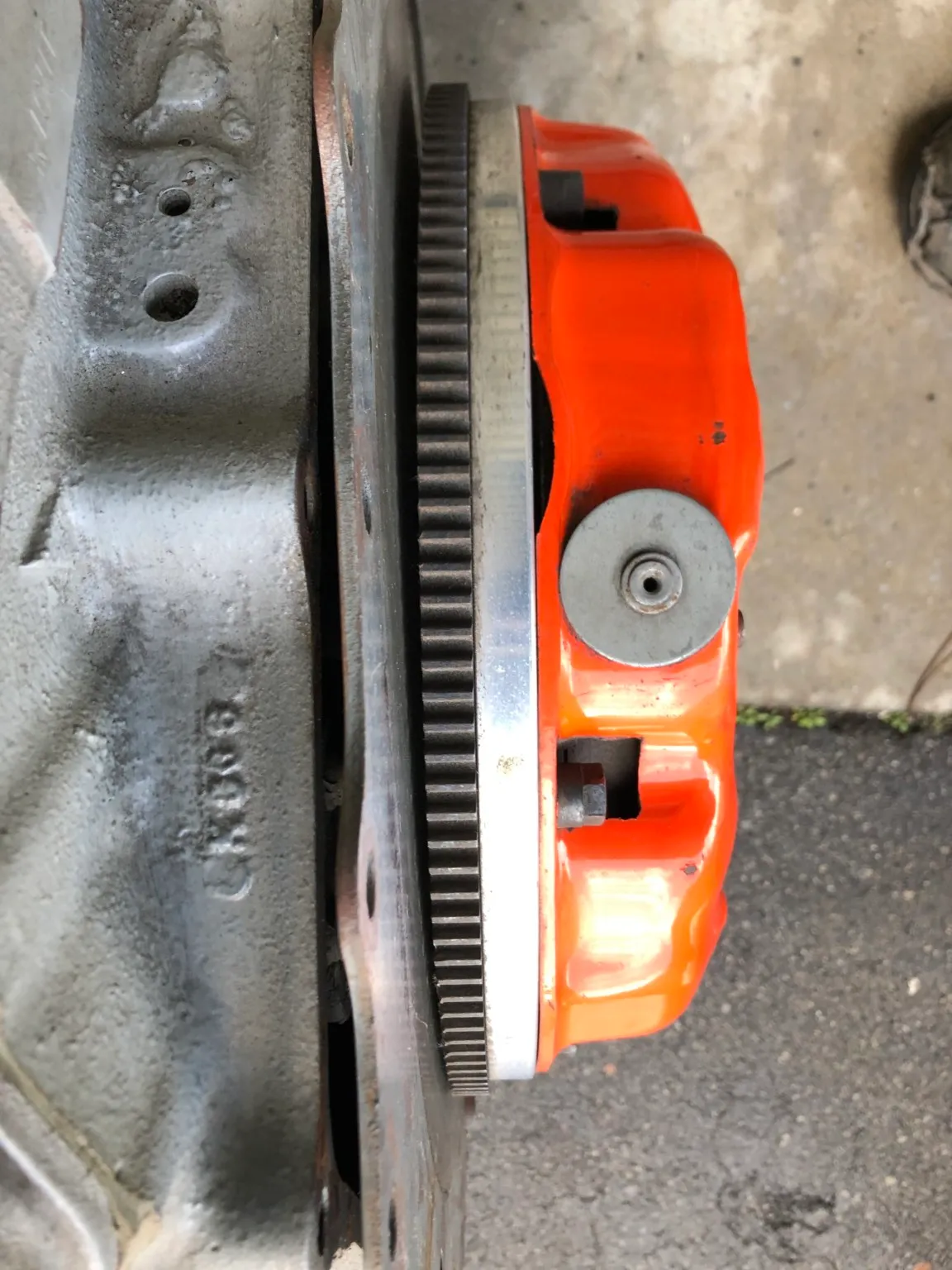
Price is dictated almost entirely by the serial number of the Rochester unit and the date-coding of the block.
3. The Rochester “Dark Arts” (Critical Maintenance)
In 2026, finding a mechanic who can actually tune a Rochester mechanical unit is difficult. It is a “constant flow” system, meaning it doesn’t have pulses like modern injectors.
-
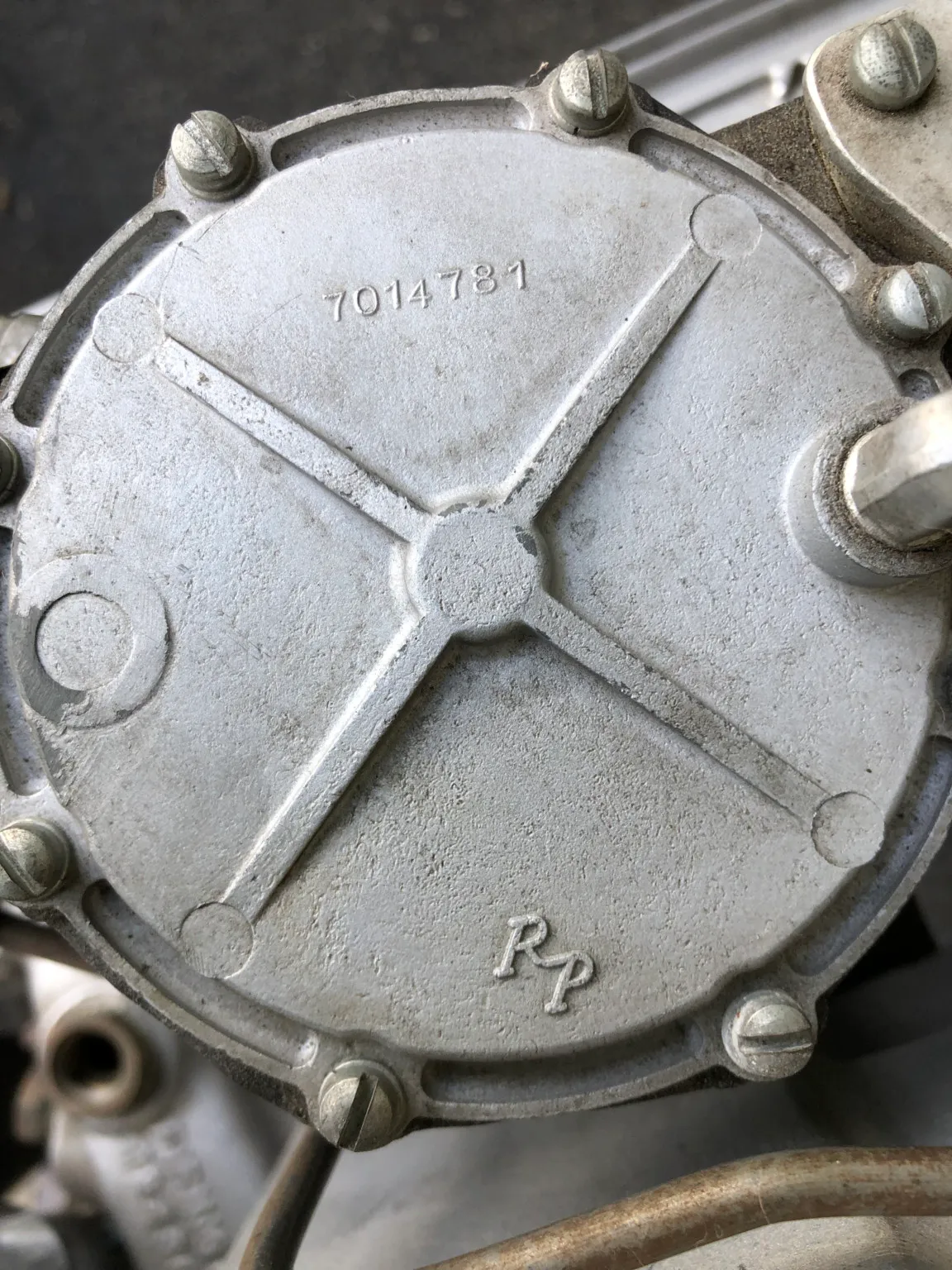
Fuel Pressure is Everything: The system relies on a high-pressure pump located inside the fuel meter. If the pressure isn’t exact, the engine will “stumble” or run dangerously lean.
-
The “Spider” Lines: The small metal fuel lines (the spider) must be perfectly clean. In 2026, modern pump gas with ethanol can quickly clog these if the car sits for more than a few weeks.
-
Cold Starts: These systems were notorious for difficult cold starts. Many racing builds in 2026 use a hidden “primer” solenoid to assist with the first fire of the day.
-
Drive Cable: The high-pressure pump is driven by a cable from the distributor. If this cable snaps, the engine dies instantly. Carrying a spare cable in the glovebox is a “pro-tip” for Fuelie owners.
4. 2026 Racing Upgrades
If you are actually racing this engine in 2026 (Vintage Trans-Am or SCCA styles), purists often perform “stealth” upgrades:
-
Aluminum Heads: Many owners use painted aluminum heads (like Air Flow Research) that look like the original 461 “Double Hump” iron heads but offer significantly better cooling and flow.
-
Roller Cam Conversion: Replacing the original solid-lifter “Duntov” cam with a modern mechanical roller cam allows the engine to rev more freely and reduces maintenance.
-
Electronic Conversion: Some “Fuelie” units in 2026 have been converted to Electronic Fuel Injection (EFI) hidden inside the original Rochester doghouse. This provides modern reliability while maintaining the iconic $25,000 look.
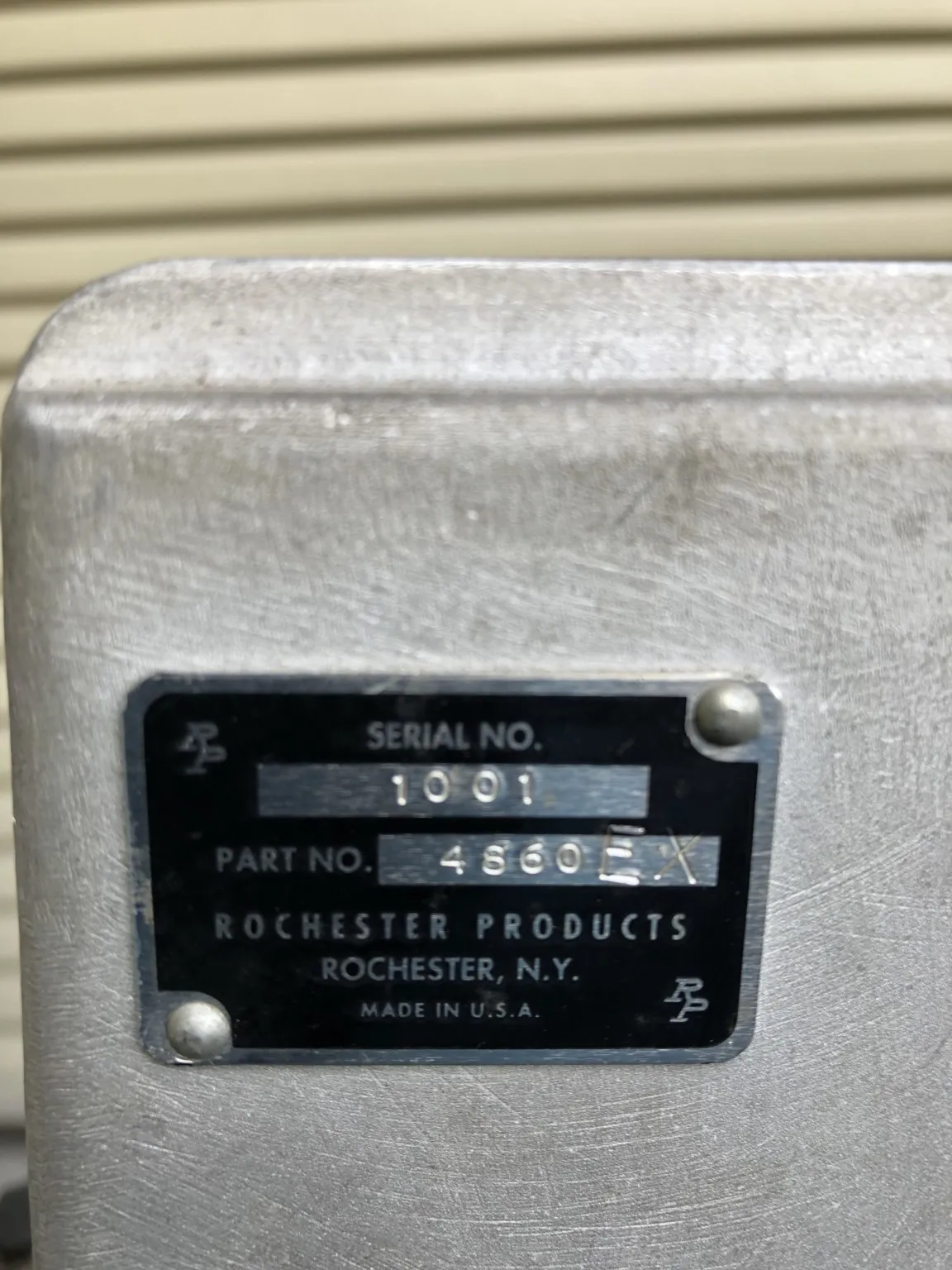
5. Identification (The “Doghouse”)
The Rochester units are identified by the tag on the driver’s side of the air plenum (the “doghouse”).
-
7017375: The most common 1963–1965 unit.
-
7017380: The legendary 1964–1965 375hp unit.
Note: If the tag is missing or reproduction, the value of the unit drops by 30-40% to collectors.
Reviews
There are no reviews yet.