
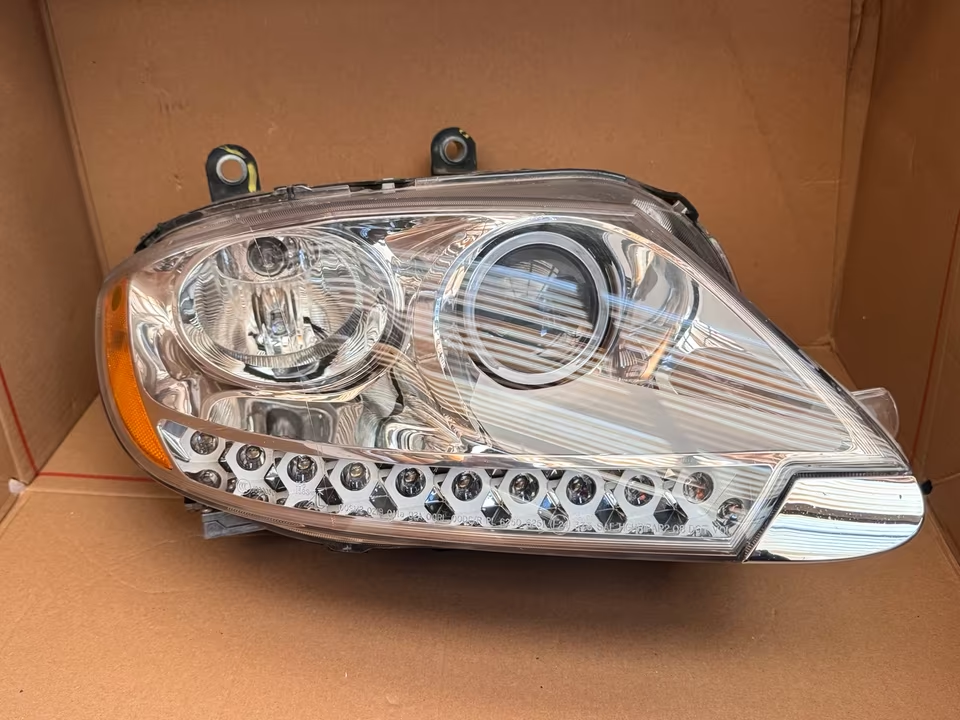
Genuine Maserati Quattroporte Headlight Set EU
The Maserati Quattroporte has been produced across several distinct generations (M139, M156, etc.), and their headlight assemblies are not interchangeable. Furthermore, EU-specification (ECE) headlights differ fundamentally from North American (DOT/US) units due to beam pattern regulations and indicator/marker light requirements.
1. Identifying the Correct Generation
Before sourcing a set, you must identify the chassis generation. Using the wrong part will result in fitment failure and electrical incompatibility.
-
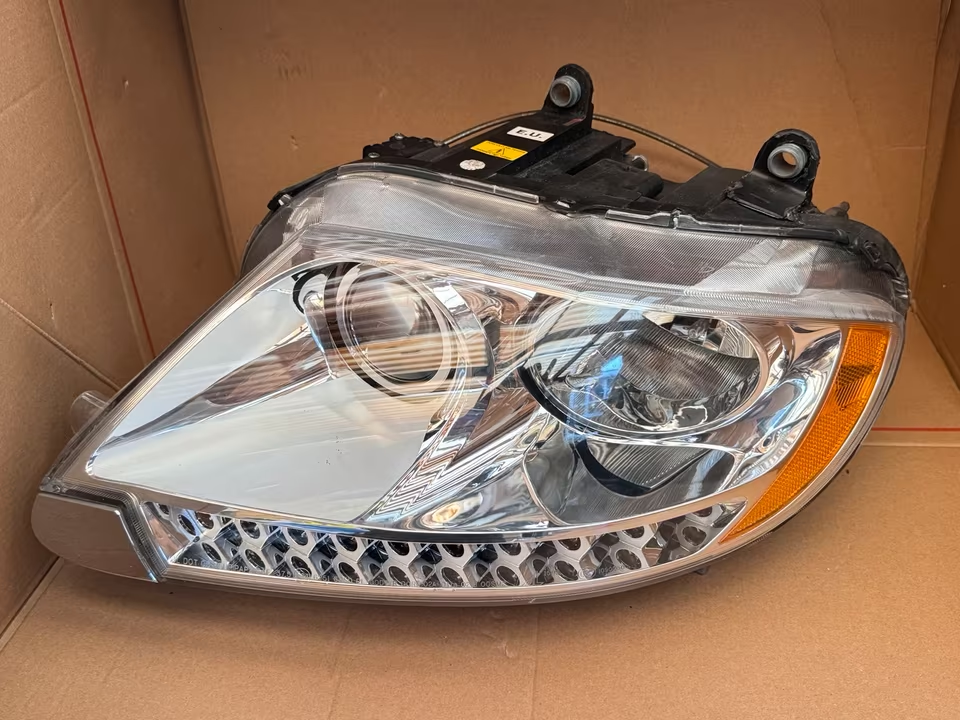
Generation V (M139, 2003–2012): Features elongated, complex HID/Xenon housings.
-
Generation VI (M156, 2013–2024): Features more aggressive, sleeker headlight designs, often with integrated LED DRL strips.
2. EU (ECE) vs. US (DOT) Specification
As a supplier, you must distinguish between these markets to ensure your customers receive compliant parts:
-
Beam Pattern: EU (ECE) headlights have a sharper horizontal cutoff with a specific “kick-up” on the right side to illuminate road signs without blinding oncoming traffic. US (DOT) headlights often have a flatter beam pattern and different light distribution requirements.
-
Markers/Indicators: EU units are generally designed for amber or clear indicators depending on the specific model year and country code (e.g., UK vs. Germany), whereas US units frequently require side-marker reflectors to meet federal safety standards.
-
Coding: The internal electronic control modules (ECUs) in EU headlights are programmed for EU lighting behavior (e.g., active beam leveling/shaping that complies with ECE standards). Installing these in a US-spec vehicle may cause diagnostic trouble codes (DTCs) or functional errors.
3. Inventory & Procurement Strategy for Buy Mustang parts Ltd
To maintain your reputation for accuracy, follow these protocols for any Quattroporte headlight inquiry:
-
VIN is Mandatory: Never sell a headlight based solely on the model name. Always require the last 7 digits of the VIN. The VIN encodes the specific build configuration, including the market specification (EU vs. US) and the lighting package (Standard vs. Adaptive/Bi-Xenon/LED).
-
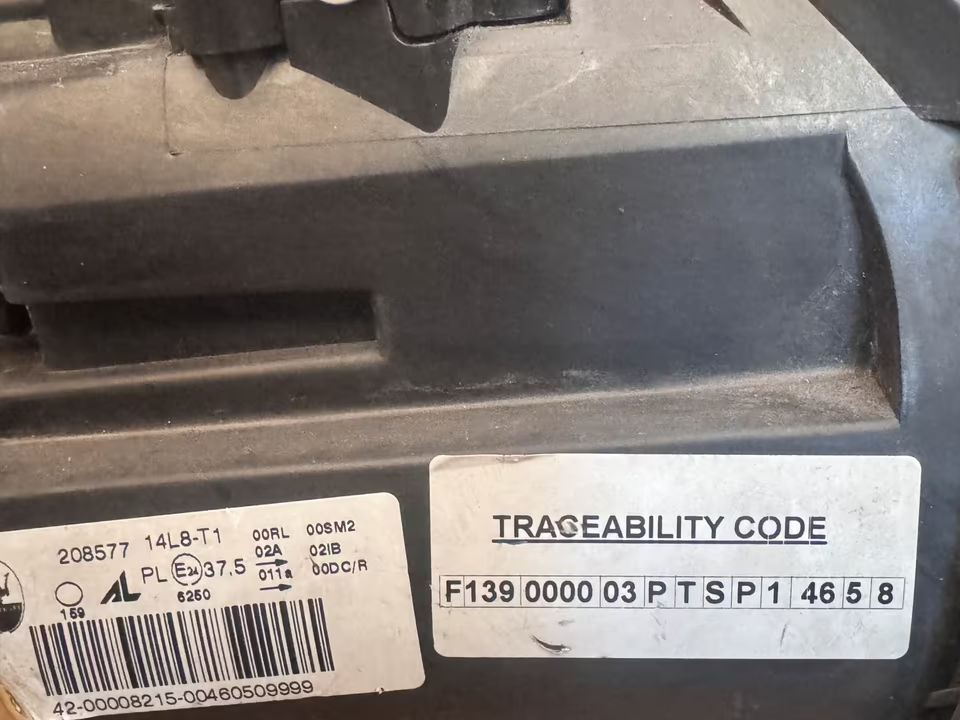
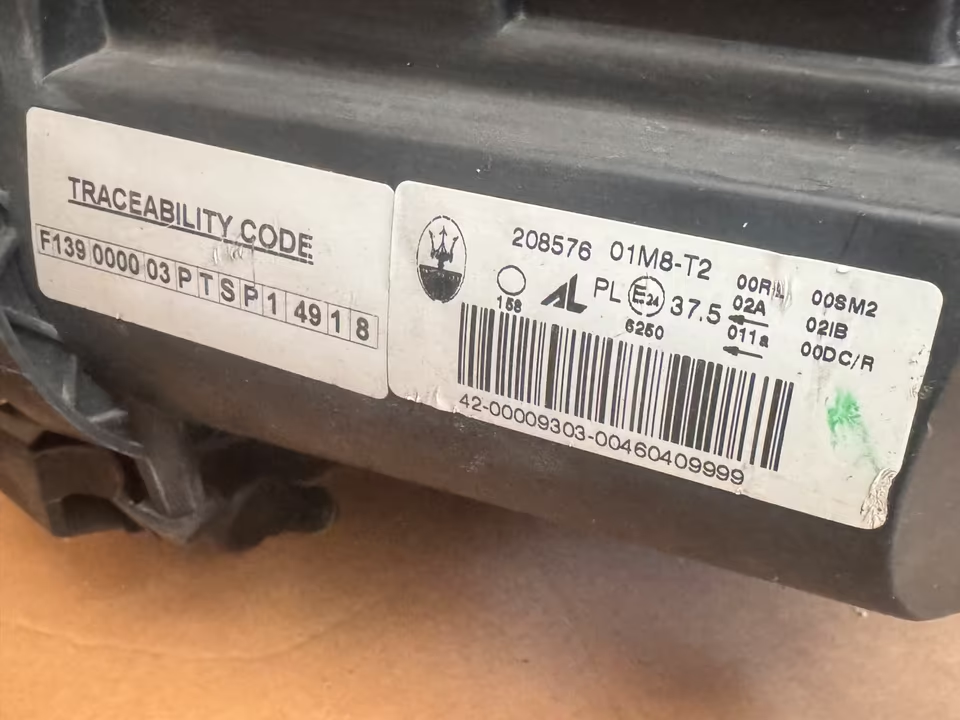
Part Number Verification: Locate the 9-digit OEM part number on the label of the housing itself. The physical label is the only absolute source of truth for your inventory.
-
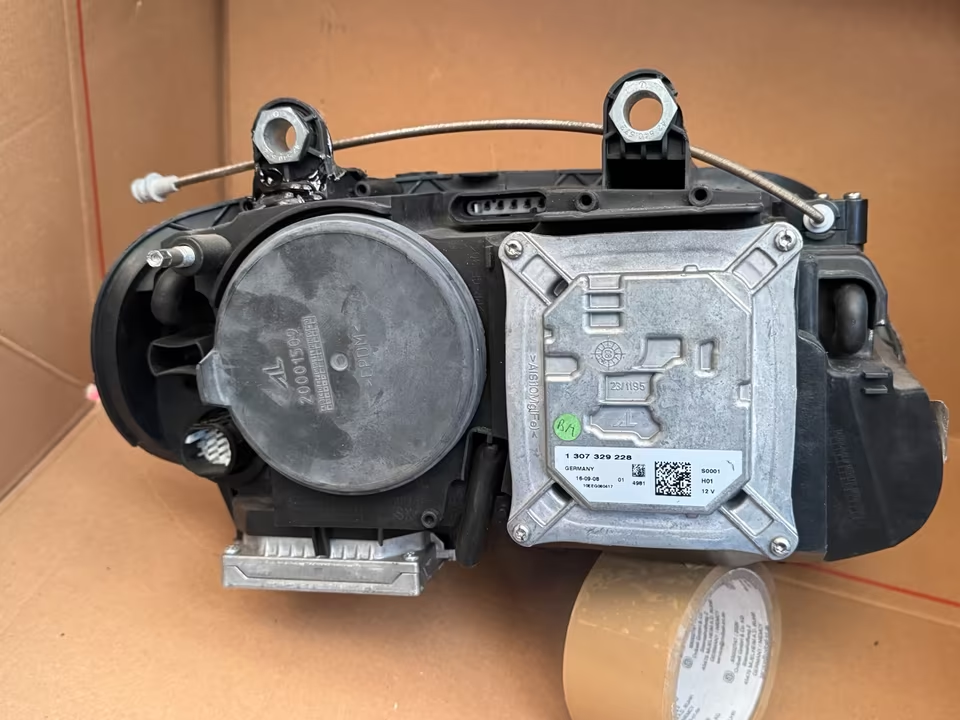
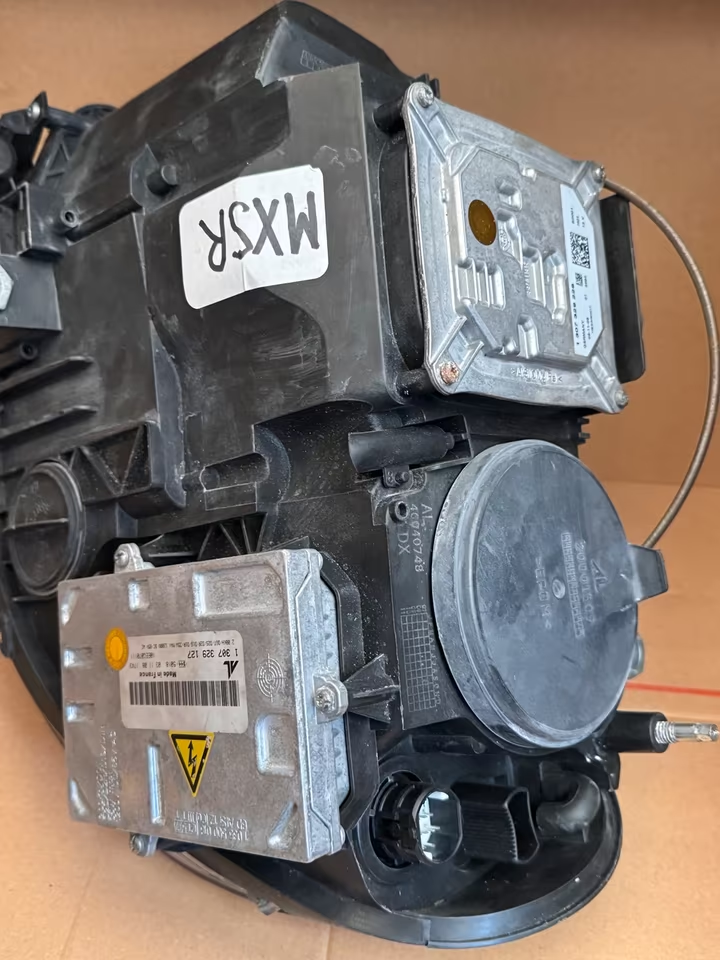
Completeness: A “Complete” assembly must include the integrated ballast/control module. If the module is missing, the assembly is non-functional for the end-user.
-
Condition:
-
Lens: Check for “crazing” (internal spider-web cracking), which is common in older units.
-
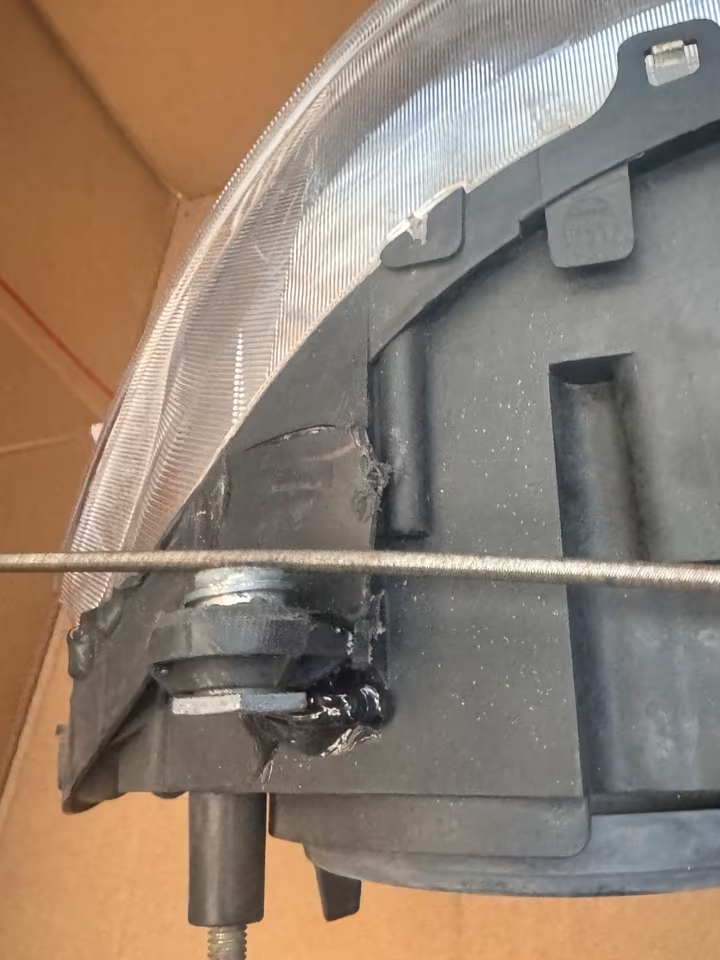
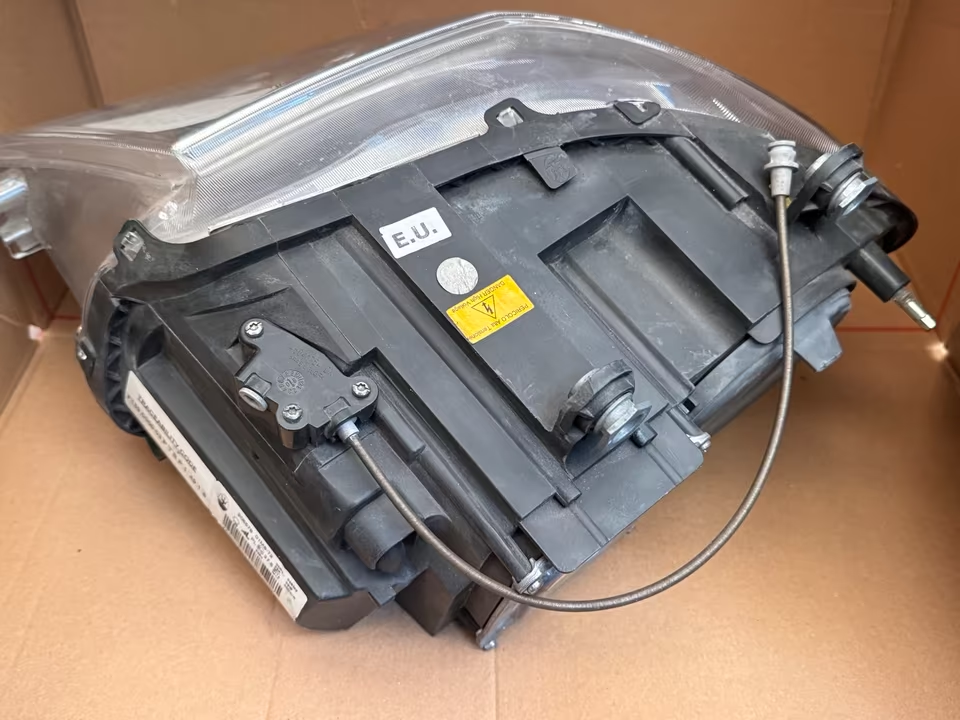
Tabs: Inspect the plastic mounting tabs. Any signs of epoxy or repair mean the unit will not align correctly with the front bumper.
-
-
Logistics: These are high-value, fragile electronic assemblies.
-
Storage: Store in individual, climate-controlled, foam-padded containers.
-
Shipping: LTL (Less Than Truckload) freight with professional crating is mandatory. Do not use standard parcel services, as the risk of lens or internal electronic damage is too high.
-
Reviews
There are no reviews yet.