
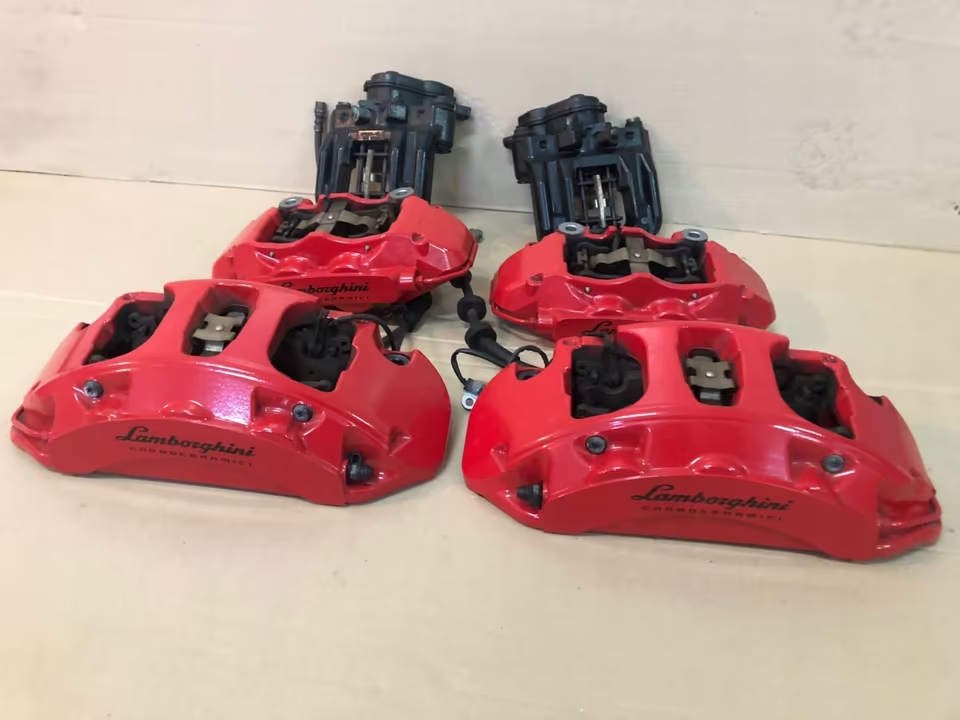
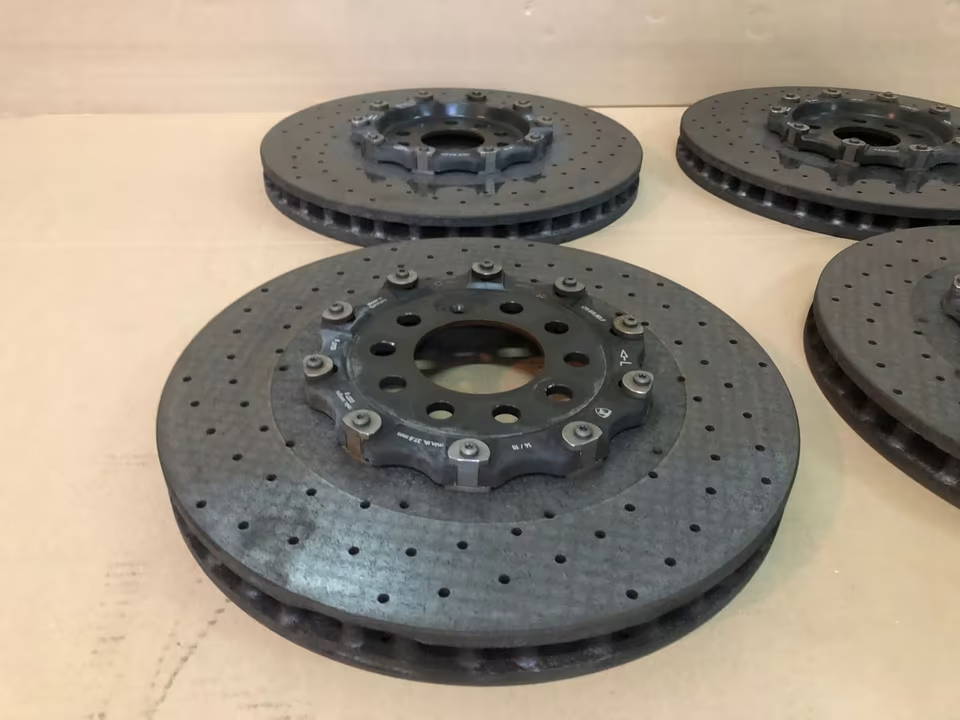
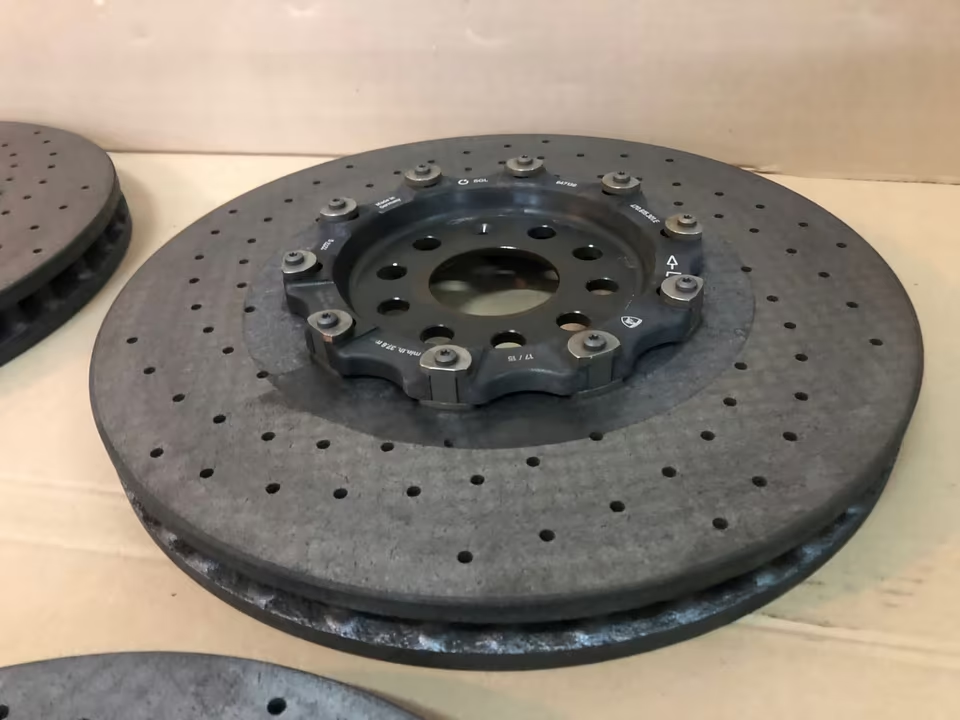
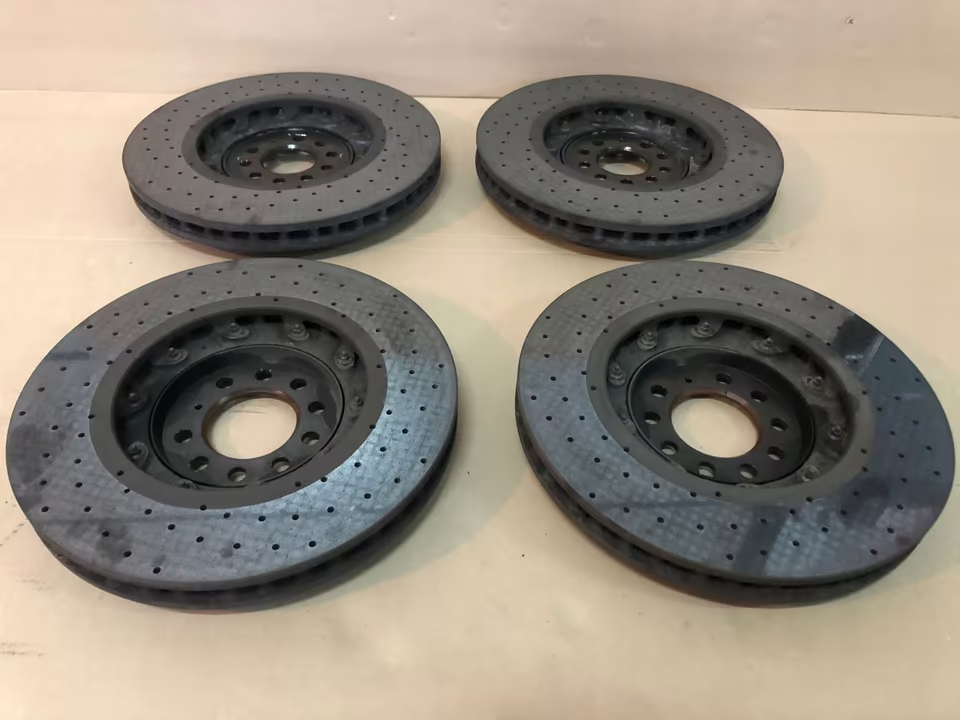
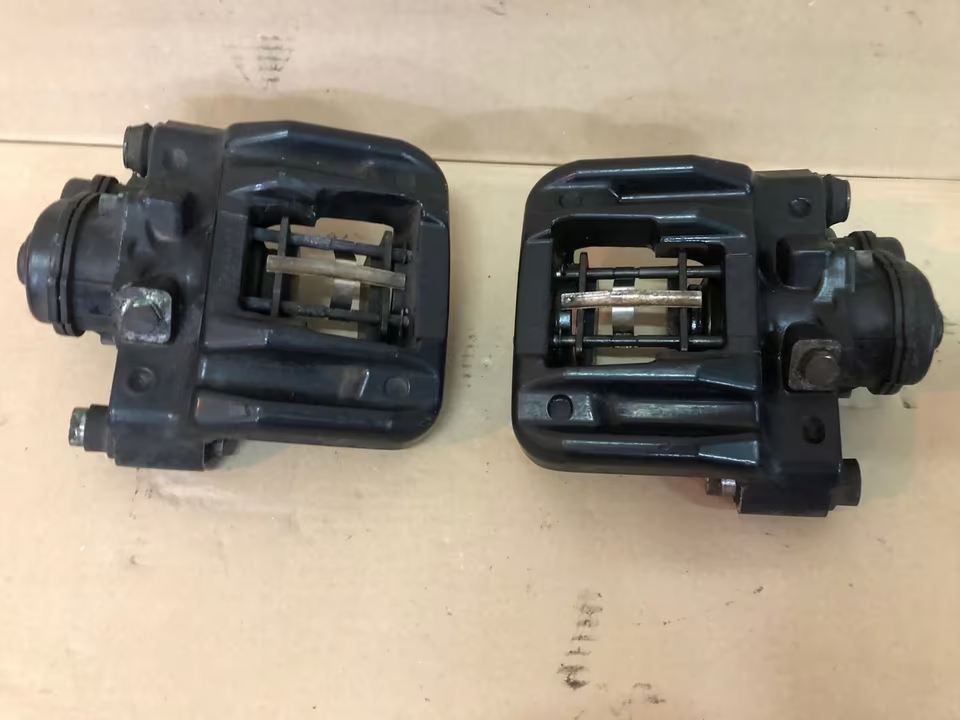
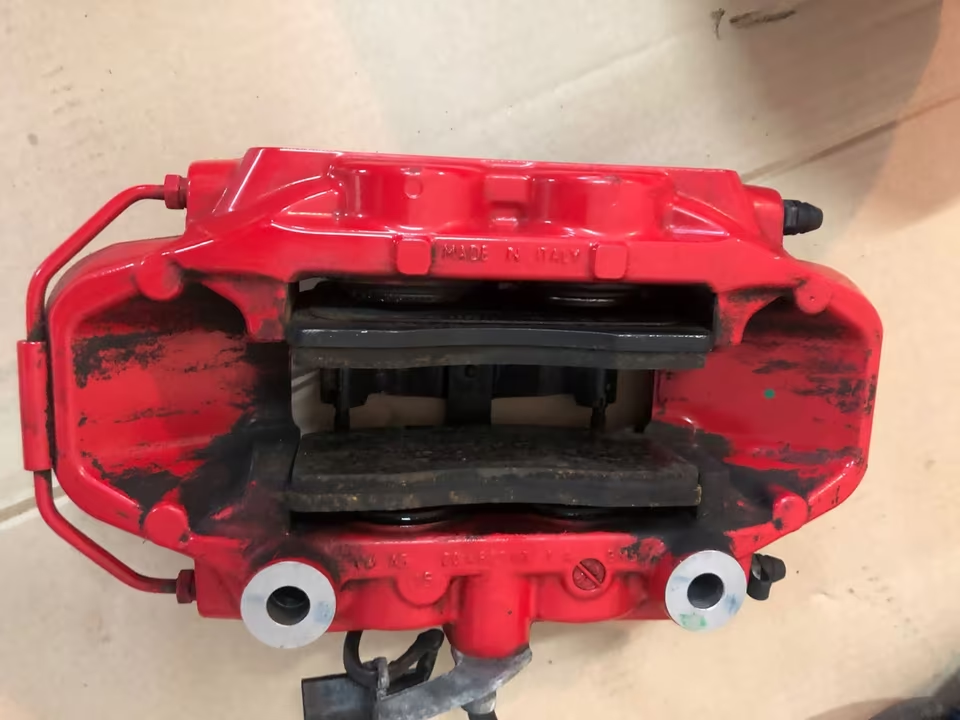
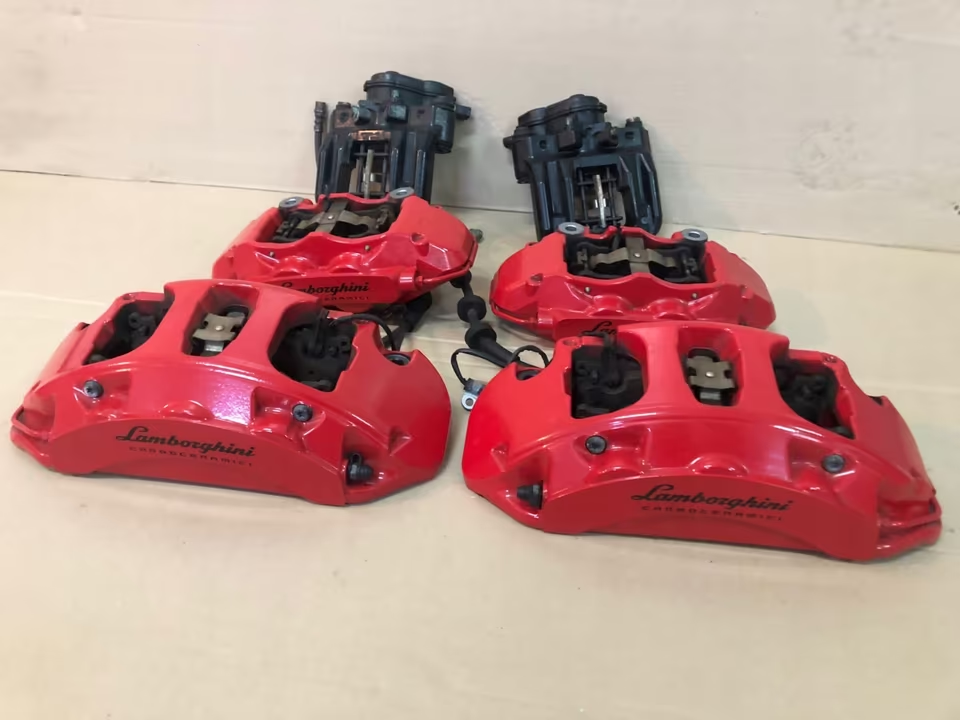
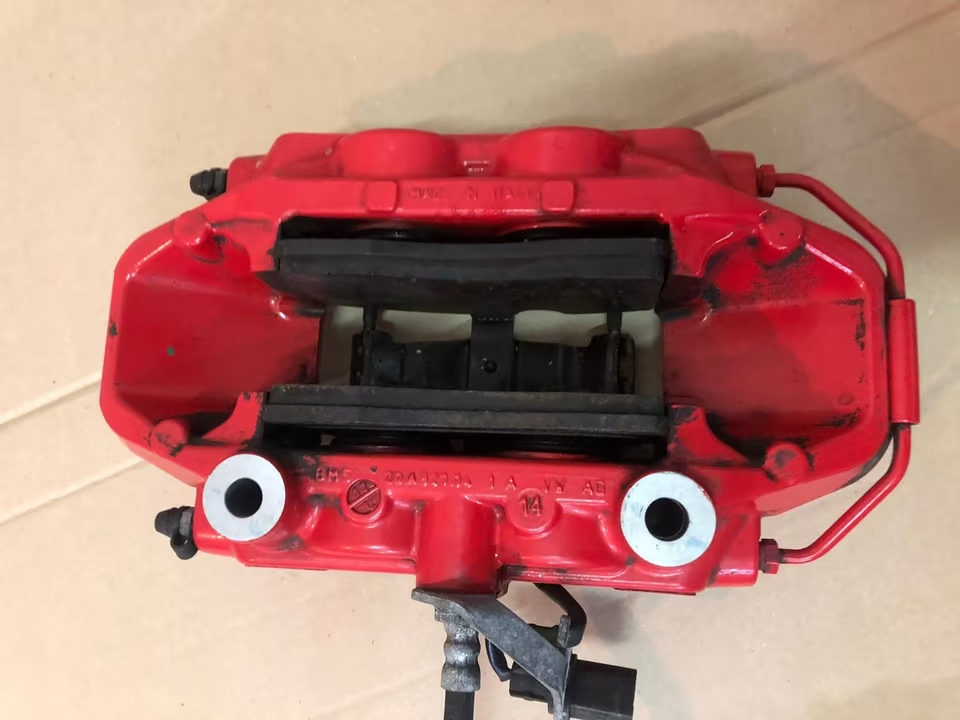
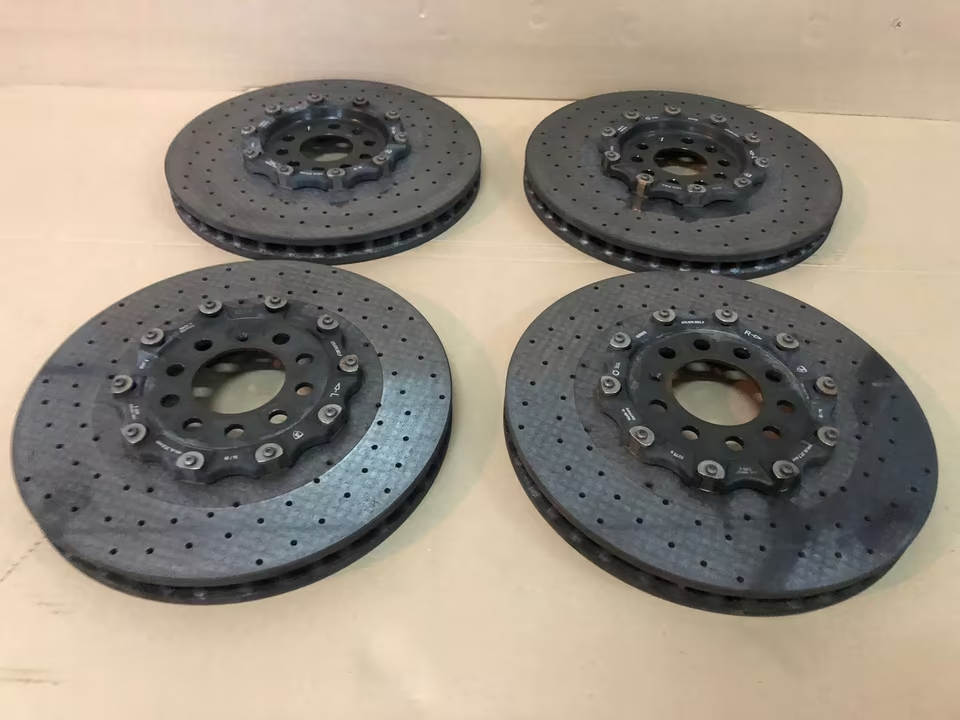
The Lamborghini Aventador (LP700-4, LP740-4 S, and LP770-4 SVJ) comes standard with a massive Carbon Ceramic Brake (CCB) system. This setup was designed to stop a V12-powered vehicle capable of exceeding 350 km/h, utilizing some of the largest rotors ever fitted to a mid-engine supercar.
Technical Specifications (Aventador All Models)
System Architecture & Key Components
1. Caliper Design
-
Front: The 6-piston units are massive and feature an asymmetric piston arrangement to prevent “pad taper” during extreme high-speed braking.
-
Rear: The 4-piston units handle the rear bias and include an integrated (or adjacent, depending on year) electronic parking brake system.
-
Colors: Standard options included Black, Yellow, Red, Orange (Arancio), and Green (Verde), usually featuring the “Lamborghini” script.
2. Rotor Dimensions & Weight
The Aventador rotors are among the thickest in the industry ( for both front and rear).
-
Front Rotors (): Shared architecture with certain Bentley/Audi ultra-luxury platforms, but with a specific Lamborghini hub offset.
-
Weight Saving: This system is approximately 18.5kg (41 lbs) lighter than an equivalent cast-iron system, which is crucial for the Aventador’s pushrod suspension performance.
Commercial Profile for Buy Mustang parts Ltd
While your inventory currently shows specialized Aventador items like steering knuckles and central locking bolts, adding a full CCB set would be a high-tier acquisition. Here is how to position these parts:
-
Compatibility: The front rotors are technically compatible across the LP700, LP720, LP740 (S), and LP750 (SV). The SVJ (LP770) uses the same dimensions but often paired with updated pad compounds.
-
The “Iron Swap” Market: Aventador owners who frequently track their cars (especially SV/SVJ owners) often swap their CCBs for high-performance iron rotors to avoid the replacement cost of the ceramics. If you find a “New Take-off” set, they are highly valuable to collectors returning a car to concours condition.
-
Inspection Protocol:
-
Weight Measurement: The “Minimum Weight” is laser-etched onto the aluminum center hat. Use a high-precision digital scale; if the weight is within of the minimum, the rotor is end-of-life.
-
Surface Condition: Inspect for “frictional surface delamination”—this looks like small bubbles or flakes under the glassy surface.
-
Reviews
There are no reviews yet.