


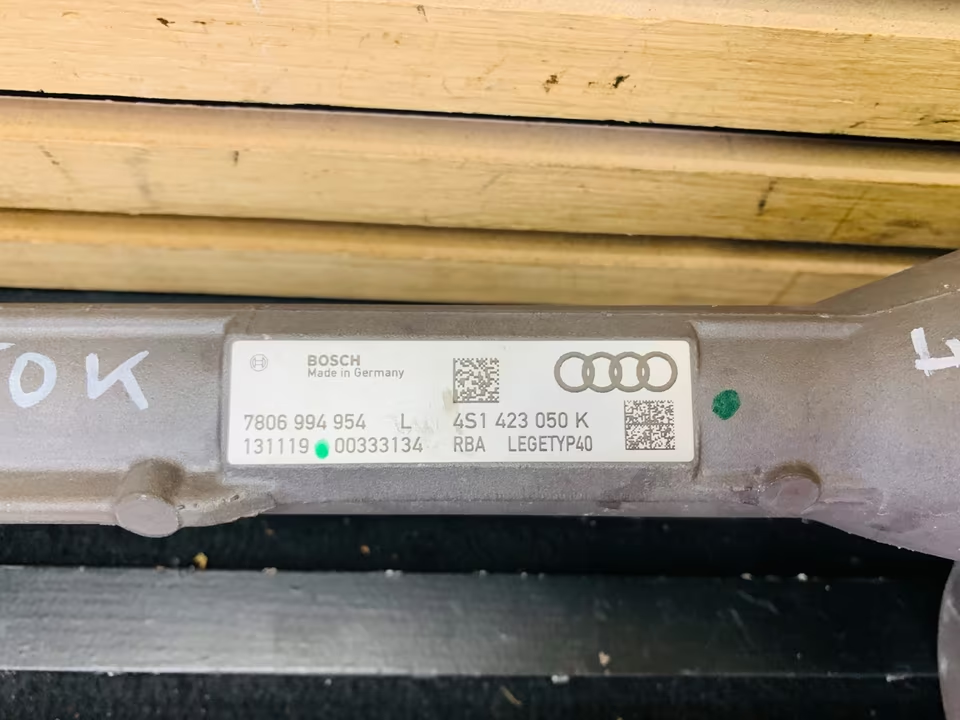
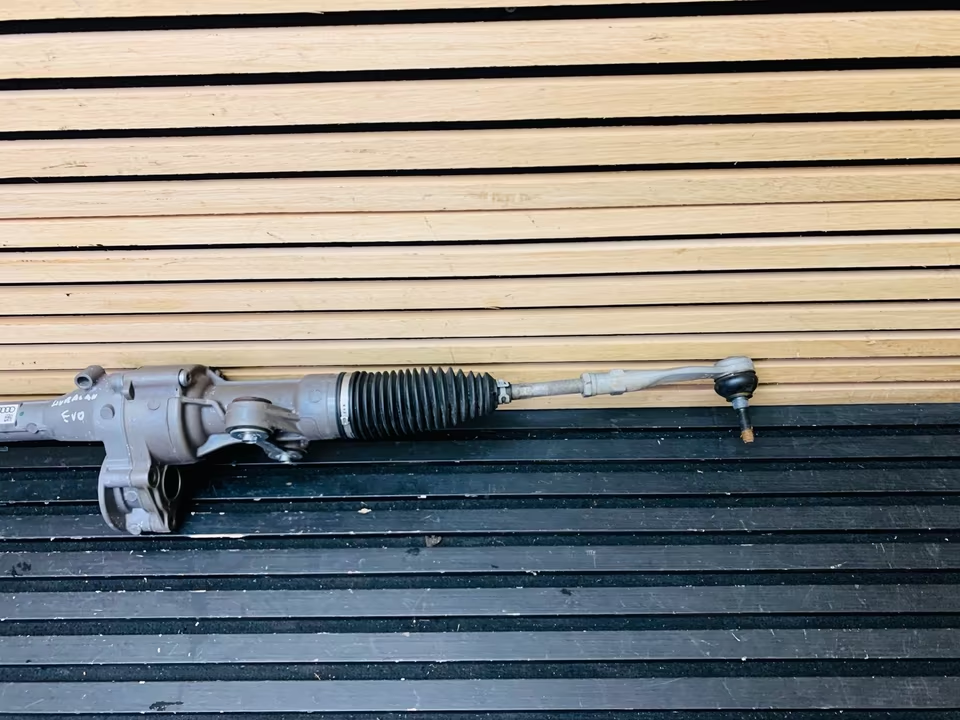
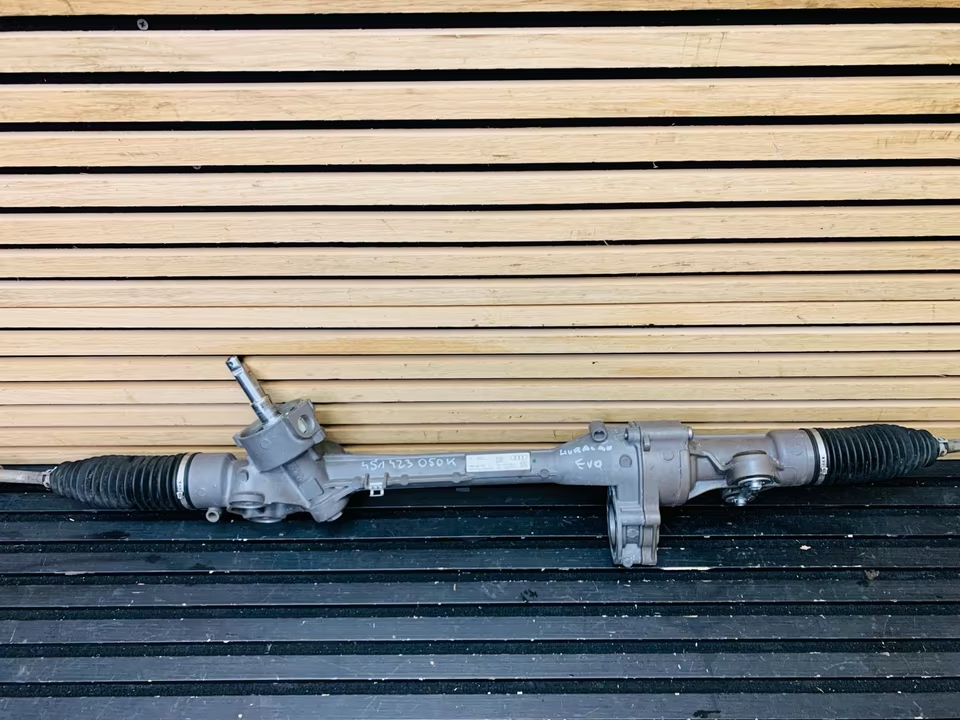
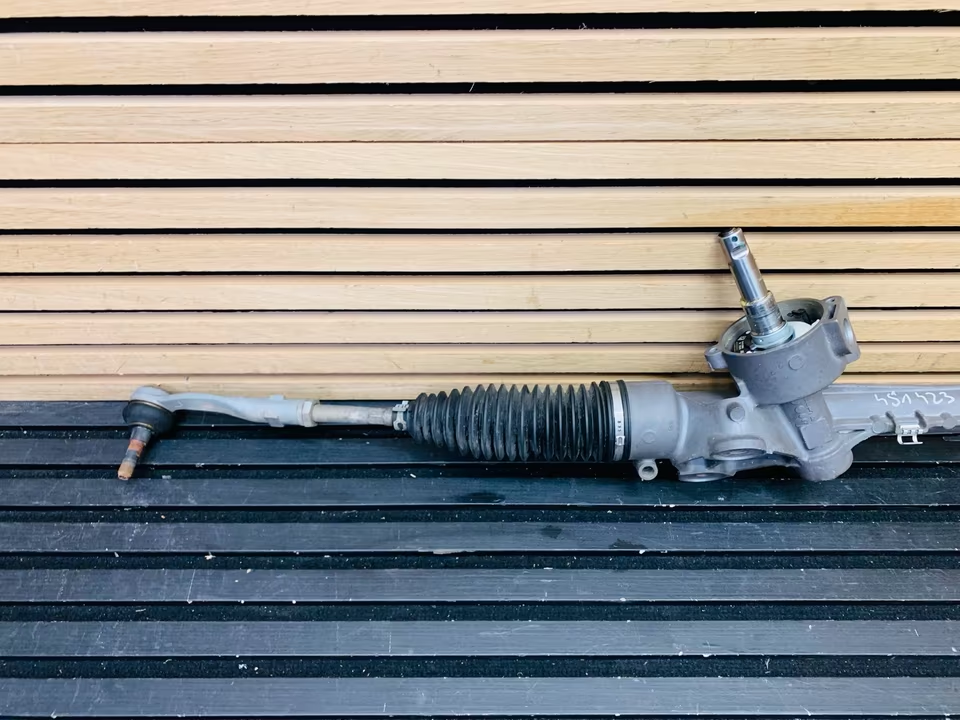



Lamborghini Huracan EVO steering gear 4S1423060K
The 4S1423060K is a specialized Electronic Power Steering (EPS) rack engineered for the Lamborghini Huracán EVO. This component is a cornerstone of the Lamborghini Dynamic Steering (LDS) system, which was significantly refined for the EVO models to integrate with the LDVI (Lamborghini Dinamica Veicolo Integrata)—the centralized “brain” that predicts and manages the car’s driving dynamics.
Technical Specifications
-
Compatibility: * Lamborghini Huracán EVO (Coupe and Spyder)
-
Lamborghini Huracán STO
-
Lamborghini Huracán Tecnica
-
-
System Type: Variable Ratio Electronic Power Steering (EPS).
-
Drive Orientation: Left-Hand Drive (LHD).
-
Revision: The “K” revision is optimized for the increased downforce and rear-wheel steering (LRS) synchronization found in the EVO and high-performance STO/Tecnica variants.
Key Performance Features
-
LDVI Integration: This steering gear communicates in real-time with the LDVI system, which processes data from the car’s accelerators, gyroscopes, and wheels to adjust steering weight and ratio instantaneously.
-
Variable Steering Ratio: The ratio changes dynamically based on the selected ANIMA mode. In Corsa, the ratio becomes more direct for track precision, while in Strada, it provides more assistance for comfortable urban driving.
-
Synchronized Rear Steering: On EVO models equipped with All-Wheel Steering, this front rack works in perfect tandem with the rear steering actuators to provide a “virtual wheelbase” effect, increasing agility at low speeds and stability at high speeds.
Technical Installation & Programming
Replacing an EVO-specific rack like the 4S1423060K requires a sophisticated setup process:
-
Software Parameterization: This unit is not “plug-and-play.” It must be flashed with the specific software dataset for the EVO’s chassis. Installing it without the correct parameterization will lead to multiple faults in the ABS and Traction Control systems.
-
Basic Settings & Calibration: A steering angle sensor (G85) calibration is mandatory. The system must “learn” the end-stops and the exact center point to ensure the electronic stability programs function correctly.
-
Mechanical Alignment: A full four-wheel laser alignment is required post-installation to ensure the front toe-in/out is perfectly synced with the rear-wheel steering neutral position.
Reviews
There are no reviews yet.