
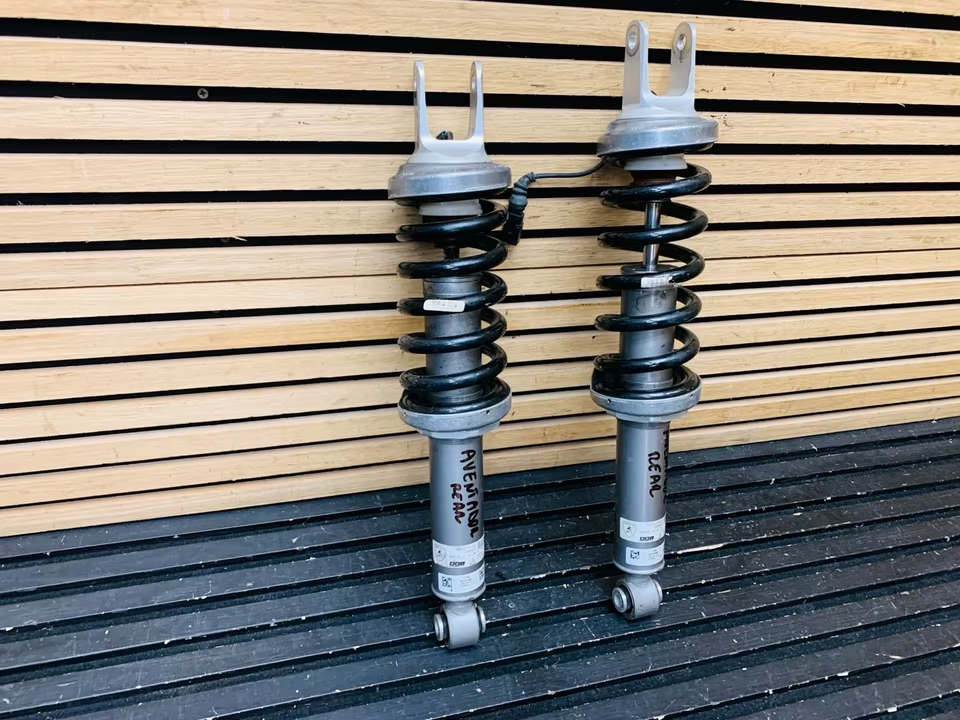
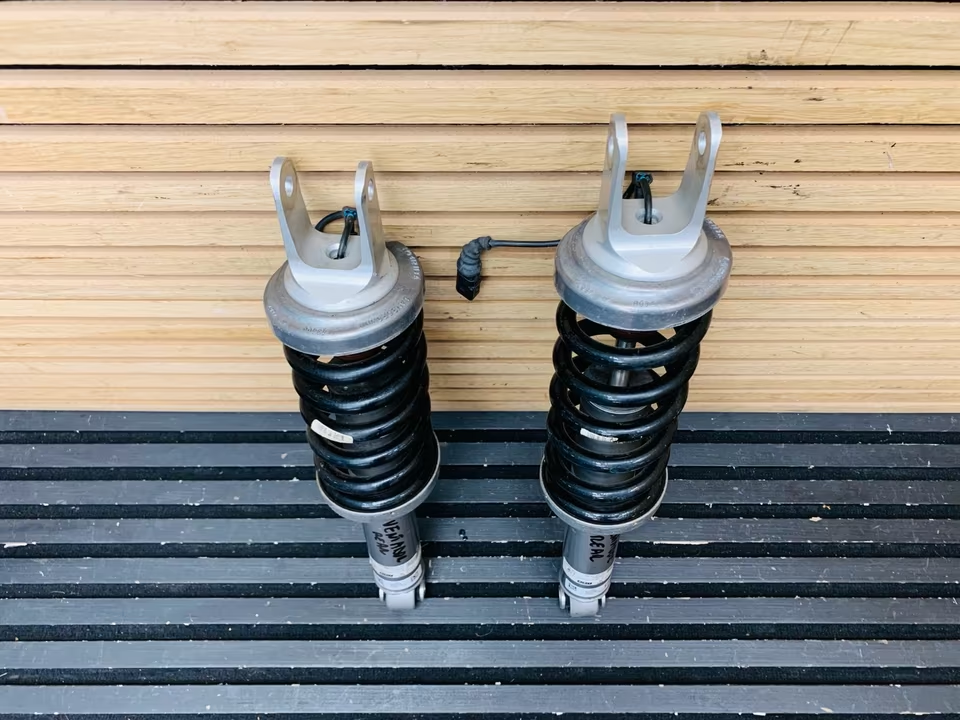
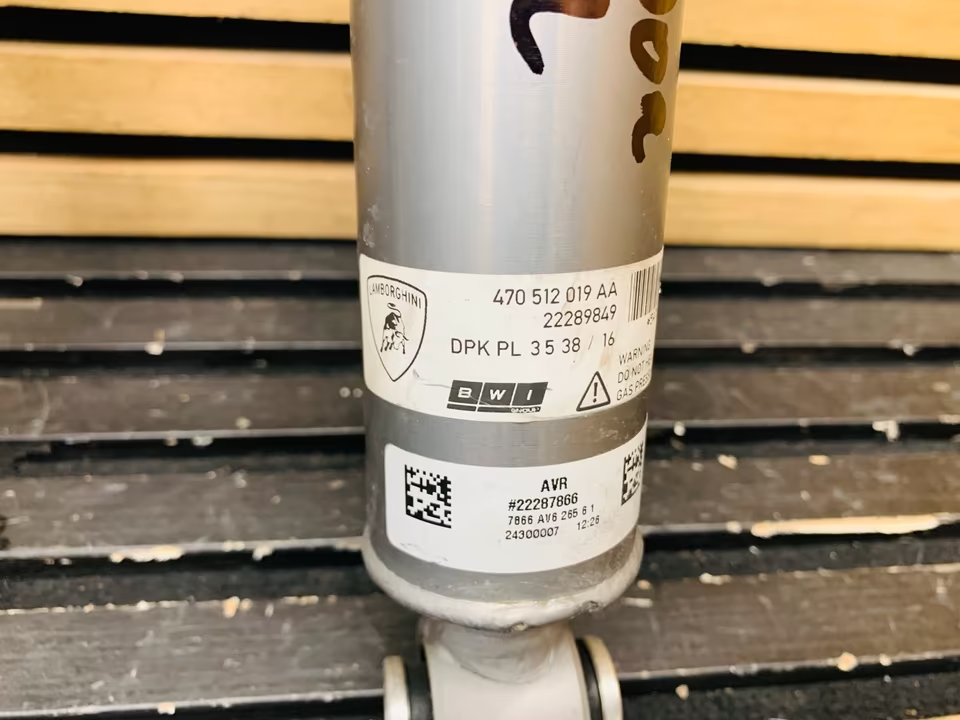
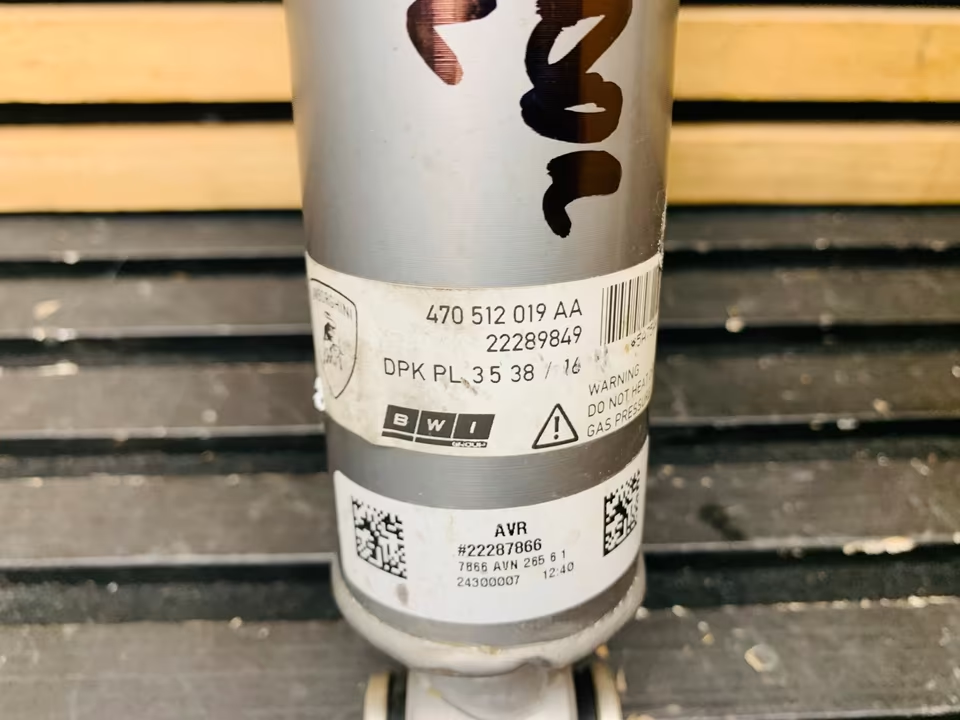
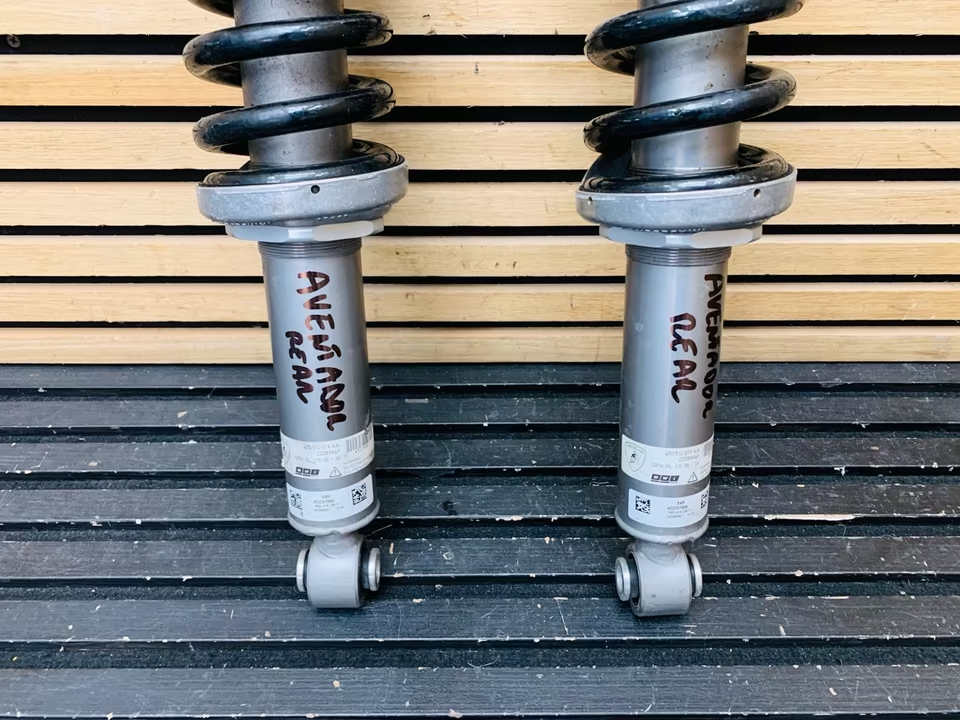
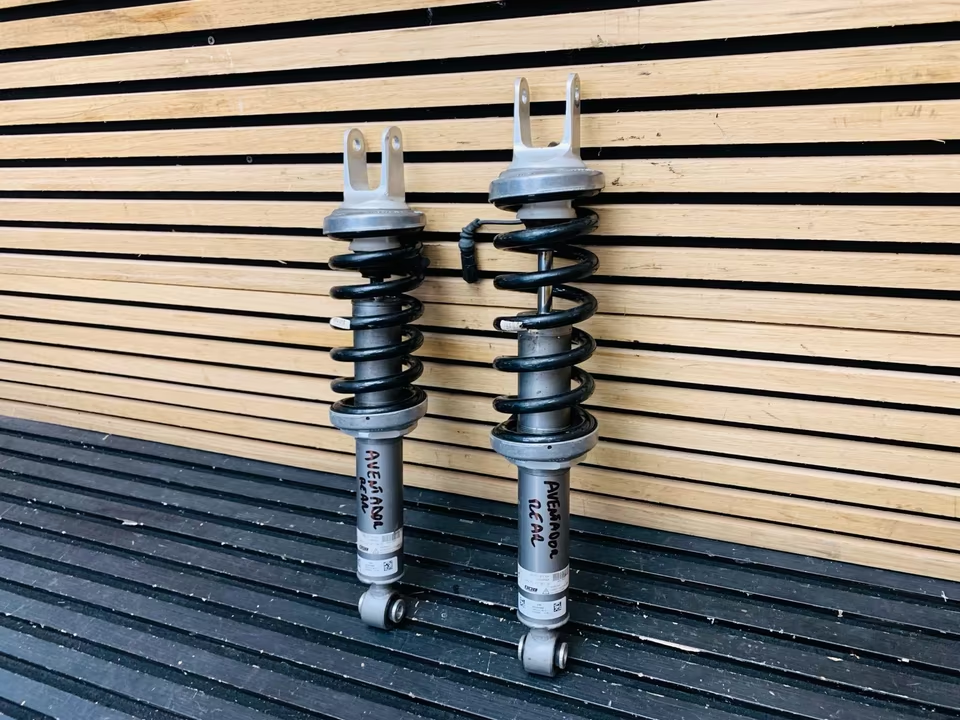
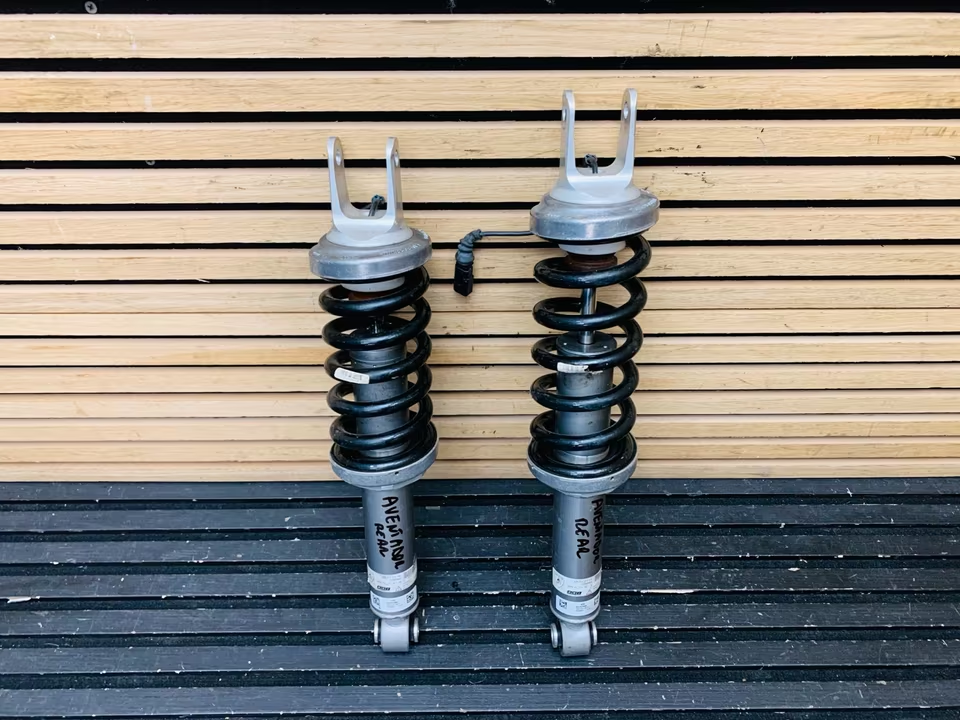
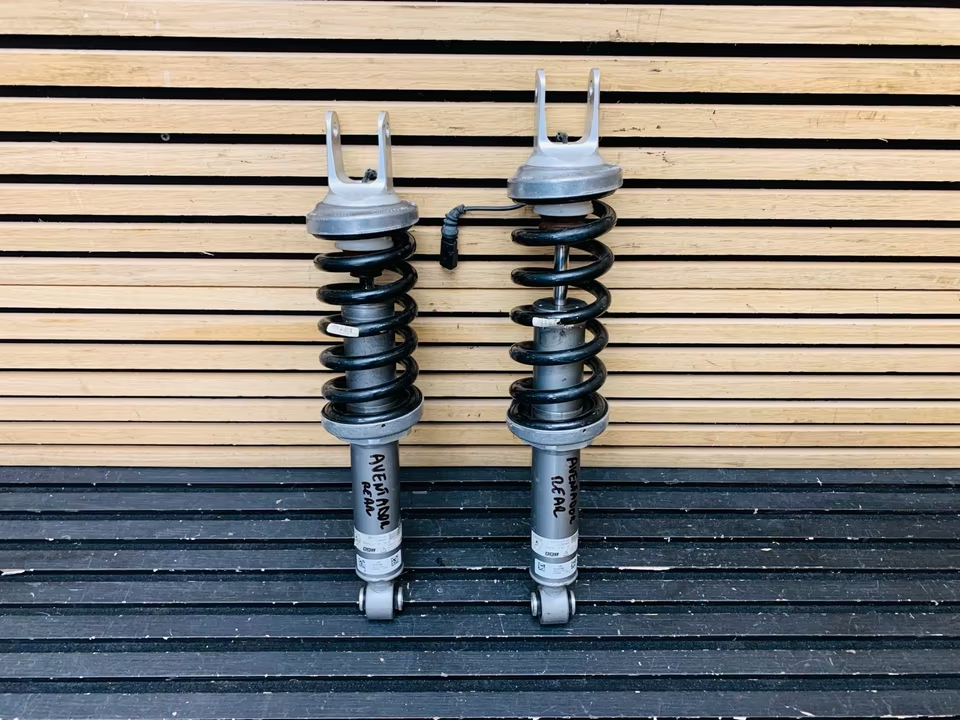
Lamborghini Aventador Rear Shock Absorber 470512019AA
the part number 470512019AA refers to the Rear Shock Absorber for the Lamborghini Aventador. This is a highly specialized piece of suspension technology, specifically a Magnetorheological (MagRide) damper.
The “AA” suffix indicates that this is a later revision, typically found on the Aventador S (LP740-4) and the Aventador SVJ (LP770-4).
1. Technical Identification
-
Part Number:
470512019AA -
Type: Pushrod Suspension Shock Absorber with Magnetic Fluid.
-
Technology: Magnetorheological damping allows the car to adjust the stiffness of the suspension in milliseconds by changing the magnetic field within the shock’s fluid, controlled by the LDVA (Lamborghini Dinamica Veicolo Attiva) system.
-
Position: Rear (Fits both Left and Right sides in most configurations, but always verify with a VIN check).
2. 2026 Market Pricing (Estimated USD)
Because these shocks contain advanced electronics and specialized magnetic fluid, they are significantly more expensive than standard gas shocks.
| Condition | Source | Estimated Price (Per Unit) |
| New (Genuine Lamborghini) | Authorized Dealer | $4,500 – $5,800 |
| New (OEM – BWI Group) | Specialist Supplier | $3,200 – $3,900 |
| Used (Grade A – Verified) | Exotic Salvage | $1,500 – $2,200 |
3. Why the “AA” Revision?
The “AA” revision was released to address longevity and performance issues seen in the earlier “A” and “B” versions.
-
Improved Sealing: The “AA” units feature reinforced seals to prevent the magnetic fluid from leaking—a common failure point on early LP700-4 models.
-
Refined Calibration: These units are optimized for the Rear-Wheel Steering systems found in the S and SVJ models, providing better body control during high-speed directional changes.
4. Common Failure Symptoms
If you are searching for this part in 2026, you likely have one of the following:
-
Leaking Fluid: Magnetic fluid is dark and oily. If you see “sweating” or a coating of grime on the shock body, the internal seal has failed.
-
“Suspension System Failure” Warning: A dashboard error often indicates an electronic fault in the shock’s internal solenoid.
-
Harsh Ride: If the magnetorheological fluid “thickens” or the valve fails, the suspension may become permanently stiff (Fail-safe mode).
5. Installation & Service Tips
-
Replacement in Pairs: It is highly recommended to replace rear shocks in pairs. If one is new and the other has $20,000\text{ miles}$, the damping rates will be slightly different, which can confuse the active handling system.
-
Pushrod Inspection: When replacing the shock, always inspect the Spherical Bearings (Heim joints) on the pushrods and rocker arms. If these are “notchy” or loose, the new shock won’t perform correctly.
-
Calibration: After installation, a professional diagnostic tool should be used to clear any stored suspension fault codes and calibrate the ride height sensors.
Reviews
There are no reviews yet.