
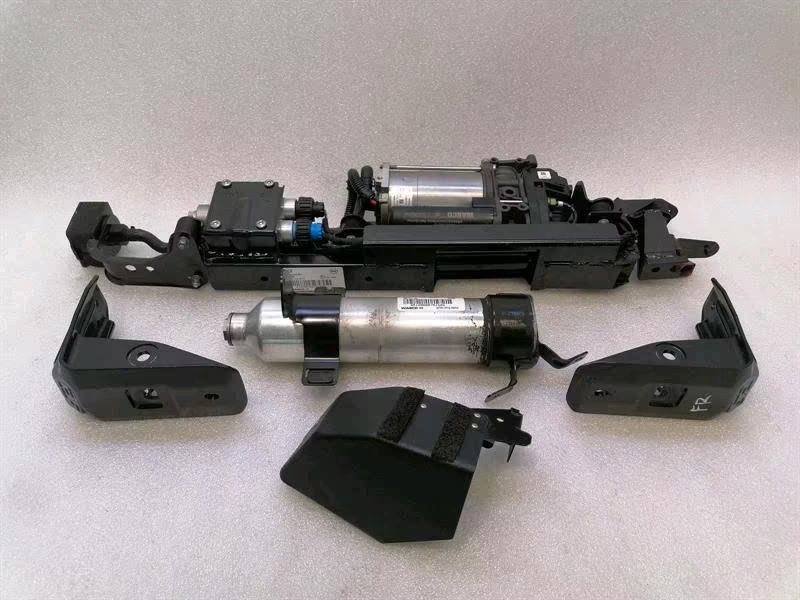
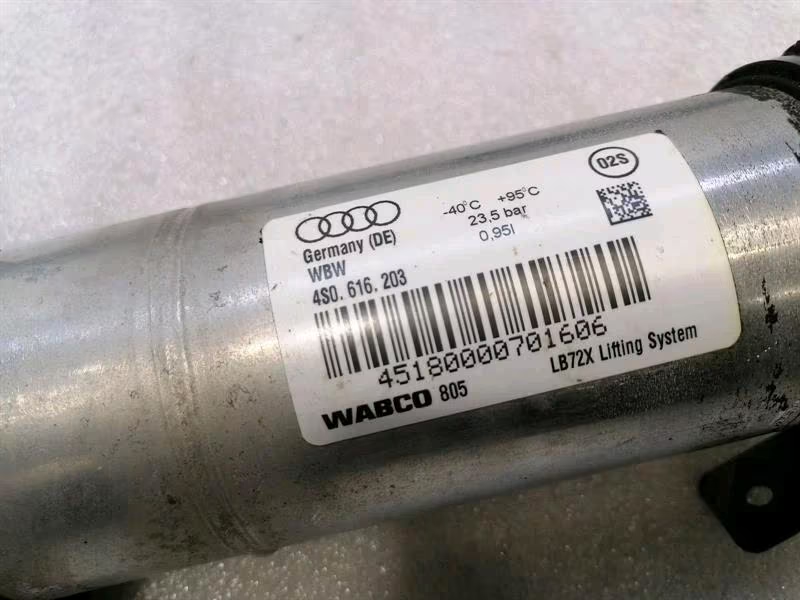
LAMBORGHINI HURACAN LP 610 AXLE LIFT PUMP
the Front Axle Lift Pump for the Lamborghini Huracán LP 610-4 is a critical hydraulic component for owners who need to navigate steep driveways or speed bumps. This electro-hydraulic pump provides the pressure necessary to raise the front suspension by approximately $45\text{ mm}$.
1. Technical Identification
-
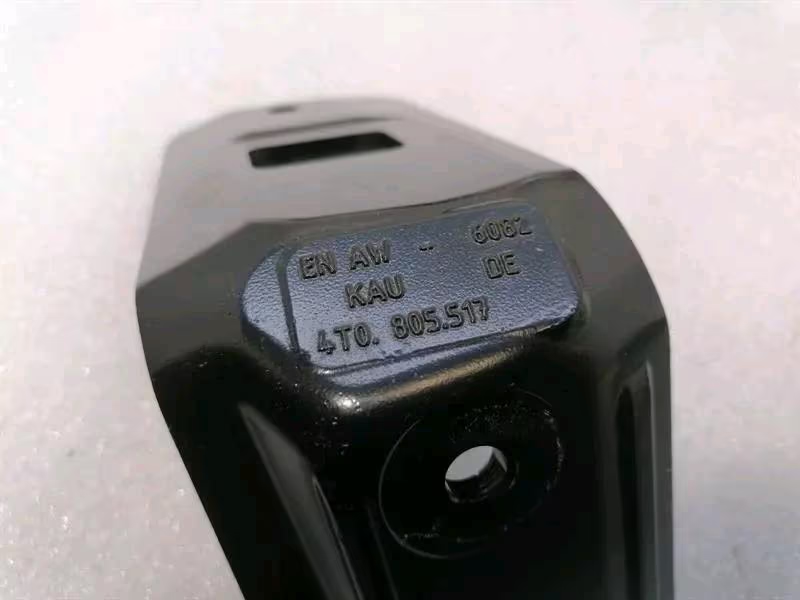
Part Number: Primarily 4T0951051 (with revision suffixes such as B, C, or D).
-
Location: Typically mounted in the front of the vehicle, near the fluid reservoir behind the trunk (frunk) trim.
-
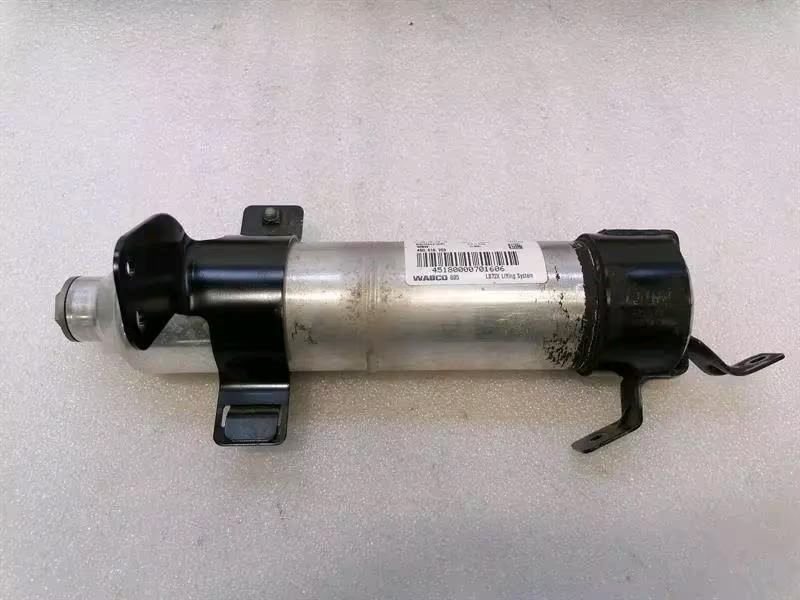
System Type: High-pressure hydraulic. It uses a specific hydraulic fluid (typically Pentofusin CHF 11S or equivalent) to actuate the lifter cups on top of the front shocks.
3. Common Failure Symptoms
By 2026, many early LP 610-4 models are experiencing lift pump issues:
-
“Lifting System Fault”: A dashboard warning that prevents the system from activating.
-
Slow Operation: If the nose takes more than 4–5 seconds to rise, the pump motor is likely weak or the fluid is low.
-
Whining Noise: A high-pitched mechanical scream during operation usually indicates air in the lines or a failing internal pump gear.
-
Fluid Leaks: Greenish hydraulic fluid pooling under the front of the car is a sign of a failed seal on the pump body or the hydraulic lines.
4. Installation & Maintenance Advice
-
Fluid Check: Before replacing the pump, check the fluid level in the reservoir. In many cases, a slow system is simply caused by a minor leak in a line rather than a dead pump.
-
Bleeding the System: After installing a new pump, the system must be bled. This is often done using a diagnostic tool (LaRA/ODIS) to cycle the valves while the car is on a lift.
-
Software Update: Some later revisions of the pump require a software update to the Suspension Control Module to ensure the voltage ramp-up for the motor matches the new pump’s hardware specs.
5. Component Breakdown
If you are looking for specific parts of the pump assembly:
-
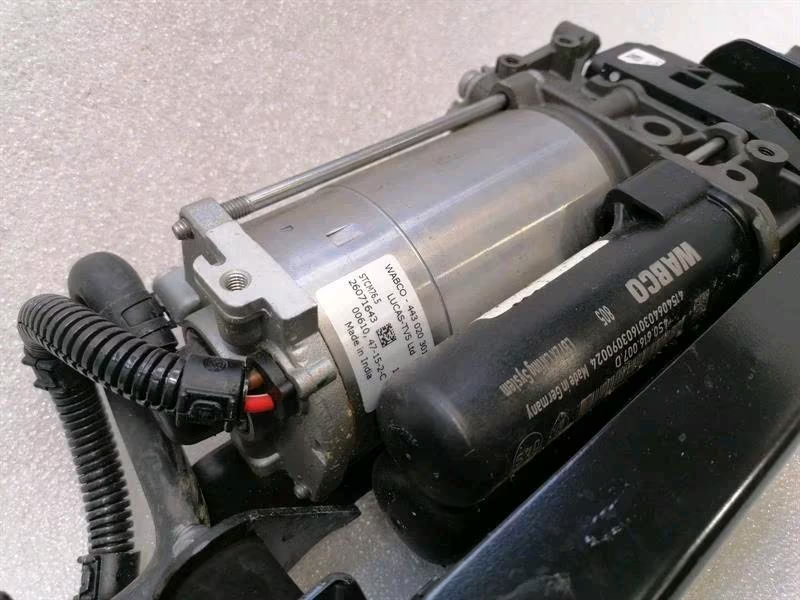
The Electric Motor: Often the part that fails. In 2026, some specialists offer just the motor to save the cost of a full pump assembly.
-
The Valve Block: Controls the “hold” and “release” of pressure. If the car raises but immediately “drops” back down, the valve block is usually the culprit
Reviews
There are no reviews yet.