
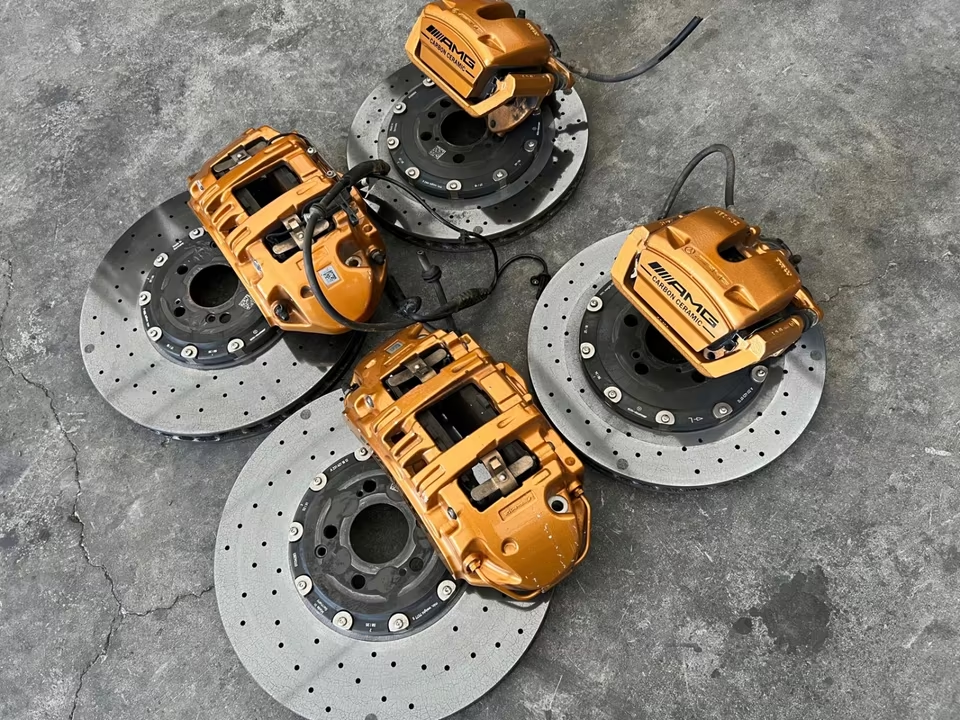
MERCEDES AMG GTR GT 190 CERAMIC CERAMIC BRAKE SYSTEM BRAKE
Option Code: B06 | The Ultimate Motorsport Braking Setup
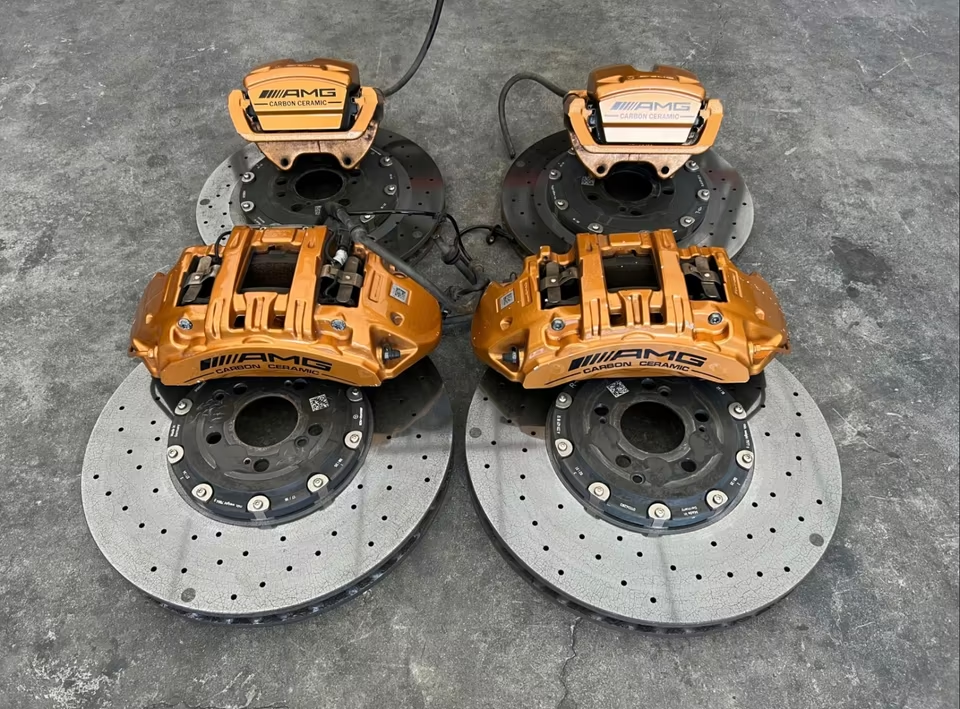
The AMG Carbon Ceramic Braking System is the pinnacle of stopping technology for the Mercedes-AMG GT R and GT C models. Engineered for extreme track endurance, this system offers a significant reduction in unsprung weight and virtually zero brake fade, even under the most punishing thermal loads. MERCEDES AMG GTR GT 190 CERAMIC CERAMIC BRAKE SYSTEM BRAKE
1. Key System Components
The CCB kit is easily identified by its unique color palette and massive rotor dimensions:
-
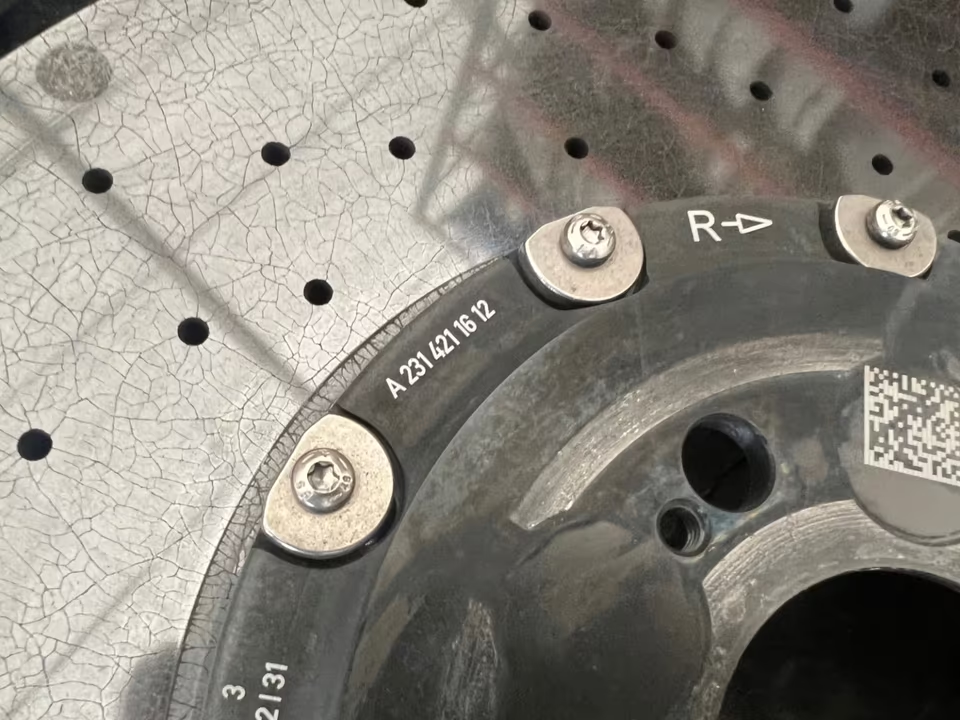
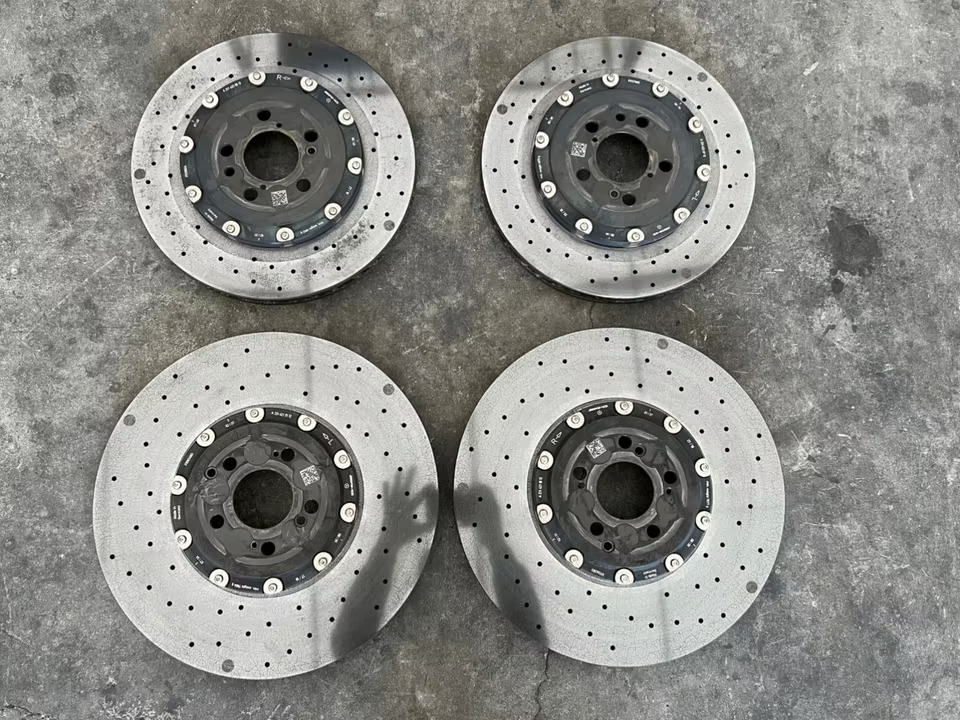
Rotors: Made of carbon-fiber-reinforced silicon carbide. They are significantly harder than steel and can withstand temperatures exceeding 1,000°C.
-
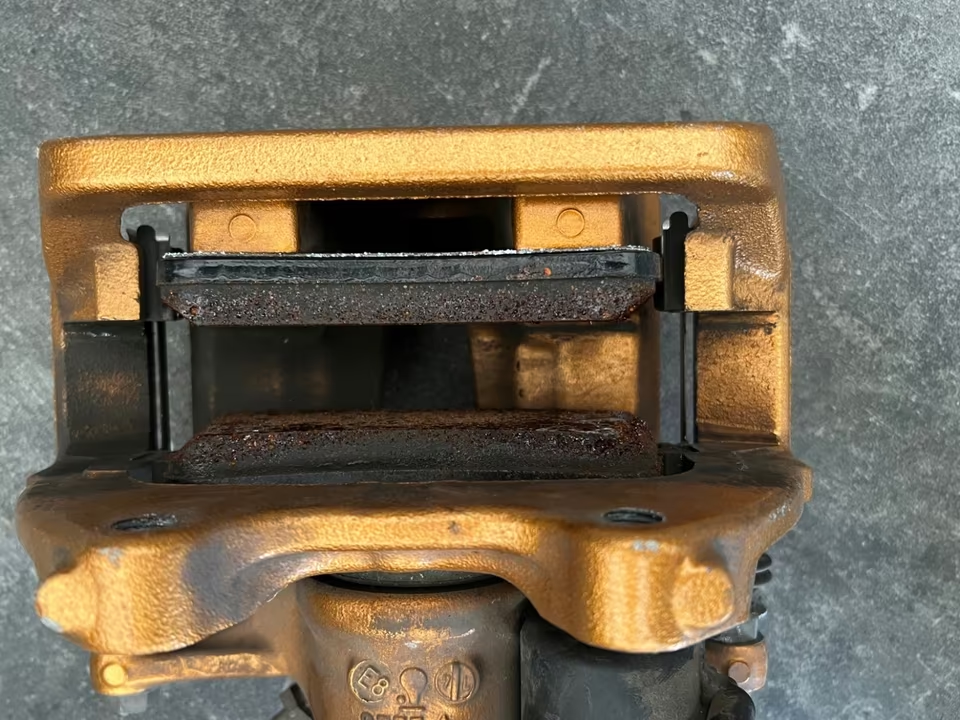
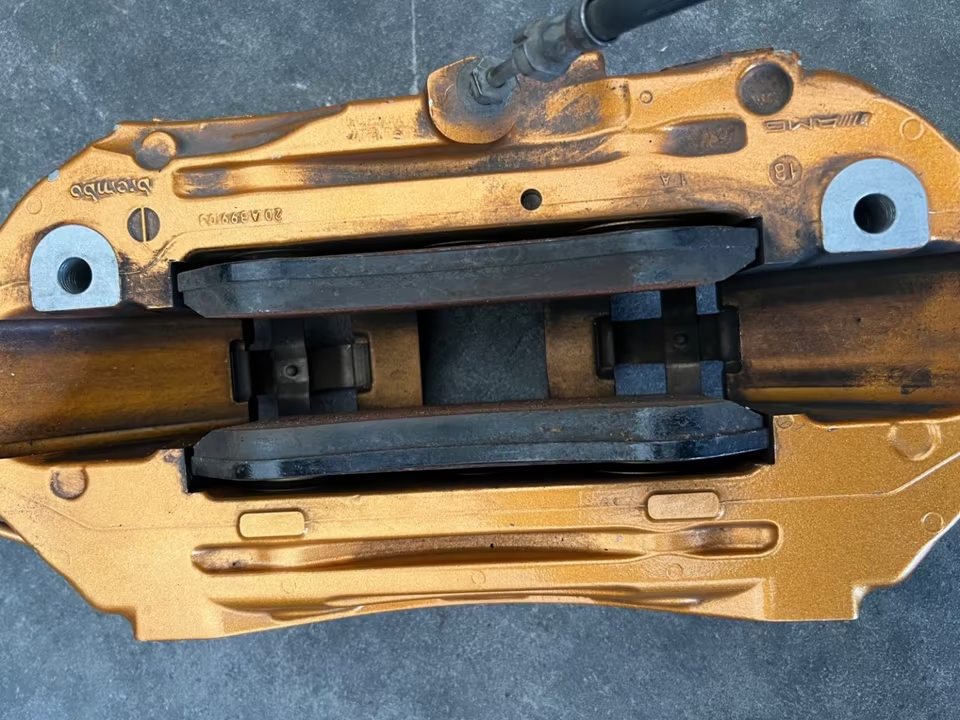
Calipers: Specialized 6-piston front and 4-piston rear fixed monoblock calipers, exclusively finished in Bronze/Gold paint with “AMG Carbon Ceramic” lettering.
-
Pads: Specific high-coefficient friction pads designed to work specifically with the ceramic surface.
2. Technical Specifications
| Feature | Front Axle | Rear Axle |
| Rotor Size | 402mm x 39mm | 360mm x 32mm |
| Caliper Type | 6-Piston Fixed Monoblock | 4-Piston Fixed Monoblock |
| Weight Saving | ~40% vs. Steel (approx. 17kg total) | Included in total system saving |
| Color Code | Bronze / Gold (Code B06) | Bronze / Gold (Code B06) |
3. Performance Advantages
-
Unsprung Weight: Reducing weight at the wheel hub improves suspension response, steering precision, and overall handling agility.
-
Thermal Stability: Unlike steel rotors, which can warp or “fade” when overheated, carbon ceramic discs remain structurally stable and maintain consistent pedal feel.
-
Durability: Under normal street driving conditions, these rotors can last the entire lifetime of the vehicle (up to 300,000km), though track use will accelerate wear.
-
Zero Brake Dust: The ceramic material produces virtually no visible dust, keeping your forged AMG wheels clean.
4. Retrofit & Compatibility Requirements
Critical Fitment Warning:
Wheel Clearance: You must use at least 19-inch (Front) and 20-inch (Rear) wheels. Many 19″ wheels will not clear the massive 402mm front calipers unless they have a specific “high-clearance” barrel design.
Brake Booster: Vehicles factory-equipped with CCBs often use a different master cylinder/brake booster ratio. If retrofitting, you may need to recalibrate the ESP/ABS software to account for the more aggressive initial bite.
Handling the Discs: Carbon ceramic rotors are extremely brittle. If you strike the edge of the disc with a wheel during a tire change, the rotor can chip or crack, requiring a full (and very expensive) replacement.
5. Maintenance and Inspection
Carbon Ceramic rotors do not “thin” like steel rotors; they lose mass.
-
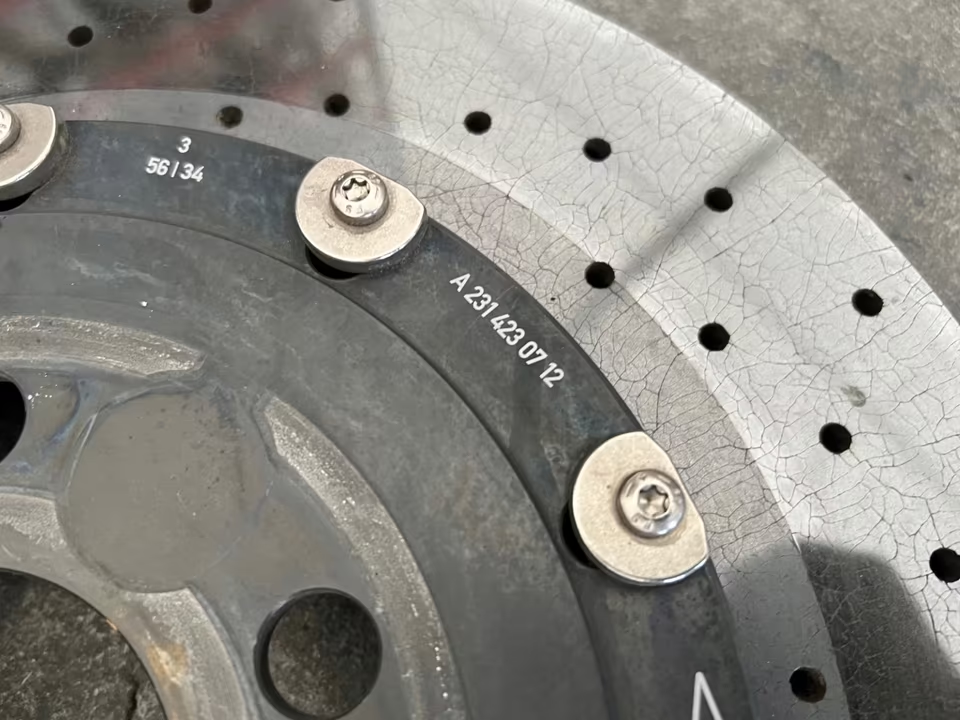
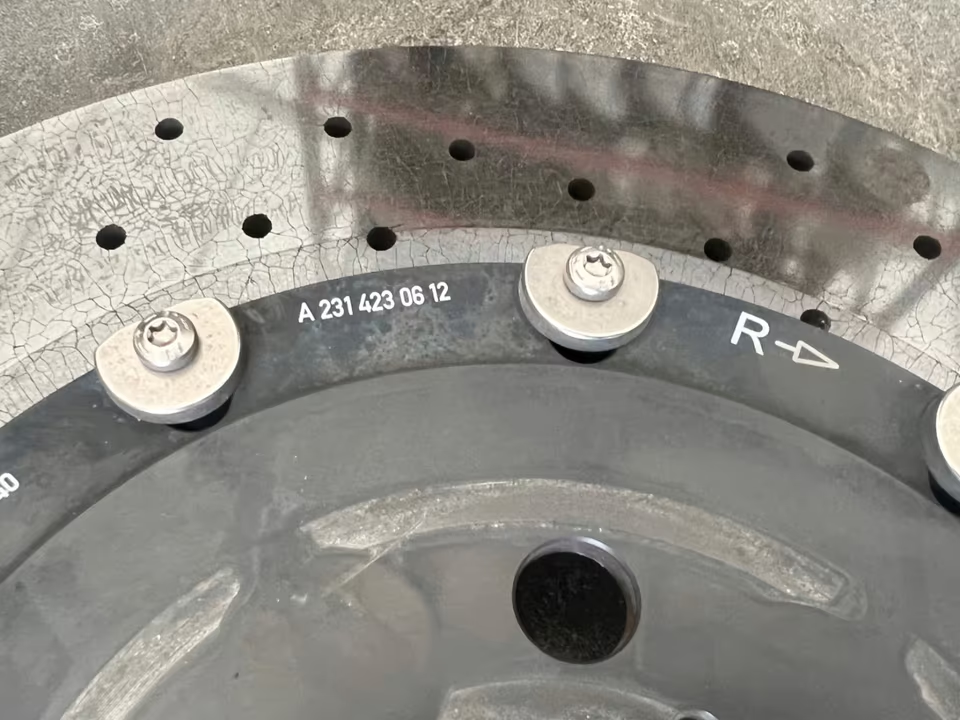
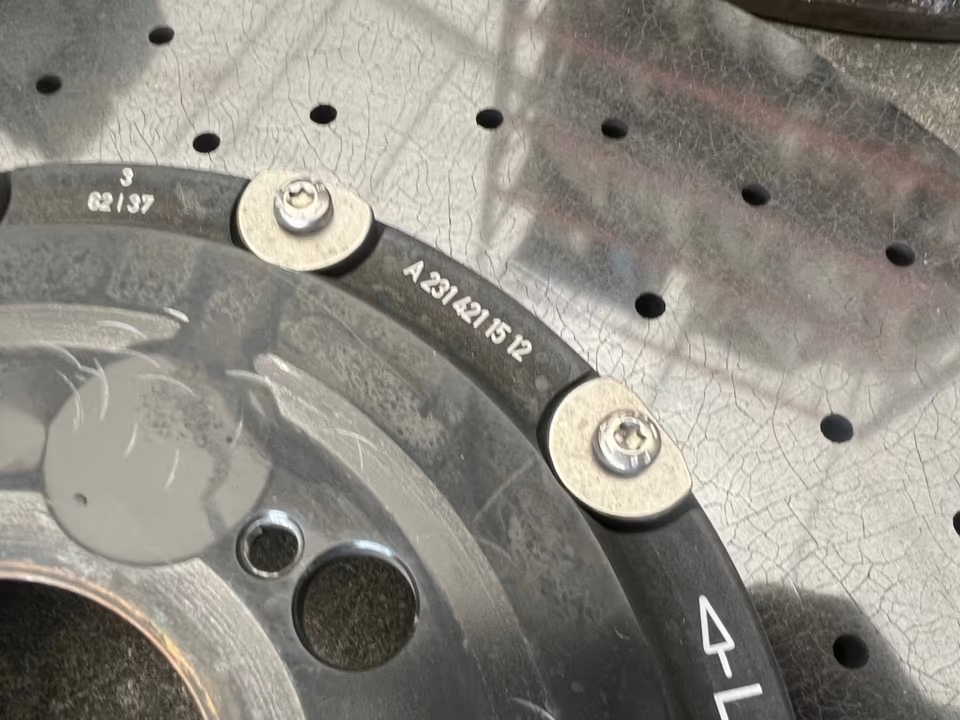
Weight Check: To determine if a rotor needs replacement, it must be removed, cleaned, and weighed on a high-precision scale. Every rotor has its minimum “Discard Weight” laser-etched into the center hat.
-
Visual Indicators: CCB rotors feature “wear indicators” (small dark circles) that become visible/pitted when the carbon structure is oxidizing due to track heat.
Reviews
There are no reviews yet.