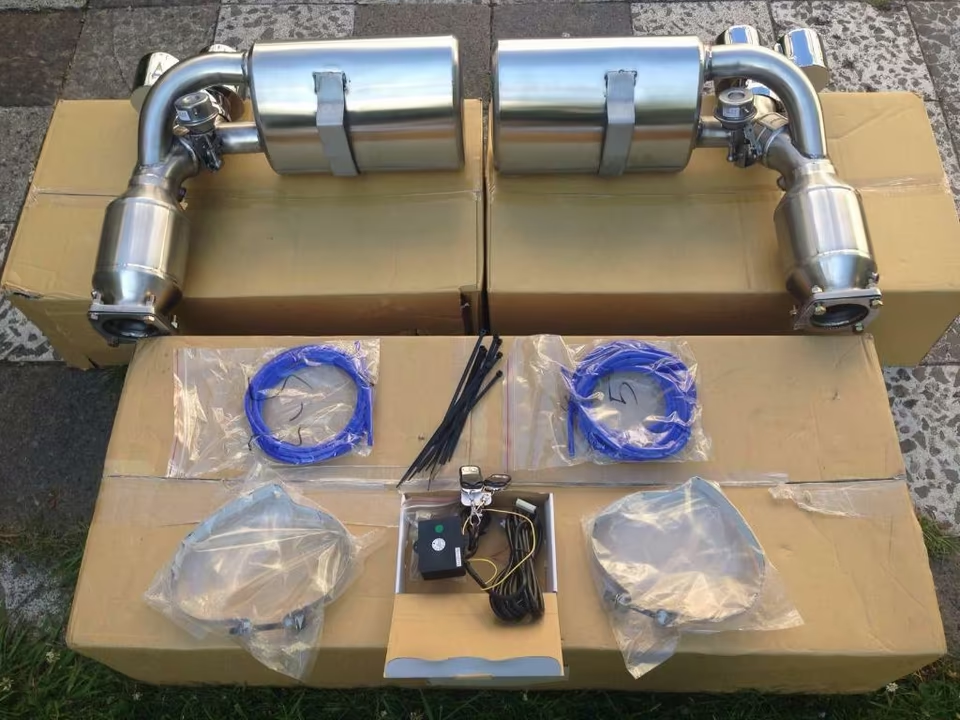
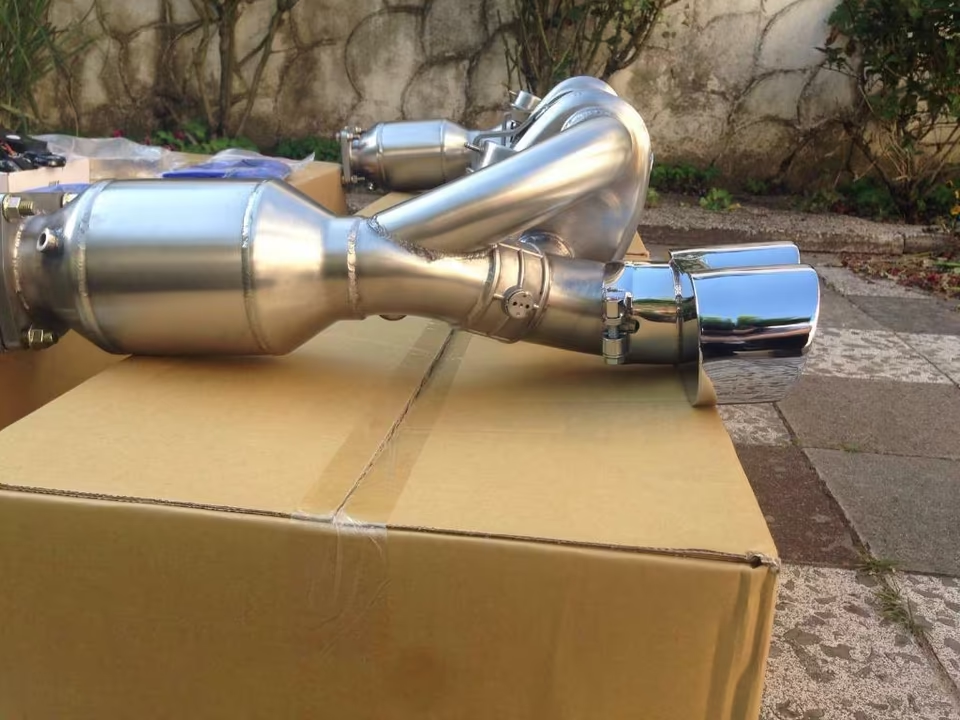
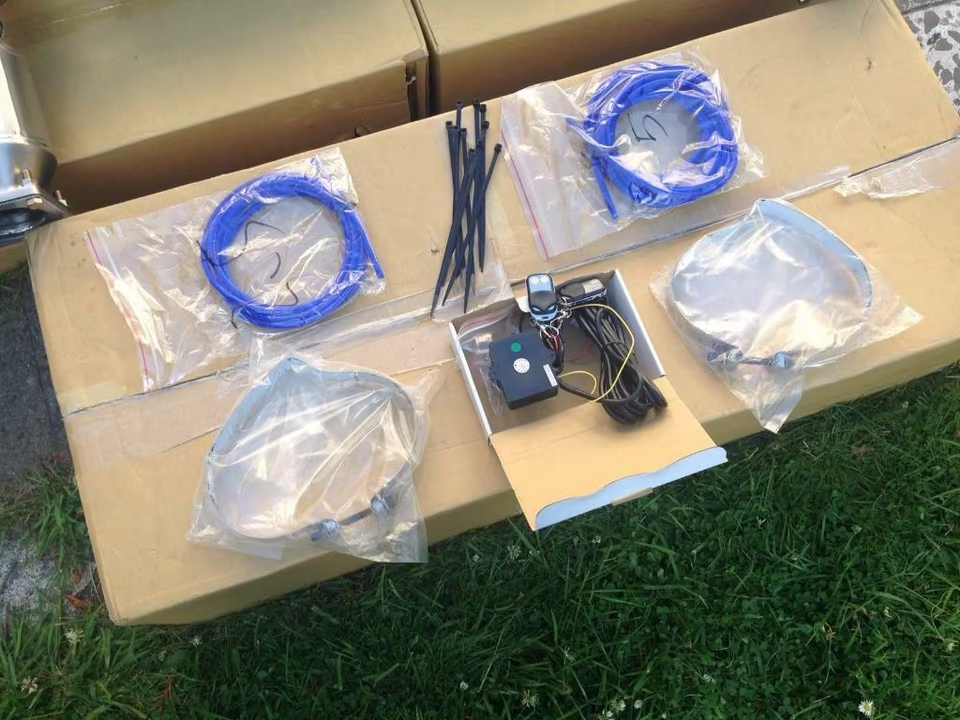
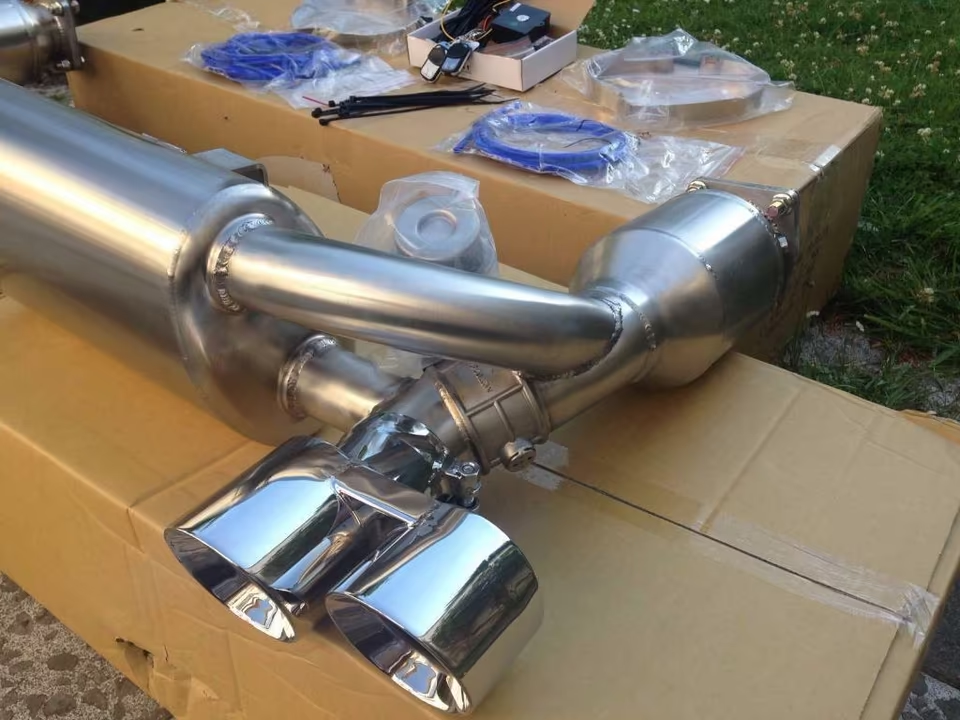
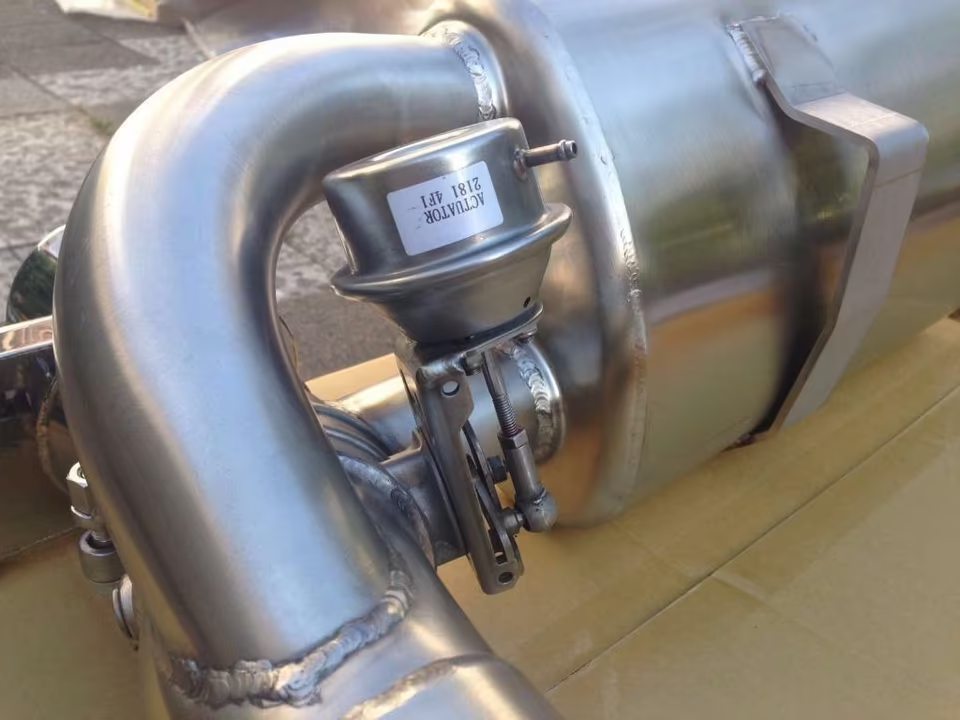
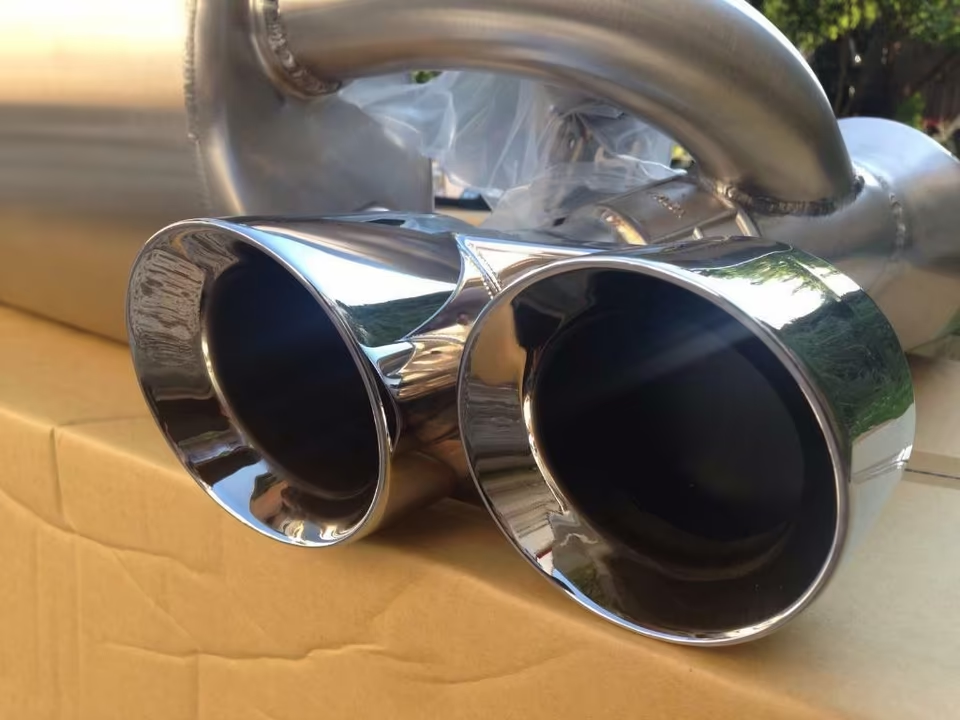
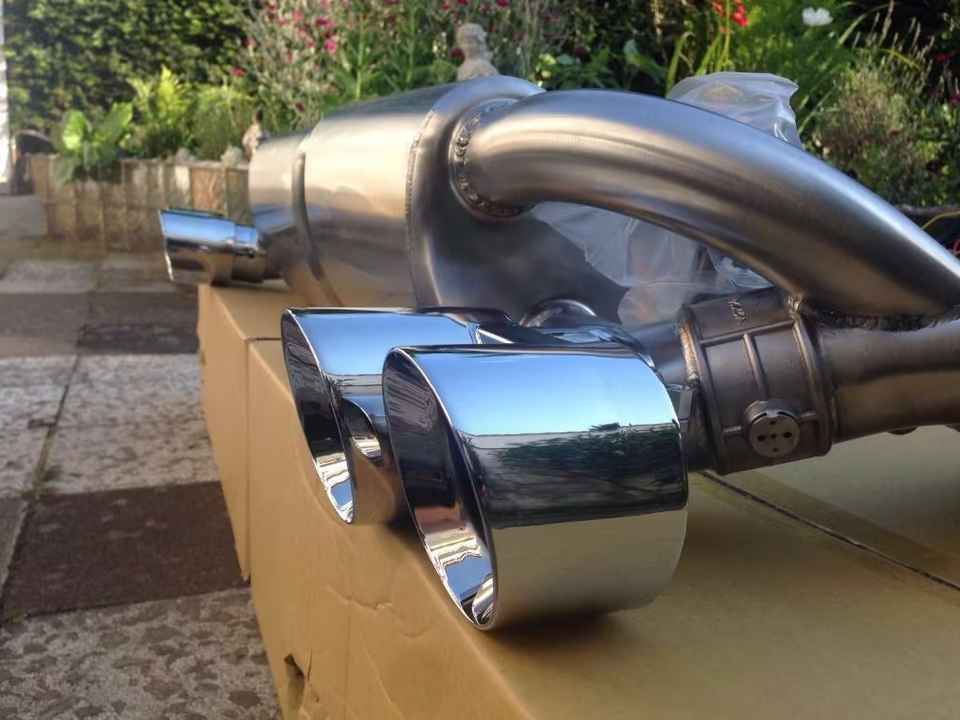
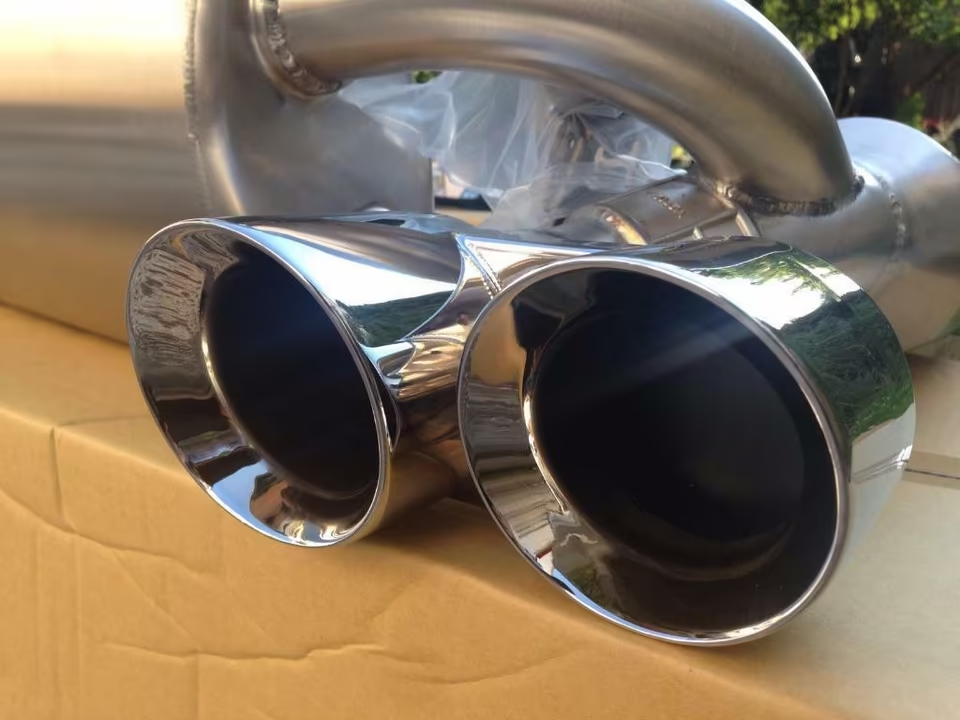
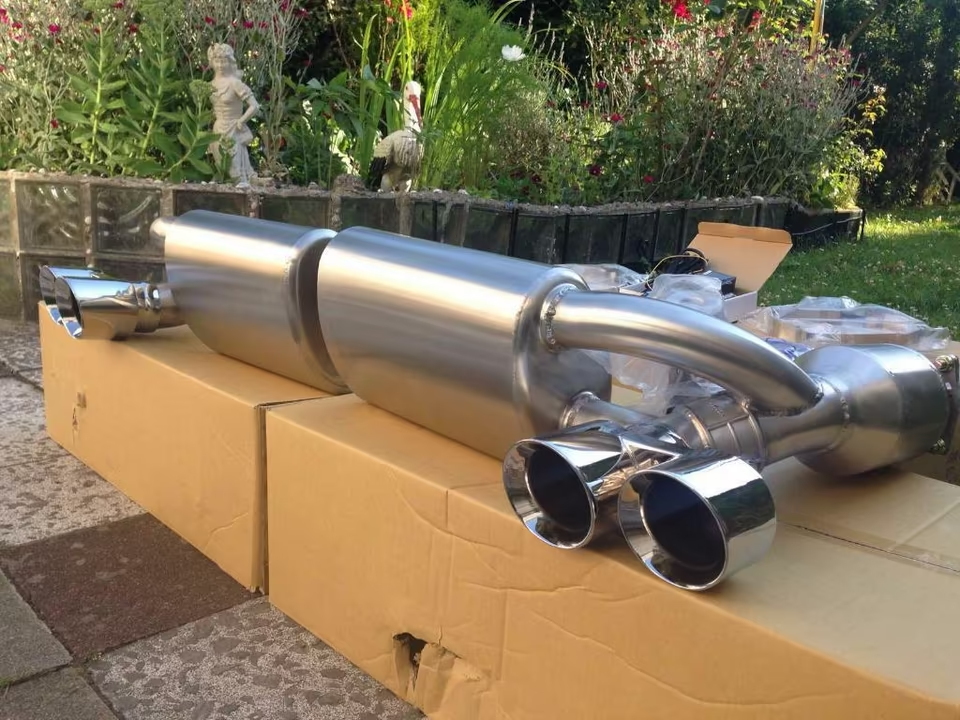
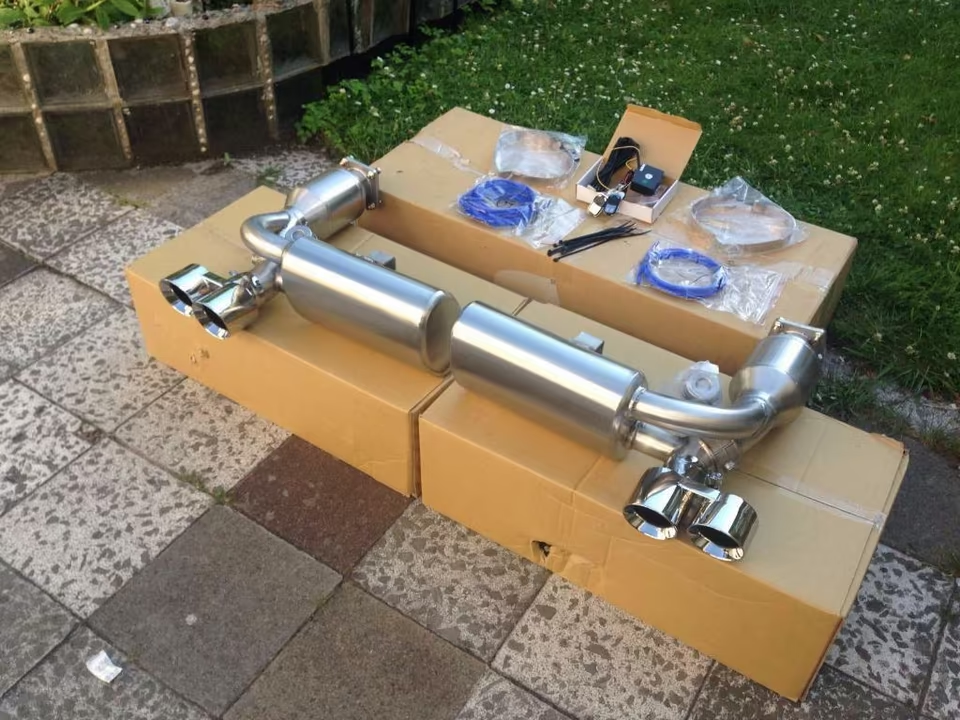
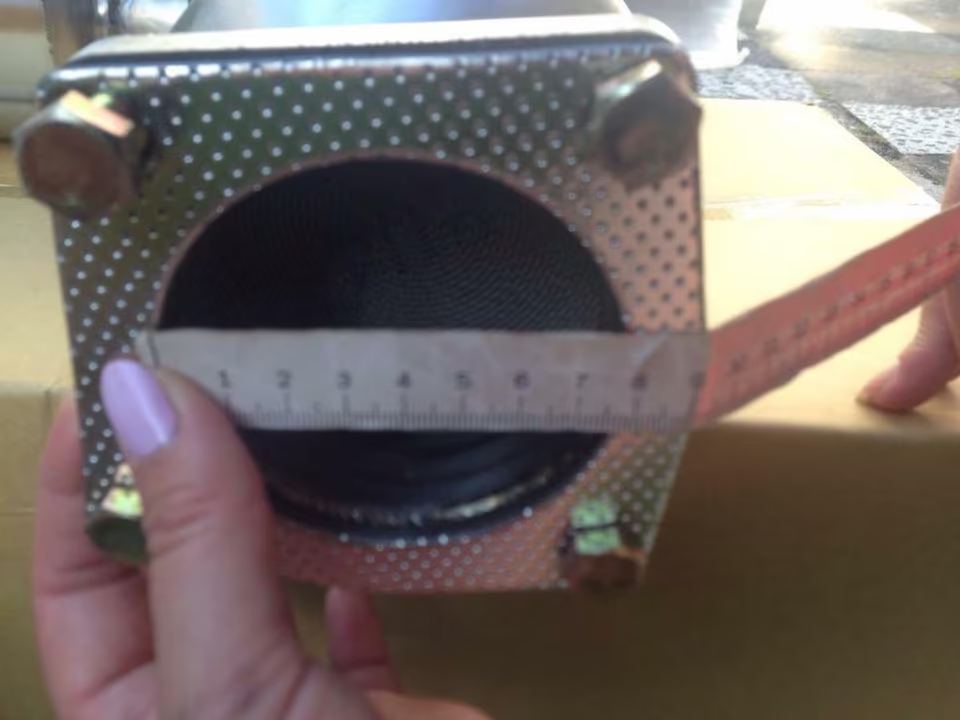
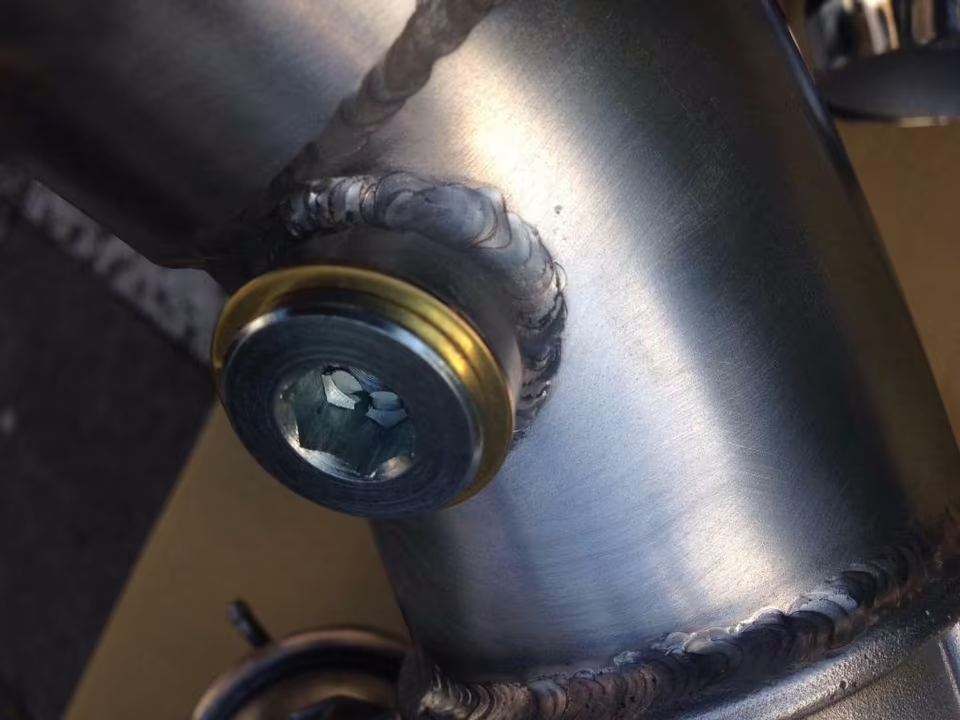
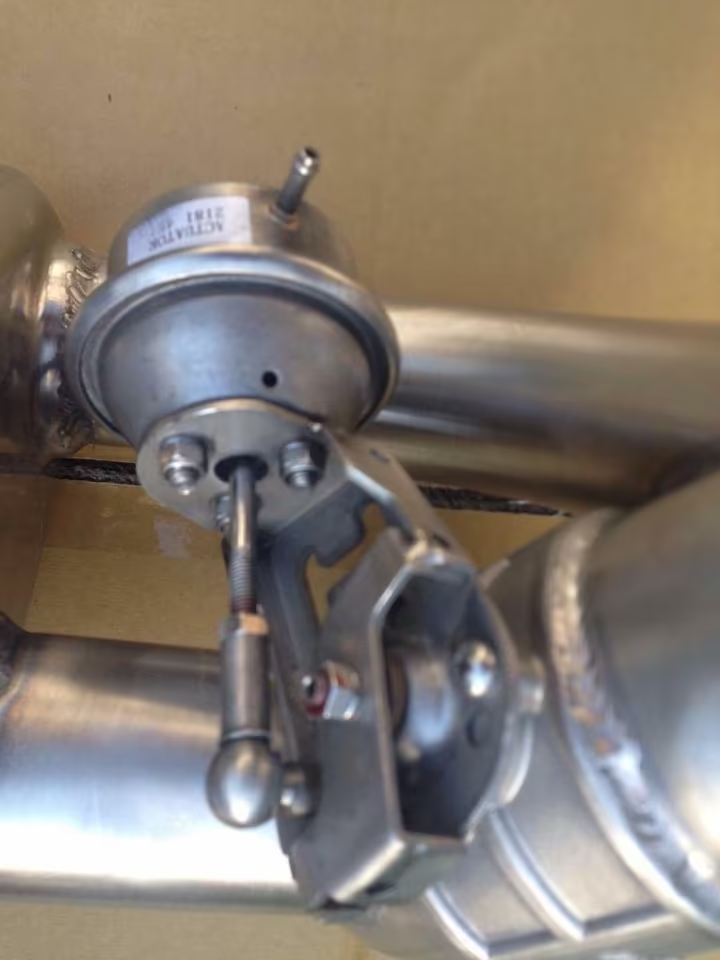
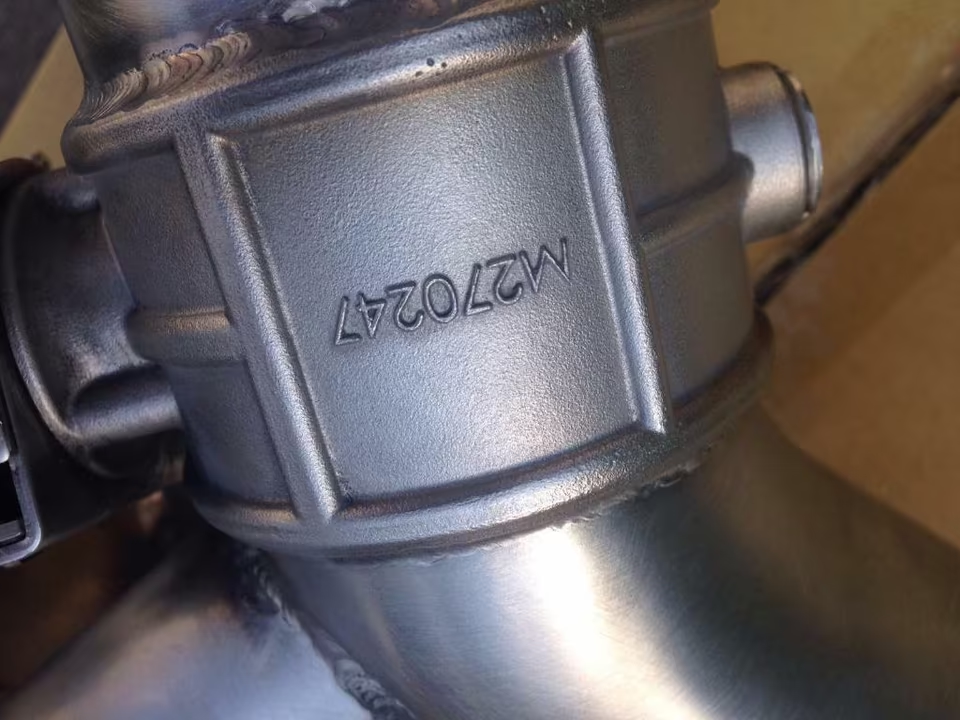
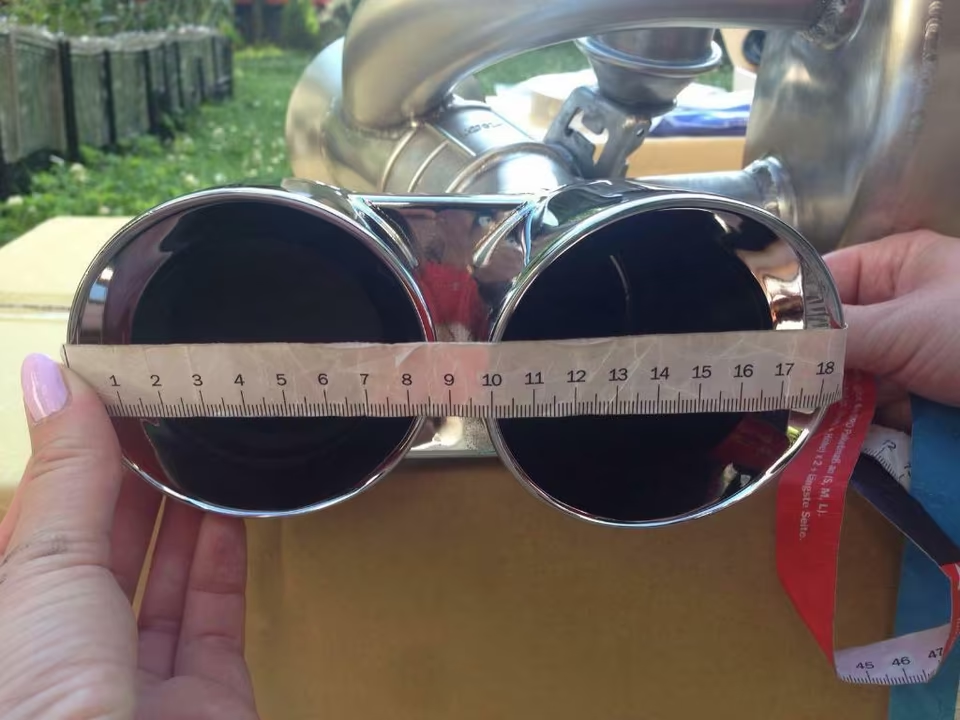
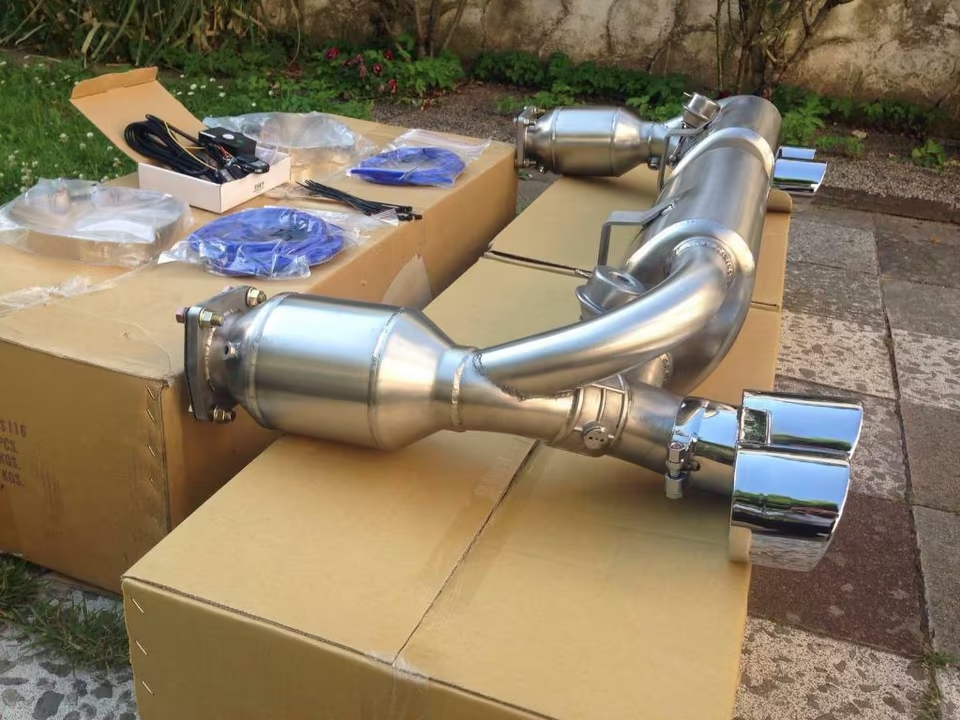
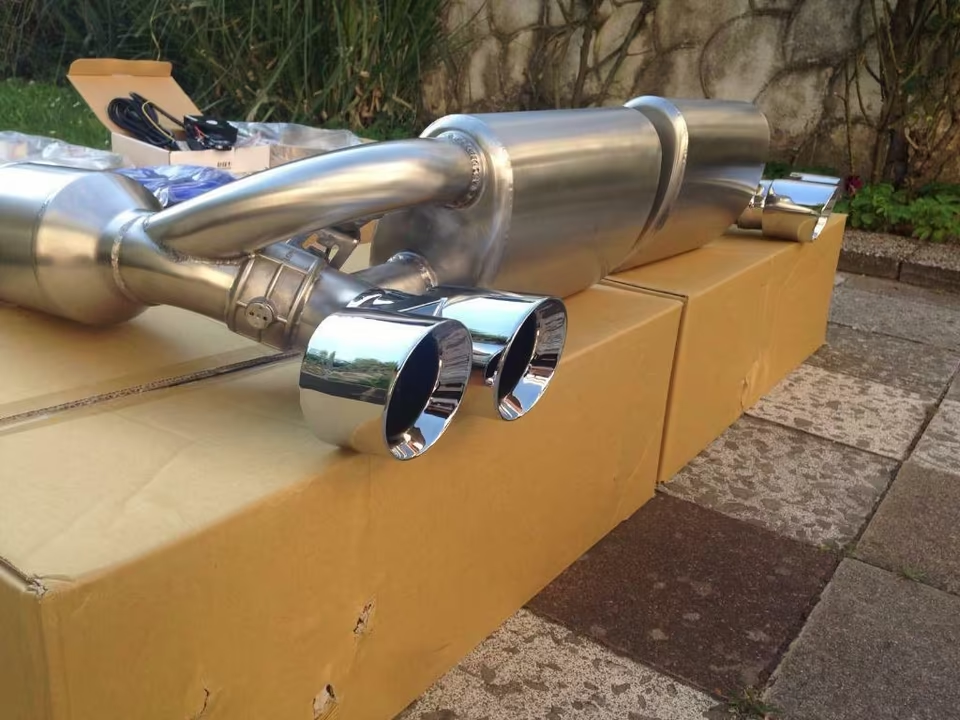
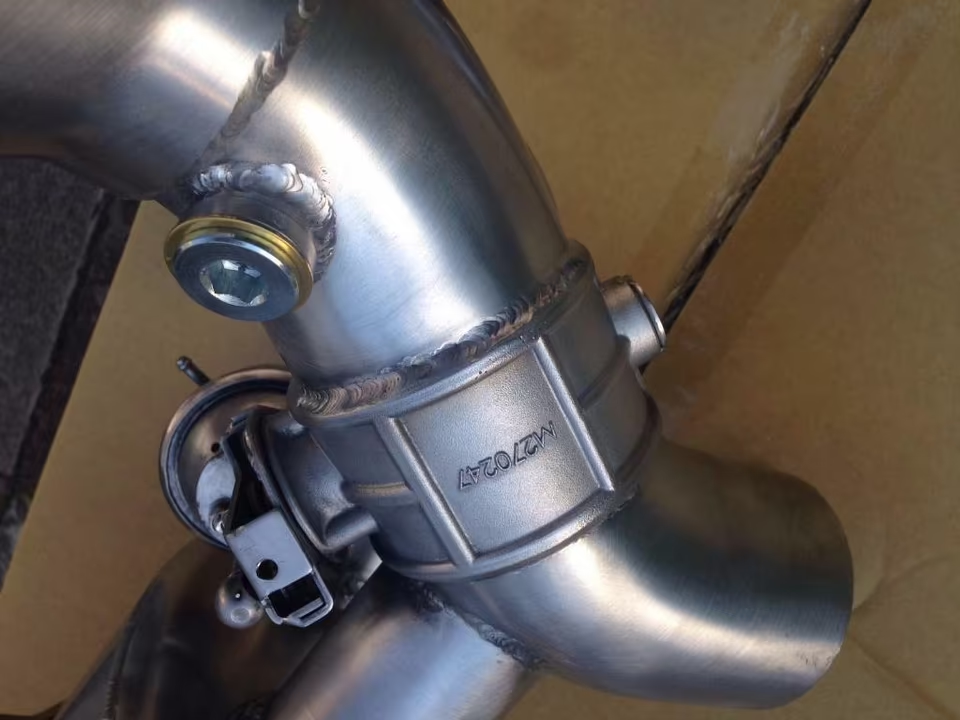
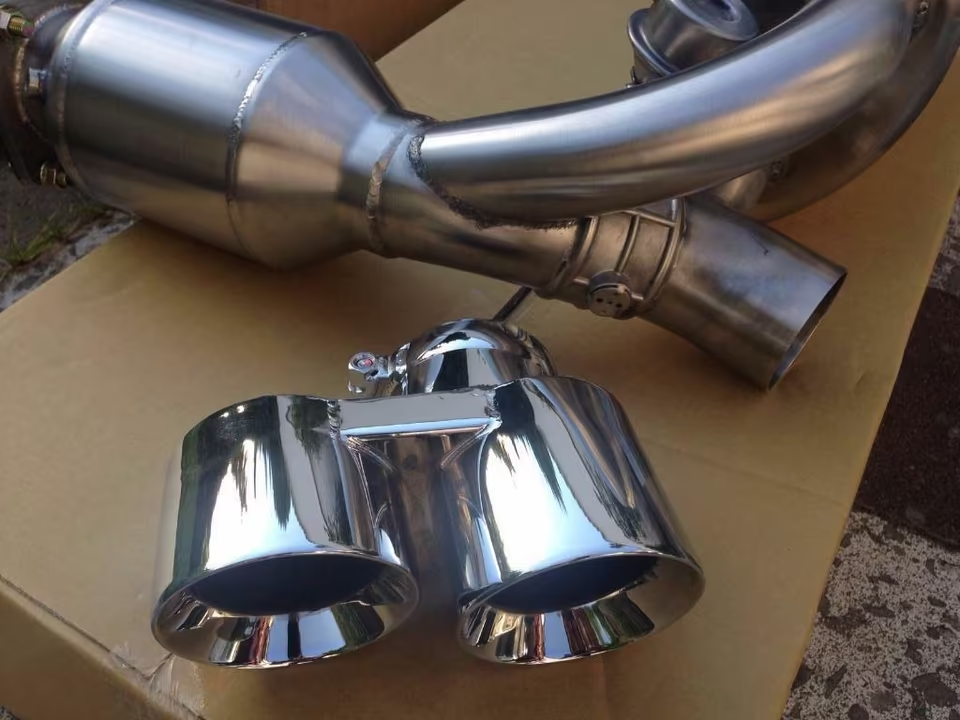
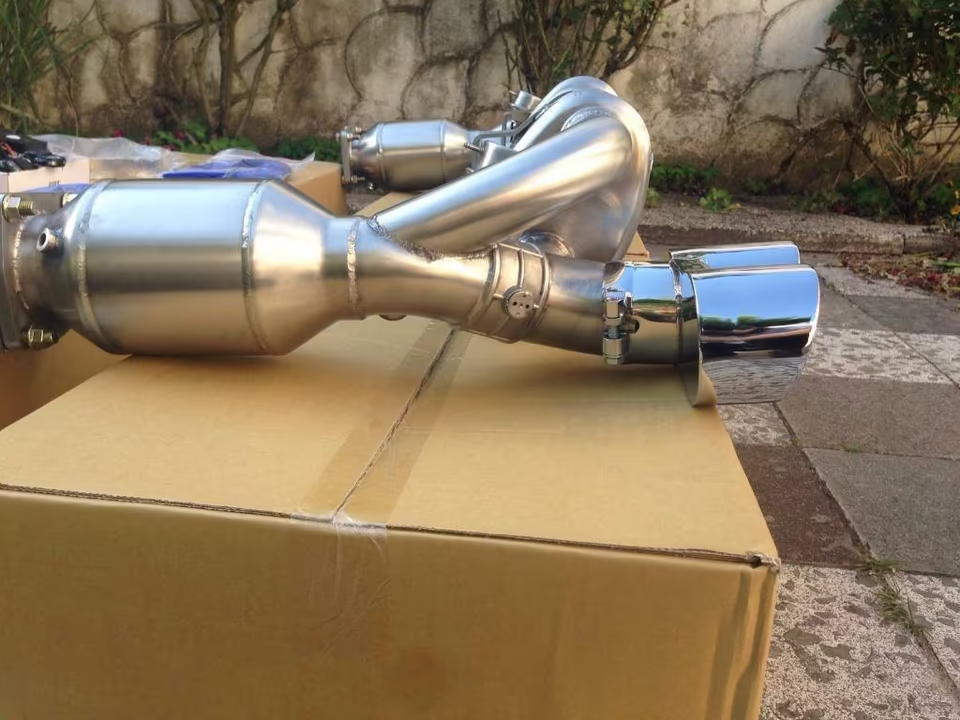
PORSCHE 911 996 Turbo Sport Exhaust 200 Zeller Sport Exhaust System
The Porsche 911 (996) Turbo is significantly muffled by its factory -cell catalytic converters and heavy stainless steel mufflers. Upgrading to a 200-Zeller (200-cell) Sport Exhaust System is widely considered the single most effective modification for this car, as it balances backpressure for the turbos while drastically improving the flat-six soundtrack.
1. Why 200-Zeller (200-Cell)?
-
Turbo Spool: Reducing the cell count from to lowers backpressure, allowing the K16 (or K24) turbines to spool up faster, reducing turbo lag.
-
Sound: 200-cell cats provide a deep, guttural growl and allow for “turbo whistle” to be audible through the tailpipes without the raspiness of a straight-pipe (decatted) system.
-
No CEL: Unlike 100-cell or catless systems, a high-quality 200-Zeller system usually does not trigger a Check Engine Light (CEL), making it street-legal in many regions.
2. Top 200-Cell Systems for 2026
Several brands dominate the 996 Turbo market with “X-Pipe” designs that merge the exhaust pulses for a smoother, more exotic tone.
3. Performance Gains
On a stock 996 Turbo, a 200-cell sport exhaust typically yields:
-
Horsepower: to hp.
-
Torque: to Nm.
-
Weight Savings: Most aftermarket systems are lighter than the bulky OEM “suitcase” muffler.
4. 2026 Technical Installation Tips
-
The “Turbo Stud” Nightmare: By 2026, the studs connecting the exhaust to the turbochargers are likely corroded. They will break. Always have a set of replacement Inconel or Stainless studs/nuts ready.
-
O2 Sensor Spacers: Even with 200-cell cats, some sensitive EU/US spec cars may occasionally trigger a light. Using “mini-cat” spacers on the secondary O2 sensors is a common 2026 fix.
-
Heat Shielding: The 996 Turbo engine bay gets extremely hot. Ensure your new system has proper clearance from the rear boost hoses and spark plug coils.
5. Essential Pairing: The Tune
To fully take advantage of the 200-cell flow, a Stage 1 ECU remap (like Kevin at UMW or Softronic) is highly recommended. The tune can adjust boost targets to match the decreased backpressure, often pushing the car to safely.
Reviews
There are no reviews yet.