



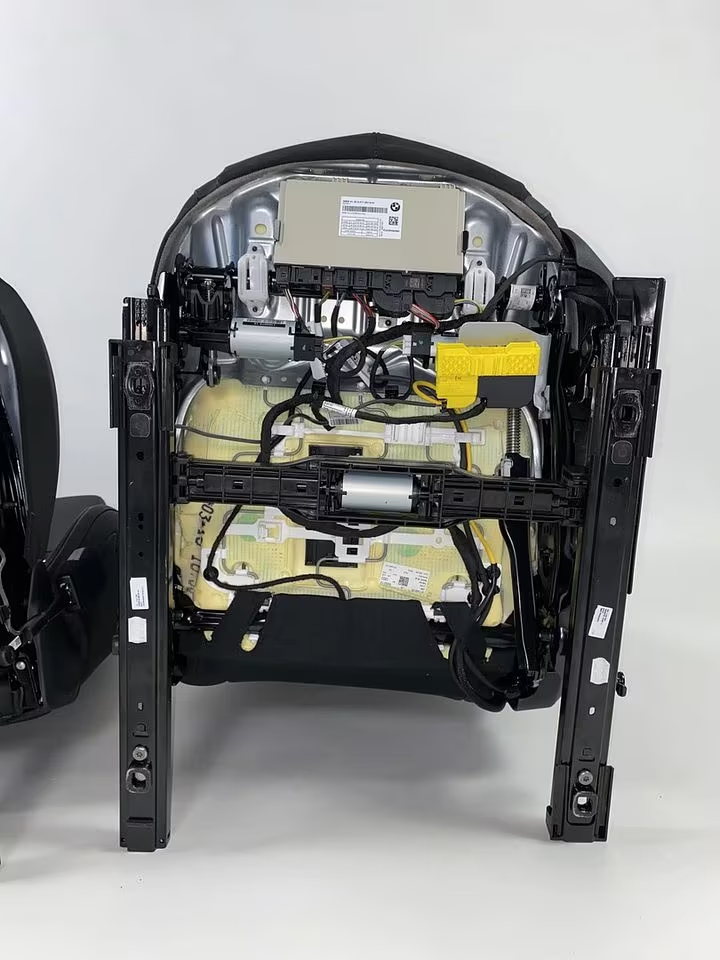
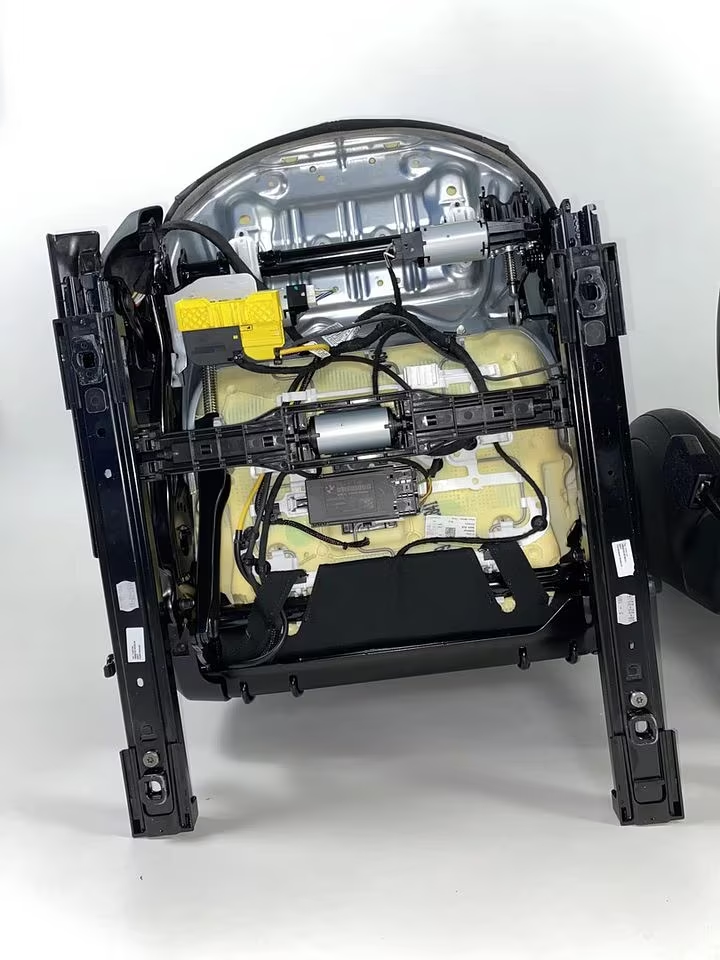
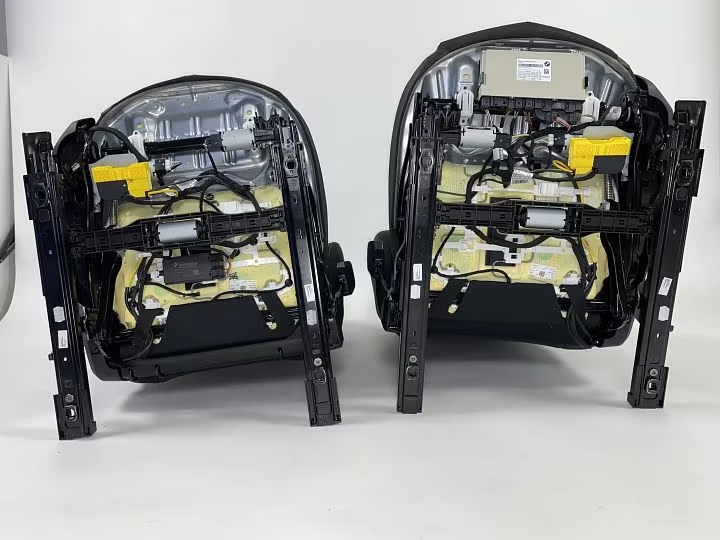
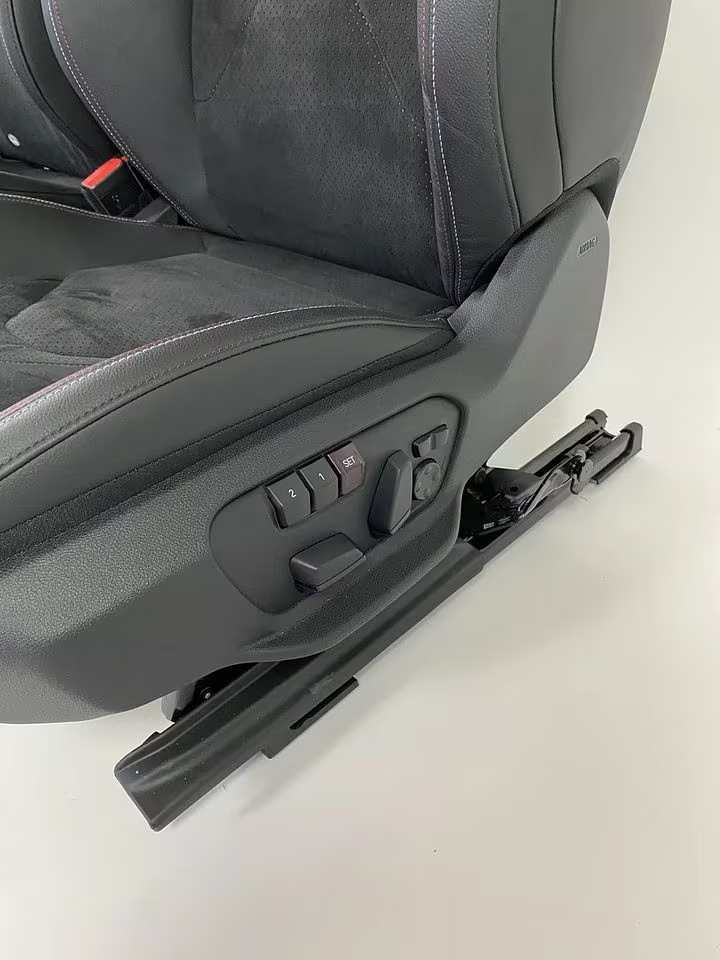
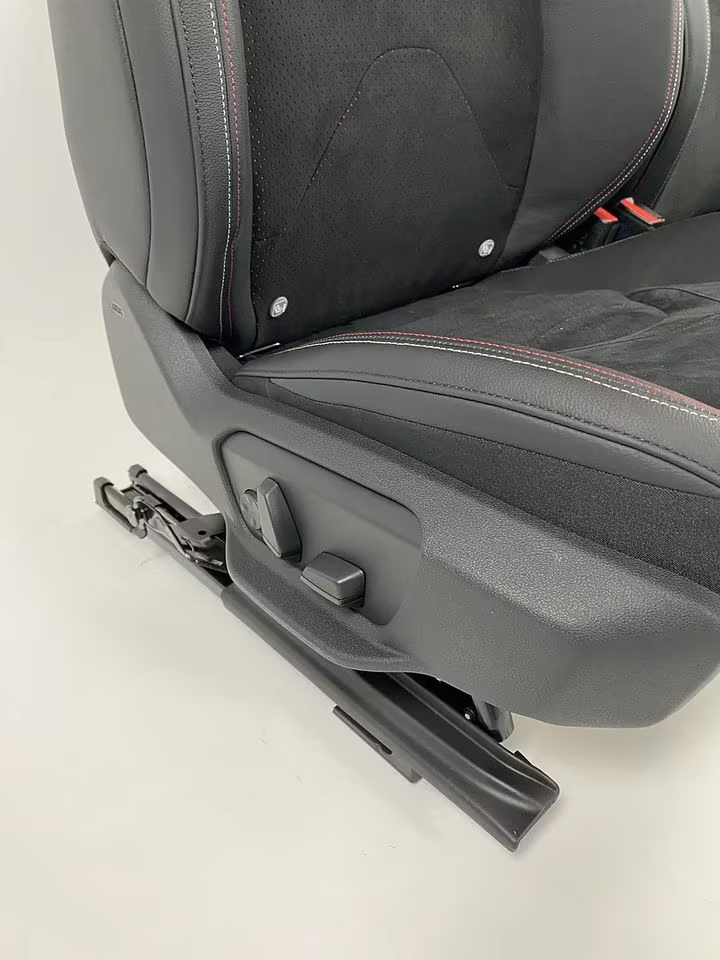
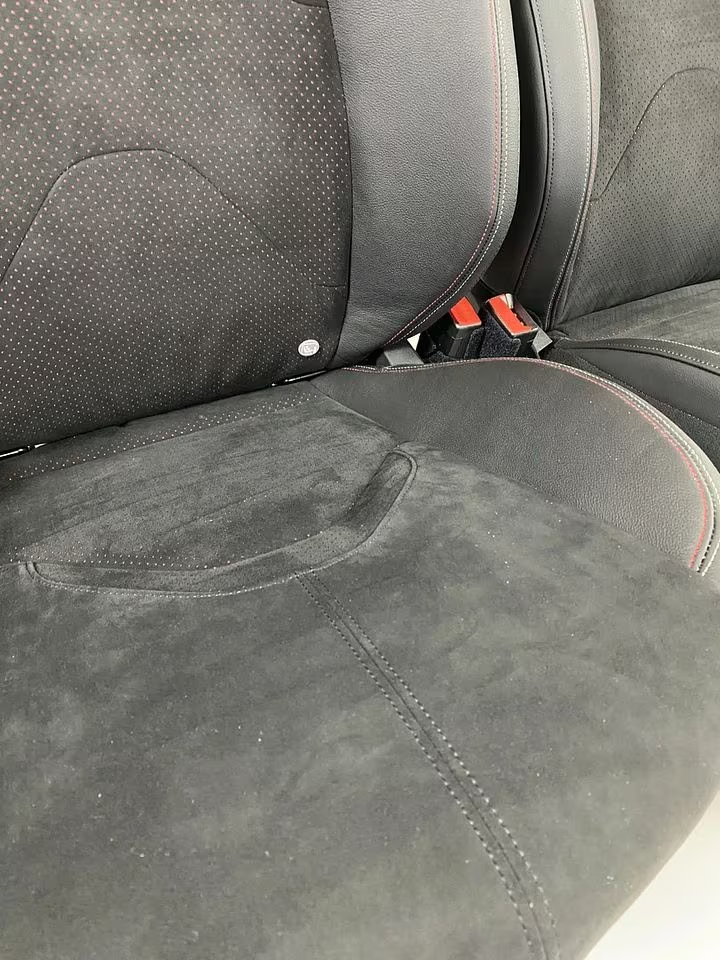
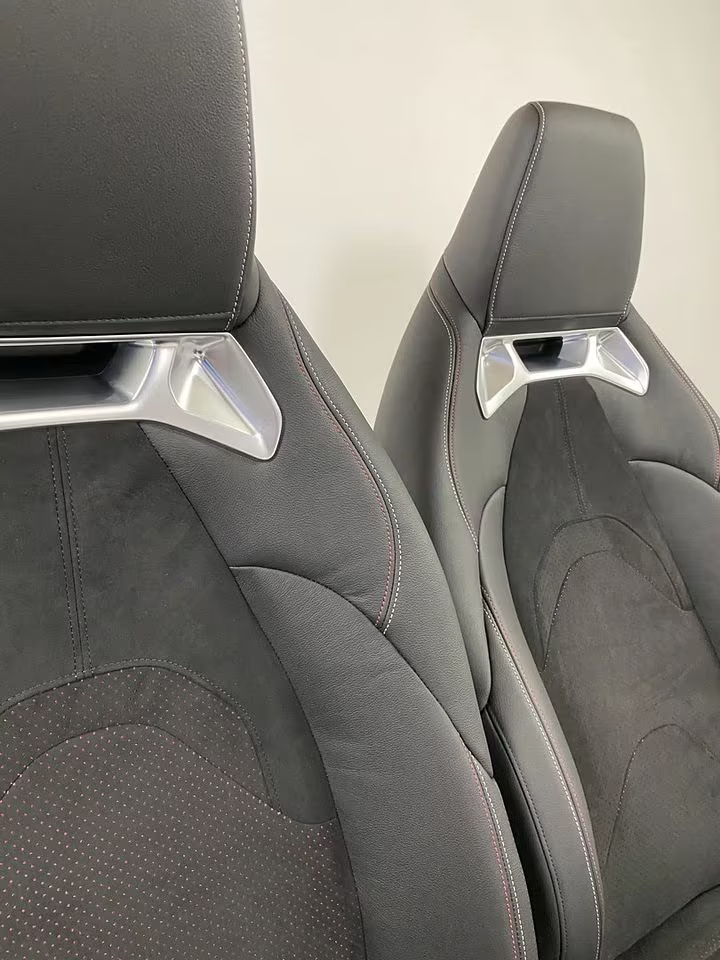
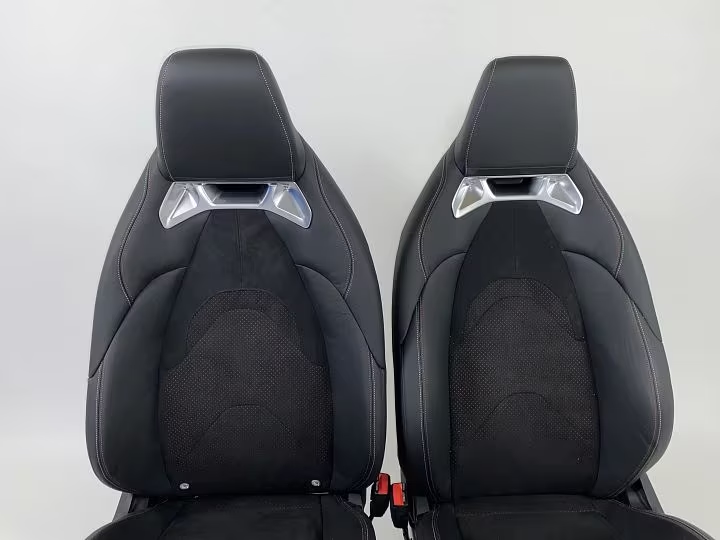
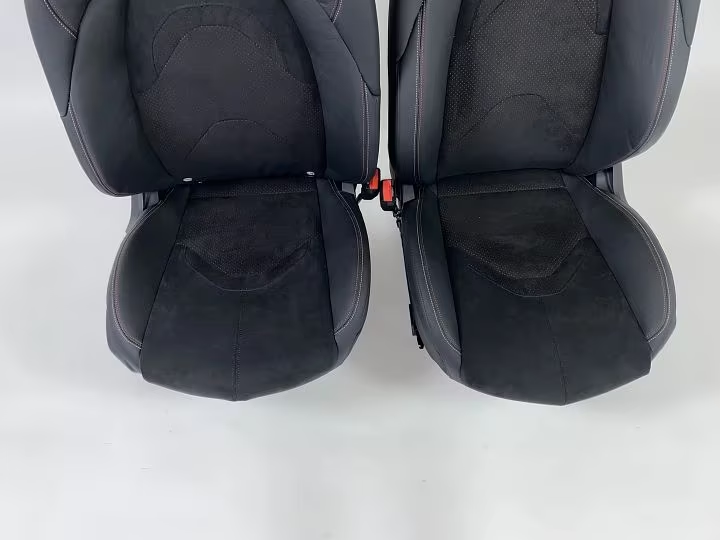
Toyota Supra seats
Toyota Supra, the seating options vary significantly between the legendary 90s A80 (MkIV) and the modern A90 (MkV/GR). Whether you are sourcing OEM replacements for a restoration or upgrading a new build, here is the technical breakdown.
1. Fifth Generation: GR Supra (A90/A91) 2020–2026
Since the A90 shares its architecture with the BMW Z4, the seats feature high-end European electronics and mounting systems.
-
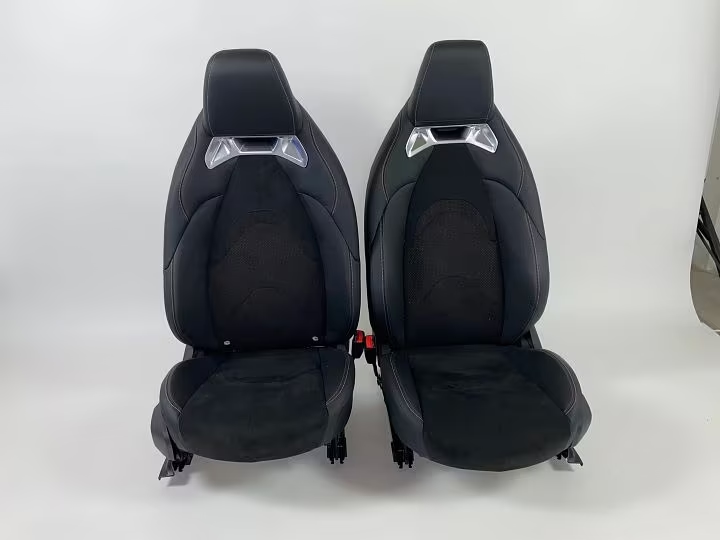
Design: Race-inspired “Deep Bolster” sport seats with integrated head restraints.
-
Adjustment: Typically 14-way power-adjustable (including 4-way lumbar and power-adjustable side bolsters to “hug” the driver).
-
Trims & Materials:
-
3.0 Premium: Typically black or “Hazelnut” leather with heating.
-
A91/Special Editions: Often feature Alcantara inserts for better grip during spirited driving and distinctive blue or red stitching.
-
2026 MkV Final Edition: Features exclusive Black Alcantara-trimmed seats with silver hardware in the seatbacks and “GR” embroidery.
-
-
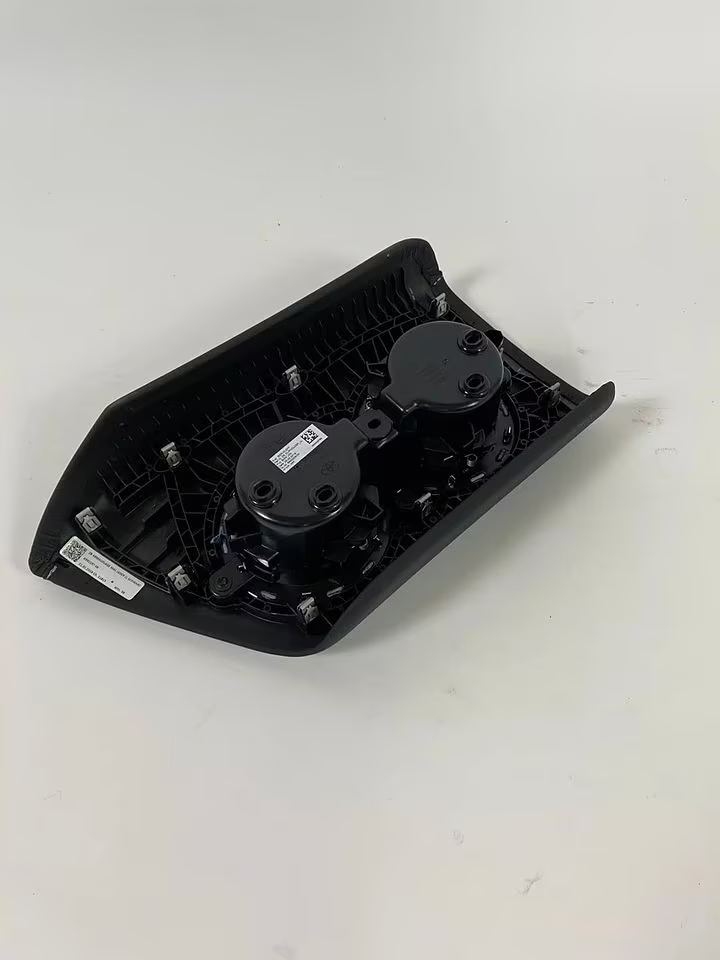
Connectivity: These seats are tied into the vehicle’s CAN-bus system for seat memory and heating; retrofitting them into other cars requires a specialized wiring bypass.
2. Fourth Generation: Supra (A80/MkIV) 1993–2002
Original A80 seats are now high-value collector items, especially in good condition.
-
OEM Styles:
-
US-Spec: Mostly power-adjustable driver’s seats in leather (Black or Ivory/Tan) or “Confetti” pattern cloth.
-
JDM-Spec: Often featured manual-adjust lightweight cloth seats or the highly sought-after OEM Recaro “Le Mans” editions (SR3-style) found in the RZ and RZ-S trims.
-
-
Common Issues: The “leaning” driver seat is a common failure point where the internal frame or power gear wears out. Replacement leather skins from brands like Ridies or XAT Racing are standard for restorations.
-
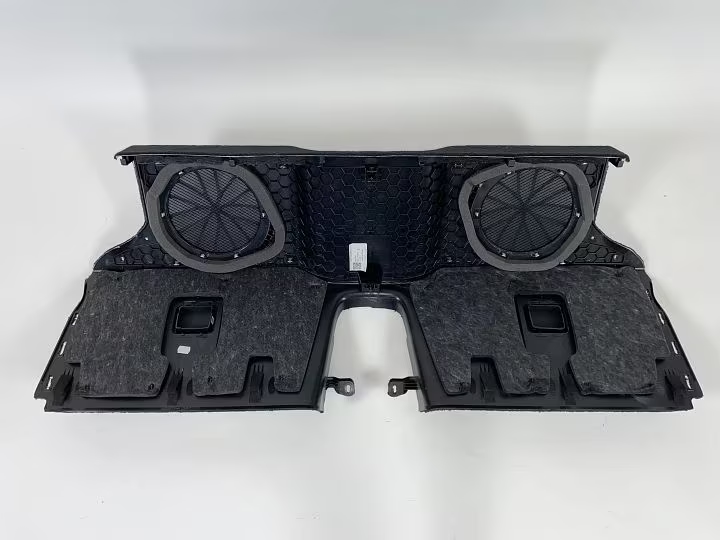
Rear Seats: The “2+2” rear seats are very small and often removed (“Rear Seat Delete”) to save weight or accommodate roll cages.
Reviews
There are no reviews yet.