
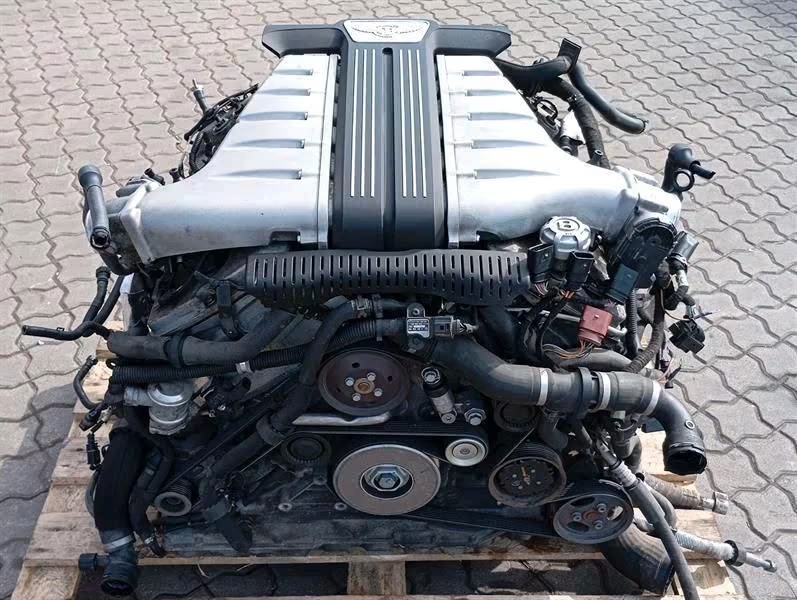
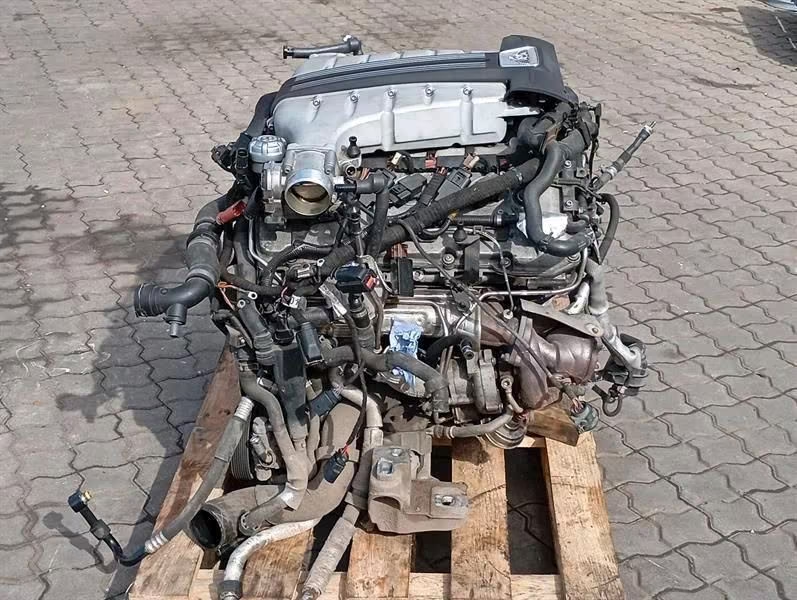
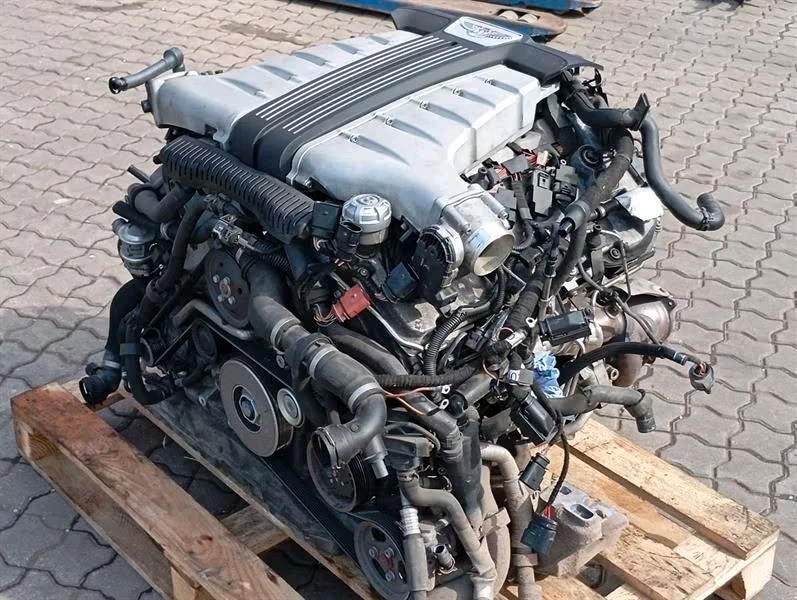
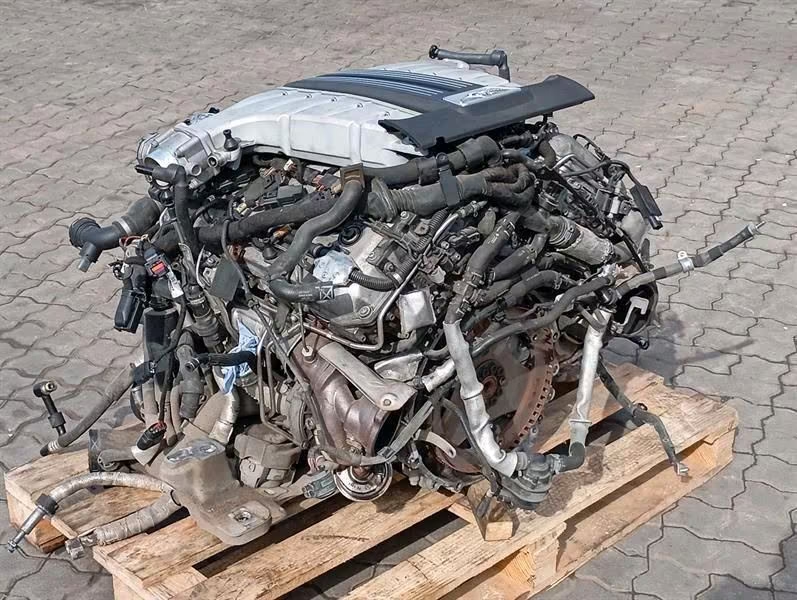
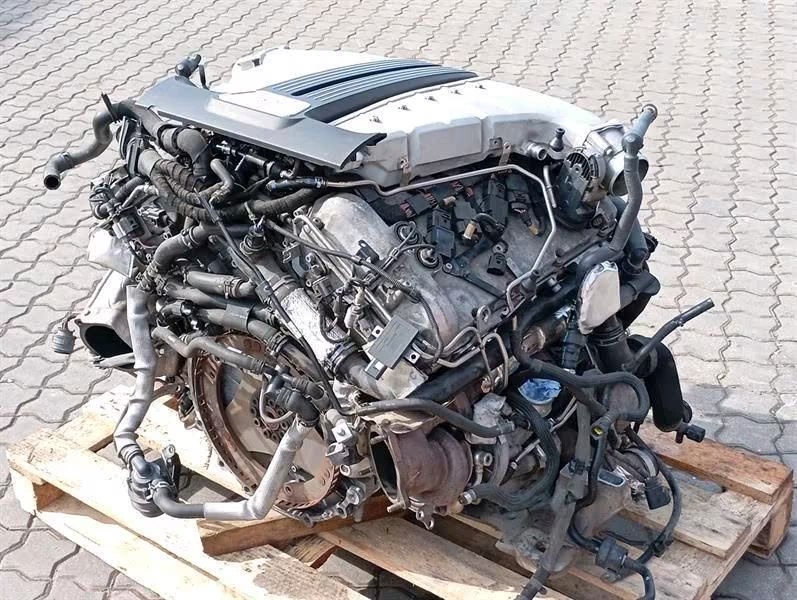
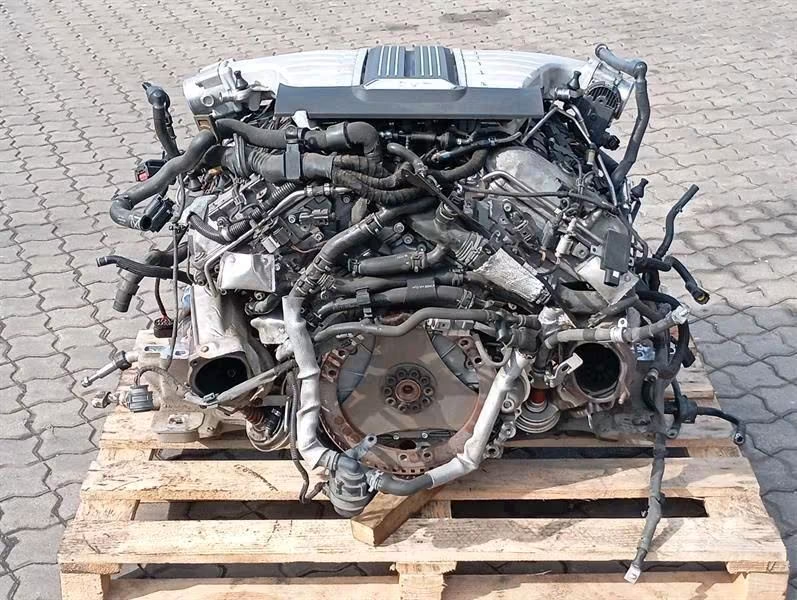
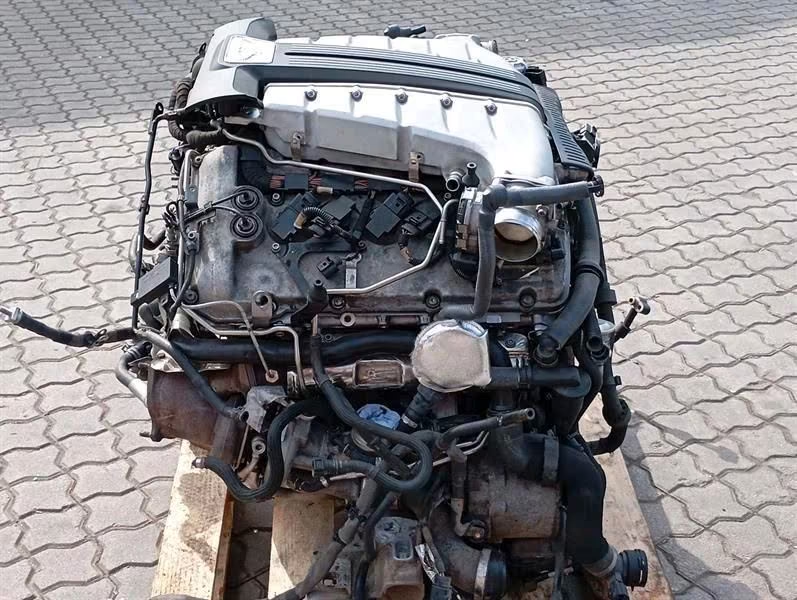
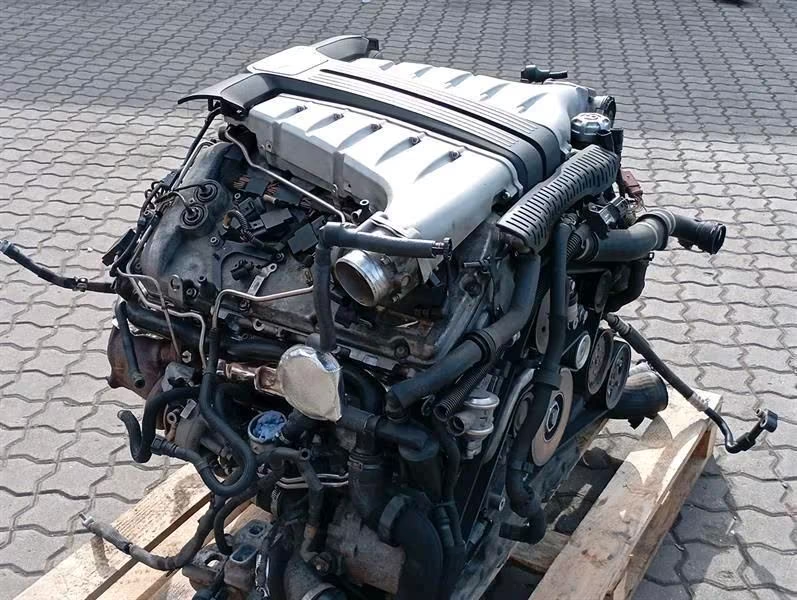
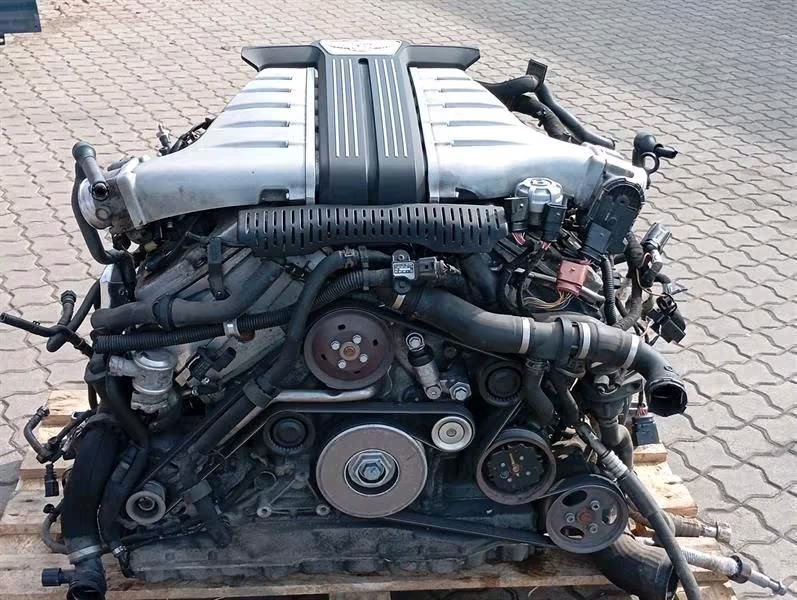
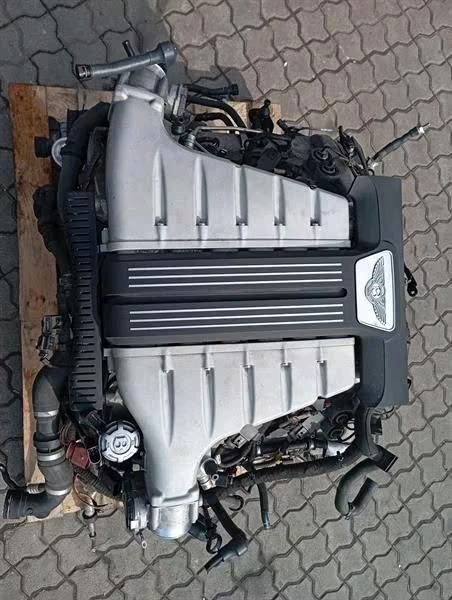
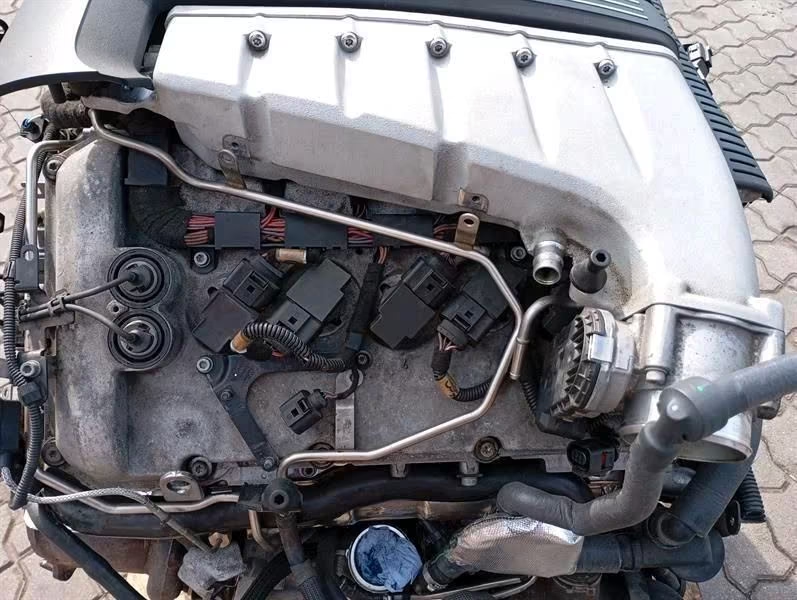
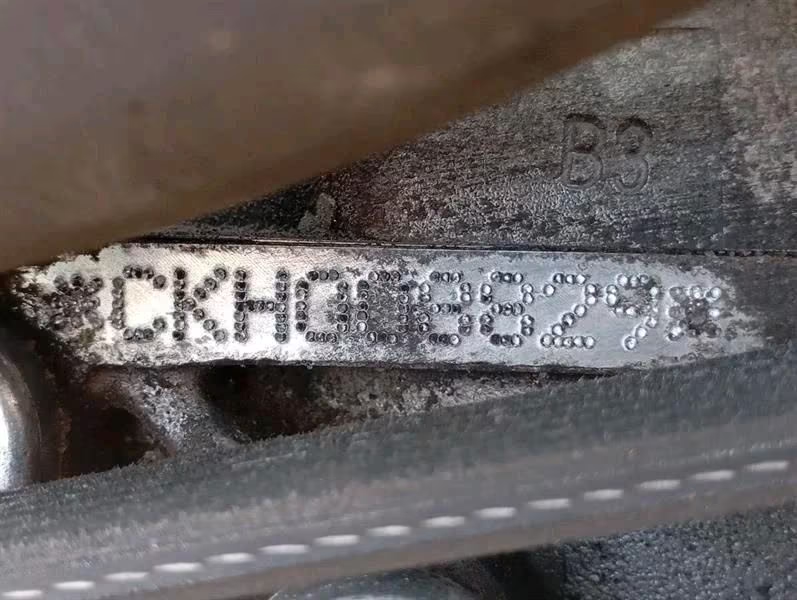
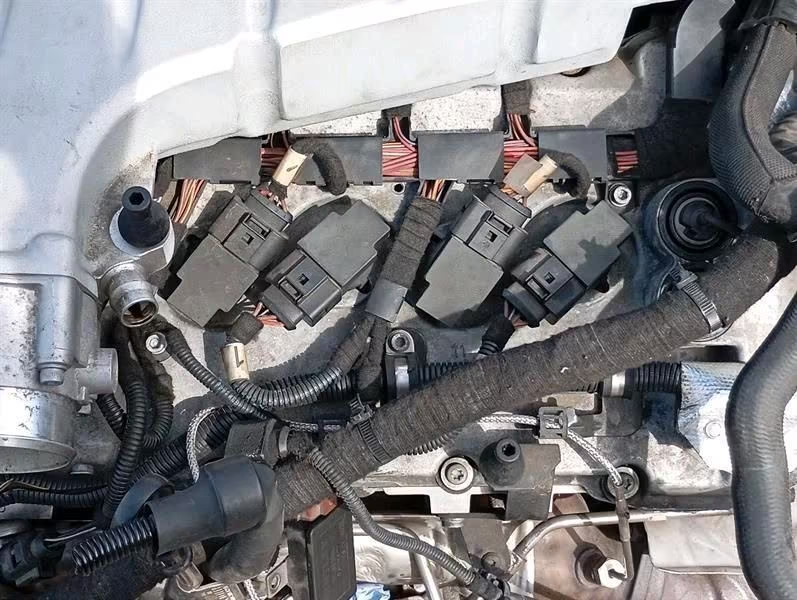
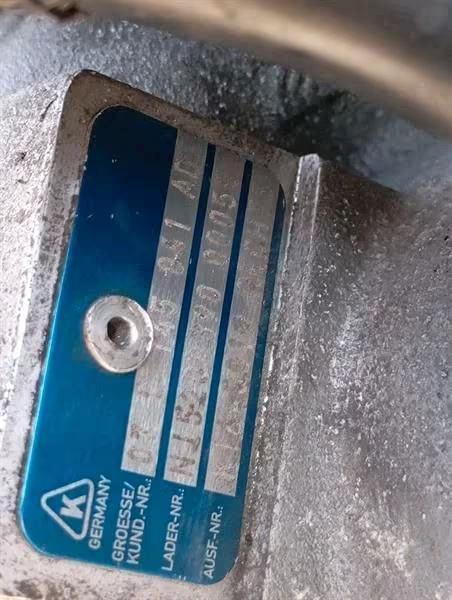
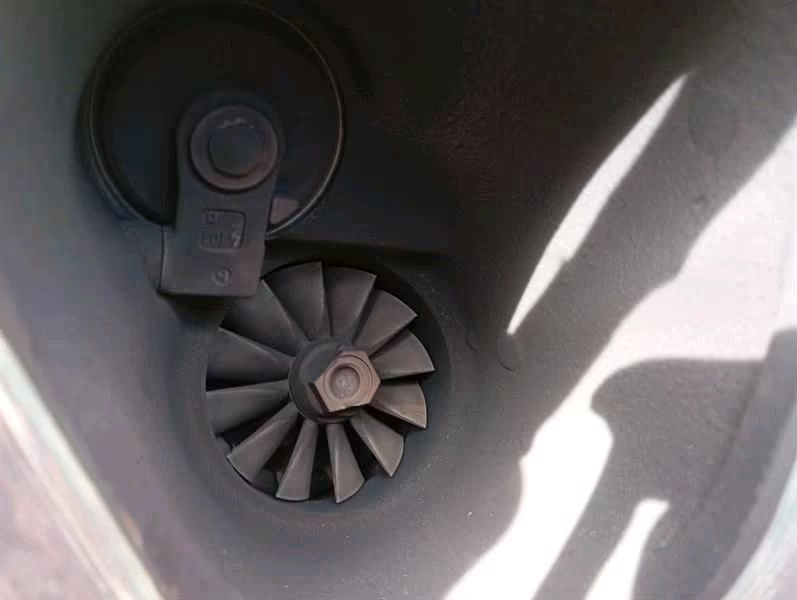


BENTLEY CONTINENTAL GT 6.0 CKHB 2011-2018 W12 Engine Complete
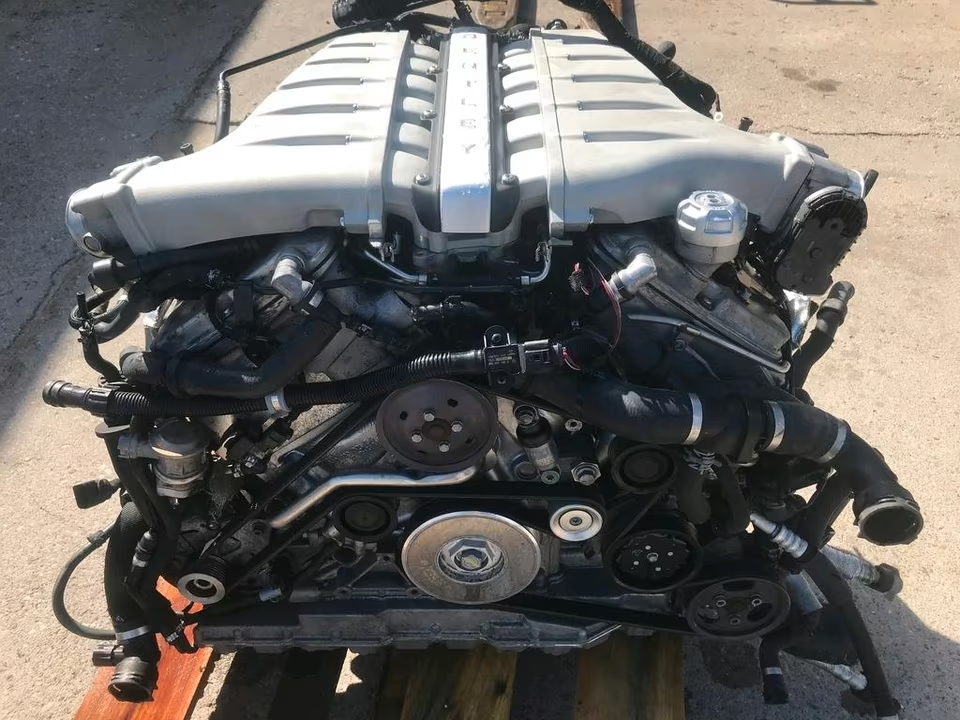
Bentley Continental GT 6.0 W12 Engine
Series: MK2 (Second Generation: 2011–2018) Engine Code:
CKHB
The CKHB engine represents the major evolution of the W12 for the second-generation Continental GT and GTC. Introduced around 2011/2012, it replaced the earlier BWR and BEB codes, bringing significant improvements in efficiency, thermal management, and power delivery.
1. Engine Specifications (CKHB)
Compared to its predecessor, the CKHB features the Bosch ME17 engine management system and refined turbochargers for better low-end response.
-
Type: 6.0L W12 Twin-Turbo (48-Valve)
-
Power Output: 575 PS (423 kW; 567 bhp) @ 6,000 rpm
-
Torque: 700 Nm (516 lb-ft) @ 1,700 rpm
-
0–60 mph: ~4.3 Seconds (GT) / 4.4 Seconds (GTC)
-
Transmission Pairing: Typically mated to the ZF 8-speed automatic (a massive upgrade over the 6-speed used in earlier
BWRmodels).
2. Key Improvements over BWR (2003–2011)
If you are looking to swap a CKHB into an older car, or vice-versa, note these critical differences:
-
Management System: Moved from the older ME7 to ME17, which allows for much finer control over fuel injection and timing.
-
Weight Reduction: Includes lightened internal components and more efficient cooling passages.
-
Flex-Fuel Capability: Many CKHB units were designed to run on E85 (Bio-ethanol) or standard gasoline interchangeably.
-
Reduced Emissions: Features updated catalytic converters and secondary air injection systems to meet Euro 5/Euro 6 standards.
3. Known Issues & “While-You-Are-In-There” Maintenance
The CKHB is highly reliable but shares the “packaging” challenges of all W12 engines.
-
Carbon Canister (Fuel Filling Issue): A known issue in 2015–2017 models where the “Activated Charcoal Container” blocks, making the car nearly impossible to refuel (the pump keeps clicking off).
-
The “Hose” Nightmare: While improved, the vacuum lines located at the rear of the engine block still suffer from heat soak. If you are buying a complete engine, replace all vacuum lines with silicone before installation.
-
Turbo Oil Feed Screens: These small screens in the oil lines can clog, starving the turbos of oil. It is best practice to remove or replace them during an engine swap.
-
PCV System: Ensure the PCV valves (located on the valve covers) are not brittle or leaking, as this leads to “Check Engine” lights for lean-running conditions.
Reviews
There are no reviews yet.